Calculating Concentration (VCE SSCE Chemistry): Revision Notes
📚Revision Notes
Calculating Concentration
Understanding how to calculate and express the concentration of solutions is a fundamental skill in chemistry. Whether you're preparing medicines, analyzing water quality, or conducting laboratory experiments, knowing the exact amount of solute in a solution is essential.
What is concentration?
The concentration of a solution tells us the relationship between the amount of solute dissolved and the amount of solvent present. When we describe a solution as concentrated, we mean it has a high ratio of solute to solvent. Think of undiluted cordial - it has a lot of flavouring dissolved in a small amount of liquid. On the other hand, a dilute solution has a low ratio of solute to solvent, like a quarter teaspoon of sugar in a litre of water.
Note
While the terms "concentrated" and "dilute" give us a general idea, in chemistry we need precision. Exact concentrations are critical in many applications, from pharmaceutical prescriptions to industrial manufacturing and chemical analysis.
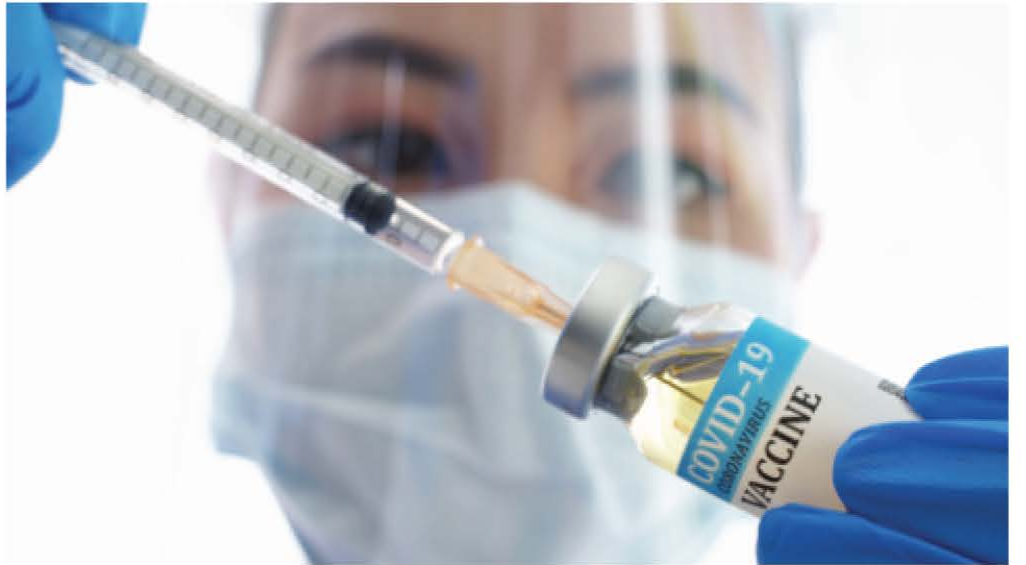
The accuracy of pharmaceutical concentrations can be a matter of life and death. Medications must contain the exact amount of active ingredient specified on the label to ensure patient safety and treatment effectiveness.
Understanding concentration units
Concentration measurements always have two components:
- Information about the amount of solute
- Information about the amount of solution
For example, if sodium chloride has a concentration of , this tells us that of (the solute amount) is dissolved in every of the solution (the solution amount).
Chemists use different concentration units depending on the context and application. Let's explore the most common ones.
Concentration in grams per litre ()
This concentration unit expresses the mass of solute, measured in grams, that is dissolved in one litre of solution. It's a straightforward way to describe concentration that directly relates mass to volume.
The formula for calculating concentration in grams per litre is:
This unit is practical when you're working with solid solutes dissolved in liquid solvents. For instance, if seawater contains sodium chloride at a concentration of , every litre of seawater contains of dissolved salt.
Example
Worked Example: Calculating Concentration in
Let's calculate the concentration of a solution containing of sodium chloride in of solution.
Step 1: Convert the volume to litres
Step 2: Apply the formula
Answer: The concentration is 16.0 g L⁻¹
Concentration in parts per million (ppm)
When dealing with very dilute solutions, such as trace contaminants in water or food, we use parts per million. This unit is more convenient than using very small decimal numbers.

Fish sold commercially must meet strict safety standards. In Australia, mercury levels in fish cannot exceed to be safe for consumption.
The formula for parts per million is:
This works because there are one million milligrams in one kilogram. So if a solution contains of sodium chloride in of solution, the concentration is .
Example
Worked Example: Calculating Concentration in ppm
To find the concentration of calcium carbonate in a saturated solution containing of calcium carbonate in of solution:
Step 1: Convert solute mass to milligrams
Step 2: Convert solution mass to kilograms
Step 3: Calculate concentration
Answer: The concentration is 9.90 ppm
Threshold limit values
Note
The threshold limit value (TLV) represents the maximum concentration of a substance that people can be exposed to daily without experiencing harmful health effects. Some important examples include:
- Sulfur dioxide () at - produced when burning fossil fuels and used as a food preservative
- Ozone () at - formed in car engines and can cause respiratory problems
- Octane at - a petrol component that workers in garages and service stations may be exposed to
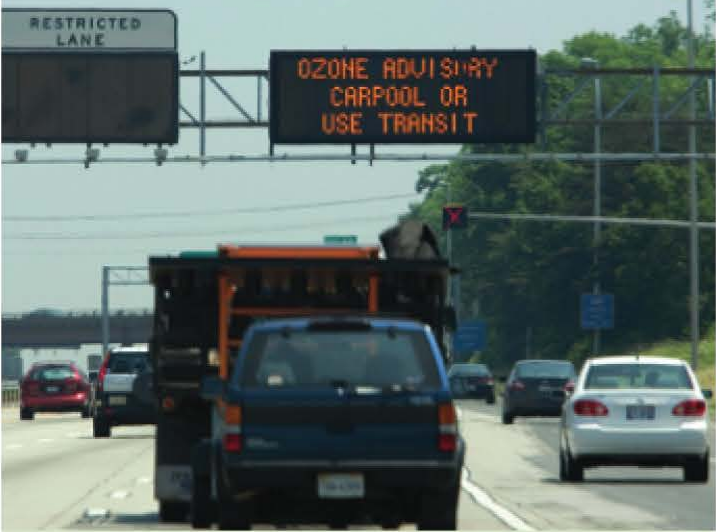
Electronic highway signs display ozone warnings when air quality becomes a health concern.
Other concentration units on consumer products
You'll often see different concentration units on everyday products in supermarkets and pharmacies. These units are chosen because they're practical and familiar to consumers.
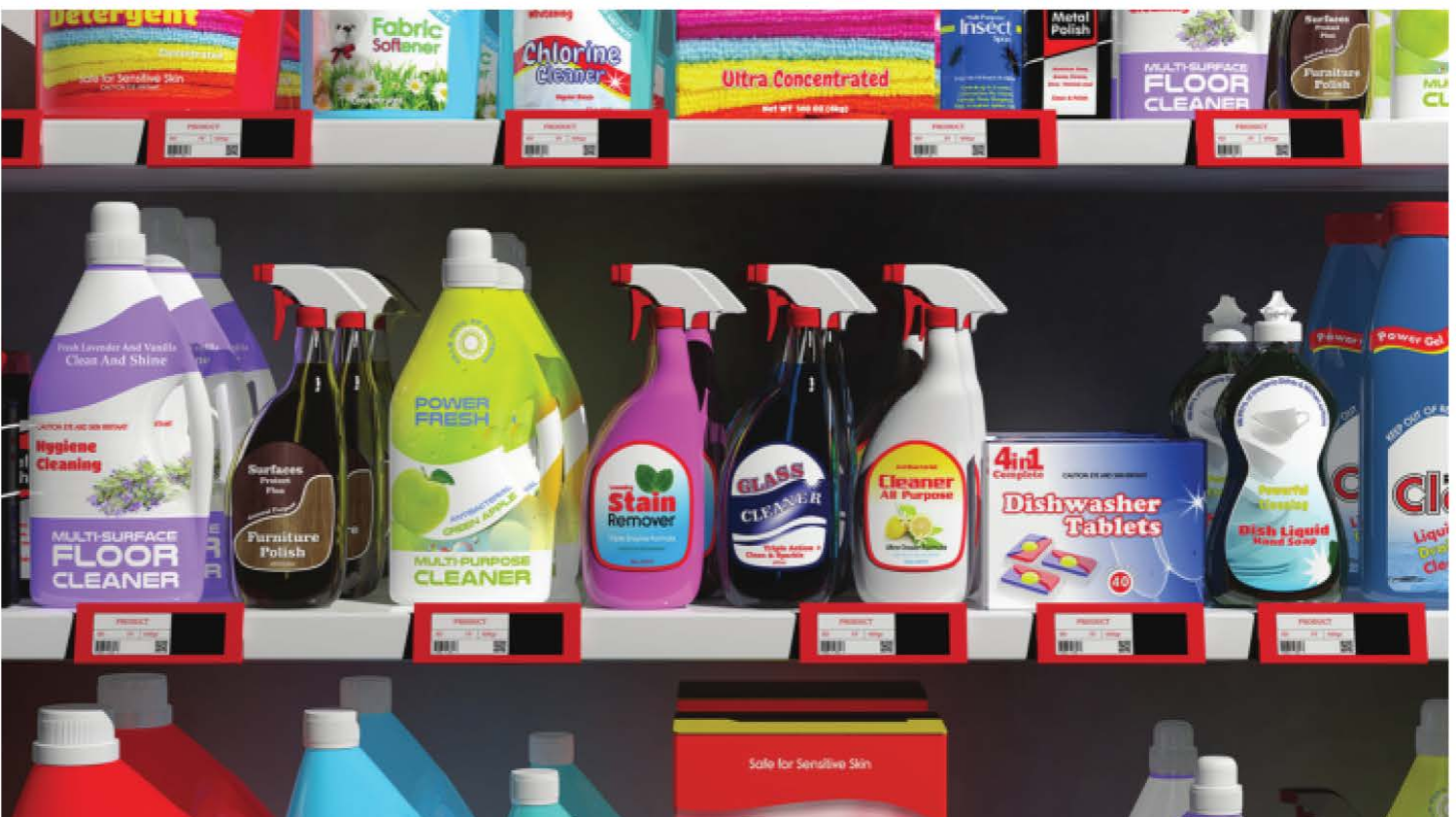
Household cleaning products display various concentration units on their labels.
Percentage by volume: % (v/v)
This unit is used when both the solute and solution are measured by volume, typically for liquid solutes. The volumes must use the same units.
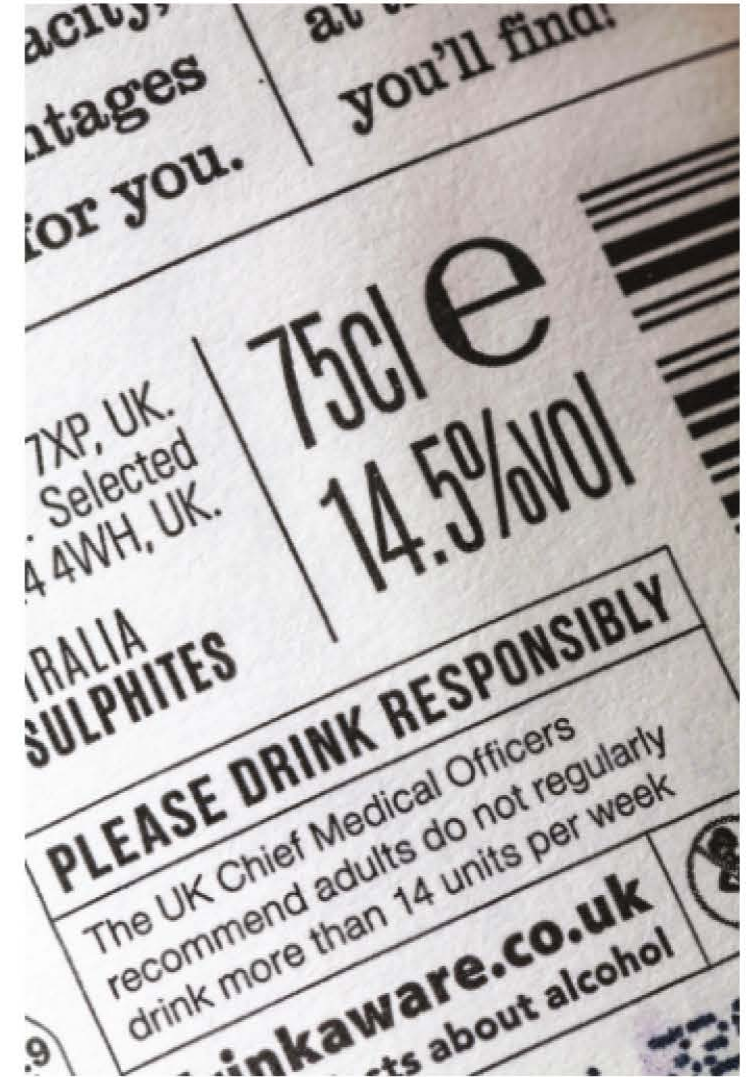
Wine labels show alcohol content as a percentage by volume. A wine labeled (v/v) contains of alcohol in every of wine.
Example
Worked Example: Calculating % (v/v)
If of champagne contains of alcohol, what is the concentration?
Solution:
Answer: The concentration is 14% (v/v)
Percentage mass/volume: % (m/v)
This unit expresses the mass of solute in grams that is present in 100 mL of solution. Sometimes you'll see this written as % (w/v) on product labels, where "w" stands for weight.

A saline drip used in medical procedures typically contains sodium chloride at a concentration of (m/v), meaning of the solution contains of dissolved salt.
Concentration in moles per litre ()
While units like and percentages appear on consumer products, chemists prefer a different unit for laboratory work: moles per litre, or . This unit is also called molarity and given the symbol M.
The reason chemists favour this unit is that it allows direct comparison of the number of particles (atoms, molecules, or ions) in solutions. This makes quantitative calculations much easier.
The formula for molar concentration is:
Using symbols, we write this as:
where is the concentration in , is the amount in moles, and is the volume in litres.
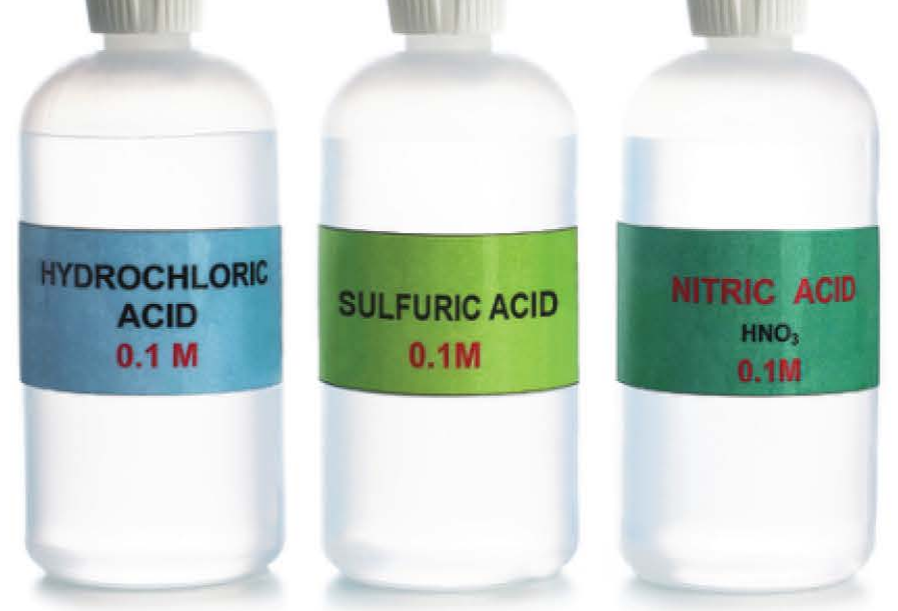
Laboratory bottles of dilute acids showing their concentrations in (or M).
Understanding molarity
A solution with a concentration of (or ) contains one mole of solute dissolved in one litre of solution. We can describe this solution in several equivalent ways:
- It has a concentration of one mole per litre
- It has a concentration of
- It is molar
- It is
- It has a molarity of
For instance, a solution of hydrochloric acid contains moles of in of solution.
Important
Important note: Be careful not to confuse the unit symbol (for molarity) with the quantity symbol (for molar mass). Context will tell you which meaning applies.
Example
Worked Example: Calculating Molar Concentration
Calculate the molar concentration of a solution containing of potassium nitrate dissolved in of solution.
Step 1: Convert volume to litres
Step 2: Apply the formula
Answer: The concentration is 0.525 mol L⁻¹ or 0.525 M
Calculating molarity from mass of solute
Often you'll know the mass of a solute and need to calculate the molarity. This requires two main steps:
- Calculate the number of moles of solute from its mass using
- Calculate the concentration using the number of moles and volume using
Example
Worked Example: Molarity from Mass
Find the concentration of a solution containing of silver nitrate () dissolved in of solution.
Step 1: Convert volume to litres
Step 2: Convert mass to grams
Step 3: Calculate molar mass
Step 4: Calculate moles
Step 5: Calculate concentration
Answer: The concentration is 6.59 × 10⁻⁴ M
Calculating moles of solute in a solution
We can rearrange the molarity formula to find the number of moles of solute in a solution of known concentration and volume:
where is the amount in moles, is the concentration in , and is the volume in litres.
Example
Worked Example: Finding Moles from Concentration
Calculate the amount of ammonia () in of a ammonia solution.
Step 1: Convert volume to litres
Step 2: Calculate moles
Answer: The amount of ammonia is 8.19 × 10⁻³ mol
Dilution of solutions
Many commercial products, from pesticides to cleaning products, are sold as concentrates. This reduces transportation costs and gives users flexibility to prepare solutions of different strengths as needed.
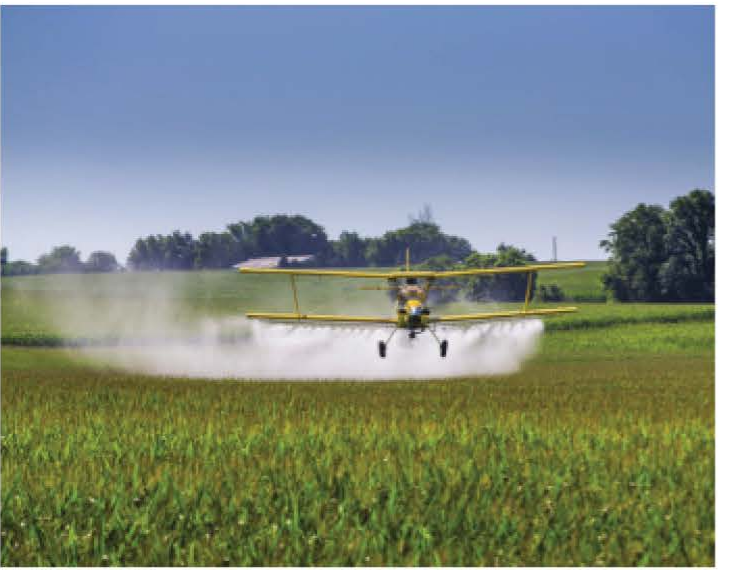
Agricultural pesticide solutions are prepared by diluting concentrated stock solutions.
Common examples of dilution include:
- Adding water to cordial before drinking
- A laboratory technician preparing hydrochloric acid from concentrated acid
- A gardener diluting fertiliser concentrate for lawn application
- A farmer diluting weedkiller for crop spraying
- Kitchen staff diluting concentrated detergent for dishwashing
Understanding the dilution process
Dilution is the process of adding more solvent to a solution, which decreases its concentration. The crucial point to understand is that dilution doesn't change the amount of solute present - it only changes how spread out the solute particles are.
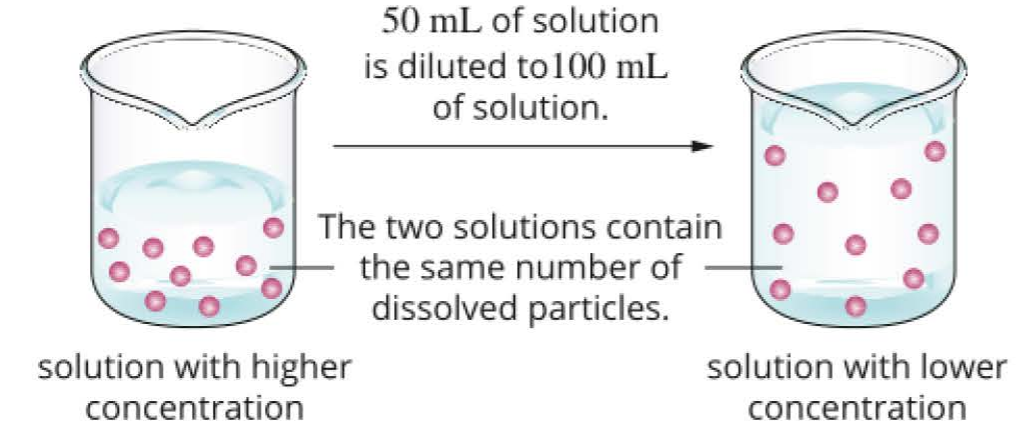
When we dilute a solution by adding more solvent, the solute particles become more spread out, but their total number remains the same.
For example, if of water is added to of sugar solution, the amount of sugar stays the same, but the volume doubles. The concentration therefore halves to .
The dilution formula
Because the amount of solute remains constant during dilution, we can derive a useful relationship. If we start with volume at concentration , the amount of solute is:
After dilution to volume at concentration , the amount of solute is:
Since (the amount of solute hasn't changed):
Note
This formula works with any concentration and volume units, as long as the units are consistent on both sides of the equation.
Example
Worked Example: Dilution Calculation
What is the concentration when of water is added to of ?
Step 1: Identify initial values
Step 2: Calculate final volume
Step 3: Rearrange formula
Step 4: Calculate
Answer: The final concentration is 0.40 M
Safety when diluting strong acids
Important
Critical Safety Information
Diluting concentrated acids requires special care because the process is highly exothermic (releases a lot of heat). Laboratory personnel must follow strict safety protocols:
- Work in a fume cupboard
- Have a spill response plan ready
- Wear goggles, gloves, and a lab coat
- Add acid gradually in small amounts with constant stirring
- Rinse all equipment thoroughly after use
- Label and store solutions appropriately
- Always add acid to water, never water to acid
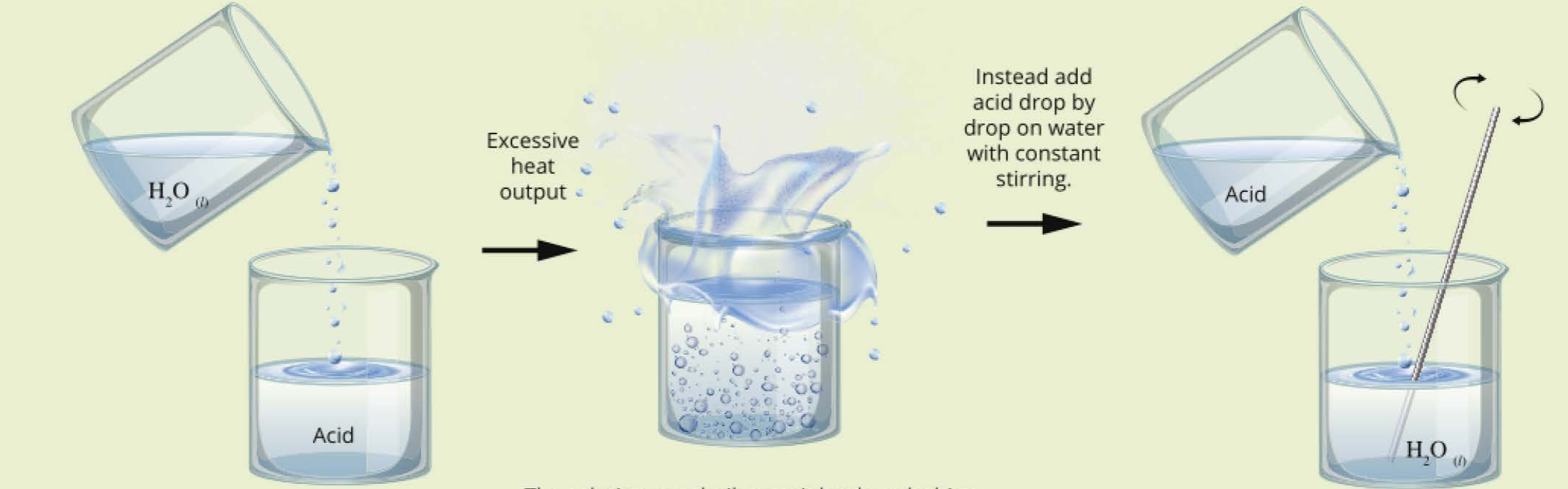
The golden rule: always add acid to water. Adding water to concentrated acid can cause violent boiling and splashing of dangerous acid.
The reason for adding acid to water (not the reverse) is that concentrated acid is denser than water. When acid is added to water, it sinks and mixes naturally. The heat generated disperses throughout the water. If water were added to acid, the heat would be concentrated at the interface between the liquids, potentially causing violent boiling and ejection of hot, concentrated acid.
Converting between concentration units
Sometimes we need to convert a concentration from one unit to another. This can be done systematically by working through a series of steps.
Example
Worked Example: Converting Molarity to % (m/v)
Convert a solution of to % (m/v).
Step 1: Calculate moles in
Step 2: Calculate mass in
Step 3: Calculate mass in
Step 4: Express as percentage Since contains , the concentration is 1.17% (m/v)
Summary
Key Points to Remember:
-
Concentration describes the ratio of solute to solvent in a solution. Concentrated solutions have high ratios; dilute solutions have low ratios.
-
Different concentration units suit different purposes: for mass-based measurements, for trace amounts, % (v/v) and % (m/v) for consumer products, and (molarity) for chemistry calculations.
-
Key formulas to remember:
- (molarity)
- (moles from concentration)
- (dilution)
-
Dilution doesn't change the amount of solute, only how spread out it is. This is why the dilution formula works.
-
Safety first when diluting acids: Always add acid to water, never the reverse, to prevent dangerous splashing from excessive heat generation.