Oxfam (VCE SSCE Health and Human Development): Revision Notes
📚Revision Notes
Oxfam
Introduction to Oxfam Australia
Oxfam Australia came into being through the combination of two prominent Australian international development organisations: Community Aid Abroad (established in 1953) and the Australian Freedom from Hunger campaign (established in 1960). Today, it stands as one of Australia's largest international development organisations, functioning as a secular, not-for-profit, non-government organisation (NGO). The organisation operates programmes in more than 30 countries worldwide.
Note
What does secular mean?
A secular organisation is not concerned with religion or religious matters. Oxfam works with people of all faiths and backgrounds, focusing on humanitarian principles rather than religious affiliation.
Oxfam's vision and purpose
Oxfam's vision is to create a just world without poverty. In this world, people would be able to influence the decisions that affect their lives, enjoy their rights, and assume their responsibilities. It is a world where everyone is valued and treated equally.
The organisation's purpose is to help create lasting solutions to the injustice of poverty. Oxfam is part of a global movement for change that empowers people to create a future that is secure, just, and free from poverty.
What is a just world?
According to Oxfam Australia, a just world is one where people can exercise their basic rights. These fundamental rights form the foundation of Oxfam's work and guide all their development programmes.
Important
Five Fundamental Rights
Oxfam believes everyone should have access to:
- The right to life and security
- The right to a sustainable livelihood
- The right to be heard
- The right to have an identity
- The right to have access to essential services
Without these basic rights, people cannot escape poverty or achieve their full potential.
Activities of Oxfam Australia
Oxfam Australia engages in several key activities to achieve its vision and purpose. These activities work together to address both immediate needs and long-term systemic issues, creating comprehensive solutions to poverty and injustice.
Long-term development projects
Oxfam Australia collaborates with partner organisations and communities to deliver sustainable self-help development projects across 30 countries worldwide. The organisation also works within Australia, particularly focusing on improving conditions for Aboriginal and Torres Strait Islander peoples. These projects aim to create lasting change by empowering communities to develop their own solutions.
Note
Self-help development projects are designed to be sustainable because they build local capacity and ownership. Rather than creating dependency, these projects equip communities with the skills, knowledge, and resources to continue improving their own lives long after Oxfam's direct involvement ends.
Responding to emergencies
Working in close partnership with other Oxfam organisations, Oxfam Australia provides humanitarian assistance during emergency situations around the world. This includes providing essential services such as clean water and sanitation facilities to people affected by disasters or conflicts.
Campaigning for a more just world
Oxfam Australia's campaigns target the underlying causes of poverty and injustice. Rather than only addressing symptoms, these campaigns seek to change the systems and structures that perpetuate inequality and poverty.
Important
Oxfam recognizes that providing immediate aid alone is not enough. True change requires addressing the root causes of poverty, including unfair economic systems, discriminatory laws, and unequal power structures. This is why campaigning and advocacy are central to Oxfam's approach.
Involving the Australian community
Through events, fundraising activities, and public campaigns, Oxfam Australia encourages Australians to participate in the fight against poverty and injustice. This involvement helps raise awareness and generates support for development work.
Oxfam Australia shops
These shops sell unique handicrafts from countries such as Swaziland, Peru, and India. The sales support people who live with poverty and injustice, providing them with fair income opportunities.
Ethical investment, banking and travel
Oxfam Australia promotes economic and social justice by selling fair trade goods through its shops and supporting ethical banking practices and responsible travel options.
How Oxfam promotes health and wellbeing and human development globally
Oxfam Australia is committed to creating change across 30 countries in South and East Asia, Southern Africa, and the Pacific Region. The organisation employs multiple approaches to promote health, wellbeing, and human development, working at both individual and systemic levels.
Emergency assistance
During emergency situations, Oxfam Australia provides life-saving assistance to people in need. This work encompasses multiple essential services that address immediate survival needs.
Note
Emergency Services Provided by Oxfam
- Provision of clean water
- Sanitation facilities
- Food distribution
- Health services
- Nutrition advice
These services are provided either directly by Oxfam or through partnerships with other national or international organisations, ensuring rapid and effective response to crises.

Post-disaster and post-conflict development
Following natural disasters or conflicts, Oxfam Australia works with people and communities to develop long-term projects. These projects help rebuild lives and reduce the risk of future disasters or conflict.
Example
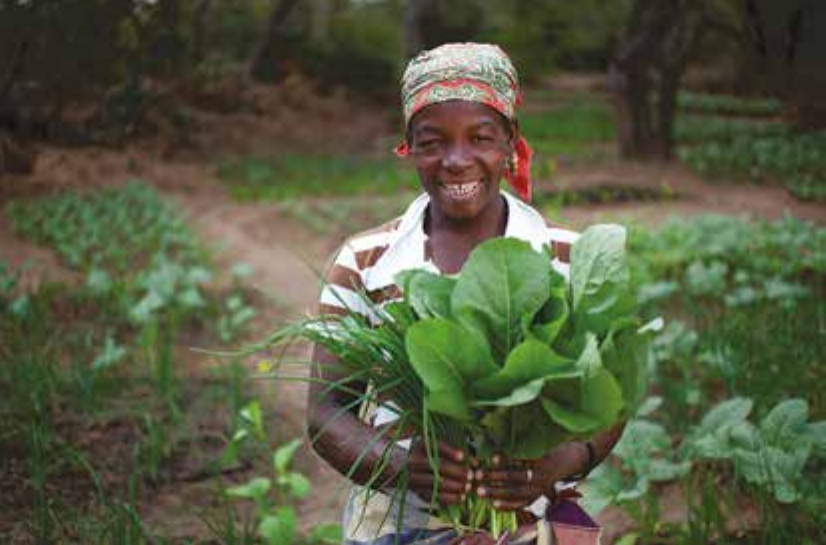
Worked Example: Building Resilience in Mozambique
The Challenge: Farming communities in Mozambique faced unreliable rainfall and poor crop yields, making them vulnerable to food insecurity.
Oxfam's Solution: Oxfam Australia partnered with local organisations to establish irrigation systems in affected communities.
The Impact:
- Increased potential for crop growth throughout the year
- Provided sustainable food sources for communities
- Reduced dependence on unpredictable rainfall
- Improved food security and community resilience
This example demonstrates how Oxfam's development work goes beyond immediate relief to create long-term, sustainable solutions.
Advocacy and influence
Oxfam seeks to influence governments, institutions, and businesses to develop and implement laws, policies, and practices that help people rise out of poverty. This advocacy work addresses systemic issues that perpetuate poverty and inequality.
Oxfam's six goals
All of Oxfam's work aims at one overall outcome: to bring about positive change in the lives of people living in poverty. The organisation focuses its efforts on six specific goals, each addressing a crucial aspect of poverty and injustice.
Goal 1: The right to be heard
This goal focuses on people claiming their right to a better life.
Why this is important:
When people have the power to claim their basic economic rights, they can escape poverty permanently. This core belief underpins all of Oxfam's development programmes. Working with partners and local communities, Oxfam helps people claim rights for themselves.
Important
Core Principle
Oxfam believes that lasting change comes from empowering people, not creating dependence. By helping people develop the skills, knowledge, and confidence to claim their own rights, Oxfam creates sustainable pathways out of poverty.
How it affects human development and health and wellbeing:
This goal contributes to improved human development by providing people with the skills, knowledge, and opportunity to participate in decisions that affect the life of their community. It promotes spiritual health and wellbeing as people feel part of and connected to their community.
By helping people escape poverty, this goal promotes health and wellbeing in multiple ways:
- People gain money to pay for food, water, clothing, shelter, and healthcare, promoting physical health and wellbeing
- Escaping poverty improves emotional and mental health and wellbeing by removing the stress associated with being unable to access necessary resources
Goal 2: Advancing gender justice
This goal aims to promote equality and empower women and girls.
Why this is important:
Human development is driven by empowered women. However, women and girls remain massively under-represented and often oppressed. Oxfam works to assist women and girls to speak out, demand justice, and assert their leadership. The right to gender justice underpins all of Oxfam's work.
Important
Gender Justice is Essential
Women make up half the world's population but often have far less than half the power, resources, and opportunities. When women are empowered, entire communities benefit. Studies show that when women have more control over household resources, children's health and education outcomes improve significantly.
How it affects human development and health and wellbeing:
This goal promotes health and wellbeing because women are often victims of violence and frequently have limited resources. Women are more likely to miss out on food as they often feed family members before themselves. Gender equality leads to improved social, mental, and emotional health and wellbeing as women and girls have opportunities to be happy and enjoy life.
Human development is promoted as women can enjoy a decent standard of living and can participate in the lives of their community.
Goal 3: Saving lives now and in the future
This goal addresses both immediate crises and long-term disaster risk reduction.
Why this is important:
Oxfam assists people caught up in natural disasters and conflict by typically providing clean water, food, and sanitation in disaster zones. Oxfam strives to ensure that civilians are protected. The organisation also seeks to reduce the risk to poor people of future disasters by continuing to work with them long after the immediate crisis is over, developing long-term solutions and poverty reduction strategies.
Note
Two-Pronged Approach
Oxfam's emergency work has two critical components:
- Immediate response: Providing life-saving assistance during crises
- Long-term resilience: Working with communities after the crisis to reduce vulnerability to future disasters
This approach recognizes that true humanitarian work doesn't end when the emergency does—it continues until communities are stronger and more resilient.
How it affects human development and health and wellbeing:
This goal promotes health and wellbeing by ensuring people have the necessary basics to survive in times of crisis. Working to reduce the risks associated with future disasters helps promote human development by helping people achieve a decent standard of living and live a long and healthy life.
Goal 4: Sustainable food
This goal works to ensure everyone has enough to eat.
Why this is important:
To stop people going hungry, Oxfam works to secure food supplies so that people always have enough to eat. Almost one billion people go to bed hungry every night, not because there isn't enough food, but because of the deep injustice in the way the food system works.
Important
The Food Paradox
The world produces enough food to feed everyone on the planet. The problem is not scarcity—it's inequality and injustice in food distribution, access to land and resources, and market systems that favour the wealthy. This is why Oxfam focuses on changing food systems, not just providing food aid.
How it affects human development and health and wellbeing:
Food is essential for good health and wellbeing. By ensuring people have enough to eat, malnutrition is reduced, which promotes physical health and wellbeing. When people are physically healthy, their emotional and social health and wellbeing are improved.
Human development is also promoted when people are healthy, as they can go to work and children can attend school. This improves knowledge and helps create opportunities for people to participate in the life of their community and be empowered to have control over the decisions that affect their lives.
Goal 5: Fair sharing of natural resources
This goal addresses environmental justice and climate change.
Why this is important:
Natural resources are vital for prosperity, but poor people are often not getting their fair share. This situation is worsened by the impacts of climate change. Oxfam lobbies governments, international organisations, and corporations for fairer land policies and action on climate change.
Important
Climate Justice
Climate change disproportionately affects poor communities who have contributed least to the problem. These communities often lack the resources to adapt to changing conditions. Oxfam advocates for climate justice—the principle that those who have contributed most to climate change should take the greatest responsibility for solving it and supporting affected communities.
How it affects human development and health and wellbeing:
Climate change has the capacity to reduce health and wellbeing and therefore human development. Access to food can be affected by changes in climate. Global warming and rising sea levels can result in people having to relocate as their homes and farms become flooded. Rates of infectious diseases can also increase. When people are ill, they are unable to work and attend school.
Therefore, lobbying for action on climate change has the potential to promote health and wellbeing and human development globally.
Goal 6: Financing for development and universal essential services
This goal focuses on ensuring governments fund essential services for all people.
Why this is important:
Being able to access basic services such as health and education is essential to people's health and wellbeing and to human development. Oxfam works to ensure that governments provide finances necessary to sustain basic services for poor people.
Note
Why Government Funding Matters
Many developing countries lack the resources to provide universal healthcare and education without international support. Oxfam advocates for:
- Increased development aid from wealthy nations
- Fairer international tax systems that prevent tax avoidance
- Debt relief for poor countries
- Domestic resource mobilization in developing countries
These efforts aim to ensure sustainable, long-term funding for essential services.
How it affects human development and health and wellbeing:
Access to healthcare is essential for promoting health and wellbeing. Women and children's health and wellbeing depends upon health checks being undertaken before, during, and after birth. Access to basic medicines ensures people can recover quickly from ill health.
Access to vaccinations promotes health and wellbeing and ensures that children are healthy enough to attend school, enabling women to work and earn an income to escape from poverty.
Human development is promoted as increased education and knowledge contributes to greater empowerment and the ability to contribute to social and political life within the community. People can enjoy a decent standard of living.
Summary of Oxfam's goals
| Goal | Focus area | Key impact |
|---|---|---|
| 1. Right to be heard | Economic rights and community participation | Empowerment, poverty reduction, improved mental and spiritual wellbeing |
| 2. Gender justice | Women's rights and equality | Reduced violence, improved access to resources, community participation |
| 3. Saving lives | Emergency response and disaster risk reduction | Survival during crises, long-term resilience |
| 4. Sustainable food | Food security and nutrition | Reduced malnutrition, improved physical health, ability to work and learn |
| 5. Fair sharing of natural resources | Climate action and environmental justice | Protection from climate impacts, maintained livelihoods |
| 6. Finance for development | Access to healthcare and education | Improved health outcomes, increased knowledge, poverty escape |
Summary
Key Points to Remember:
- Oxfam Australia is a secular, not-for-profit NGO working in over 30 countries to create a just world without poverty
- A just world is one where people can exercise their basic rights: life and security, sustainable livelihood, being heard, having an identity, and accessing essential services
- Oxfam engages in six main activities: long-term development projects, emergency response, campaigning, community involvement, operating shops, and promoting ethical practices
- The six goals of Oxfam address the right to be heard, gender justice, saving lives, sustainable food, fair sharing of natural resources, and financing for development
- Each goal directly contributes to improving both health and wellbeing (physical, mental, emotional, social, and spiritual) and human development (knowledge, decent standard of living, participation in community life)
- Oxfam's approach combines immediate humanitarian assistance with long-term systemic change, recognizing that lasting solutions require addressing root causes of poverty and injustice