Red Cross (VCE SSCE Health and Human Development): Revision Notes
📚Revision Notes
Red Cross
Introduction to the Red Cross
The Red Cross was established at the beginning of World War I. Initially, Red Cross volunteers prepared parcels containing soap, toiletries, games, and food for sick and wounded soldiers. Many volunteers also provided care in hospitals throughout Australia during the war.
Today, the Australian Red Cross is part of the International Red Cross and Red Crescent Movement, which operates in 189 countries worldwide. The organisation's aim is to improve the lives of vulnerable people in Australia and internationally by mobilising the power of humanity.
Operating principles of the Red Cross
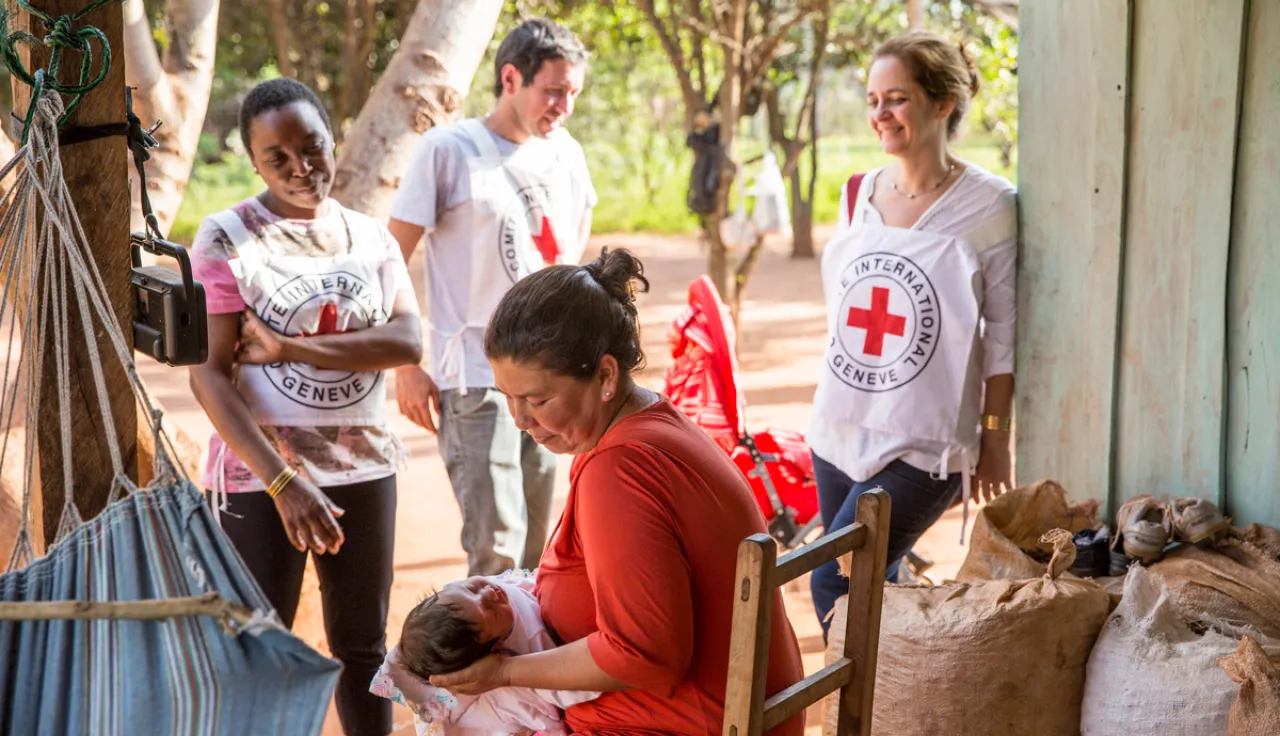
The Australian Red Cross operates under seven fundamental principles that guide all their work:
| Principle | Explanation |
|---|---|
| Humanity | - Provide assistance without discrimination to the wounded on the battlefield - Prevent and alleviate human suffering wherever it may be found - Protect life, health and wellbeing, and ensure respect for people - Promote mutual understanding, friendship, cooperation and lasting peace among all people |
| Impartiality | - Make no discrimination based on nationality, race, religious beliefs, class or political opinions - Work to relieve suffering based solely on people's needs - Give priority to the most urgent cases of distress |
| Neutrality | - Avoid taking sides in hostilities to maintain the confidence of all - Do not engage in controversies of a political, racial, religious or ideological nature |
| Independence | - Always maintain autonomy to act in accordance with the movement's principles |
| Voluntary service | - Operate as a voluntary relief movement - Not motivated by desire for financial gain |
| Unity | - Only one Red Cross or Red Crescent Society operates in any country - Must be open to everyone - Must carry on humanitarian work throughout the country's territory |
| Universality | - The International Red Cross and Red Crescent movement is worldwide - All societies have equal status - All societies share equal responsibilities and duties in helping each other |
Note
Exam tip: Remember these principles form the foundation of Red Cross work. Understanding how they guide the organisation's activities will help you explain why Red Cross operates in certain ways and how it maintains trust across different communities and conflicts.
How the Red Cross promotes health and wellbeing and human development
The Australian Red Cross works to save lives, alleviate human suffering, and protect dignity, especially during disasters, armed conflicts and other humanitarian crises. Through these efforts, it promotes both health and wellbeing and human development.
Note
The organisation's international aid program focuses largely on the Asia-Pacific region, which is home to two-thirds of the world's population and includes some of the most disaster-prone countries on earth. The Australian Red Cross always works through partnerships with National Red Cross and Red Crescent Societies in other countries.
The Red Cross works in three main areas to promote health and wellbeing and human development.
Reducing the impact of disasters
The Red Cross helps communities prepare for, respond to, and recover from disasters through several approaches:
Preparation and prevention
- Helping communities identify disaster risks
- Supporting communities to take practical steps to reduce these risks (such as clearing dams or building floodwalls)
- Supporting local humanitarian organisations to become first responders in their own communities
- Training volunteers and developing emergency response plans
Emergency response
- Distributing relief supplies
- Organising emergency shelter
- Providing health care and first aid
Recovery and resilience
- Working towards longer-term recovery
- Building community resilience for future disasters
Example
Worked Example: Cyclone Yasi in Fiji (2020)
Before the cyclone hit, Red Cross helped people in coastal areas evacuate, reinforced homes against winds and rain, and ensured relief supplies were ready for rapid distribution.
After the storm, Red Cross volunteers quickly reached affected communities and distributed:
- Tarpaulins and tools for temporary shelters
- Kitchen sets
- Solar lights
- Blankets
- Hygiene items
How this promotes health and wellbeing:
- Preventing or reducing disaster impact saves lives and reduces human suffering, improving overall health and wellbeing
- Protecting towns and villages from damage safeguards families' livelihoods and reduces poverty risk
- Restoring safe water supplies prevents waterborne illnesses, promoting physical health and wellbeing
- Reducing infrastructure damage means children can continue attending school
How this promotes human development:
- Empowering people with knowledge and skills to prepare for disasters enables them to take control of decisions affecting their lives
- Providing tools and training for rebuilding homes empowers people and develops their skills for independence
- Maintaining access to education supports ongoing development
Meeting humanitarian needs in crises
Where needed, the Australian Red Cross contributes to emergency relief operations for major disasters and armed conflicts around the world.
Examples of crisis response:
- In South Sudan, Australian nurses work in mobile surgical teams to treat people injured in armed conflict
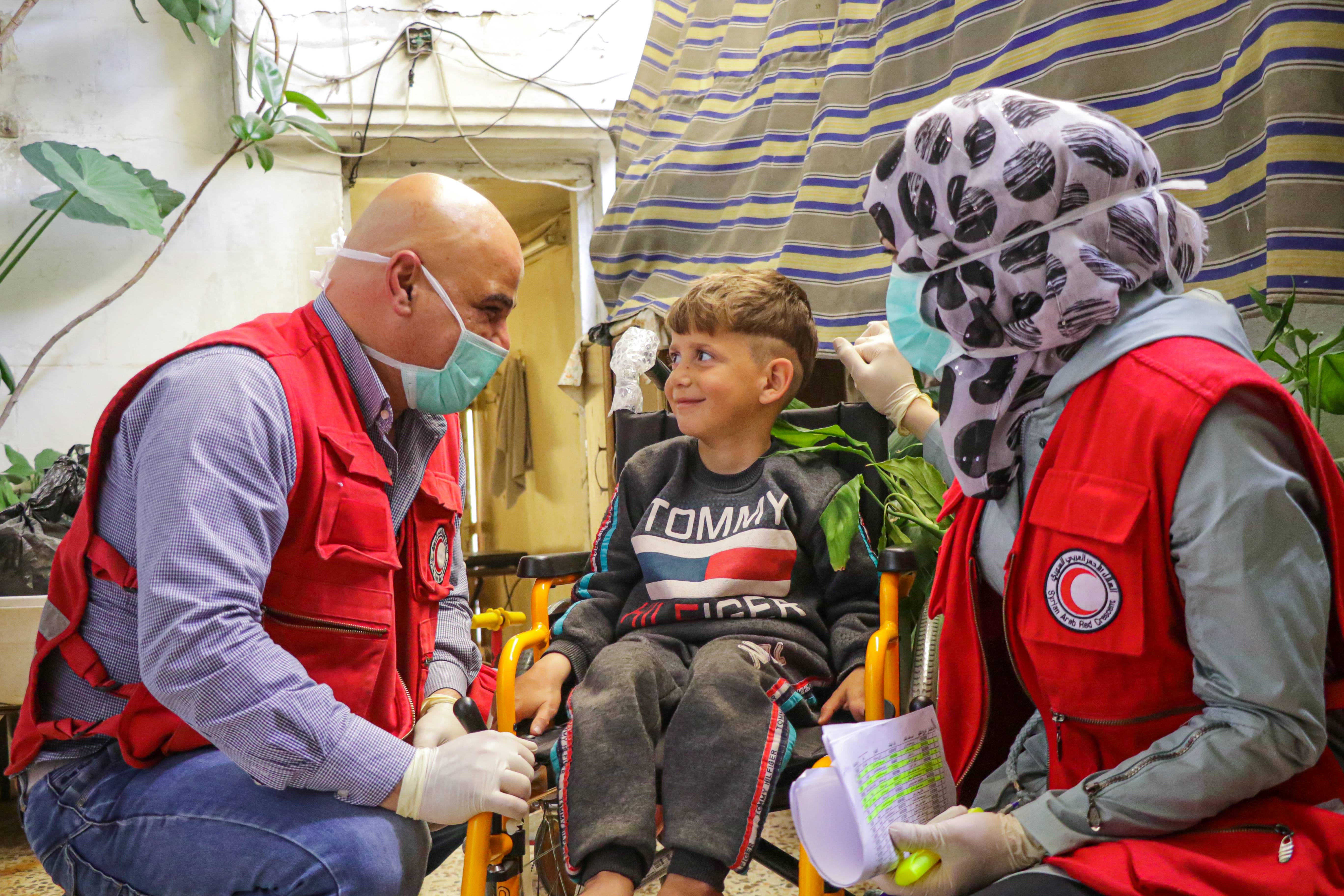
- In Syria, Red Cross provides hygiene kits and other emergency relief supplies to families fleeing ongoing violence
How this promotes health and wellbeing:
- Keeping people alive during crises is fundamental to health and wellbeing
- Treating injuries and illnesses helps people return to good physical health and wellbeing
- Improvements in physical health and wellbeing often lead to improvements in social, emotional and mental health and wellbeing
- Being cared for when sick or injured can contribute to spiritual health and wellbeing by developing a sense of belonging and connection
- Providing hygiene kits and emergency relief supplies keeps people alive and supports their physical and emotional health and wellbeing
How this promotes human development:
- Emergency care and support during crises enables people to survive and eventually rebuild their lives
- Providing immediate assistance creates conditions for people to regain control over their circumstances
Health and wellbeing (water, sanitation and hygiene)
The Red Cross supports communities to identify practical solutions to common but devastating illnesses and injuries. This work includes:
- Providing first aid training in Myanmar to prevent fatalities from snakebites
- Preventing the spread of diseases such as Ebola in West Africa
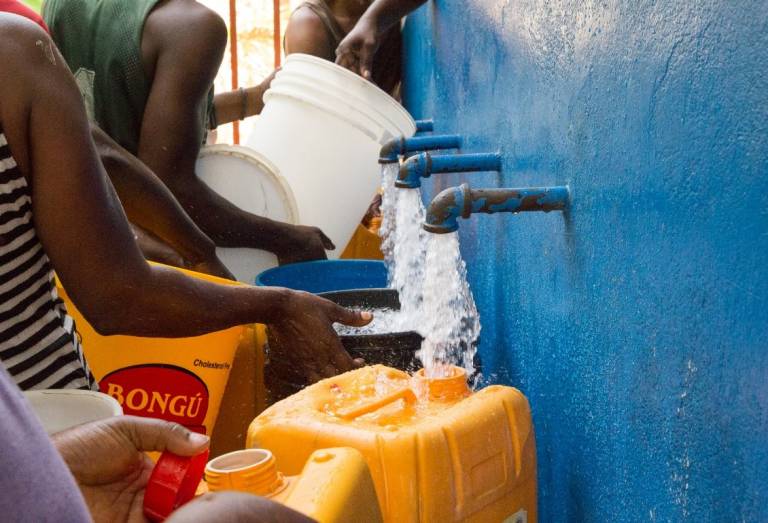
- Providing safe drinking water, sanitation facilities and hygiene training in remote villages to reduce child mortality from diarrhoea
Working with vulnerable populations
In all programs, the Australian Red Cross prioritises working with the most vulnerable people, who are often women, children and people with disabilities. The organisation uses its skills, knowledge and resources to help these groups achieve safe and dignified lives. It also acts as a broker of knowledge and resources for its humanitarian partners around the world.
How this promotes health and wellbeing:
- Reducing illnesses and injuries promotes physical health and wellbeing and prolongs life
- Safe drinking water and sanitation reduce the risks of waterborne diseases and illness, promoting physical health and wellbeing
- Working with the most vulnerable ensures that neglected populations, who are less likely to have necessities for good health and wellbeing, receive support
- Supporting vulnerable people to live with dignity creates conditions needed for wellbeing
How this promotes human development:
- The Red Cross works with communities and builds their knowledge and skills to empower them to become independent
- This approach provides the conditions necessary for human development by enabling people to have control over decisions that impact their lives
- Ensuring the most vulnerable are supported to develop their skills creates the conditions needed to promote human development
- Building community capacity for ongoing maintenance and management promotes self-sufficiency
Note
Exam tip: When explaining how Red Cross programs promote health and wellbeing or human development, be specific about which dimension of health and wellbeing is affected (physical, social, emotional, mental, spiritual) and explain the connection clearly. For human development, focus on empowerment, skills development, and enabling people to have control over their lives.
Case study: Measles outbreak in Samoa
Background
When a deadly measles outbreak hit Samoa, Red Cross volunteers were on the frontline supporting the community and helping stop the disease from spreading further. The outbreak was particularly serious because it affected such a small country, meaning everybody knew somebody who had been impacted.
The outbreak infected more than 5,700 people and killed 83, most of them children under five years of age.
Important
Partnership response
Samoa Red Cross was part of a coordinated response effort involving:
- Government agencies
- World Health Organisation
- International medical teams
- Australian Red Cross (sent aid workers)
- New Zealand Red Cross (sent aid workers)
Red Cross activities
With a state of emergency declared, Samoa Red Cross teams:
- Raised community awareness about the disease
- Encouraged people to get vaccinated
- Provided practical and emotional support
- Distributed hygiene kits
- Provided hygiene education to reduce disease spread
How this promoted health and wellbeing and human development in Samoa:
Health and wellbeing impacts:
- Vaccination campaigns helped prevent further infections, protecting physical health and wellbeing
- Hygiene education and kits reduced disease transmission, promoting physical health
- Emotional support helped people cope with the crisis, supporting mental and emotional health and wellbeing
- Community awareness raising reduced fear through knowledge, supporting mental wellbeing
- Treating those infected improved their physical health and wellbeing
Human development impacts:
- Providing education about the disease empowered communities with knowledge
- Building community awareness enabled people to make informed decisions about vaccination
- Supporting communities during the crisis helped maintain social cohesion and connections
- The partnership approach built local capacity for future health challenges
Summary
Key Points to Remember:
-
The Red Cross was established during World War I and now operates as part of a global movement in 189 countries
-
Seven fundamental principles guide Red Cross work: Humanity, Impartiality, Neutrality, Independence, Voluntary service, Unity, and Universality
-
The Red Cross focuses on three main work areas: reducing the impact of disasters, meeting humanitarian needs in crises, and improving health and wellbeing through water, sanitation and hygiene programs
-
All Red Cross work promotes health and wellbeing by saving lives, reducing suffering, treating illness and injury, and providing essential services like safe water
-
The Red Cross promotes human development by empowering communities with knowledge and skills, prioritising work with vulnerable populations, and enabling people to have control over decisions affecting their lives