The Australian Government’s Aid Priorities (VCE SSCE Health and Human Development): Revision Notes
📚Revision Notes
The Australian Government's Aid Priorities
Australia's aid program is structured around six key priorities that guide how the government provides assistance to low- and middle-income countries. These priorities work together to address poverty, improve health and wellbeing, and promote human development across the Indo-Pacific region and beyond.
Understanding these priorities is essential for grasping how Australia contributes to global development efforts. Each priority addresses specific challenges faced by developing nations and creates pathways for sustainable improvement in living conditions, economic opportunities, and social wellbeing.
The six aid priorities
The Australian government's aid initiatives are organised around six interconnected priorities. Each priority addresses different aspects of development and poverty reduction, working together to create comprehensive support for partner countries.
The six priorities are:
- Infrastructure, trade facilitation and international competitiveness
- Education and health
- Gender equality and empowering women and girls
- Building resilience: humanitarian assistance, disaster risk reduction and social protection
- Effective governance: policies, institutions and functioning economies
- Agriculture, fisheries and water
Important
Exam tip: It is crucial to name each priority accurately and completely. The meaning can change significantly if any components are left out or the wording is altered. Learn the exact phrasing of each priority to ensure precision in exam responses.
Infrastructure, trade facilitation and international competitiveness
Understanding infrastructure
Infrastructure forms the foundation of economic development in any country. It encompasses the physical and organisational systems that enable societies to function effectively. When we talk about infrastructure in the context of development aid, we refer to essential facilities and systems that support daily life and economic activity.
Infrastructure includes several key components:
- A reliable energy supply ensures homes, businesses, and public facilities can operate consistently
- Transportation systems, including roads, railways, ports and airports, enable the movement of people and goods
- Clean water systems provide safe drinking water to communities
- Accessible healthcare facilities ensure people can receive medical treatment when needed
- Telecommunications systems, including internet connectivity, allow for communication and access to information
Note
Good infrastructure creates multiple benefits for communities. It enables people to access markets where they can buy and sell goods, which is essential for economic participation. It facilitates trade by allowing efficient transportation of products, making them available for international commerce. Families can more easily access healthcare services when infrastructure connects communities to medical facilities. Children can attend school regularly when safe transportation routes exist. Infrastructure also helps people participate in political, social and cultural activities within their communities.
How Australia supports infrastructure development
Australia has implemented several significant infrastructure projects across partner countries. In July 2019, the government established the Australian Infrastructure Financing Facility for the Pacific (AIFFP). This facility assesses potential projects in critical sectors including renewable energy, telecommunications, airports and transport, general infrastructure, and flood prevention.
In Papua New Guinea, Australia has partnered with the government to reconstruct bridges and roads destroyed by cyclones. This work promotes economic growth by restoring vital transportation links. Similarly, in the Philippines, Australian aid has supported the construction of schools and health facilities, creating better access to education and healthcare.
Water and sanitation represent another crucial area of infrastructure support. In Indonesia, Australia provided funding for a water and sanitation system that resulted in more than 100,000 water connections and 14,000 sewerage connections for low-income households. This dramatically improved living conditions and public health outcomes for these communities.
Note
Recognising the importance of digital connectivity for modern economic development, Australia funded an undersea telecommunication cable from Australia to Papua New Guinea. This cable provides faster and more reliable internet connectivity, supporting economic growth and connecting communities to global information networks.
Trade facilitation and international competitiveness
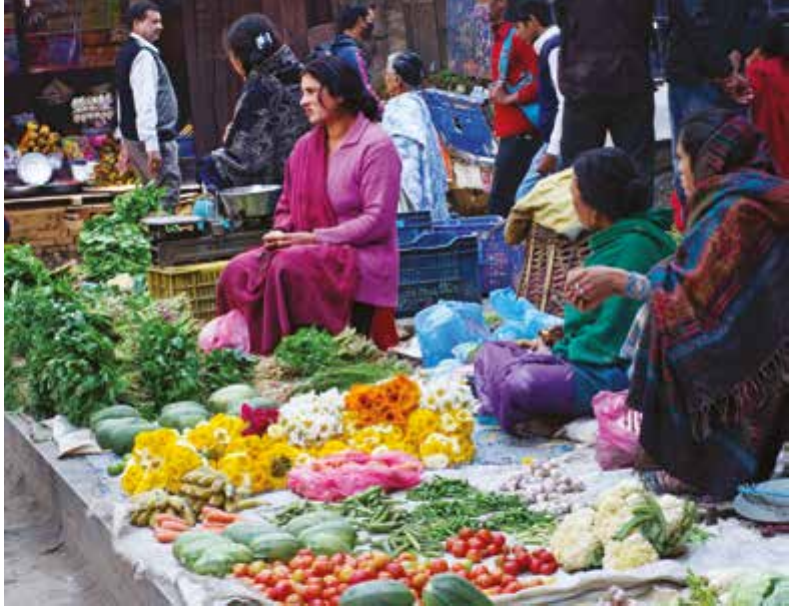
Economic development creates opportunities for decent employment and regular income, helping families escape poverty whilst building stronger national economies. When countries can participate in global trade markets, they experience increased economic growth and reduced poverty through the ability to buy and sell products and resources on the international stage.
This economic participation generates income at multiple levels. Families earn money to achieve a decent standard of living. Communities develop economic activity that creates local opportunities. Governments collect revenue that can be reinvested in infrastructure, health systems, and welfare programs for the population.
Through Australia's aid for trade program, the government works to build the capacity of low- and middle-income countries to participate in the global trading system. This involves supporting regulatory changes that make trade easier and building workforce skills that enable countries to compete internationally.
Note
Australia funds economists and other specialists to work directly with governments and private sector organisations in middle- and low-income countries. These experts help identify barriers to international trade and develop practical solutions. They also help promote trade agreements and increase trading opportunities between high-income and middle- and low-income countries. Additionally, they train local people to develop expertise in global trade policy and practice, building long-term capacity within partner countries.
Supporting the private sector
Economies grow when businesses start or expand in response to new opportunities. The private sector creates the majority of new businesses in low- and middle-income countries. Recognising this reality, Australia provides a significant portion of the aid budget to promote private sector growth.
Microfinance represents one effective strategy for private sector development. Microfinance involves small, low-cost financial services for people living in poverty. These services include low-interest loans to develop small businesses. Individuals, particularly women, can borrow small amounts of money to purchase the resources needed to start a business, such as a cow for dairy production or a sewing machine for garment making. This approach is highly effective in helping families escape poverty by creating sustainable income sources.
Australia also provides funding and education to help people in middle- and low-income countries improve their skills. This human capital development enables workers to participate more effectively in the economy and contribute to business growth.
Creating environments where businesses can compete internationally requires addressing multiple factors:
- Australia provides advice on business registration processes, helping countries streamline the steps needed to start a company
- Support for implementing contract laws creates legal frameworks that protect business transactions
- Australia helps establish institutions that provide support to businesses and ensure they have access to finance
Example
Recent Example: COVID-19 Response in Fiji
In response to COVID-19's economic impact, Australia helped partner countries adapt their economic activities. In Fiji, Australian aid worked with businesses to:
- Produce hand sanitiser and face masks
- Arrange food delivery and logistics for agricultural producers
- Maintain production and trade during the pandemic
This demonstrated the flexibility of Australia's private sector support programs.
Education and health
Education and health form critical foundations for improving lives, particularly for people living in poverty. These two areas create opportunities for individuals to participate in the economy and improve their living standards. Strong education and health systems contribute directly to human development and poverty reduction.
Education as an investment in development
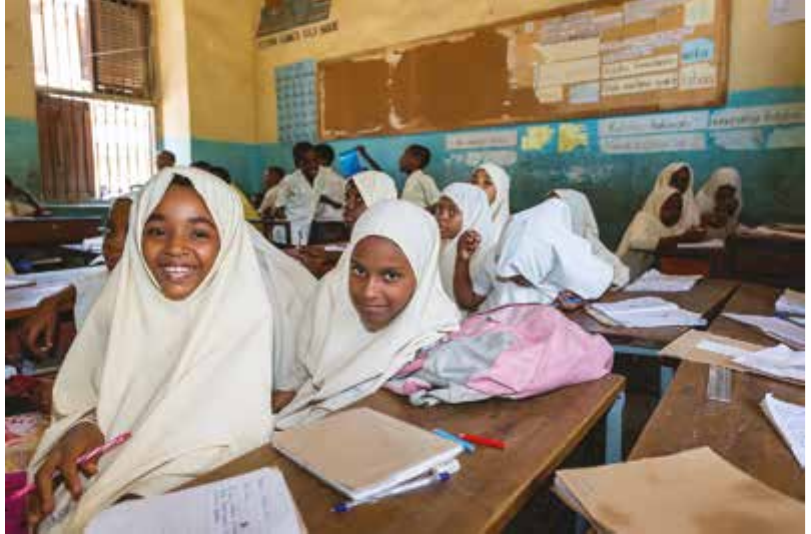
Education represents one of the most powerful investments that can be made to reduce poverty, improve health and wellbeing, and promote human development. When people receive education, they gain skills that enable them to contribute productively to their country's economy.
Important
The benefits of educating girls extend particularly far. Educated girls are likely to marry later in life and have fewer children. This timing contributes to better maternal health and wellbeing because their bodies are more mature and they face fewer health risks during pregnancy and childbirth. Improved child health and wellbeing results from educated mothers having better knowledge about nutrition, healthcare, and child development. Increased economic opportunities emerge as educated women can pursue employment and income-generating activities.
The positive effects continue across generations. Educated women are more likely to send their own children to school, creating an upward cycle of educational attainment that leads to improved economic growth. Education for people with disabilities is equally important, helping to reduce the significant disadvantage this group often experiences in society.
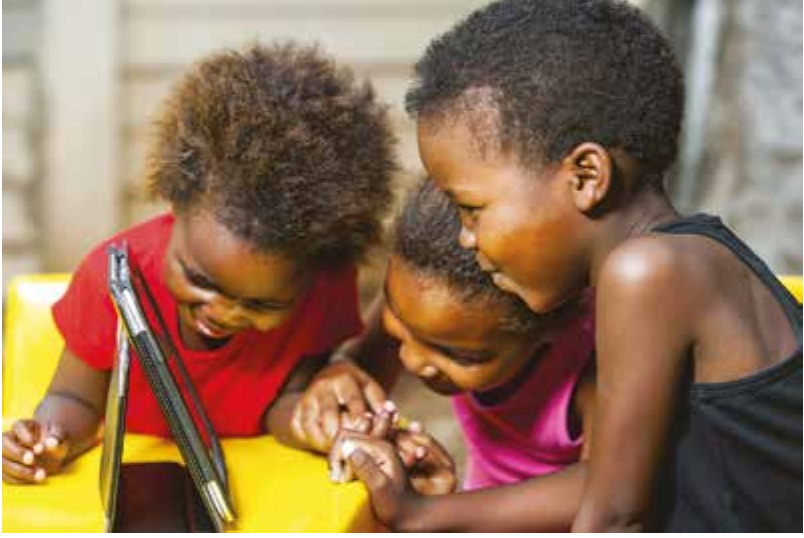
The Australian government has focused on providing education opportunities through multiple approaches:
- Increasing opportunities for girls to learn remains a priority across all education programs
- Australia supports teacher training and the development of high-quality curriculum and learning programs in countries including Indonesia, Laos, Timor-Leste, the Philippines, Papua New Guinea and Pacific Islands countries
- Specific initiatives fund assistance for children from ethnic minority groups in countries such as Laos, Myanmar and the Philippines to access education and training
- Investment in early childhood care focuses specifically on gender and disability inclusiveness, ensuring the most vulnerable children receive support from an early age
Australia invests in high-quality secondary and technical education, skills development and training designed to meet the needs of the job market and improve productivity. This ensures that education translates into employment opportunities. Programs specifically enable girls living in poverty and children with disabilities to attend school in countries including Indonesia, Bangladesh, Laos, Pakistan, the Philippines and across the Pacific.
Note
Beyond direct educational delivery, Australia strengthens the management and accountability of education policies and systems, helping countries build sustainable education sectors. The government contributes to the Global Partnership for Education, which works to improve access to education worldwide, including for children in conflict-affected countries.
Scholarships represent another important component of Australia's education support. These programs support young people from low- and middle-income countries to study in Australia, then return home to contribute to economic and social development with enhanced skills and knowledge.
Health as a foundation for development
Improving health and wellbeing forms the foundation for reducing global poverty. Healthier adults are more able to work productively and earn income for their families. Children free of disease are better able to learn at school and gain the skills needed to break out of poverty. The Department of Foreign Affairs and Trade (DFAT) focuses health and wellbeing work through five key areas:
- Strengthening public health systems for better service delivery and a better trained health workforce creates the infrastructure needed for sustainable health improvements
- Addressing health and wellbeing threats that cross national borders, such as preventable infectious diseases and drug-resistant strains of malaria and tuberculosis, protects entire regions from health crises
- Establishing more effective global health responses involves contributing to and influencing the work of global health initiatives and organisations
- Improving nutrition and access to clean water, sanitation and hygiene addresses fundamental determinants of health
- Fostering innovations in health and wellbeing enables responses to complex health challenges in the region, adapting to emerging needs
To address these priorities, the Australian government implements various health-focused initiatives. Australia has strengthened health systems in countries such as Papua New Guinea, Solomon Islands, Cambodia and Timor-Leste to deal with the threat of COVID-19. This support included helping countries prepare for and build capacity to respond to emerging health threats and emergencies, including COVID-19 and the Zika virus.
Note
Australia provides substantial funds to major global health organisations. These include the Global Health Fund to Fight AIDS, Tuberculosis and Malaria, the World Health Organization, and Gavi the Vaccine Alliance. Australia's partnership with Gavi is essential to the COVID-19 response. Gavi manages COVAX, which ensures low-income countries do not miss out on safe and effective COVID-19 vaccines.
Water and sanitation programs receive significant funding through initiatives like the Australian Civil Society WASH (Water, Sanitation and Hygiene) Fund. This fund supported 13 civil society organisations to deliver WASH programs in the Pacific, Asia and Africa. Future objectives for the WASH Fund focus on improving sustainable access to safe water, sanitation and hygiene, recognising these as fundamental health determinants.
Gender equality and empowering women and girls
Women and girls in low- and middle-income countries often lack the same opportunities available to men and boys regarding education, employment and decision-making that affects their lives. This inequality limits not only individual potential but also broader community development.
When women and girls are empowered, benefits extend throughout the entire community:
- Higher average incomes result as women participate more fully in the economy
- Greater levels of education emerge as educated women prioritise schooling for their children
- Healthier families develop because women with education and resources can better care for family health needs
Important
Without gender equality, countries are less likely to prosper economically and socially. Better educated women have fewer and healthier children and are more likely to send their children to school, leading to a more educated community overall. Providing female farmers with equal access to resources could reduce hunger for an extra 150 million people globally, demonstrating the enormous untapped potential in addressing gender inequality.
Three focus areas for gender equality
This priority concentrates on three main areas:
- Enhancing women's voice in decision-making, leadership and peace-building ensures women can influence the decisions and policies that affect their lives and communities
- Promoting women's economic empowerment creates opportunities for women to earn income and participate in economic life
- Ending violence against women and girls addresses a fundamental barrier to equality and development
Australia works collaboratively to eliminate gender inequality and empower women and girls through multiple initiatives. The establishment of the Gender Equality Fund strengthens work on gender equality and women's empowerment across partner countries. A campaign empowering Indonesian women addresses multiple interconnected issues: combating corruption, promoting gender equality, and addressing climate change in the Pacific.
Specific health initiatives include improving pregnancy and birth outcomes in Timor-Leste, where maternal health remains a significant challenge. The Pacific Women Shaping Pacific Development program focuses on enabling women and men across 14 Pacific nations to improve political, social and economic opportunities for women.
Note
The Investing in Women Initiative supports partnerships with government and the private sector in South-East Asia to expand women's economic participation. This creates sustainable change by working within existing economic structures. Programs to eliminate violence against women operate in Afghanistan, Pakistan, Cambodia, Timor-Leste, Papua New Guinea and across the Pacific, addressing this widespread barrier to development and wellbeing.
Recent adaptations demonstrate the flexibility of gender-focused programs. An emergency relief and resilience fund through Investing in Women helped women's small and medium enterprises in South-East Asia respond to the COVID-19 pandemic, ensuring economic disruption did not disproportionately harm women's economic participation.
Building resilience: humanitarian assistance, disaster risk reduction and social protection
Disaster preparedness, risk reduction and social protection work together to build the resilience of countries and communities. This resilience enables better withstanding of disaster impacts. Humanitarian assistance provides immediate support in crisis situations where life is at immediate risk.
Understanding humanitarian crises
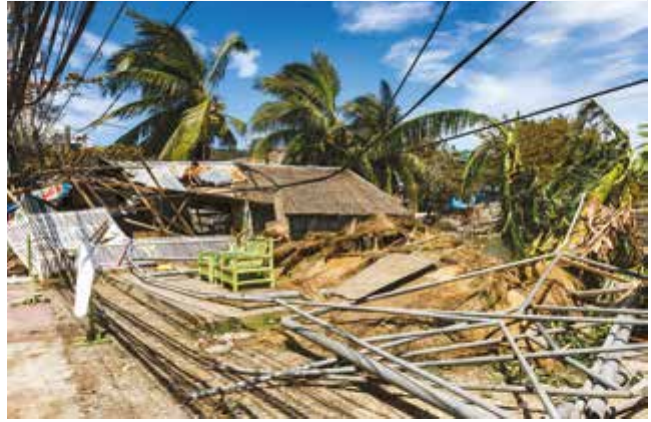
Humanitarian crises arise from various causes including earthquakes, bushfires, tsunamis, conflict and chemical spills. These situations affect development gains, increase poverty levels, and often result in instability lasting many years.
Note
The statistics illustrate the scale of humanitarian need:
- Since 2005, more than 700,000 people have been killed in disasters
- The number of people requiring humanitarian assistance has doubled in recent years
- In 2019, more than 79 million people were displaced by conflict, persecution, violence and violations of human rights
Humanitarian assistance
Australia's goal for humanitarian assistance focuses on saving lives, alleviating suffering and maintaining human dignity during and following humanitarian crises. Particular attention goes to protecting the most vulnerable, including women, children and people with disabilities.
Important
Most crises are difficult to predict, making it essential for countries to develop disaster resilience through effective planning and risk-management strategies. A system better able to cope with emergencies is more resilient and more likely to encourage private-sector investment, which reduces poverty levels.
To improve humanitarian assistance delivery, Australia implemented The Australian Humanitarian Partnership (AHP), a five-year partnership (2017-22) between DFAT and Australian NGOs. This partnership aims to deliver more effective, innovative and collaborative humanitarian assistance by using the networks and access of Australian NGOs to respond to natural disasters and crises in the region and beyond.
The Australian government provides humanitarian assistance in several ways:
- Working with partners to prepare for and respond to COVID-19 has included provision of water and sanitation infrastructure, medicines, ventilators and personal protective equipment
- Australia sends staff to affected areas to provide immediate support and emergency supplies such as medical kits, blankets, temporary shelter, food ration packs and drinking water
- Funding flows to NGOs such as the Red Cross, which provide assistance during times of crisis
- Australia works in partnership with the UN World Food Programme to deliver food addressing food insecurity across regions such as Africa
- In response to ongoing humanitarian crises where people are displaced by conflict, Australia provides food, shelter, water, sanitation and medical care
Disaster risk reduction
The Australian government works to reduce disaster risks by partnering with the governments of Indonesia, Papua New Guinea and the Philippines. Together they develop tools that model the impact of floods, earthquakes, volcanoes and tsunamis. These tools provide information for better risk-management structures, enabling countries to prepare more effectively for potential disasters.
Social protection
Social protection refers to programs that address risk, vulnerability, inequality and poverty through a system of transfers to people in cash or in kind. The transfers can take various forms, such as financial grants, food transfers, cash-for-work programs and school-feeding initiatives.
Social protection improves an individual's ability to cope with crises without resorting to survival measures that can entrench poverty. Following a crisis, cash transfers can provide resources helping people rebuild their lives without being forced into poverty. When people have some financial support, they can make better decisions about their recovery rather than taking desperate measures with long-term negative consequences.
Example
Social Protection in Action: COVID-19 Response
Australia provides social protection support in multiple ways. Assistance to countries helps them deliver social protection initiatives, extending economic lifelines to households, businesses and vulnerable groups directly affected by COVID-19. This support has been provided in Timor-Leste, Fiji, Tonga, Vanuatu, Indonesia and the Philippines.
In countries where social protection systems are still developing, including Laos, Cambodia and Myanmar, Australia provides foundational support to establish these systems. Working closely with reformers in government, Australia helps improve the efficiency and effectiveness of social protection systems, such as Indonesia's system.
Effective governance: policies, institutions and functioning economies
Governance encompasses the structures and processes designed to ensure accountability, transparency, rule of law, inclusiveness and broad-based participation in society. Governance affects virtually all aspects of a country's society and economy.
Stable, productive governments can work effectively to promote the health and wellbeing and human development of their populations. An effective government provides foundations for economic growth, private sector investment and trade. Well-functioning governments maintain law and order by ensuring disputes among citizens are settled peacefully and fairly. They deliver education and health services that build a skilled, productive and healthy workforce.
Important
Good governance contributes to global efforts to achieve equality, create conditions for improved human development, and assist in reducing global health issues. When governance is poor, human development outcomes are also poor. This relationship demonstrates why strengthening governance systems is essential for sustainable development.
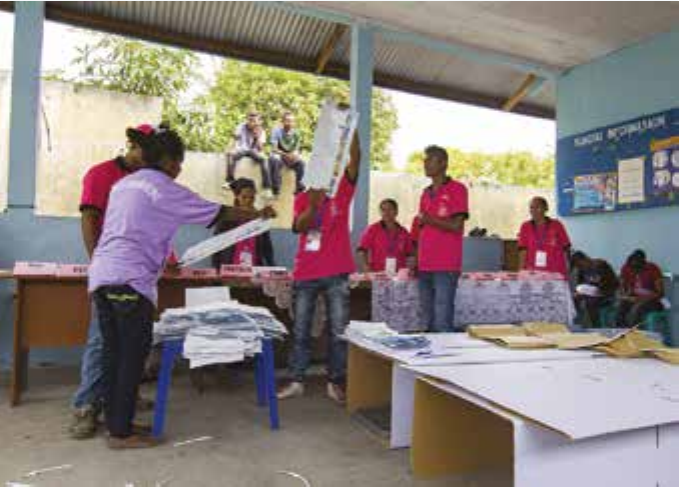
How Australia promotes effective governance
The Australian government promotes effective governance through various approaches. Australia provides advice to governments of low- and middle-income countries on financial management and the establishment of institutions such as health systems, police forces and legal systems. This institutional support creates the structures needed for effective governance.
Australia supports anti-corruption initiatives in the Indo-Pacific region, recognising that corruption undermines governance and diverts resources from development. Working with countries in the region, Australia helps develop administration processes and tax policies that enable governments to collect revenue and deliver services efficiently.
Note
Support for general elections in Papua New Guinea includes training and security coordination, ensuring democratic processes function properly. Australia helps countries such as the Solomon Islands improve budget processes, enabling them to meet debt obligations and increase their income through better financial management.
Training public servants represents another crucial element of governance support. In Papua New Guinea, Australia trains public servants in public administration skills such as record keeping, time management and staff supervision. These fundamental skills improve government efficiency and service delivery.
Agriculture, fisheries and water
Agriculture and fishing provide employment and income for millions of workers in middle- and low-income countries, particularly those living in rural areas. These industries also create opportunities for improving economic development by exporting products to other countries. Women often work as farmers in low- and middle-income countries and bear responsibility for water collection. Improving agricultural and water management practices therefore directly supports gender equality.
Global challenges in food and water
Important
The global demand for food is expected to rise 60 per cent by 2050 due to population increases and increasing wealth. This demand will place enormous pressure on current use of land, water, energy and fishery resources. Overfishing already threatens the long-term sustainability of the fishery industry.
Water scarcity poses particularly serious challenges. The demand for water is expected to increase by 55 per cent by 2050. By this time, 40 per cent of the world's population is predicted to be living in areas of severe water shortage. Water scarcity has the potential to become a source of conflict among countries, which could threaten global peace and stability. Effective management of water supplies is therefore critically important.
Three pillars of agriculture, fisheries and water support
This priority focuses on enhancing food, nutrition and water security and resilient agricultural practices through three main approaches:
- Strengthening markets helps increase small-scale farmers' and fishers' participation in global markets, encourages private sector investment, and develops more innovative practices
- Innovating for productivity and sustainable resource use improves productivity in all aspects of food and agriculture processes whilst promoting more efficient and sustainable use of natural resources
- Promoting effective policy, governance and reform assists partner countries to achieve more effective policy settings promoting sustainable and inclusive growth and open trade
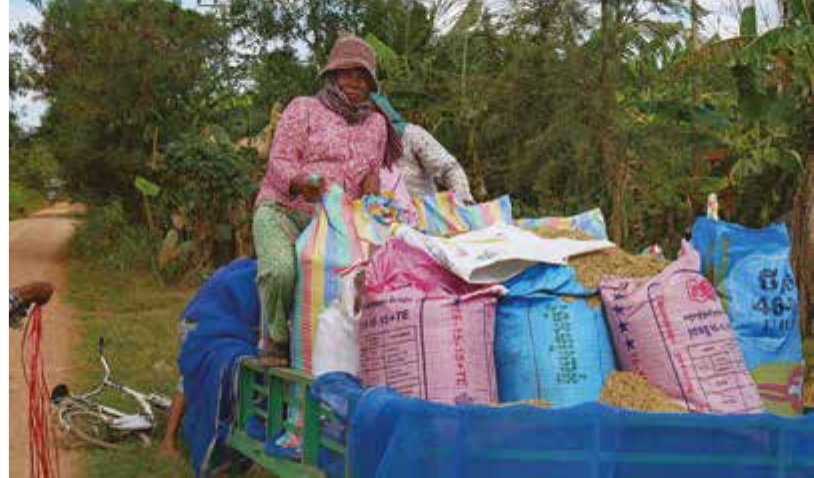
How Australia supports agriculture, fisheries and water
The Australian government works with partner governments, international organisations and the private sector to support agricultural development in low-income countries, particularly in the Indo-Pacific region. Australia helps maintain the diversity of food crops through contributions to the Global Crop Diversity Trust, protecting agricultural biodiversity for future generations.
Investment in agricultural and fisheries research occurs particularly through the Australian Centre for International Agricultural Research. This research aims to increase productivity, reduce losses after harvesting and make supply chains more efficient. Such improvements help more food reach people who need it whilst reducing waste.
Note
Australia supports small-scale farmers, fishers and entrepreneurs in countries such as Vietnam to meet their livelihood and food security needs. This grassroots support helps the people most directly involved in food production to improve their practices and incomes.
Water resource management receives support in countries including Myanmar, India and the Mekong region. Australia assists partner countries to manage water resources better, addressing the critical challenge of water scarcity and ensuring sustainable use of this vital resource.
Remember!
Summary
Key Points to Remember:
-
Australia's aid program is organised around six key priorities that all work together to reduce poverty and promote human development in low- and middle-income countries.
-
Infrastructure, trade facilitation and international competitiveness create the foundations for economic development by providing essential services, enabling trade, and supporting private sector growth including through microfinance.
-
Education and health represent critical investments in human development, with particular benefits from educating girls and strengthening health systems to address diseases and improve water, sanitation and hygiene.
-
Gender equality and empowering women and girls benefits entire communities through higher incomes, better education and healthier families, focusing on women's voice in decision-making, economic empowerment, and ending violence.
-
Building resilience through humanitarian assistance, disaster risk reduction and social protection helps countries and communities withstand crises and recover without falling deeper into poverty.
-
Effective governance provides the foundation for development by creating stable institutions, reducing corruption, and enabling governments to deliver services, whilst support for agriculture, fisheries and water addresses food security and sustainable resource management for future generations.