Types of Aid (VCE SSCE Health and Human Development): Revision Notes
📚Revision Notes
Types of Aid
Understanding aid and Official Development Assistance
When disasters strike or countries face long-term poverty challenges, various forms of assistance become crucial for survival and development. Aid refers to the assistance provided to countries or communities, either in response to immediate crises or to support the development of long-term sustainable improvements. This assistance plays a vital role in promoting health and wellbeing and supporting human development in low- and middle-income countries.
Note
Definition of Aid
Aid is assistance given to countries or communities in the event of a crisis or for the development of long-term sustainable improvements. It serves two main purposes: responding to immediate emergencies and building sustainable development for the future.
High-income countries like Australia provide Official Development Assistance (ODA), which is financial assistance given by donor government agencies to low- and middle-income countries or to multilateral aid agencies. ODA is simply another term for aid and represents a formal commitment by wealthier nations to support global development.
There are three main categories of aid that work together to address different needs and situations: emergency or humanitarian aid, bilateral aid, and multilateral aid. Each type has distinct characteristics, purposes, and ways of promoting health and wellbeing and human development.
Emergency or humanitarian aid
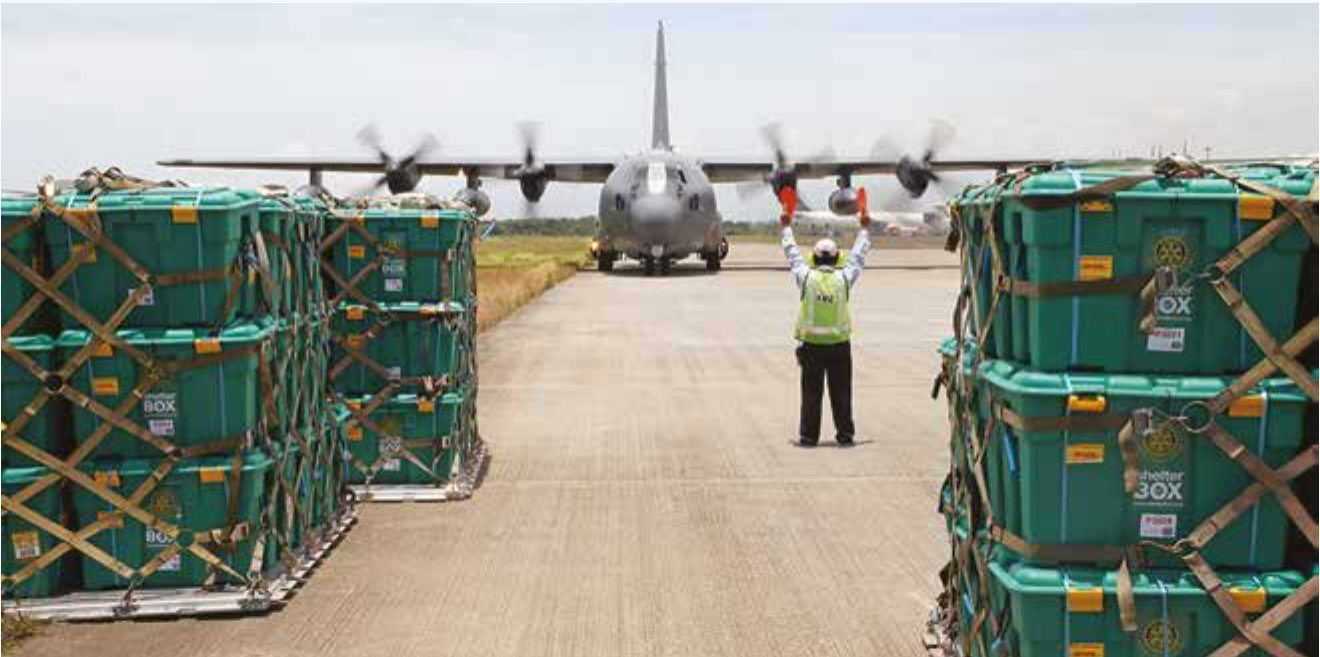
Emergency or humanitarian aid represents the first response when disaster strikes. This type of aid provides rapid assistance to people or countries facing immediate distress, helping to relieve suffering during and after emergencies such as conflicts, floods, tsunamis, earthquakes, or pandemics. The primary purpose of this aid is to respond quickly and effectively to address the immediate needs of affected communities, keeping people alive during critical periods.
What emergency aid includes
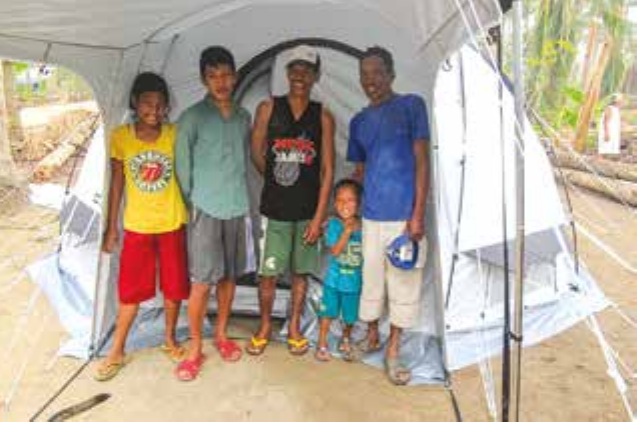
Emergency aid typically encompasses the provision of essential supplies and services needed for survival. This includes food, clean water, medicines, shelter materials, and personal protective equipment. Additionally, it can involve deploying personnel such as health workers, doctors, emergency service workers, law and order personnel, and communication specialists to assist affected areas.
Characteristics and timeframe
Important
Critical Characteristic: Short-Term Nature
A crucial characteristic of emergency aid is that it is designed to be short-term in nature. It addresses immediate needs during crises but does not tackle the underlying causes of poverty or development challenges. Once the emergency has passed and people's lives are no longer in immediate danger, emergency aid should cease.
Continuing emergency aid beyond this point can create dependency on handouts rather than supporting communities to rebuild and develop sustainable solutions for the long term.
How emergency aid promotes health and wellbeing
Emergency aid plays a vital role in protecting health during crises by:
- Providing essential resources such as clean water, food, healthcare, and shelter, which help protect people from communicable diseases and keep them alive, thereby promoting physical health and wellbeing
- Reducing stress and anxiety in the short term by meeting basic survival needs, which supports mental health and wellbeing
- Offering immediate health interventions that prevent the spread of disease and address urgent medical needs
Note
However, it's important to note that emergency aid focuses on improving short-term health and wellbeing rather than creating long-term health improvements.
How emergency aid promotes human development
While emergency aid is primarily focused on immediate survival, it also supports human development by:
- Keeping people alive, which enables further actions to promote longer-term human development once the emergency has passed
- Helping to preserve fundamental human rights, which are essential conditions for human development to occur
Examples in practice
Example
Examples of Emergency Aid in Action
Real-world applications of emergency aid include:
- Natural disaster response: Providing food, clothing, healthcare, and shelter following earthquakes or cyclones
- Personnel deployment: Sending health workers or emergency services personnel to assist countries affected by disasters
- Security support: Supporting law and order following conflicts or civil unrest
- Disease outbreak response: Supplying personal protective equipment and medical supplies to help countries respond to disease outbreaks like COVID-19
Australia regularly provides emergency aid to neighbouring countries experiencing natural disasters, offering food supplies, medical teams and equipment, transport, law and order personnel, and communication resources.
Bilateral aid
Bilateral aid represents assistance provided directly from one government to another government. The term 'bilateral' literally means 'two-sided', reflecting this government-to-government relationship. This type of aid focuses on achieving long-term, sustainable change rather than addressing immediate crises.
Purpose and consultation process
The fundamental purpose of bilateral aid is to help reduce poverty and bring about long-term sustainable development. Sustainable development refers to development that meets the needs of the present without compromising the ability of future generations to meet their own needs. Bilateral aid helps governments of recipient countries strengthen their economic, political, health, and education systems so they can eventually become self-sufficient.
Note
The Consultation Process
A key feature of bilateral aid is the consultation process. The donor country works closely with the government of the country receiving aid to ensure that implemented programmes meet the actual needs of the country and its people.
This consultation process builds important relationships between nations and helps ensure that proposed programmes align with both the donor country's aid policies and its capacity to assist.
Range of programmes and projects
Bilateral aid programmes can vary enormously in scale and scope. They may range from small, community-based projects, such as immunisation programmes targeting specific diseases, to large regional development schemes such as the provision of water treatment plants and other infrastructure projects. Infrastructure refers to the physical and organisational structures, facilities, and systems needed for a society to operate, including buildings, roads, and power supplies.
Example
Examples of Bilateral Aid Projects
Bilateral aid in action includes:
- Large infrastructure projects: Supporting bridges, roads, or water treatment facilities
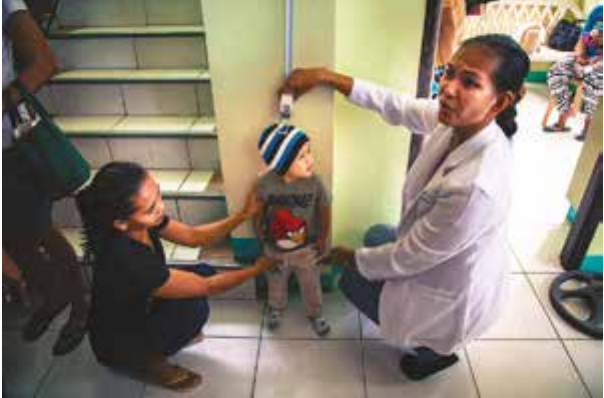
- Community-based initiatives: Funding small projects such as vaccination programmes
- Education development: Building schools and providing education programmes
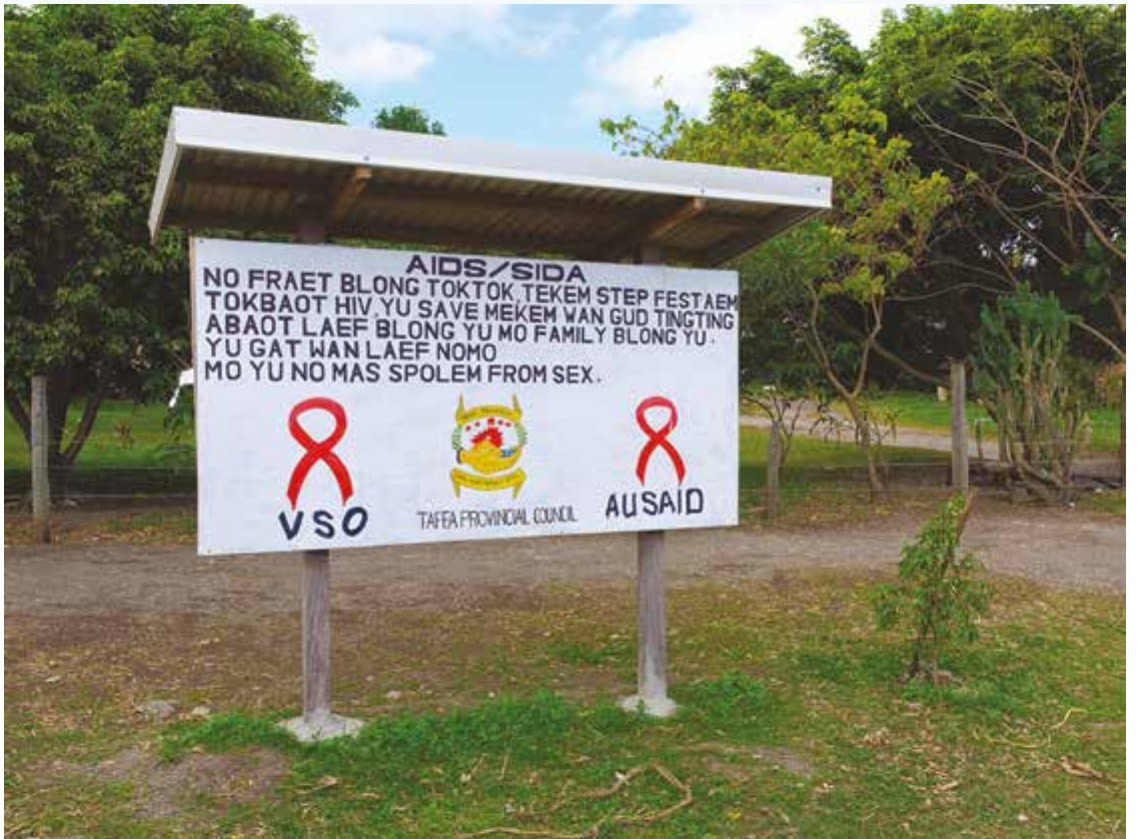
- Health programmes: Providing funding for prevention, treatment, counselling, and education programmes related to specific health issues
Specific Cases:
- The Australian government has provided funding for Papua New Guinea to implement prevention, treatment, counselling, and education programmes addressing HIV/AIDS
- Australian funding and personnel support helped build a bridge in Samoa
How bilateral aid promotes health and wellbeing
Bilateral aid promotes health and wellbeing through multiple pathways:
- Physical health and wellbeing: By seeking to reduce poverty, bilateral aid ensures that people have money available to purchase healthy food, clothing, shelter, and healthcare. This protects people from communicable diseases and promotes physical health. When physical health improves, people tend to feel happier, which enhances emotional health and wellbeing.
- Social health and wellbeing: Education programmes bring children and adults together to learn, promoting social connections and community engagement.
- Mental health and wellbeing: Reducing poverty reduces stress and anxiety, which significantly improves mental health and wellbeing.
How bilateral aid promotes human development
Bilateral aid creates conditions that support all aspects of human development:
- Living a long and healthy life: By reducing poverty and improving health and wellbeing, bilateral aid helps people reduce ill health and increase life expectancy.
- Achieving a decent standard of living: With reduced poverty, people are more likely to have the resources needed to enjoy a decent standard of living.
- Developing knowledge: Providing schools and education helps both children and adults acquire knowledge and skills necessary for development.
- Protecting human rights and achieving equality: Improved economic growth and stronger political systems are more likely to protect human rights and security and achieve gender equality.
- Promoting environmental sustainability: Infrastructure projects such as safe water and sanitation systems help manage waste effectively and promote environmental sustainability.
Criticisms and important considerations
Important
Limitations and Criticisms of Bilateral Aid
Despite its benefits, bilateral aid sometimes faces criticism. Concerns include:
- Political and economic interests: Goods and services may be provided by companies from the donor country, potentially favouring the donor's own economy and political interests rather than purely addressing recipient needs
- Corruption risks: Risks exist if the government of the recipient country is corrupt, as funds may not be spent on their intended purpose
- Urban focus: Bilateral aid projects sometimes focus on urban areas while neglecting the poorest people who often live in remote rural villages
To address these challenges, it's essential for donor countries to regularly evaluate the effectiveness of their bilateral aid programmes in terms of actual health and wellbeing and development outcomes achieved.
Multilateral aid
Multilateral aid takes a different approach by channelling assistance through international organisations rather than directly between governments. Multilateral aid is aid provided through international organisations such as the World Bank, United Nations (UN), or World Health Organization (WHO). These organisations combine donations from multiple countries and use pooled funds to support countries in need.
Purpose and scope
The primary purpose of multilateral aid is to contribute to achieving equity in health and wellbeing and to promote human development on a global scale. This type of aid is particularly effective for addressing transnational issues—problems involving several nations that require coordinated international responses.
Multilateral aid is often used to address global issues including:
- Emergency relief from events such as famine, delivered through programmes like the World Food Programme
- Transnational challenges such as global warming and climate change
- Control of diseases that cross borders, such as COVID-19
- Major infrastructure projects including roads and sanitation systems that benefit multiple communities or regions
How multilateral aid promotes health and wellbeing
Multilateral aid promotes health and wellbeing through comprehensive approaches:
- Physical health and wellbeing: Addressing global warming reduces diseases such as asthma, stroke, cardiovascular diseases, malaria, malnutrition, and diarrhoea. More secure agriculture and food supplies reduce malnutrition and hunger. Reducing disease transmission within and between countries contributes to improved physical health.
- Mental and emotional health and wellbeing: Addressing global warming means people are less likely to be forced to relocate due to rising sea levels, reducing anxiety and stress associated with displacement.
- Social and spiritual health and wellbeing: When communities are not forced to relocate, social connections and spiritual ties to land are maintained, supporting these dimensions of wellbeing.
How multilateral aid promotes human development
Multilateral aid supports human development in numerous ways:
- Living a long and healthy life: Reducing disease transmission helps people live longer, healthier lives.
- Decent standard of living: Food security and agriculture mean people have adequate nutrition, providing energy to work and generate income, which gives them resources to enjoy a decent standard of living.
- Community participation: When people are not forced to relocate, communities and villages are retained, and people feel more empowered to participate in community and political life.
- Knowledge and skills: When children have improved health and wellbeing, they can attend school regularly, which helps them develop knowledge and skills.
- Environmental sustainability: Infrastructure projects such as safe water provision and sanitation help manage waste effectively and promote environmental sustainability.
Advantages of the multilateral approach
Note
Key Advantages of Multilateral Aid
Multilateral aid offers significant advantages:
- It is less tied to the political interests of individual donor countries, making it more neutral and focused on actual needs
- It allows for efficient pooling of resources, enabling larger-scale projects and responses than individual countries could provide alone
- It provides a coordinated global approach to issues that require international cooperation
- It complements and reinforces bilateral aid programmes
Australia supports multilateral agencies engaged in poverty reduction and sustainable development as a way to strengthen and complement its bilateral aid programme, recognising that both approaches are necessary for effective development assistance.
Aid provided by non-government organisations (NGOs)
Non-government organisations (NGOs) are non-profit organisations that work to promote health and wellbeing and human development whilst operating separately from governments. Despite the name suggesting no government involvement, many NGOs receive funding from government aid programmes, including from the Australian government, as well as from public donations.
The role of NGO aid
NGO aid forms an important component of the overall aid programme, complementing bilateral and multilateral aid. NGOs take different approaches to aid delivery, which can include specific projects or programmes, emergency aid provision, volunteering opportunities, education, and development initiatives.
Aid provided by NGOs tends to focus on smaller, community-based projects that are specifically targeted to meet basic health and wellbeing needs whilst promoting community development and participation. This grassroots approach fills important gaps left by other forms of aid.
Key advantages of NGO aid
Note
Five Key Advantages of NGO Aid
NGOs bring unique strengths to aid delivery:
-
Strong local connections and established trust: NGOs often have existing relationships with local communities, meaning trust has already been established. This enables them to work more effectively with communities and ensures better acceptance of programmes.
-
Access to hard-to-reach areas: NGOs can often access remote, fragile, and conflict-affected areas that other forms of aid cannot or do not reach. This ensures that the most vulnerable and isolated populations receive support.
-
Comprehensive local knowledge: NGOs have in-depth knowledge of poverty and its causes at the community level. This understanding allows them to design and implement programmes that address the specific needs and circumstances of local populations.
-
Focus on specific community needs: NGO projects are targeted to address the particular needs of individual communities, rather than taking a one-size-fits-all approach.
-
Emphasis on participation and development: NGOs focus on promoting community development and encouraging active participation by community members, which builds capacity and supports sustainable change.
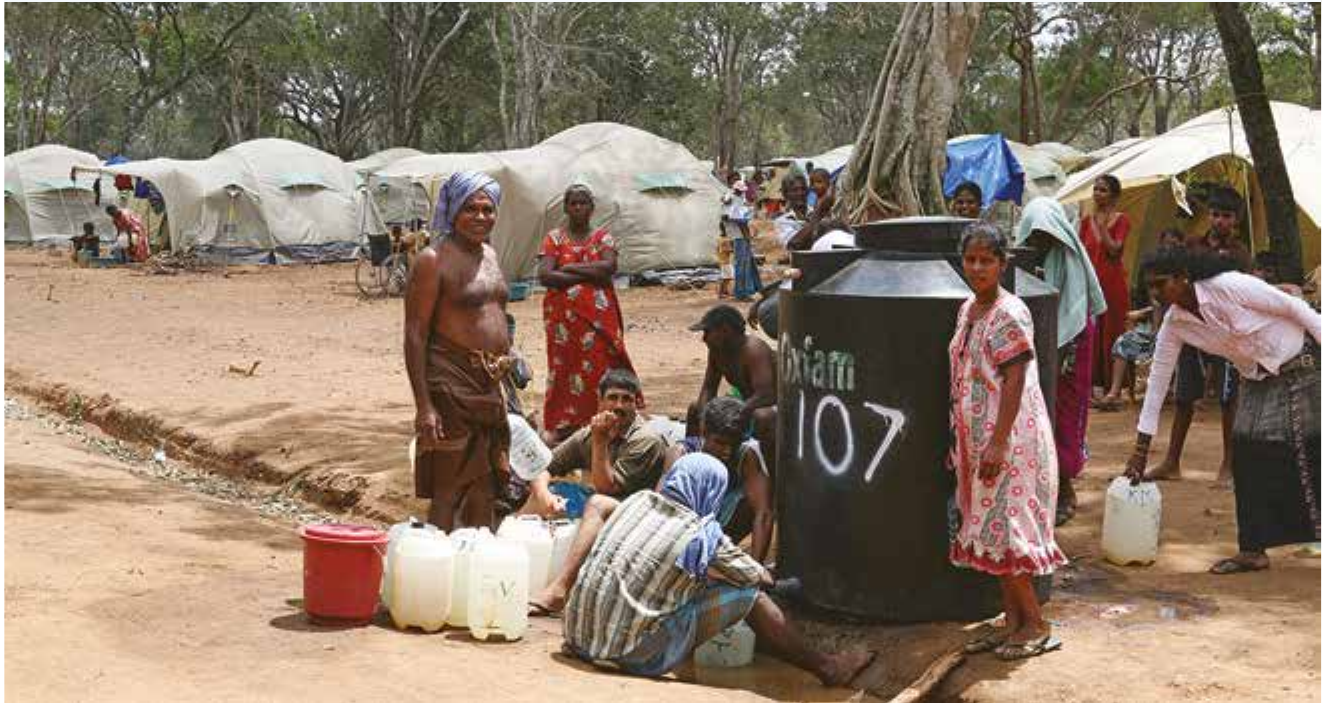
Examples of major NGOs
Globally, thousands of NGOs are involved in providing aid and supporting development. Some well-known international NGOs include:
- The International Red Cross, which provides healthcare and disaster relief worldwide and is one of the world's largest humanitarian organisations
- World Vision
- CARE International
- Caritas
- Oxfam
These organisations usually provide aid directly to people running development projects and help in areas where bilateral aid does not reach, aiming to improve health and wellbeing for people in all countries.
Remember!
Summary
Key Points to Remember:
-
Aid comes in three main forms: emergency/humanitarian aid for immediate crises, bilateral aid between governments for long-term development, and multilateral aid through international organisations for global issues.
-
Emergency aid is always short-term and should cease once the crisis has passed to avoid creating dependency. It keeps people alive but doesn't address underlying causes of poverty.
-
Bilateral aid involves consultation between donor and recipient governments to ensure programmes meet actual needs and build towards self-sufficiency, though it can face criticisms regarding political interests.
-
Multilateral aid pools resources from multiple countries through organisations like the UN and WHO, making it effective for addressing transnational issues whilst being less tied to individual political interests.
-
NGOs complement government aid by focusing on community-based projects, accessing hard-to-reach areas, and bringing valuable local knowledge and established trust to their work, filling important gaps in the aid system.