World Vision (VCE SSCE Health and Human Development): Revision Notes
📚Revision Notes
World Vision
Understanding non-government organisations
Non-government organisations (NGOs) are independent organisations that provide assistance without direct government control. Globally, thousands of NGOs work to deliver aid to communities in need. While NGOs operate independently, many receive funding from government aid programs alongside public donations.
NGOs typically focus on targeted, community-based projects that are smaller in scale than government programs. They frequently collaborate with governments and other aid agencies to maximize their impact.
Note
NGOs play a crucial role in international development by filling gaps that government aid programs may not reach. Their flexibility and community focus allow them to respond quickly to local needs and build strong relationships with the communities they serve.
Types of aid provided by NGOs
NGOs deliver support through various means:
- Financial support for programs such as mobile health clinics and immunisation campaigns
- Trained personnel including volunteers and paid staff who coordinate, implement and deliver programs
- Education and training to build local capacity and skills
- Resources such as building materials and information technology hardware
What is World Vision?
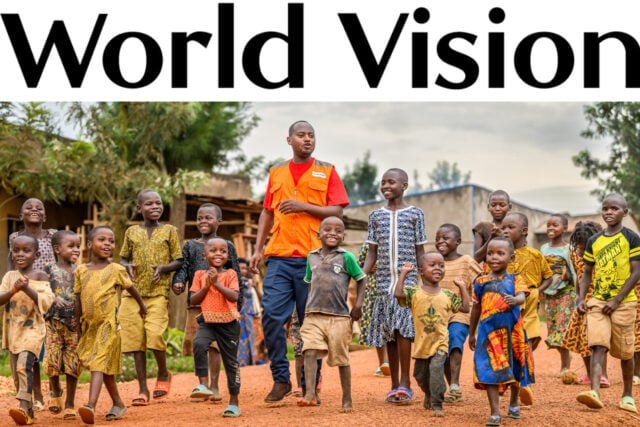
World Vision is an NGO that collaborates with children, families and local communities worldwide to combat poverty and injustice. The organisation operates in more than 90 countries, employing local staff who understand and respect the cultural needs of the communities they serve.
Funding sources
World Vision's work is funded through multiple channels:
- Child sponsorship programs
- The 40 Hour Famine fundraising event
- General public donations
- Emergency relief appeals
- Corporate support through cash donations or provision of materials
- Australian government aid program funding for community development and emergency relief
Note
The diversity of World Vision's funding sources ensures financial stability and allows the organisation to maintain independence while still benefiting from government partnerships. This mixed funding model enables both long-term development projects and rapid emergency responses.
An inclusive approach
Important
World Vision is a Christian development organisation, but it works with all people to create change regardless of their religion, ethnicity or gender. This inclusive approach ensures that assistance reaches those who need it most, without discrimination.
World Vision's three approaches to creating change
World Vision uses three interconnected approaches to address poverty and its underlying causes.
Community development and poverty reduction
World Vision works alongside communities living in poverty to find sustainable solutions to challenges such as malnutrition, lack of safe drinking water, disease, illiteracy and unemployment or low incomes.
Note
Programs include:
- Maternal, newborn and child health and nutrition programs
- Agriculture cooperatives
- Water and sanitation projects
- Income-generating projects
These programs are designed to address multiple interconnected issues simultaneously, recognizing that poverty is complex and requires comprehensive solutions.
Area Development Programs (ADPs)
World Vision typically uses an integrated approach called an Area Development Program (ADP). These programs are designed to address poverty in a comprehensive, sustainable way that empowers community members.
Important
Key features of ADPs:
- Operate in geographical areas large enough for regional impact, yet small enough to make significant impact on individuals and communities
- Typically cover areas with a population of 20,000 to 40,000 people
- Can include rural, urban or mixed environments
- Projects vary according to community context and expressed needs
- Usually operate for 15 years
- Designed to address long-term, interconnected causes and impacts of poverty
- Focus on sustainability and community empowerment
The 15-year timeframe is crucial because it allows communities to develop the skills, infrastructure, and systems needed to continue progress independently after World Vision's support ends.
Humanitarian and emergency relief
World Vision provides rapid emergency response to people affected by conflict, natural disasters and other crises. Field workers deliver immediate assistance including food and shelter, medicine and healthcare, and support to access essential services.
Note
Immediate assistance includes:
- Food and shelter
- Medicine and healthcare
- Child-friendly spaces where children can learn and play
- Support to access essential services
- Shelter materials for displaced families
- Livelihood restoration programs
- Essential service provision
Following immediate relief, World Vision implements rebuilding programs and disaster preparedness projects. This helps communities protect themselves better from future disasters and builds resilience.
Advocacy
World Vision engages with governments, institutions, donors, communities and the public to address the root causes of poverty. The organisation supports training and projects that empower communities to advocate for their rights and influence change.
Note
Advocacy campaigns focus on:
- Greater investment in Australian aid
- Ending violence against children
- Working with governments to create systemic change
- Upholding the rights of refugees
- Meeting the United Nations Sustainable Development Goals
Advocacy work is essential because it addresses the underlying systems and policies that perpetuate poverty, complementing the direct service delivery of development programs.
How World Vision promotes health and wellbeing and human development
World Vision delivers a range of projects that directly and indirectly improve health, wellbeing and human development for community members, with particular focus on pregnant women, mothers and children.
Why focus on mothers and children?
Children are particularly vulnerable to causes of ill health such as malnutrition and disease. The impacts of these conditions can affect children throughout their entire lives.
Important
The impact of malnutrition in the first 1000 days:
The period from conception to age two is critical for child development. Malnutrition during this time can:
- Affect brain development, making learning difficult
- Cause stunted growth
- Increase the risk of disease
- Lead to ongoing health and wellbeing problems in adulthood
- Make it difficult to work and earn higher income, impacting human development
This critical window explains why World Vision prioritizes interventions for pregnant women and young children—the impact of support during this period extends throughout the entire life course.

Ill health can be both a cause and a consequence of poverty. Many health and wellbeing issues faced by mothers and children in poor communities are preventable. World Vision addresses these issues by working at household, community and national levels.
The 7-11 Health Strategy
World Vision's 7-11 Health Strategy provides a framework for addressing the health, wellbeing and nutrition of women and children. The goal is to reduce under-five mortality and maternal mortality through targeted interventions.
| The 7 core interventions for the mother | The 11 core interventions for the child |
|---|---|
| 1. Adequate diet | 1. Appropriate breastfeeding |
| 2. Iron/folate supplements and deworming | 2. Essential newborn care |
| 3. Infectious disease prevention | 3. Adequate diet, including appropriate complementary feeding and Vitamin A supplementation |
| 4. Malaria prevention, treatment access and preventative treatment | 4. Adequate iron |
| 5. Healthy timing and spacing of pregnancy | 5. Full immunisation for age |
| 6. Birth preparedness | 6. Hand washing with soap |
| 7. Facilitating access to quality maternal health services, including antenatal and postnatal care, and a skilled attendant at birth | 7. Oral Rehydration Therapy and zinc |
| 8. Prevention and care-seeking for malaria, and prevention and care-seeking for acute respiratory infection | |
| 9. Prevention and care-seeking for acute malnutrition | |
| 10. Prevention and care-seeking for paediatric HIV | |
| 11. Deworming |
Projects delivering the strategy
The 7-11 Health Strategy is delivered through various projects that work together to strengthen health systems and improve outcomes for mothers and children.
Note
Key delivery mechanisms:
- Training and supporting community health workers who provide education and support about good nutrition, healthy behaviours and preventative healthcare measures
- Training and equipping health staff including midwives to deliver quality maternal and child health services
- Intensive feeding programs for malnourished children to address acute malnutrition
- Agricultural training on growing new and more diverse crops, and rearing livestock to improve food security and access to a wider range of nutrients
These projects work together synergistically—for example, agricultural training improves nutrition, which reduces the need for intensive feeding programs, while community health workers help identify children who need additional support.
Remember!
Summary
Key Points to Remember:
- World Vision is an NGO working in over 90 countries to overcome poverty and injustice, focusing on children, families and communities
- The organisation uses three main approaches: community development and poverty reduction, humanitarian and emergency relief, and advocacy
- Area Development Programs (ADPs) operate for 15 years in areas of 20,000-40,000 people, addressing long-term causes of poverty
- The 7-11 Health Strategy aims to reduce maternal and under-five mortality through 7 core interventions for mothers and 11 for children
- Children are particularly vulnerable during the first 1000 days (conception to age two), when malnutrition can have lifelong impacts on health, development and income potential
- World Vision is a Christian organisation but works with all people regardless of religion, ethnicity or gender