Community Services to Support the Dimensions of Health and Wellbeing (VCE SSCE Health and Human Development): Revision Notes
📚Revision Notes
Community Services to Support the Dimensions of Health and Wellbeing
Introduction to community services
Communities across Australia provide a wide variety of services that help people maintain and improve their health and wellbeing. These services support people in different ways, addressing physical, social, mental, emotional and spiritual dimensions of health and wellbeing. Understanding these services is important because they play a vital role in promoting optimal health for individuals and communities.
There are six main types of community services that support health and wellbeing:

Note
Each type of community service supports different dimensions of health and wellbeing in unique ways. Some services focus on one or two dimensions, while others support multiple dimensions simultaneously.
Let's explore each of these services and understand how they contribute to the five dimensions of health and wellbeing.
Traditional medical services: doctors, dentists and hospitals
Communities typically offer various traditional medical services to support health and wellbeing. These conventional medical services include:
- General practice clinics (GPs)
- Medical specialists
- Public and private hospitals
- Ambulance services
- Dental services
How traditional medical services support health and wellbeing
These services primarily support physical health and wellbeing. When people become ill or injured, they can seek treatment from their GP or visit the emergency department of a public hospital. GPs can refer patients to specialist services when more complex care is needed.
Dental health is crucial for maintaining overall physical wellbeing. Regular access to dental services helps people maintain good oral hygiene and prevent dental problems that could affect their general health.
Traditional medical services also promote mental health and wellbeing. People experiencing stress, anxiety or other mental health concerns can access psychologists and counsellors through these services. Professional support at critical times can help reduce psychological distress and improve mental wellbeing.

Maternal and Child Health Service
The Victorian Government and local councils deliver the Maternal and Child Health Service to support families with children from birth until they begin primary school. This service helps parents with parenting skills, health information and child development guidance.
Key features of the service
Note
Free and Accessible Support for Families
The Maternal and Child Health Service provides:
- All consultations with maternal and child health nurses are completely free
- A helpline operates 24 hours a day, 7 days a week
- Nurses monitor children's growth and developmental progress through scheduled consultations up to 3.5 years of age
- Parents receive information sheets (tip sheets) covering important topics
Supporting physical health and wellbeing
The service plays a vital role in promoting children's physical health. At each consultation, nurses measure and weigh children to monitor their growth and development. Parents receive educational materials on crucial topics including:
- Safe sleeping practices and SIDS prevention
- Vaccination schedules
- Dental hygiene
- Developmental milestones
- Play and physical activity
Important
Understanding SIDS
SIDS stands for Sudden Infant Death Syndrome. This refers to deaths of babies (usually up to around six months old) that have no clear explanation. When parents learn about SIDS prevention and ensure their children receive vaccinations, they can help prevent death and serious illness, thereby protecting their children's physical health.
Supporting mental and emotional health and wellbeing
Caring for a young baby or toddler can be extremely stressful and challenging, particularly for mothers. The Maternal and Child Health Service provides crucial support for parents' mental and emotional health and wellbeing.
One of the most difficult challenges new parents face is managing a baby who doesn't sleep well. The service offers practical assistance and guidance on helping babies settle and sleep. This support helps restore parents' ability to function properly, both physically and mentally.
Supporting social health and wellbeing
An important function of the service is organizing mothers' groups. These groups bring together mothers with children of similar ages, promoting emotional and social health and wellbeing. Mothers can share experiences, provide mutual support and build friendships.
As children grow older, mothers' groups also support children's social health and wellbeing. Young children learn to interact with other children their age, developing important social skills through play and shared activities.
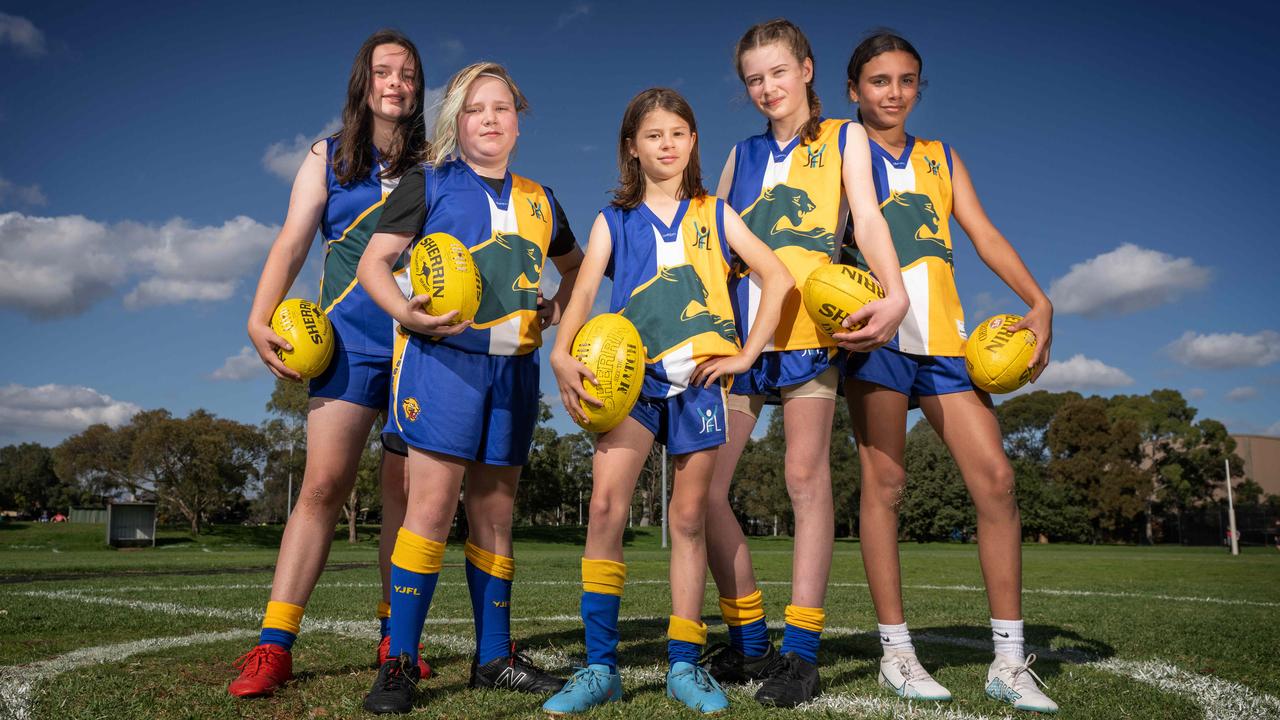
Sporting and recreational clubs and associations
Although they aren't typically thought of as traditional health services, sporting and recreational clubs play an important role in supporting health and wellbeing. These organizations include:
- Sports clubs (football, netball, cricket, etc.)
- Music groups (orchestras, choirs)
- Theatre groups
- Community organizations (Lions Club, Rotary)
- Youth organizations (Scouts, Guides)
Supporting multiple dimensions of health and wellbeing
Sporting and recreational clubs support health and wellbeing in several ways:
Physical health and wellbeing: Playing sport promotes physical fitness, helps maintain a healthy body weight, supports cardiovascular health and strengthens the immune system. Regular physical activity through sports participation is excellent for overall physical wellbeing.
Social health and wellbeing: Clubs provide opportunities for social interaction and connection. Members build friendships, communicate regularly and engage in productive activities with others who share similar interests.
Mental health and wellbeing: Participation in club activities can reduce stress and improve mental health. The social connections formed through clubs provide emotional support and opportunities to discuss concerns with friends.
Emotional health and wellbeing: Being part of a sporting club helps members learn resilience and how to appropriately express emotions. Experiencing both victories and defeats in matches teaches emotional regulation and coping skills.
Spiritual health and wellbeing: Membership in sporting and recreational clubs often provides a strong sense of belonging and helps shape personal identity. These are key aspects of spiritual wellbeing. Community and volunteer organizations particularly promote spiritual health by giving members meaning and purpose through helping others.
Importance for specific groups
Sporting clubs play a particularly significant role in supporting health and wellbeing for:
Note
Key Groups Benefiting from Sporting Clubs
-
Males: Many men who typically avoid seeking medical help for health problems feel comfortable sharing personal concerns with teammates after a game. These casual social interactions can improve mental health and, in some cases, help prevent suicide.
-
Young people: Sports clubs help youth build relationships with people outside their immediate family.
-
Rural communities: In rural areas where other health-supporting facilities may be limited, sporting clubs often become central to community health and wellbeing.
Case study: Bald Eagles Football Club
Example
Worked Example: How Sporting Clubs Support All Dimensions of Health
The Bald Eagles Football Club demonstrates how sporting clubs support health and wellbeing in practical ways. This group consists of men over 35 who train together on Sunday mornings and play football across outer Melbourne. While they enjoy the sport, the health and wellbeing benefits extend far beyond physical fitness.
Physical health benefits: Many members have lost weight and improved their fitness through increased physical activity. Some have successfully rehabilitated after heart attacks or major surgery.
Social health benefits: For many members, playing and training with the club provides their only regular social interaction with other men their age who share similar interests. The team meets for breakfast after training, providing opportunities to socialize and build strong connections.
Mental and emotional health benefits: The club functions almost like a men's health support group. Mental health issues are discussed openly, and members support each other through difficult times. More than one player has acknowledged that the support from the football club may have saved their life.
Spiritual health benefits: Middle age can be a lonely time when family activities take priority over personal social time. The football club offers members a strong sense of belonging and support through challenging periods.

The Bald Eagles example shows that sporting clubs can provide comprehensive health support. Members train together, play matches, finish with breakfast and social time, then go home feeling supported and connected for another week.
headspace
headspace operates as Australia's National Youth Mental Health Foundation. This service specifically supports young people aged 12 to 25 years with their mental health needs.
How to access headspace services
Young people can access headspace support through:
- The headspace website (online information and resources)
- Online counselling services
- Physical headspace centres located across metropolitan, regional and rural Australia
Note
headspace centres are specially designed with input from young people themselves. These centres deliberately look and feel different from traditional health services to make young people feel more comfortable accessing support.
Services available through headspace
At headspace centres, young people can access various health professionals, including:
- GPs (general practitioners)
- Drug and alcohol workers
- Psychologists
- Social workers
- Counsellors
These services are provided either free or at low cost, making mental health support accessible to young people regardless of their financial circumstances.
Supporting mental health and wellbeing
The primary focus of headspace is supporting mental health and wellbeing. The service aims to:
- Reduce stress and anxiety among young people
- Lower the incidence of mental disorders
- Implement early intervention strategies
- Reduce the burden of youth mental health issues
- Prevent suicide
Important
The Importance of Early Intervention
Early intervention means providing support and treatment as soon as mental health concerns emerge, before they develop into more serious problems. This approach is crucial for preventing long-term mental health issues and improving outcomes for young people.
Supporting emotional and spiritual health and wellbeing
Through access to GPs and counselling services, young people can explore important personal issues including:
- Identity development
- Gender and sexuality questions
- Self-esteem and self-confidence concerns
Help with discovering who they are and what their purpose is in life promotes young people's emotional and spiritual health and wellbeing. This support during the critical developmental period of adolescence and early adulthood is invaluable.
Places of worship
Places of worship include churches, mosques, temples and synagogues. While spiritual health and wellbeing is not the same as religious belief, many people gain significant health and wellbeing benefits from participation in religious communities.
Supporting spiritual health and wellbeing
Places of worship provide purpose and meaning for many people, which is central to spiritual health and wellbeing. Religious organizations are built on shared beliefs and values. Helping people determine what is important to them and what gives their life meaning is a key function of religious communities.
Supporting social health and wellbeing
Religious communities strongly promote social health and wellbeing. Members can interact regularly with others who share similar opinions, values and beliefs. Through places of worship, people build supportive social networks involving:
- Regular communication with others
- Productive activities with community members
- Meaningful social interactions
Many religious communities help others in the broader community, such as supporting refugees or new immigrants to Australia. This service to others gives members healthy and meaningful social interactions and reinforces their sense of purpose in life.
Supporting emotional health and wellbeing
Places of worship provide emotional support through the sense of belonging that comes from being part of a community. Members feel connected to something larger than themselves and can access support from their religious community during difficult times.
Volunteer organisations: St John Ambulance Australia
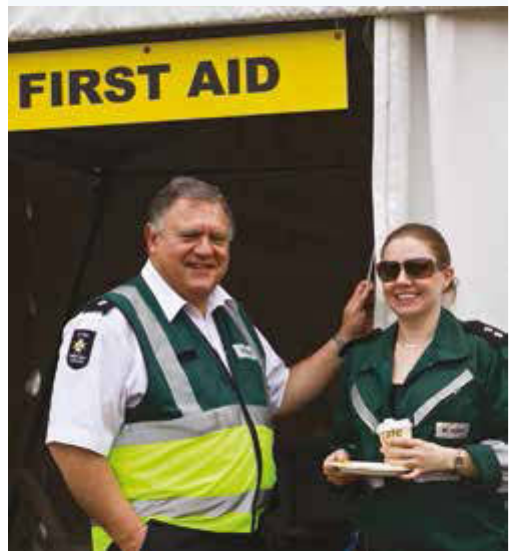
St John Ambulance Australia demonstrates how volunteer organizations support community health and wellbeing. This organization dedicates itself to caring for Australians who are sick, distressed, suffering or in danger.
St John Ambulance by the numbers
Note
St John Ambulance Australia at a Glance
- 15,000 volunteers across Australia
- Over 1 million hours of volunteer service provided annually
- Services provided at concerts, sports events, festivals and other large public gatherings
Services provided
One of the most significant contributions of St John volunteers is providing health services at large public events. These trained volunteers can:
- Provide life-saving first aid
- Perform CPR (cardiopulmonary resuscitation)
- Care for all members of the Australian public who need assistance
Benefits for the community
For people receiving help from St John volunteers, the service primarily supports physical health and wellbeing. Volunteers care for injuries and illnesses, perform CPR and provide other first aid interventions. Having trained volunteers present at large events means people can receive immediate medical attention when needed.

Benefits for volunteers
Volunteering with St John Ambulance supports all dimensions of health and wellbeing for the volunteers themselves:
Physical health: Volunteers stay active during events and maintain their first aid skills through regular training.
Mental health: Learning new skills and using them in practical situations supports cognitive function and provides mental stimulation.
Social health: Volunteers form meaningful connections with other volunteers, building friendships and social networks.
Emotional health: Working as part of a team and successfully helping others builds confidence and provides emotional satisfaction.
Spiritual health: The feelings associated with helping others and being involved in the community promote spiritual wellbeing. Volunteers gain a sense of purpose and meaning through their service.
Note
Volunteers also develop valuable life skills including teamwork, management and leadership capabilities that benefit them in other areas of life.
Understanding the connection between services and health dimensions
Different community services support different dimensions of health and wellbeing. Some services primarily support one dimension, while others support multiple dimensions simultaneously.
Important
Study Tip: Making Connections
When studying community services, always consider which dimensions of health and wellbeing each service supports. This will help you understand the comprehensive role these services play in promoting optimal health.
Key Takeaways
Summary
Remember These Important Points:
-
Six main types of community services support health and wellbeing: traditional medical services, Maternal and Child Health Service, sporting/recreational clubs, headspace, places of worship and volunteer organizations.
-
Traditional medical services (doctors, dentists, hospitals) primarily support physical and mental health through treatment, prevention and psychological services.
-
Maternal and Child Health Service is a free Victorian Government service that supports families with children from birth to school age, promoting physical, mental, emotional and social health for both parents and children.
-
Sporting and recreational clubs support all five dimensions of health and wellbeing, providing physical activity, social connection, emotional support, mental stimulation and a sense of belonging and purpose.
-
headspace specifically serves young people aged 12-25, focusing on mental health support while also addressing emotional and spiritual wellbeing through accessible, youth-friendly services.
-
Places of worship primarily support spiritual health through providing meaning and purpose, while also promoting social connection and emotional support through community belonging.
-
Volunteer organizations like St John Ambulance benefit both the community (through practical health services) and volunteers themselves (through supporting all dimensions of health and wellbeing).