The Pharmaceutical Benefits Scheme and the National Disability Insurance Scheme (VCE SSCE Health and Human Development): Revision Notes
📚Revision Notes
The Pharmaceutical Benefits Scheme and the National Disability Insurance Scheme
Introduction
Australia's health system includes several important government programs that support the health and wellbeing of all Australians. Beyond Medicare, two key initiatives are the Pharmaceutical Benefits Scheme (PBS) and the National Disability Insurance Scheme (NDIS). Both programs are funded by the federal government and play vital roles in promoting health and wellbeing across the nation.
Note
The PBS and NDIS represent two distinct but equally important pillars of Australia's health and social support systems - one ensuring access to essential medicines, the other providing comprehensive support for people with disabilities.
Pharmaceutical Benefits Scheme (PBS)
What is the PBS?
The Pharmaceutical Benefits Scheme is a government program that makes essential prescription medicines more affordable for all Australians. Rather than paying the full price for medications, patients only pay a subsidised amount, with the government covering the rest of the cost.
History and development
The PBS began in 1948 when the Australian government first offered life-saving and disease-preventing medicines to the community completely free of charge. The original aim was to ensure that everyone could access essential medicines, regardless of their financial situation.
Note
While the purpose remains the same today, the system has evolved significantly. Medicines are no longer free, but they are heavily subsidised, meaning patients pay only a small portion of the actual cost. This balance helps maintain the scheme's sustainability while ensuring access for all Australians.
How the PBS works
Under the current PBS system, patients make a co-payment when they purchase subsidised medications. As of 1 January 2021, these co-payments are:
- General patients: $41.30 per prescription
- Concession cardholders: $6.60 per prescription
The government pays the remaining cost of the medication. These co-payment amounts are adjusted annually on 1 January to keep pace with inflation.
Important
These co-payment amounts represent only a fraction of the actual medication cost. The government subsidy often covers hundreds or even thousands of dollars per prescription, making life-saving treatments accessible to all Australians.

PBS Safety Net
The PBS Safety Net provides additional financial protection for individuals and families who need multiple medications throughout the year. This safety net prevents people from facing overwhelming medication costs.
Once an individual or their immediate family has spent $1497.20 within a calendar year on PBS-listed medicines, a reduced co-payment applies. After reaching this threshold, patients pay only the concessional rate of $6.60 per prescription, rather than the standard $41.30. This significantly reduces the financial burden for people with chronic conditions or complex health needs.
Important
How the Safety Net protects you:
The Safety Net is particularly valuable for people with chronic conditions requiring multiple medications. Once you reach the threshold, your costs drop dramatically for the remainder of the calendar year, providing significant financial relief when you need it most.
Medications covered
The PBS currently covers more than 5000 brands of prescription medicines. This extensive list includes different brands of the same medicine, giving patients and doctors options when choosing treatments.
Note
Not all medications are covered by the PBS. Medicines that aren't listed require patients to pay the full cost themselves. The PBAC continuously reviews new medications for potential inclusion on the PBS.
Pharmaceutical Benefits Advisory Committee (PBAC)
The PBAC is an independent expert committee responsible for deciding which medications should be added to the PBS. This committee consists of health professionals who review and assess new medications three times each year.
Before any new medicine can be listed on the PBS, the PBAC must make a positive recommendation. The committee evaluates several important factors:
- Medical conditions - What health conditions the medicine treats
- Clinical effectiveness - How well the medicine works in practice
- Safety - The medicine's safety profile and potential side effects
- Cost-effectiveness - Whether the medicine provides good value for money compared to other available treatments
Important
This rigorous evaluation process ensures that only safe, effective, and worthwhile medications receive PBS subsidies. The PBAC's independence is crucial in maintaining the integrity and quality of the PBS listing process.
PBS funding and usage
In 2019-20, the Australian government paid more than $12.5 billion through the PBS. On average, approximately eight prescriptions were subsidised for every person in Australia, demonstrating the widespread use and importance of this program.
Case study: Darzalex for multiple myeloma
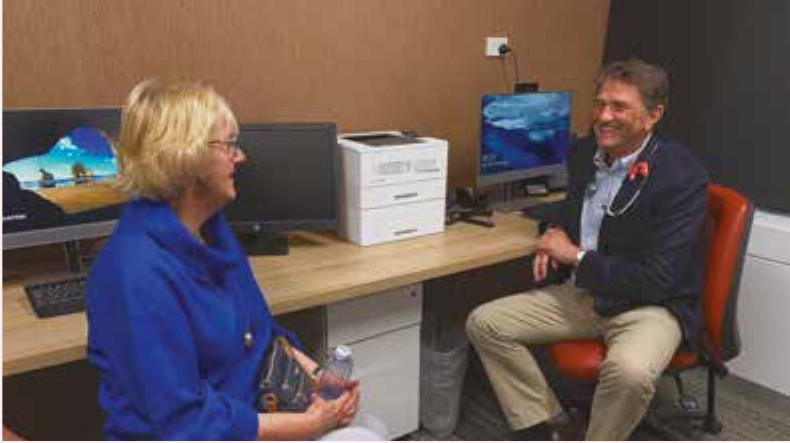
A powerful example of the PBS in action is the listing of Darzalex, a treatment for multiple myeloma, a type of blood cancer. This case study demonstrates how the PBS makes life-changing treatments accessible to Australians.
Example
Case Study: Darzalex and the PBS
About multiple myeloma: Multiple myeloma is an incurable blood cancer that causes cancerous plasma cells to build up in bone marrow, crowding out healthy blood cells. It can damage bones and weaken the immune system. Between 18,000 and 20,000 Australians live with this condition, and approximately 1000 people die from it each year.
The breakthrough treatment: Darzalex represents a completely new approach to treating multiple myeloma. The drug works by binding to cancerous plasma cells and either destroying them directly or helping the immune system identify and eliminate them. According to medical experts, this treatment allows patients to achieve remarkably deep responses, where the disease becomes almost undetectable for extended periods. While the cancer does eventually return, these extended remission periods can last for years.
Impact of PBS listing: When Darzalex was added to the PBS in January 2021, the cost to patients dropped dramatically:
- Without PBS: Up to $160,000 per year
- With PBS: As little as $40 per month ($480 per year)
- With concession card: Even less than $480 per year
Approximately 1165 patients were expected to benefit from this PBS listing. For many families, this made the difference between accessing a life-extending treatment and being unable to afford it. As one patient advocate described it, the announcement was "enormous" and "heart-lifting" news for people living with this challenging condition.
National Disability Insurance Scheme (NDIS)
What is the NDIS?
The National Disability Insurance Scheme is a national insurance program that provides services and support to people with permanent and significant disabilities, as well as their families and carers. The scheme is funded jointly by the federal government and state/territory governments.
The NDIS aims to help individuals with disabilities live ordinary lives, participating fully in their communities and achieving their personal goals. This represents a fundamental shift in how Australia supports people with disabilities, moving from a system based on what services were available to one centred on individual needs and aspirations.
Note
The NDIS represents a transformational approach to disability support in Australia. Rather than fitting people into existing services, it creates individualised support plans that help people achieve their unique goals and aspirations.
Eligibility requirements
To access the NDIS, a person must meet three main requirements: age, residency, and disability criteria.
Important
Three Essential Eligibility Requirements:
To qualify for the NDIS, you must meet ALL three of these requirements:
- Age - Under 65 years old when applying
- Residency - Australian citizen, permanent visa holder, or Protected Special Category visa holder
- Disability - Permanent impairment that substantially reduces your ability to participate in activities
Age requirement: An individual must be under 65 years old when they apply for the NDIS. This age limit ensures the scheme focuses on providing long-term support from an early stage in life.
Residency requirement: The person must live in Australia and be either:
- An Australian citizen, or
- A permanent visa holder, or
- A holder of a Protected Special Category visa
Note
Protected Special Category visa: These visas are held by some people who arrived in Australia on a New Zealand passport and meet other specific criteria.
Disability requirements: To qualify under disability criteria, a person must meet all four of the following conditions:
- You have an impairment or condition that is likely to be permanent (lifelong)
- Your impairment substantially reduces your ability to participate effectively in activities or perform tasks or actions, unless you receive:
- Assistance from other people, or
- Assistive technology or equipment (other than common items like glasses), or
- You cannot participate effectively even with assistance or equipment
- Your impairment affects your capacity for social and economic participation
- You are likely to require support under the NDIS for your lifetime
Note
Assistive technology: A device, system or design that allows a person to perform a task they would otherwise be unable to do, or that increases the ease and safety with which a task can be performed.

Individual plans
Once a person meets the eligibility requirements, the first step in accessing the NDIS is developing an individual plan. This plan is highly personalised, focusing on the individual's unique goals and aspirations for both the present and future.
The plan may include goals such as:
- Greater independence in daily activities
- Increased community involvement and social connections
- Employment or educational opportunities
- Improved health and wellbeing
The individual plan also identifies:
- The functional support needed for daily living and participation
- The specific support required to pursue personal goals
- How the individual wants to manage their plan over time
Note
Plan Management Flexibility:
Participants have flexibility in how they manage their plans. They can choose to:
- Manage the plan themselves
- Nominate someone (such as a family member) to help manage their plan
- Ask NDIS staff to manage all or part of their plan on their behalf
The NDIS provides comprehensive information and support to help participants make these choices and design a plan that works best for their individual circumstances.
Types of support through the NDIS
Through the individual plan, the NDIS helps participants access four main types of support:
Important
Four Types of NDIS Support:
- Mainstream services - Healthcare, education, and other services available to all Australians
- Community services - Sports clubs, libraries, community groups, and local activities
- Informal support - Unpaid help from family and friends
- Funded supports - NDIS-funded services like assistive technology and paid carers
1. Access mainstream services and supports
These are services available to all Australians through existing systems such as healthcare and education. Examples include visiting doctors, attending school, accessing public housing, or using aged care services. The NDIS provides information about appropriate support options and helps participants access these existing services effectively.
2. Access community services and supports
These are activities and services available to everyone in the community, such as sports clubs, community groups, libraries, or charitable organisations. Many NDIS participants wish to build social connections and participate more fully in their communities. The NDIS can assist people in finding and accessing these community-based opportunities.
3. Maintain informal support arrangements
Informal support refers to the unpaid help that people receive from their family and friends. This type of support is a natural part of most people's lives and remains important for NDIS participants. The NDIS recognises and values these existing support networks.
4. Receive reasonable and necessary funded supports
The NDIS can provide funding for supports that are both reasonable and necessary. This means the supports must be:
- Related to the person's disability
- Required for them to live an ordinary life
- Necessary to help them achieve their goals
Funded supports include:
- Assistive technology such as wheelchairs, mobility canes, talking watches, shower chairs, over-toilet frames, bed rails, and non-slip bathmats
- Paid carers if the individual needs assistance with daily tasks

A lifetime approach
The NDIS operates as an insurance scheme with a long-term perspective. By investing in people with disability early in their lives, the scheme aims to improve their health and wellbeing throughout their lifetime. This early intervention approach can lead to better outcomes and greater independence as people age.
Note
The lifetime approach means the NDIS focuses on early intervention and support that can make the most difference over time. By providing the right support early, the scheme helps people develop skills and independence that benefit them for years to come.
By 2021, the NDIS was supporting more than 420,000 Australians with disability, demonstrating the significant reach and impact of this national program.
Case study: Sarah's story
Sarah's experience illustrates how the NDIS can transform lives by focusing on individual goals and aspirations, not just physical needs.
Example
Case Study: Sarah's Journey with the NDIS
Background: Sarah is 24 years old and was born with cerebral palsy. She has limited mobility and uses an electric wheelchair. Before connecting with the NDIS, Sarah had no job and no friends outside her family. Her parents provided most of her support, and she had been using the same wheelchair for over eight years, long after she had outgrown it.
Developing the plan: When Sarah first contacted the National Disability Insurance Agency, staff worked with her to develop an individual plan. Importantly, she was asked to think about her goals and aspirations, not just her physical requirements. Sarah shared that she wanted to socialise more and expressed a strong interest in film.
The supports Sarah received: Sarah's individual plan identified several types of support:
- Physiotherapy to address her physical health needs
- Daily in-home assistance with some tasks to improve her independence
- Funding for a new, properly fitted wheelchair
- Transport to and from social events
Life-changing outcomes: The most significant change in Sarah's life came when the NDIS helped her locate a local film club and worked with the club to support her participation. This simple connection opened up Sarah's social world, giving her the opportunity to pursue her interests and build friendships.
Sarah's story demonstrates how the NDIS goes beyond meeting basic physical needs. By focusing on individual interests and goals, the scheme helps people with disabilities participate fully in their communities and live the kind of life they want to lead.
Remember!
Summary
Key Points to Remember:
-
The PBS makes essential medicines affordable by subsidising costs, with patients paying only $41.30 (or $6.60 for concession cardholders) per prescription.
-
The PBS Safety Net provides extra protection - once you've spent $1497.20 on PBS medicines in a year, you only pay $6.60 per prescription for the rest of that year.
-
The PBAC independently reviews all new medications for PBS listing, considering their clinical effectiveness, safety, and value for money.
-
The NDIS supports people under 65 with permanent disabilities to live ordinary lives through individualised plans based on personal goals.
-
NDIS participants can access four types of support: mainstream services, community services, informal support from family and friends, and funded supports like assistive technology and carers.