Policy and Practice Relating to the ‘Old Public Health’ and Australia’s Health Status (VCE SSCE Health and Human Development): Revision Notes
📚Revision Notes
Policy and Practice Relating to the 'Old Public Health' and Australia's Health Status
Introduction to public health
Public health refers to the ways in which governments monitor, regulate and promote health status and prevent disease. It involves the organisation and collective effort to improve the health status of the entire population.
Since 1900, Australia's health status has changed dramatically. These improvements occurred mainly due to changes in approaches to public health and developments in science and technologies.
Note
Understanding public health means recognising that it is fundamentally about government action and collective responsibility, not just individual health choices. The dramatic improvements in Australia's health over the past century demonstrate the power of coordinated public health interventions.
Living conditions in early 20th century Australia
At the beginning of the twentieth century, living conditions for many Australians were extremely poor. This created an environment where infectious diseases could easily spread and cause widespread illness and death.
Key problems included:
- Minimal access to clean water and sanitation facilities
- Little knowledge about good hygiene practices
- Waste littering the streets, attracting huge numbers of rats and mice that carried disease
- Overcrowded and poor-quality housing
- Poor quality and unsafe food
- Dangerous working conditions
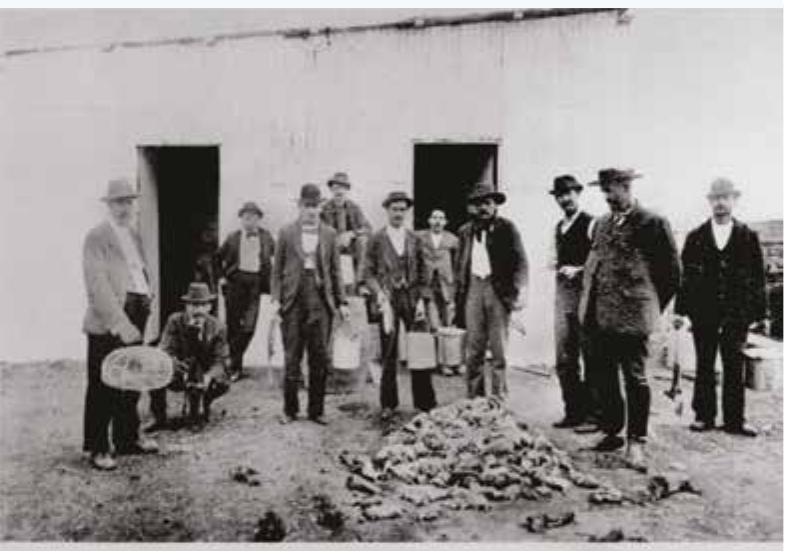
These conditions led to high rates of infectious diseases including:
- Diarrhoea
- Cholera
- Measles
- Smallpox
- Diphtheria
- Tuberculosis
- Whooping cough
Important
Children were particularly vulnerable to these diseases. Infectious diseases were responsible for high rates of infant and child mortality, contributing to high overall death rates and low life expectancy across the population. This health crisis created urgent pressure on governments to take action.
The old public health approach
As the health crisis worsened, pressure was placed on governments to take action to improve people's health. In response, governments introduced a range of policies and practices that became known as the old public health.
Old public health refers to government actions that focused on changing the physical environment to prevent the spread of disease, such as providing safe water, sanitation and sewage disposal, improved nutrition, improved housing conditions and better work conditions.
These policies and practices played a significant role in reducing the prevalence of infectious and parasitic diseases, respiratory diseases and injuries that were common during the first half of the twentieth century. As a result, significant improvements occurred in life expectancy, maternal and child mortality, and overall death rates.
Note
The key distinction of old public health is its focus on modifying the physical environment rather than changing individual behaviour. This environmental approach was essential for addressing the widespread health problems of the early 1900s.
Policies and practices of the old public health
Government-funded water and sewage systems
This intervention provided people with clean water to drink and removed garbage and waste from the streets.
Sanitation is the process of eliminating contact between humans and hazardous wastes, including human and animal faeces and urine, solid wastes, domestic wastewater (sewage and grey water), industrial wastes and agricultural wastes.
The establishment of proper water and sewage systems contributed to a significant reduction in deaths from infectious diseases such as diarrhoea, typhoid and cholera.
Quarantine laws
An outbreak of the bubonic plague (an infectious disease caused by bacteria transmitted to humans by fleas from infected rats) in 1900 triggered the introduction of strict quarantine laws.
The Commonwealth Quarantine Act, which is still in place in Australia, prevented the arrival and transmission of infectious diseases from other countries. Quarantine laws require a person, animal, plant or any type of material that might be carrying an infectious agent to be kept isolated to prevent the spread of disease.
Note
A recent example of quarantine in action was the strict quarantine that travellers returning to Australia from overseas had to undertake to minimise the risks associated with COVID-19. This demonstrates how old public health policies remain relevant today.
Better-quality housing and elimination of slums
Regulations to improve housing conditions were introduced, which required all houses to be built with:
- Drains
- Where possible, connection to a sewerage system or cesspit (a hole in the ground to separate human excrement)
- Proper ventilation
Building codes and better planning of land use resulted in less overcrowding. Attempts were also made to clean up the slums in major cities.
These housing improvements reduced deaths from respiratory diseases such as pneumonia and infectious diseases such as typhoid, cholera and diarrhoea.
Improved food and nutrition
At the beginning of the twentieth century, food was a common transmitter of diseases from bacteria, parasites, toxins and viruses. Foodborne diseases were most likely to originate in the home due to poor hygiene and storage of food.
Several important changes improved food safety and nutrition:
The Pure Foods Act (1905) brought about improvements in the safety and standards of food. Penalties were introduced to protect food safety, and public health campaigns raised awareness of food safety and hygiene.
Nutritional education: The nutritional advantages of eating foods such as fruit and vegetables were promoted by public health workers, which improved nutrition across the population.
Widespread refrigeration became available after World War II, which reduced the need to use harmful preservatives in meat-curing. This brought about a reduction in stomach cancer.
The School Milk Program was introduced after World War I and provided milk to school children to reduce protein and calcium deficiencies.
Note
These improvements in nutrition resulted in better physical health and wellbeing. Children and adults had better resistance to infectious and respiratory diseases and were able to recover from them more quickly. This demonstrates how nutrition plays a crucial role in the body's ability to fight disease.
Improved working conditions
Early public health action to improve working conditions focused on providing better ventilation and toilets in workplaces. Key legislative changes included:
- Legislation required factories of more than 20 people to provide a sufficient number of 'water closets' (toilets) and other basic public health amenities
- Laws prohibited the employment of children aged less than 13 years
- Regulations controlled the employment of minors aged between 13 and 16 years, leading to a reduction in industrial-related child deaths
- The Harvester Judgement (1907) introduced a minimum wage, where employers were required to pay their workers a wage that guaranteed a reasonable standard of living. This had a significant impact on reducing poverty-related illness
- The Victorian Health Act (1919) put regulations in place to govern dangerous occupations
These actions contributed to a reduction in workplace injuries and improved overall health of workers.
Public health campaigns
During World War I, the Commonwealth Government provided funding to the states for the introduction of tuberculosis and venereal disease public health campaigns. These were designed to address the high level of mortality and morbidity from these diseases.
Note
These campaigns represented some of the earliest examples of government-funded public health initiatives targeting specific diseases. They demonstrated the government's recognition that coordinated campaigns were necessary to address major health threats affecting the population.
More hygienic birthing practices
Early in the twentieth century, there was an emphasis on providing safe and hygienic birthing conditions with trained and registered midwives and doctors. This contributed to a reduction in maternal and infant mortality rates.
Provision of antenatal and infant welfare services
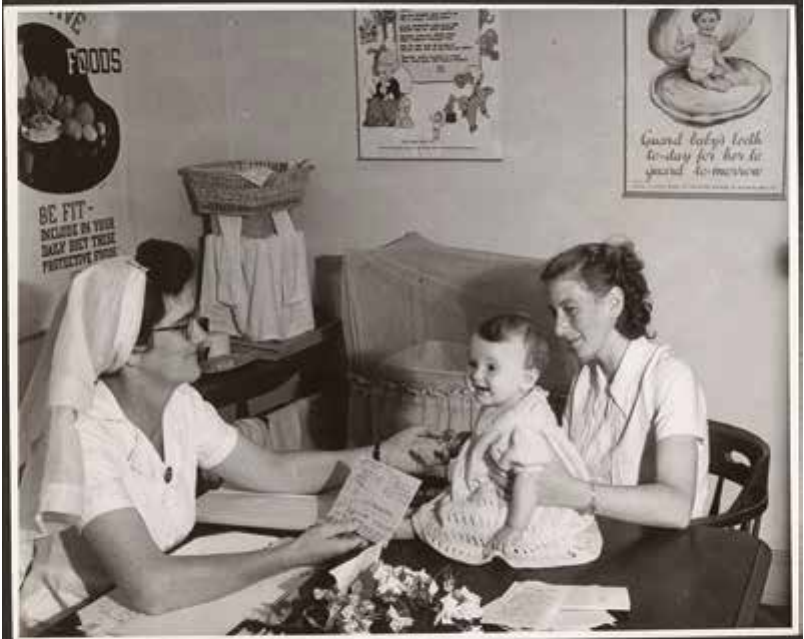
Following World War II, State and Commonwealth governments became responsible for the provision of antenatal (medical care given to pregnant women before their babies are born) and infant welfare services.
By 1937, there were more than 200 infant welfare centres operating in Victoria. These measures, along with regulations that resulted in better quality milk, an increase in breastfeeding rates and reduced fertility rates, contributed further to improvements in infant mortality rates.
The discovery of vaccines and mass immunisation programs
Many policies and practices associated with the old public health were introduced in response to advancements in medical technology. The discovery of vaccines is one important example that enabled a public health response to be implemented.
Great gains were made with the discovery of vaccines, which helped to treat a range of infectious diseases. Vaccines helped bring huge reductions in morbidity and mortality from diseases such as:
- Smallpox
- Polio
- Diphtheria
- Pertussis (whooping cough)
- Tuberculosis
- Tetanus
- Measles
- Mumps
- Rubella
- Hepatitis B

Timeline of mass vaccination programs
The Australian government introduced public health policies that resulted in mass vaccinations:
- 1930s: Diphtheria vaccination introduced
- 1939: Tuberculosis vaccination introduced
- 1950s: Pertussis, tetanus and poliomyelitis vaccinations introduced
- 1960s: Measles vaccination introduced
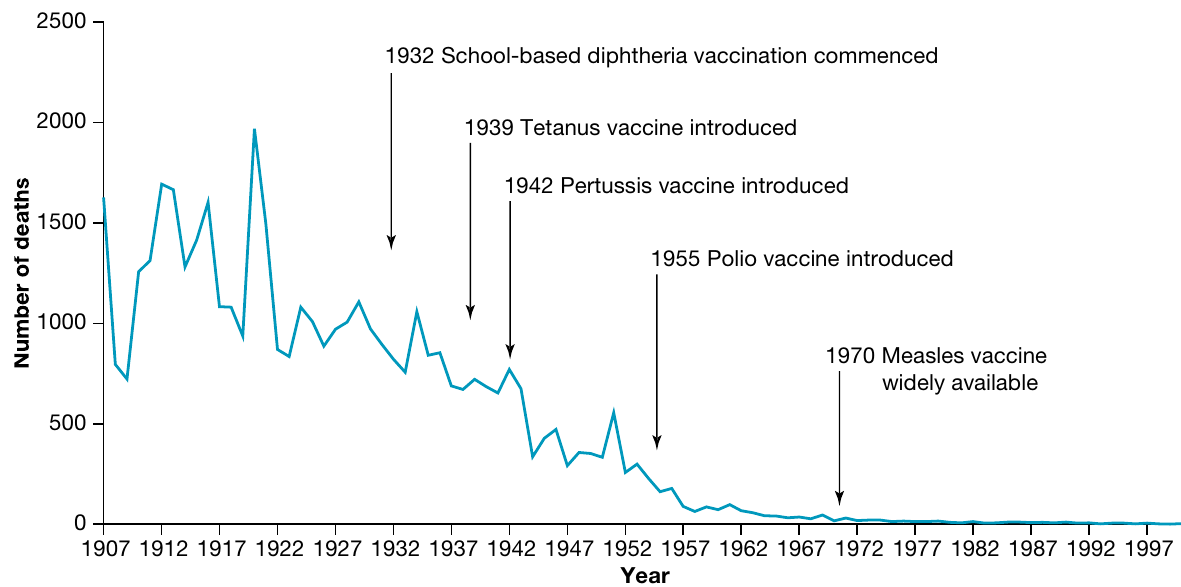
The success of vaccinations as a public health measure has resulted in the global elimination of smallpox, with polio eradicated from most parts of the world.
Exam tip: Understanding vaccines as public health policy
Important
Exam Tip: Critical Distinction
If you are using immunisation as an example of a policy and practice associated with the old public health, it is important to focus your discussion on the mass vaccinations that were made possible with this discovery, not the discovery of vaccines themselves.
The discovery of vaccines represents an example of the biomedical approach to health. It is the mass vaccinations that represent public health policy. The key difference is that the biomedical approach focuses on the medical treatment or prevention (the vaccine itself), while the public health approach focuses on the government-organised program to deliver that treatment to the whole population (mass vaccination campaigns).
The shift to health promotion
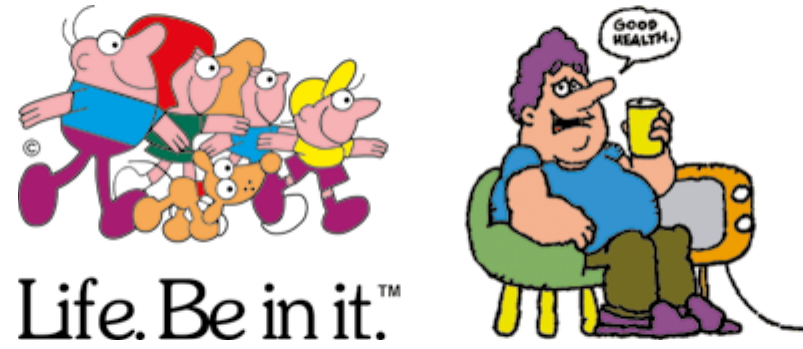
As life expectancy increased and people were living longer, the patterns of disease and illness started to change. The emergence of lifestyle diseases during the 1950s and 1960s required a different approach to public health.
During this time, a shift towards the implementation of publicly funded health promotion campaigns occurred. Health promotion is the process of enabling people to increase control over, and to improve, their health.
These campaigns were designed to bring about individual behaviour change by making people aware of the causes of ill health such as:
- Tobacco smoking
- Physical inactivity
- Poor diet
- Excessive alcohol consumption
It was believed that people would make positive changes to their behaviour if they were aware of the effects their behaviour would have on their health and wellbeing.
Note
This shift marked a fundamental change in public health approach. While old public health focused on modifying the physical environment, the new health promotion approach recognised that the emerging lifestyle diseases required changes in individual behaviour patterns rather than environmental interventions.
Remember!
Summary
Key Points to Remember:
-
Old public health focused on changing the physical environment to prevent disease spread, rather than changing individual behaviour. This included providing safe water, sanitation, better housing, improved nutrition and safer working conditions.
-
Eight major policy areas formed the foundation of old public health: water and sewage systems, quarantine laws, housing improvements, food and nutrition standards, working conditions regulations, public health campaigns, hygienic birthing practices, and antenatal and infant welfare services.
-
Mass vaccination programs introduced between the 1930s and 1960s dramatically reduced deaths from infectious diseases. Remember that the mass vaccination programs (not the vaccine discoveries themselves) represent the public health policy.
-
The success of old public health is measured by significant improvements in life expectancy, maternal and child mortality rates, and overall death rates during the first half of the twentieth century.
-
A shift to health promotion occurred in the 1950s-60s when lifestyle diseases emerged, requiring a new approach focused on individual behaviour change rather than environmental modification.