Aboriginal and Torres Strait Islander Perspectives on Health and Wellbeing (VCE SSCE Health and Human Development): Revision Notes
📚Revision Notes
Aboriginal and Torres Strait Islander Perspectives on Health and Wellbeing
Understanding Aboriginal and Torres Strait Islander perspectives on health and wellbeing
Aboriginal and Torres Strait Islander peoples understand health and wellbeing in a holistic way that differs from mainstream Western definitions. The National Aboriginal Health Strategy (1998) provides an important definition:
Note
National Aboriginal Health Strategy (1998) Definition:
Aboriginal wellbeing means not just the physical wellbeing of an individual but refers to the social, emotional and cultural wellbeing of the whole Community in which each individual is able to achieve their full potential as a human being, thereby bringing about the total wellbeing of their Community. It is a whole-of-life view and includes the cyclical concept of life–death–life.
This perspective is notably different from the World Health Organization's definition because it adds culture as a key component of wellbeing. It also emphasises the community rather than just the individual, and includes a cyclical understanding of life that encompasses death as part of the life journey.
The significance of culture is demonstrated through the use of traditional healers and traditional healing practices, which Aboriginal and Torres Strait Islander peoples often use alongside Western medicine.
The importance of culture
Culture plays a fundamental role in the health and wellbeing of Aboriginal and Torres Strait Islander peoples. It influences many aspects of health, including:
- Reasons for using (or not using) health services
- Willingness to accept treatment
- Likelihood of following through with treatment plans
- Effectiveness of health promotion strategies
Cultural connection improves health outcomes
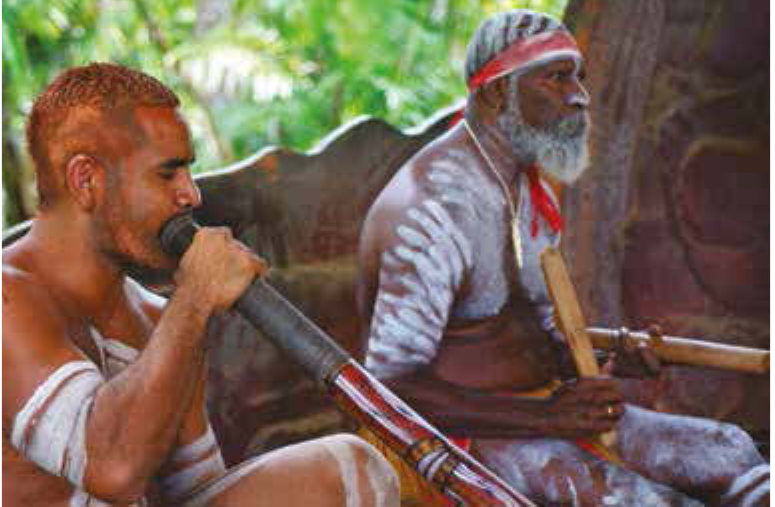
Research consistently shows that Aboriginal and Torres Strait Islander peoples with strong cultural connections experience better health outcomes. Evidence from the Closing the Gap campaign demonstrates that Aboriginal and Torres Strait Islander peoples who maintain strong attachments to culture report significantly better self-assessed health status.
Note
Key Cultural Connection Benefits:
Specific health benefits linked to cultural connection include:
- Language: Those who speak Indigenous languages have better physical and mental health
- Cultural activities: Participation in cultural practices improves overall wellbeing
- Traditional practices: Communities that value and maintain traditional languages and cultural practices show measurably better health outcomes
The National Aboriginal and Torres Strait Islander Health Plan 2013–2023 highlights specific health improvements associated with cultural connection. In communities where traditional languages and cultural practices are valued and maintained, residents experience:
- Lower rates of obesity
- Lower rates of diabetes
- Reduced cardiovascular disease
- Lower morbidity (illness) and mortality (death) rates in remote communities
Important
These improvements are directly linked to connection with culture, family, and land. The relationship between cultural connection and health outcomes demonstrates that culture is not just important for identity, but is a critical factor in physical health.
Connection to the land
Land, often referred to as Country, is fundamental to Aboriginal and Torres Strait Islander health and wellbeing. The relationship with land is spiritual and forms the core of Aboriginal and Torres Strait Islander identity.
Land as identity and belonging
The connection to land provides Aboriginal and Torres Strait Islander peoples with their sense of identity and belonging. Aboriginal law and life originates from and is governed by the land. This relationship is so deep that land has been described as the "second skin" of Aboriginal and Torres Strait Islander peoples.
Important
When the harmony of this relationship with land is disrupted, illness can occur. This connection is not just symbolic but has real health implications.
Real-world examples of land-health connections
The Murray River example:
In the Murray River area, Aboriginal people experienced a direct connection between the poor health of the river and their own physical and mental health. When they couldn't:
- Pass on traditional knowledge about the river
- Undertake traditional activities connected to the river
- Maintain their connection to this important waterway
The result was negative self-assessed physical and mental health and wellbeing. Everything the local people did was related to being around the river, so moving away from these locations and activities caused harm to both physical and mental health.
Voices from Aboriginal and Torres Strait Islander peoples
Aboriginal and Torres Strait Islander people describe their connection to land in powerful ways:
The land is my backbone… I only stand straight, happy, proud and not ashamed about my colour because I still have land… I think of land as the history of my nation. — Galarrwuy Yunipingu, Aboriginal musician
In white society, a person's home is a structure made of bricks or timber, but to our people our home was the land that we hunted and gathered on and held ceremony and gatherings. — Nala Mansell-McKenna, Youth Worker, Tasmanian Aboriginal Centre
These quotes illustrate that land represents much more than property. It is home, history, identity, and the foundation of physical and spiritual wellbeing.
Land as responsibility and empowerment
Aboriginal and Torres Strait Islander peoples view caring for the land as their duty. Through caring for Country, they strengthen both their culture and their health and wellbeing.
Note
The Stolen Generations and Health:
The Stolen Generations report, Bringing Them Home, documents that many Aboriginal and Torres Strait Islander peoples become ill when removed from their traditional land. This demonstrates the profound health impact of disconnection from Country.
Research increasingly confirms that land management practices provide significant mental health benefits. When Aboriginal and Torres Strait Islander peoples engage in land management:
- They feel empowered
- Stress levels decrease
- Mental health and wellbeing improve
This demonstrates the practical health benefits of maintaining connection to Country.
Social and emotional health and wellbeing
Social and emotional health and wellbeing is a holistic concept that recognises multiple interconnected factors affecting Aboriginal and Torres Strait Islander health. It acknowledges that the individual cannot be separated from their community and cultural context.
The seven interconnected domains
Social and emotional health and wellbeing encompasses seven key domains that all influence each other:
Note
The Seven Domains of Social and Emotional Wellbeing:
- Body: Physical health and wellbeing
- Mind and emotions: Mental and emotional health
- Family and kinship: Relationships with family members and kin networks
- Spirit, spirituality, ancestors: Spiritual health and connection to ancestors
- Country: Connection to land and traditional territories
- Culture: Cultural identity, practices, and traditions
- Community: Relationships and connection within the broader community
These seven domains work together to create overall social and emotional wellbeing. They are not separate categories but interconnected elements that influence each other.
The collective perspective
Aboriginal and Torres Strait Islander concepts of health and wellbeing differ from Western individual-focused approaches. The self is viewed as inseparable from, and embedded within, family and community.
This collective perspective means that:
- Individual health is connected to family and community health
- Wellbeing is assessed in terms of community thriving, not just individual success
- Relationships between individuals, families, and communities greatly influence overall physical and mental health
Important
Positive family and community relationships directly affect social and emotional health and wellbeing, which forms the foundation for Aboriginal and Torres Strait Islander peoples to lead successful and fulfilling lives.
Case study: Responses to COVID-19 lockdown – Country is home
The COVID-19 pandemic lockdowns provided a clear demonstration of how connection to Country supports Aboriginal and Torres Strait Islander health and wellbeing in practice.
Example
Case Study: Going Bush During COVID-19
Going bush as a lockdown strategy
When COVID-19 restrictions were introduced, many Aboriginal and Torres Strait Islander peoples chose to "go bush" rather than stay confined in houses. For Graham and Gloria Friday, going out bush was the best strategy for social distancing because Country is home.
As they explained, going bush offered multiple benefits:
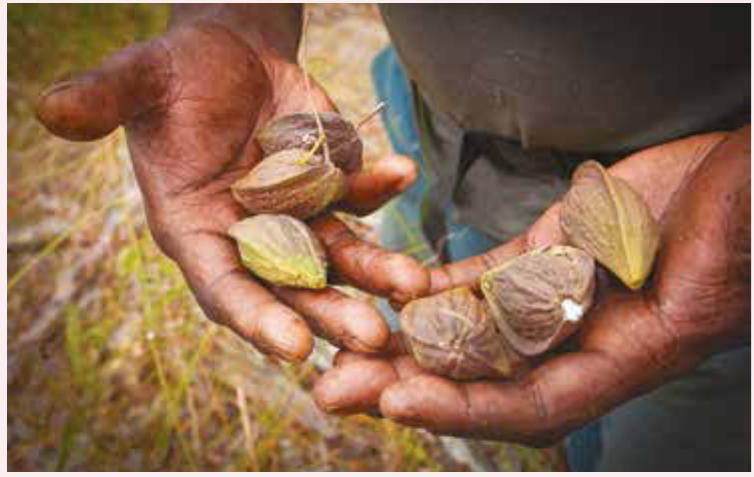
- Potential to find bush medicine to fight illness
- No need to worry about food shortages in shops
- Ability to live off the land through fishing and hunting (dugong, turtle, goanna)
- Freedom from the stresses of town life
Health and wellbeing benefits
In the community of Barunga, people reported that their first response to being "locked up" was to go out bush and spend time on Country. Anne Marie Lee, chair of the Sunrise Health Service Aboriginal Corporation, observed significant positive changes:
More people are going out camping and fishing. People spend maybe a week out there. It's a really good thing, eating that bush tucker again. People are looking more healthy.
The health benefits of going bush during lockdown included:
- Physical health: Access to fresh, traditional foods (bush tucker) improved nutrition
- Family wellbeing: Time away from town worries strengthened family bonds
- Limited alcohol access: Reduced alcohol consumption in bush settings
- Cultural learning: Young people learned traditional survival skills
- Mental health: Connection to Country reduced stress and anxiety
Long-standing preventative healthcare
The case study demonstrates that being out bush represents long-standing, culturally defined preventative healthcare strategies. These are not new responses but traditional approaches to maintaining health and wellbeing.
Communities also reported some experiences common to all Australians during lockdown, such as:
- Increased awareness of the importance of extended family for social, mental, and emotional wellbeing
- Greater consciousness about health
- Increased uptake of flu vaccinations
Building trust
An unexpected positive outcome was that the lockdown measures built trust in government and Aboriginal organisations. When states and territories quickly designated biosecurity areas and restricted travel, community members felt reassured that swift action was protecting them. As Beswick Traditional Owner Esther Bulumbara explained, the quick government response prevented the virus from spreading through the Northern Territory.
Historical context
The case study also acknowledges the complex historical context. For Aboriginal and Torres Strait Islander peoples, particularly in remote areas, the experience of being "locked up" has historical significance related to missions and imprisonment. The Northern Territory has the highest imprisonment rate of any Australian state or territory, with Aboriginal and Torres Strait Islander peoples comprising 84% of the adult prisoner population (compared to a 28% national average in 2018).
However, even with this difficult historical context, connection to Country and family remained central priorities, with families calling for people to be returned home during the pandemic to ensure safety.
Summary
Key Points to Remember:
-
Aboriginal and Torres Strait Islander peoples view health and wellbeing holistically, including culture as a key component alongside physical, social, and emotional wellbeing, with a whole-of-life view that includes the cyclical concept of life–death–life.
-
Strong cultural connection leads to significantly better health outcomes, including lower rates of obesity, diabetes, and cardiovascular disease, especially when traditional languages and cultural practices are valued and maintained.
-
Connection to Country (land) is fundamental to Aboriginal and Torres Strait Islander identity and wellbeing; land is described as the "second skin" and removal from traditional land can cause illness, while land management practices improve mental health through empowerment.
-
Social and emotional wellbeing encompasses seven interconnected domains: body, mind and emotions, family and kinship, spirit/spirituality/ancestors, country, culture, and community, with the individual viewed as inseparable from family and community.
-
Practical examples, such as responses to COVID-19 lockdowns, demonstrate how connection to Country provides real health benefits through access to traditional foods, strengthening of families, cultural learning, and reduced stress.