Prerequisites for Health (VCE SSCE Health and Human Development): Revision Notes
📚Revision Notes
Prerequisites for Health
Introduction to prerequisites for health
In 1986, the World Health Organization held an international health conference in Ottawa, Canada. The resulting document, known as the Ottawa Charter, identified specific prerequisites for health. These are the basic conditions and resources that must be available for any improvements in health and wellbeing to occur.
The Ottawa Charter identifies nine prerequisites for health, which are explained in detail below.
Note
These prerequisites are interconnected. Individuals and communities who have access to one prerequisite often find it easier to access others. For example, a peaceful society makes it more conducive to attend school and receive an education. Education increases the ability to gain meaningful employment and earn an income. Income can then be used to purchase shelter and food.
Peace
Peace can be defined as the absence of conflict. When a community or country experiences peace, there is a decreased risk of premature death, serious injury, disability and other negative effects usually associated with conflict.
How peace promotes health and wellbeing
Physical health and wellbeing:
- Reduces the risk of injury and premature death associated with conflict
- Lowers exposure to violence and war-related trauma
Mental health and wellbeing:
- Decreases levels of stress and anxiety
- Allows people to feel secure and safe
- Enables people to move freely and go about daily activities such as working, accessing food, attending school and socialising
Note
Infrastructure preservation:
Peace promotes the preservation of essential infrastructure including:
- Roads and transport systems
- Agriculture systems
- Water and electricity systems
- Healthcare facilities
- Schools
- Places of employment
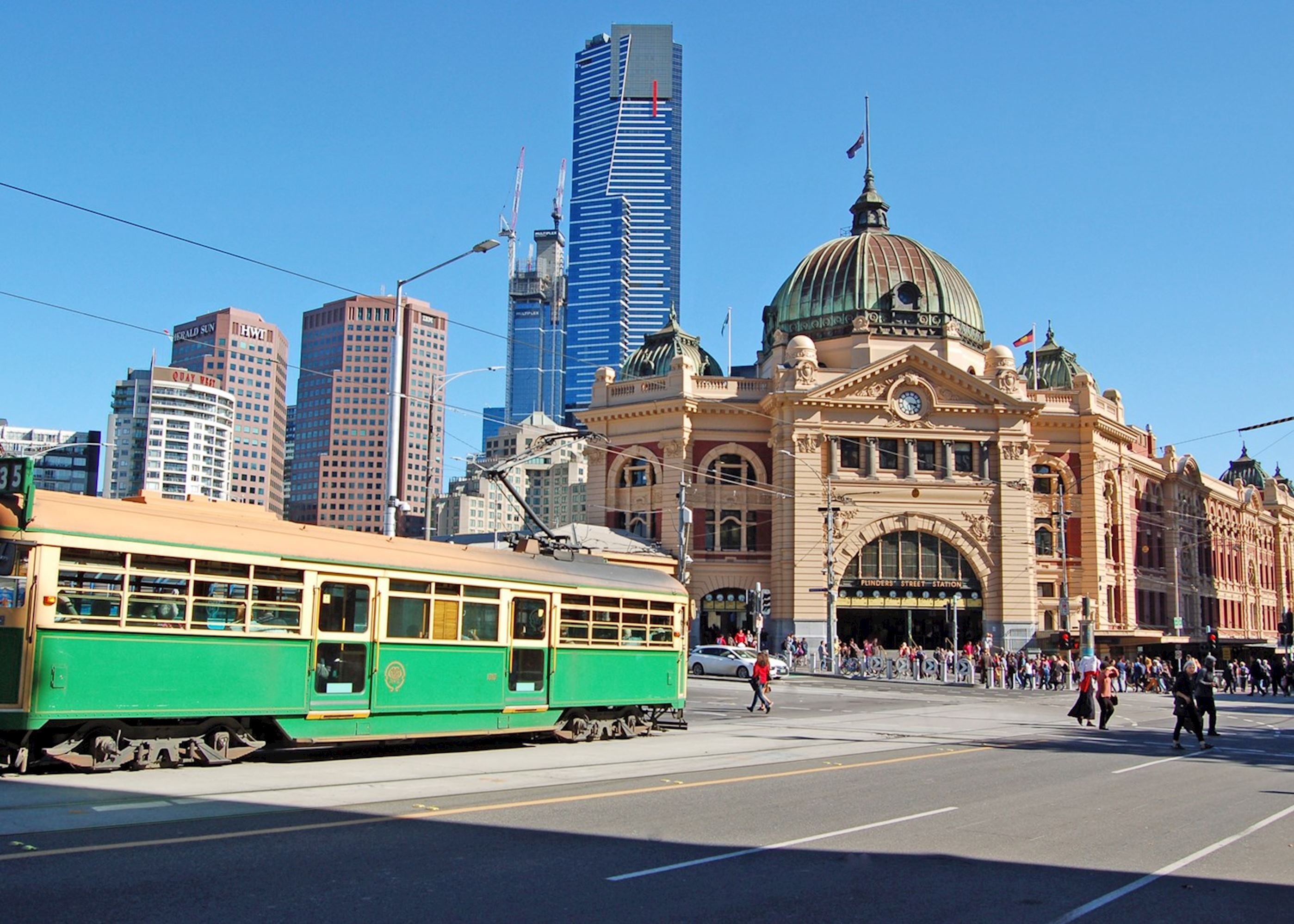
All of these are often destroyed during conflict. Access to this infrastructure provides opportunities for socialisation and leisure activities, reducing stress and anxiety, promoting feelings of belonging in the community, and supporting all dimensions of health and wellbeing.
Note
Government capacity:
A peaceful country increases the capacity of governments to provide resources and services that promote health and wellbeing. When resources are not being used to sustain a war effort, they can be invested in:
- Governance
- Education
- Healthcare
- Trade development
- Social security
- Infrastructure
All of these promote social and economic development, which in turn promotes optimal health and wellbeing.
Shelter
Shelter describes a structure that provides protection from the outside environment. Adequate shelter is a basic human right and provides numerous benefits to health and wellbeing.

How shelter promotes health and wellbeing
Protection from the elements:
- Many geographical regions experience extreme weather events that contribute to hundreds of thousands of deaths each year
- Adequate shelter provides protection from adverse weather
- Reduces levels of stress and anxiety as exposure to extreme weather decreases
- Promotes adequate sleep, which increases the ability to pursue employment and education
- Allows more time to participate in activities that add value to life, such as socialising and participating in community life
Note
Privacy, safety and security:
Shelter reduces the ability of others to enter the living space of residents, which enhances mental wellbeing by reducing stress and anxiety. Inadequate shelter is a key contributor to crimes against people, including assault and theft.
Disease prevention:
- Provides protection against the spread of infectious diseases
- Diseases such as malaria are spread by mosquitoes, which can easily target people without adequate shelter
- Children are particularly susceptible to such conditions, which can result in premature death or reduced ability to gain an education and lead a fulfilling life
Time and energy conservation:
- People do not have to spend time and energy searching for a place to sleep or protection from the elements
- Allows more time to pursue employment and education
- Provides children with a place to study and prepare for school
Spiritual health and wellbeing:
- Provides stability in an individual's life
- Contributes to a sense of belonging in the community
Note
Additional resources:
Adequate shelter often includes other resources such as:
- Toilet facilities
- Clean water
- Electricity
- Cooking facilities
Education
Education impacts health and wellbeing in numerous ways. It empowers individuals and increases their ability to earn an income, understand health promotion messages, exhibit healthy behaviours, and find meaning and purpose in life. Educated people often have greater access to the resources required to experience high levels of health and wellbeing.
How education promotes health and wellbeing
Employment and income:
- Education is often a key requirement for obtaining meaningful and well-paid employment
- Promotes economic development
- Increases the ability of individuals to afford resources such as food, shelter and healthcare
Mental and spiritual health and wellbeing:
- Meaningful employment improves self-esteem
- Provides a sense of purpose and meaning in life
Note
Empowerment:
Educated individuals are more empowered to take control of their lives. Educated women are particularly advantaged in having a say in decisions that affect their lives, such as if and when they get married and whether to have a family. This promotes mental health and wellbeing by reducing stress and anxiety, and reduces the risk of maternal issues that can occur from having babies at a young age.
Literacy: Access to education promotes literacy, which refers to the ability to read and write. Literate individuals are more likely to participate in health-promoting behaviours such as:
- Eating well
- Exercising regularly
- Maintaining social connections
- Accessing healthcare when required
Food
Adequate food intake is both an essential requirement for life and a basic human right. Food security is defined as 'the state in which all persons obtain nutritionally adequate, culturally appropriate, safe food regularly through local non-emergency sources' (VicHealth).
How food promotes health and wellbeing
Physical health and wellbeing:
- Increases the ability to consume required nutrients, which is important for the functioning of the human body
- Provides the energy required to complete daily tasks
- Reduces the risk of undernutrition
- Some nutrients in food increase immunity to disease
Mental health and wellbeing:
- People spend less time looking for food when food security exists
- Less likely to experience stress because they know food is available
Energy provision:
- Adequate energy increases the capacity of children to attend school and learn
- Enables individuals to work and earn an income
- Ultimately contributes to the improvement of a country's economy
Undernutrition
A range of foods and nutrients are essential to prevent undernutrition. Undernutrition contributes to negative impacts, especially on children, including:
Important
Key forms of undernutrition:
- Stunting — a low height for age
- Wasting — a low weight for height
- Nutritional deficiencies — insufficient amounts of nutrients such as protein, vitamins and minerals
Stunting, wasting and nutritional deficiencies contribute to physical and mental problems that can reduce capacity for education and productive work later in life. Those who are undernourished are more likely to experience mental disabilities, poverty and premature death.
Intellectual development
Adequate nutrition can lead to improvements in intellectual capacities. For example:
- Optimal intake of iodine and polyunsaturated fats promote intellectual functioning
- Individuals may develop intellectual skills required for employment in later life
- Increases awareness and skills to access knowledge about health-related factors such as nutrition, hygiene and symptoms of disease
Immune system function
Adequate nutrition promotes optimal immune system function. The immune system works constantly to fight off pathogens (bacteria, viruses and other microbes that can cause disease). Many pathogens are opportunistic, meaning they are more likely to infect people experiencing reduced immune system function, especially children. Adequate nutrition is therefore a significant protector against premature death and poor health and wellbeing.
Global food insecurity
Note
In 2021, an estimated 930 million people around the world were experiencing ongoing food insecurity that hindered their ability to lead a healthy, active life. This results in:
- Significant time and energy spent trying to acquire food or money to buy food
- Less time spent on activities that promote health and wellbeing, such as attending school or work
- Reduced pursuit of leisure activities
Foodborne diseases
Access to safe food decreases the risk of foodborne diseases. Unsafe food containing harmful bacteria, viruses, parasites or chemical substances causes more than 200 diseases, ranging from diarrhoea to cancers. According to the WHO (2021), an estimated 600 million people (almost 1 in 10 people in the world) fall ill after eating contaminated food, and 420,000 die every year. This impacts the ability of people to experience optimal health and wellbeing.
Income
Income is an underlying factor for many health and wellbeing outcomes. From an individual perspective, income increases the ability to afford resources such as healthcare, recreation, transport and education. From a population perspective, income increases the capacity of governments to provide social services and resources.
How income promotes health and wellbeing for individuals
Healthcare access:
-
Healthcare often requires patients to make some payment
-
Decent and reliable income allows individuals to more easily afford healthcare such as immunisations, medication, checkups and surgery
-
Many conditions can be prevented or effectively treated, promoting physical health and wellbeing

Recreation and socialisation:
- Access to money means people can afford activities they enjoy, such as recreational pursuits and socialising
- Promotes mental health and wellbeing by reducing stress and anxiety
- Promotes social health and wellbeing by giving people more choices in social activities
Transport:
- Income increases the ability to access transport such as bicycles, motor vehicles and public transport
- Transport is often required to access education, employment, recreation, healthcare and food
- All of these work to enhance health and wellbeing
Note
Education:
Income increases the capacity of parents to send all their children to school. In many countries, girls miss out on education when financial resources are scarce. Adequate incomes mean all children have the opportunity to attend school and achieve higher levels of education.
Income and education often form a cycle: higher incomes enable higher levels of education, and higher education enables higher incomes.
How income promotes health and wellbeing at a government level
Governments receive income from taxes paid by individuals and businesses. When average incomes are high, government revenue is also likely to be high. Governments are responsible for providing resources and services that promote health and wellbeing:
Public housing:
- Important source of shelter for many individuals
- Governments with high income are better equipped to provide it
- Provides protection from elements and a sense of safety, promoting physical and mental health and wellbeing
Public health and education systems:
- With adequate income, governments can provide basic public health and education systems
- Promotes health and wellbeing of all people, as those in need are generally prioritised, not just those with ability to pay
Social security:
- Relates to benefits provided by government to those in need
- Comes in many forms including food, income, healthcare and housing
- Government income directly influences its ability to provide such resources
Infrastructure:
- Roads, telecommunications and ports (air and shipping) promote all dimensions of health and wellbeing
- Increases ability to receive education, gain employment, trade goods and generate income
- Increases access to health-promoting resources such as education, food, water, sanitation and health facilities
Recreation facilities:
- Public pools, basketball courts, parks and gardens work to prevent illness
- Being physically active promotes physical health and wellbeing by improving fitness and maintaining healthy body weight
- Citizens can socialise in these settings, promoting social interaction and social health and wellbeing
Law and order:
- Governments with adequate income can commit more money to maintaining law and order by providing a police force and judicial system
- Assists in ensuring human rights are upheld
- Reduces stress and anxiety, thereby promoting mental health and wellbeing
A stable ecosystem
An ecosystem is a community that consists of all the living and non-living components of a particular area. Living components include plants, animals and micro-organisms such as bacteria. Non-living components include weather, rocks, soil and watercourses.
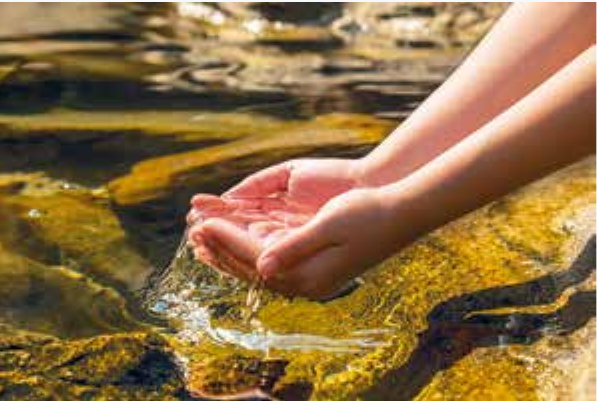
A stable ecosystem occurs when balance is achieved between the environment and the species that live in an environment. Stability indicates that all living things are having their needs for food, water, shelter and reproduction met without causing detrimental effects to the natural environment. Every ecosystem will experience fluctuations in balance, but changes should not be too pronounced to ensure stability is preserved.
How a stable ecosystem promotes health and wellbeing
As living beings, humans are part of an ecosystem. We rely on many components of the environment to survive and experience optimal health and wellbeing:
- Food: Plants and animals provide organic matter for food and energy, improving physical health and wellbeing
- Employment: Plants and animals provide opportunities for employment in fishing and agriculture industries, improving income
- Farming: Predictable weather patterns contribute to effective farming, promoting food security
- Shelter: Human shelter is often made from natural materials such as timber and stone
- Clean water and air: Products of the ecosystem vital for human survival
- Renewable energy: Sources such as water, wind and waves are increasingly important as non-renewable resources decline
- Natural fibres: Used for clothing and other goods, derived from the ecosystem
- Recreation: Natural environments are used for relaxation and recreation, contributing to feelings of connectedness to the natural world and enhancing spiritual health and wellbeing
- Medicines: Many substances used to manufacture medicines are sourced from the natural environment
Important
A balanced ecosystem means these resources are available for human use and can regenerate as quickly as they are used. An ecosystem that is not balanced can mean resources are used faster than they can regenerate, which can have significant impacts on human health and wellbeing by reducing the availability of essential resources.
Case study: Mountain Ash ecosystem under threat
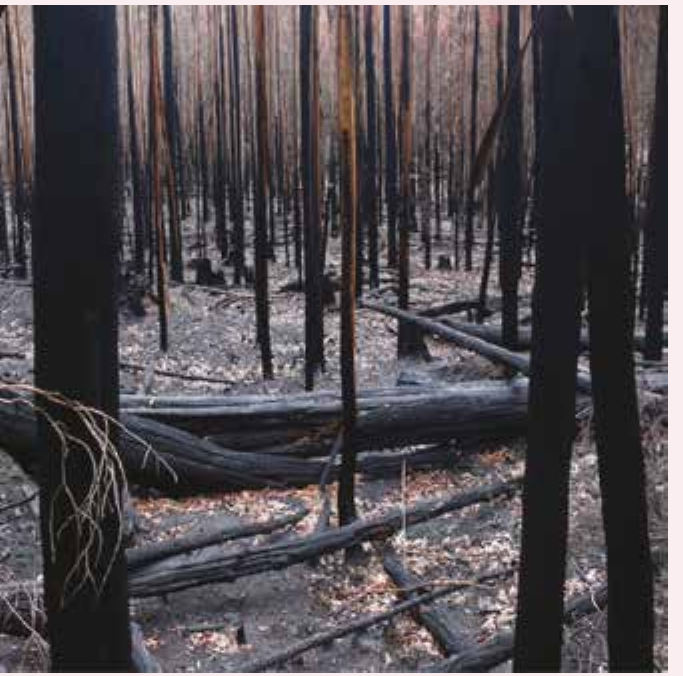
The mountain ash ecosystem in the Central Highlands of Victoria supports the world's tallest flowering plants. It's among the world's most carbon-dense forests, supporting an array of threatened forest-dependent species, and generating almost all of the water for the 5 million inhabitants of Melbourne.
Important
Environmental pressures on the mountain ash ecosystem:
The mountain ash ecosystem is under enormous environmental pressure from widespread and recurrent wildfire, coupled with widespread clear-cut logging. Extensive old growth forests once dominated the ecosystem, but now just 1.16 per cent of the ecosystem is old growth. The widespread young forest is highly flammable and at extreme risk of reburning at high severity, especially due to increased temperatures and greater numbers of days marked as 'extreme' on the forest fire danger index.
The collapse will have severe economic and social effects. The value of water from the ecosystem is 25.5 times greater than the value of the timber generated from the same ecosystem. The collapse also poses an enormous threat for long-term carbon storage, biodiversity conservation and the billion-dollar tourism industry in regional Victoria.
Pressures on the ecosystem:
- Rainfall changes
- Temperature increases
- Fire
- Habitat change/loss
- Invasive species
Sustainable resources
Sustainability is defined by the United Nations as 'meeting the needs of the present without compromising the ability of future generations to meet their own needs.' Sustainable resources therefore relate to ensuring that resources used to promote health and wellbeing in the present are available for future generations, so they too can experience a good quality of life.
Resources required for energy production, food and water supply, employment, housing and healthcare are examples of materials that must be sustainable if current standards of health and wellbeing are to be maintained. As of 2021, these resources are not being used in a sustainable manner, and this poses serious threats to health and wellbeing globally.
Earth Overshoot Day
Important
Critical sustainability statistics:
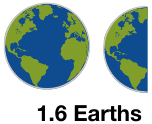
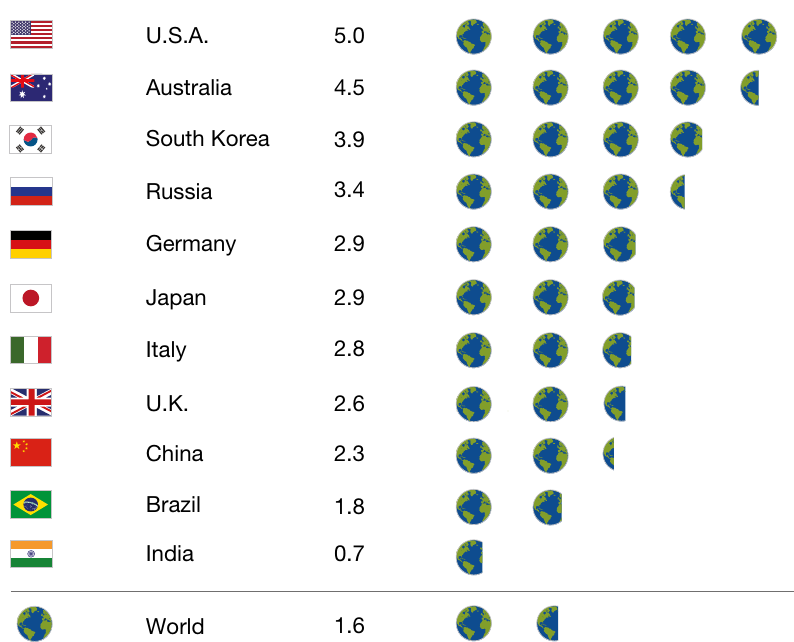
In 1970, we needed only 1 Earth to sustain human activity. In 2020, we needed 1.6 Earths to sustain human activity. This illustrates that humanity is using natural resources faster than the Earth can regenerate them.
Different countries have different ecological footprints. For example:
- If the world's population lived like the USA, we would need 5.0 Earths
- If the world's population lived like Australia, we would need 4.5 Earths
- If the world's population lived like India, we would need only 0.7 Earths
How sustainable resources promote health and wellbeing
Energy production:
- Many resources currently used for energy production (oil, gas, coal) can take millions of years to regenerate
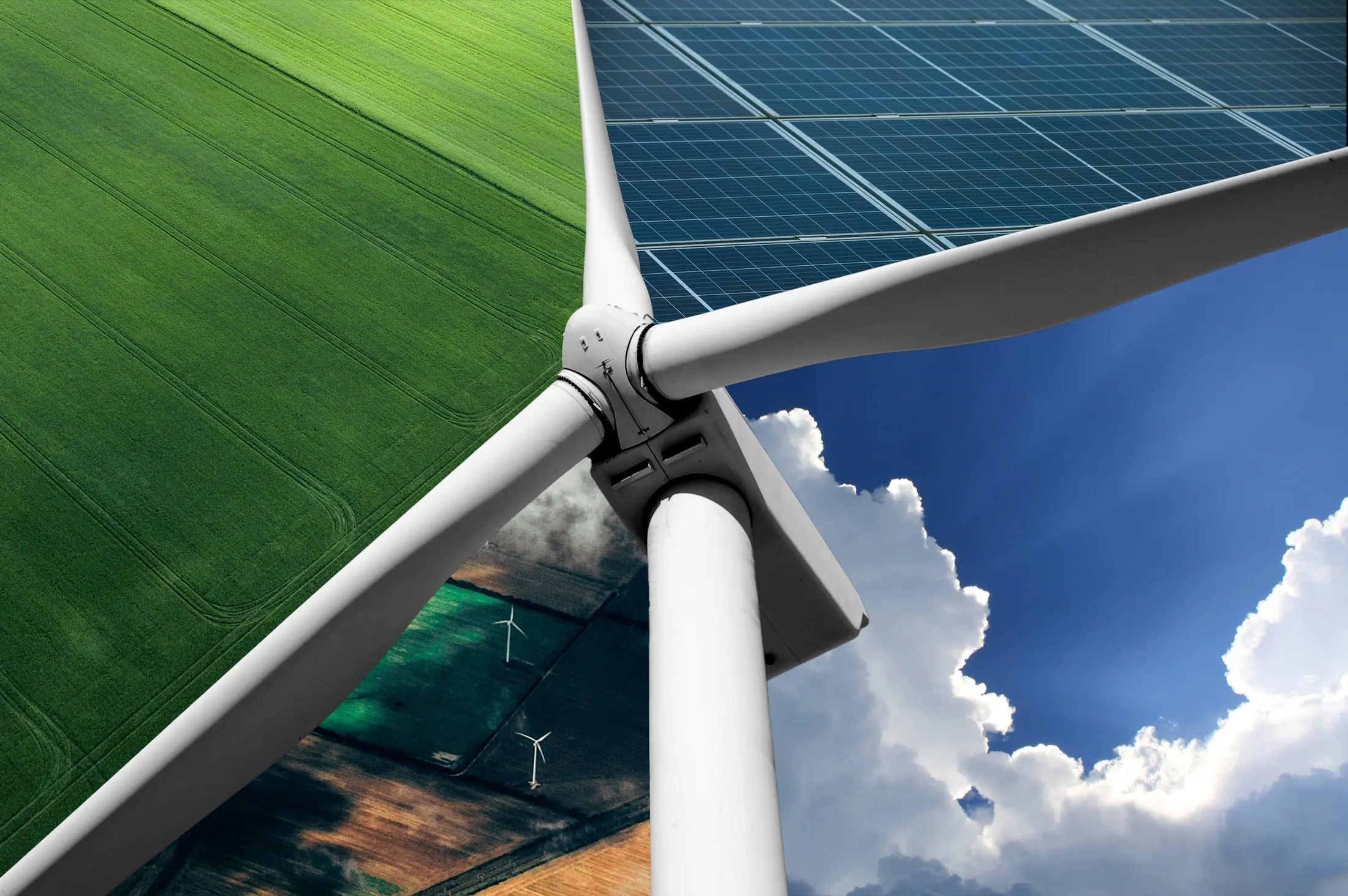
- Transition to sustainable energy production (wind and solar power) will ensure future generations have uninterrupted access to resources
- Energy resources are required for heating, cooling, electricity and transport
- These resources enable activities such as education, employment, sleep, food production and recreation
Note
Food and water sources:
Agriculture currently accounts for over 35 per cent of total land use on Earth and over 70 per cent of total freshwater use. As the world population continues to increase, the need for fertile land and fresh water will continue to rise. Sustainable use of land and water is required to ensure future generations have reliable food and water supply to prevent disease and enhance physical health and wellbeing.
Fisheries:
- Source of food and income for billions of people around the world
- Fish populations are decreasing due to overfishing and habitat destruction
- If this trend continues, food availability and income generation will be negatively impacted
Forests and natural environments:
- Provide timber for building shelter and other structures
- Provide clean air for respiration and disease prevention
- Provide fibres used for manufacturing and clothing
- Provide substances used for medicine production
- Ensuring sustainability is essential to provide these resources and promote an adequate standard of living in the future
Social justice
Social justice can be defined in a number of ways, but the common underlying theme is equal rights for all, regardless of personal traits such as sex, class and income, ethnicity, religion, age or sexual orientation.
Social justice means that all people are treated fairly, including women and girls in both their private and public life. It includes economic justice, a key aspect of which is the ability of all people to earn a decent wage and build material wealth. Social justice includes celebrating diversity and promoting the health and wellbeing of all people.
The Australian government's concept of social justice
Note
The Australian government defines a socially just Australia as one in which there is:
- A fair distribution of economic resources
- Equal access to essential services such as housing, healthcare and education
- Equal rights in civil, legal and industrial affairs
- Equal opportunity for participation by all in personal development, community life and decision-making
How social justice promotes health and wellbeing
When society is just, all people have the same access to resources and opportunities, including:
- Formal education
- Meaningful employment and fair pay
- Adequate shelter
- Social security
- Food and water
- Healthcare
- Recreation and leisure activities
- Community participation
Equal access to these resources ensures that every person has the same opportunity to promote their health and wellbeing. The outcomes of a person's life are not dictated by factors out of their control, such as ethnicity, sex or age.
Equity
Equity is a concept that relates to fairness and social justice, but has a particular focus on disadvantaged groups. In basic terms, equity means that disadvantaged groups are targeted to improve their quality of life and achieve minimum standards of living.
All people in the community should have access to fundamental resources, and governments should implement laws and policies that ensure no person is disadvantaged in their ability to access such resources.
The difference between equity and equality
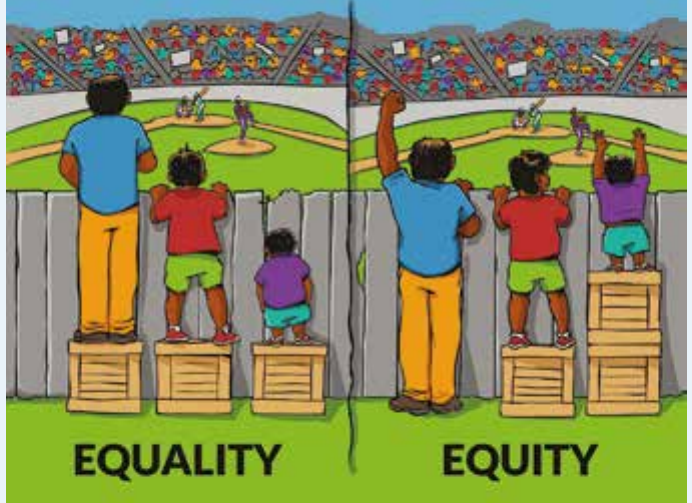
Equity and equality are two related but distinct concepts:
Example
Understanding Equity vs. Equality:
Equity relates to fairness. It is about ensuring every person can access the resources they need to lead a good life and experience a high level of health and wellbeing. Equity includes taking unfair circumstances into account, so that those who are disadvantaged are given the opportunity to participate in life on a level playing field.
Equality relates to all things being equal. Equality is important when all people experience the same conditions such as income, education and occupation.
Practical Example:
- Equality would be achieved if all people in Australia received the same amount of government assistance, regardless of their income, education, home ownership status, level of health and wellbeing, chronic illness or disability, and access to healthcare.
- Equity is reflected when the amount of government assistance provided takes into consideration a person's specific circumstances such as income and access to resources. Equity means that those who need the most assistance receive more support.
How equity promotes health and wellbeing
Equity promotes health and wellbeing by ensuring access to:
- Education
- Employment
- Human rights
- Resources such as healthcare
Equity is a key consideration within and between generations. It also extends to issues of social justice and the sustainable use of resources.
Billions of people around the world, such as the homeless, Indigenous people and those living in poverty, do not experience the same level of health and wellbeing as the rest of the population. Promoting equity improves opportunities for these groups and increases their ability to achieve optimal health and wellbeing.
Example
How Equity Promotes Health and Wellbeing:
Equity means that all people can achieve a minimum level of income. This money can be used for food, shelter and healthcare, which can reduce the risk of developing disease, promoting physical health and wellbeing. It can also mean that people feel valued, which can promote self-esteem and enhance mental health and wellbeing.
Equity relates to a need for fairness in relation to an acceptable quality and standard of living. It goes beyond enforcing laws and ensures that all people can share in the benefits of a society. This can work to reduce feelings of segregation and thereby enhance feelings of belonging and promote spiritual health and wellbeing.
Exam tip: Avoiding double dipping
Important
Avoiding Double Dipping:
When making links between two or more prerequisites and health outcomes, it is important not to 'double dip'. Double dipping is a term used to describe an answer that has used two similar responses and therefore shows limited understanding.
Example of the problem: If you are required to link both income and food to health and wellbeing, each response should show a different aspect of understanding. If the first response discusses how income can be used to purchase food, which provides energy and promotes physical health and wellbeing, there is a risk of double dipping when making the link between food and health and wellbeing.
Solution: To ensure double dipping does not occur, do not use food in the income link. Instead, reference another resource such as being able to afford social activities, adequate shelter or healthcare, and then link to the dimension of health and wellbeing from there.
Remember!
Summary
Key Points to Remember:
-
The Ottawa Charter (1986) identified nine prerequisites for health: peace, shelter, education, food, income, stable ecosystem, sustainable resources, social justice and equity.
-
The prerequisites are interconnected: access to one prerequisite often increases the ability to access others. For example, peace enables education, education enables employment and income, and income enables access to shelter and food.
-
Each prerequisite promotes multiple dimensions of health and wellbeing. For example, shelter promotes physical health (protection from disease), mental health (reduced stress), social health (community participation) and spiritual health (sense of belonging).
-
Food security is essential for life, providing energy, preventing undernutrition, supporting intellectual development and promoting immune system function.
-
A stable ecosystem provides essential resources for human survival including food, water, clean air, shelter materials and medicines. Balance must be maintained for resources to regenerate.
-
Sustainable resources ensure future generations can meet their needs. Currently, humanity is using 1.6 Earths' worth of resources, which is unsustainable.
-
Social justice means equal rights for all, regardless of personal traits. It includes fair distribution of resources, equal access to services and equal opportunity for participation.
-
Equity focuses on fairness for disadvantaged groups, ensuring everyone has access to the resources they need for a decent standard of living. Equity is different from equality: equity provides more support to those who need it most, while equality provides the same support to everyone.