The Implications for Health and Wellbeing of Climate Change (VCE SSCE Health and Human Development): Revision Notes
📚Revision Notes
The Implications for Health and Wellbeing of Climate Change
Climate change is one of the most significant global trends affecting health and wellbeing worldwide. Understanding how rising sea levels, changing weather patterns, and extreme weather events impact health and wellbeing is essential for addressing this global challenge.
What is climate change?
Climate change refers to long-term shifts in global temperatures and weather patterns. Throughout Earth's history, the climate has experienced natural changes due to variations in the planet's orbit around the sun. However, in the past 50 years, human activities have accelerated climate change dramatically.
The burning of fossil fuels to generate energy for transport and industry has caused a 20 per cent increase in carbon dioxide and other greenhouse gases. These gases trap heat from the sun in the atmosphere, leading to global warming and changes in the Earth's climate that go beyond the natural cycle.
Note
Key Definitions:
Globalisation refers to the process through which barriers between countries are reduced or removed. This allows individuals, groups, and companies to operate globally. Reduced barriers to trade, communication, and transport drive this process.
Greenhouse gases are gases that trap heat by absorbing it from the sun. Examples include carbon dioxide and chlorofluorocarbons (CFCs), which are used in aerosol spray manufacturing.
Glaciers are large masses or rivers of ice that form slowly through the accumulation and compression of snow on mountains or near the poles.
Evidence of climate change
Several key indicators demonstrate that climate change is occurring and accelerating at an unprecedented rate.
Temperature increases
The planet has warmed by approximately degrees Celsius since 1850, with each decade becoming progressively warmer. Between 2015 and 2020, the world experienced its warmest years on record. In 2020, between January and October, the global mean temperature was degrees Celsius above the 1850-1900 baseline.
Important
Long-term predictions suggest the planet's temperature could increase by degrees Celsius. This warming has serious consequences, including melting glaciers and ice sheets covering West Antarctica and Greenland.
Ocean warming
The average temperature of the oceans has increased by degrees Celsius, with warming extending as far as 2000 metres below the surface. This ocean warming contributes significantly to climate change impacts.
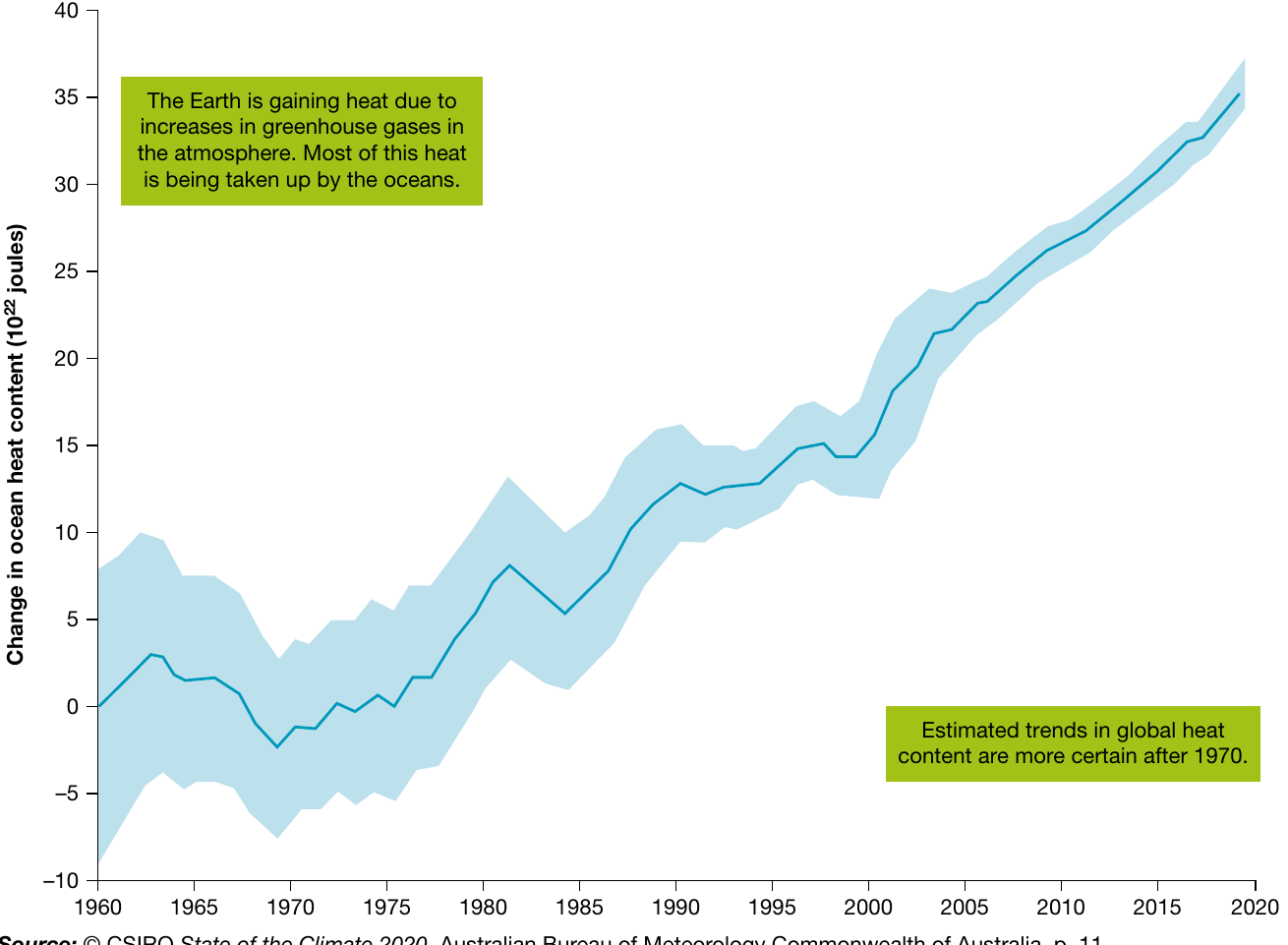
Arctic ice loss
The Arctic sea ice cap has shrunk by per cent each decade since 1978, demonstrating the dramatic impact of warming temperatures on polar regions.
Health impact predictions
Important
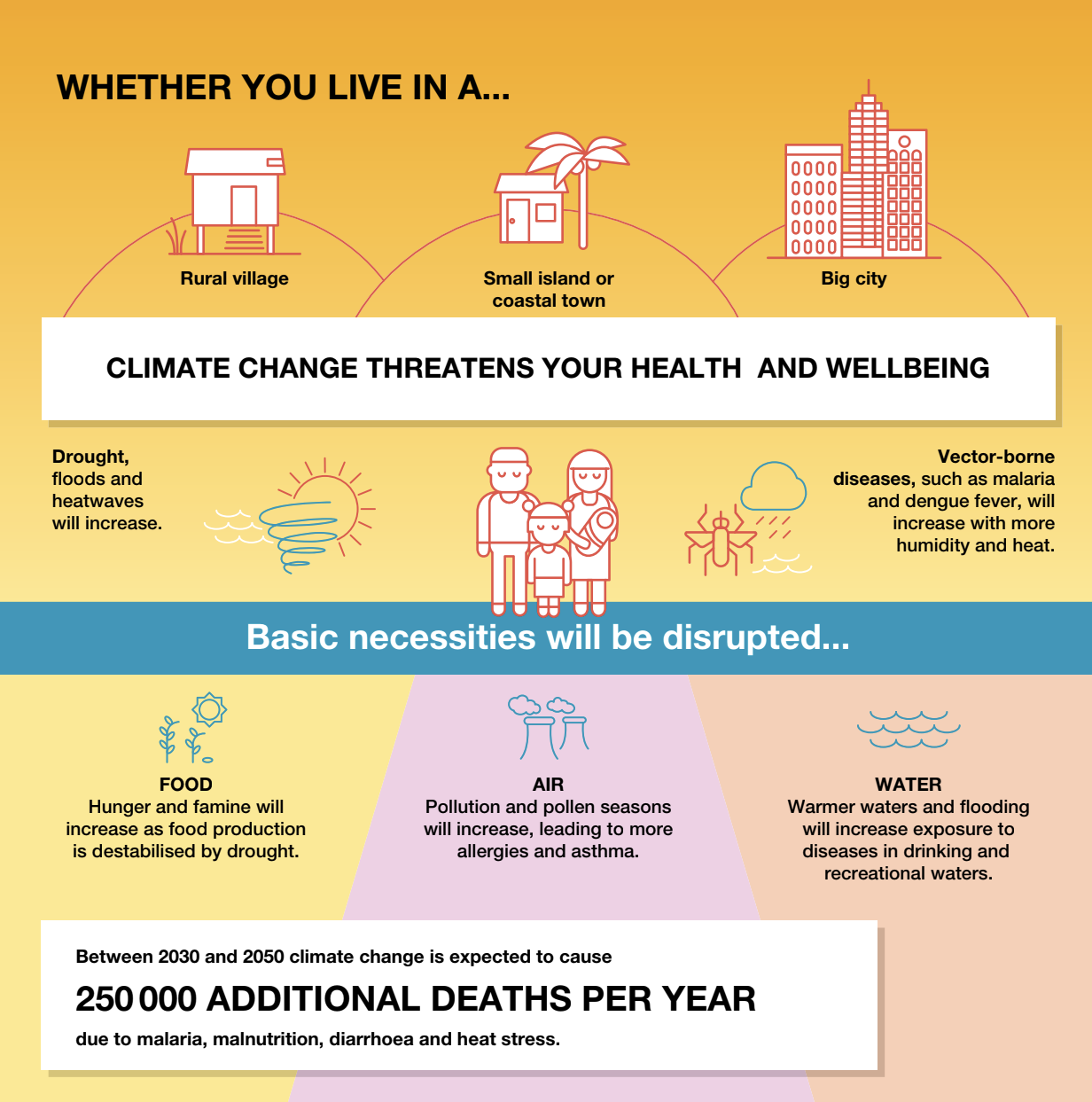
According to the World Health Organization, between 2030 and 2050, climate change is expected to cause approximately 250,000 additional deaths each year from malnutrition, malaria, diarrhoea, and heat stress.
Rising sea levels
One of the most visible consequences of climate change is the rise in global sea levels. This phenomenon poses serious threats to coastal populations and ecosystems worldwide.
Causes of rising sea levels
Two major factors contribute to rising sea levels:
- Thermal expansion: As water warms, it expands in volume. The warming of the oceans causes the water itself to take up more space.
- Melting ice: The increase in water volume results from melting ice in the Earth's polar regions and glaciers.
The rate of sea level rise
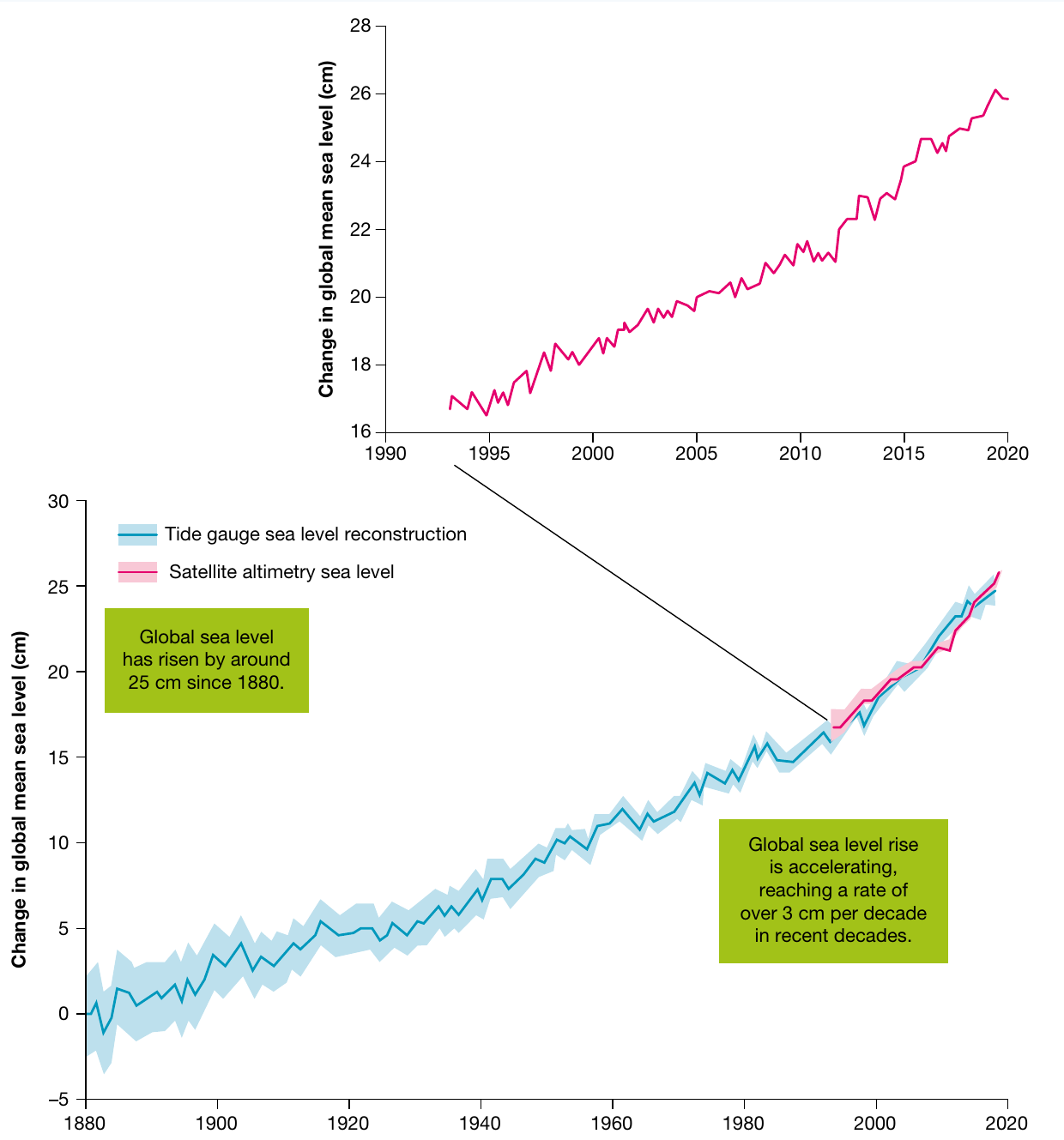
Sea level rise has accelerated significantly in recent decades. From 1961 to 2003, the average sea level increased at approximately millimetres per year. More recently, this rate has increased to millimetres per year, or centimetres per decade.
Note
Total sea level rise since 1880 amounts to approximately centimetres. Scientists predict that if greenhouse gas emissions continue at current rates, average sea levels could increase by almost one metre by 2100. This would force approximately 150-200 million people to relocate as their land becomes submerged.
In some low-lying coastal areas, rising sea levels are already reducing the availability of land for farming.
Impact of rising sea levels on health and wellbeing
Rising sea levels create multiple challenges that significantly affect health and wellbeing across all dimensions. These impacts are interconnected and often compound each other, creating complex health challenges that require comprehensive responses.
Forced relocation of coastal populations
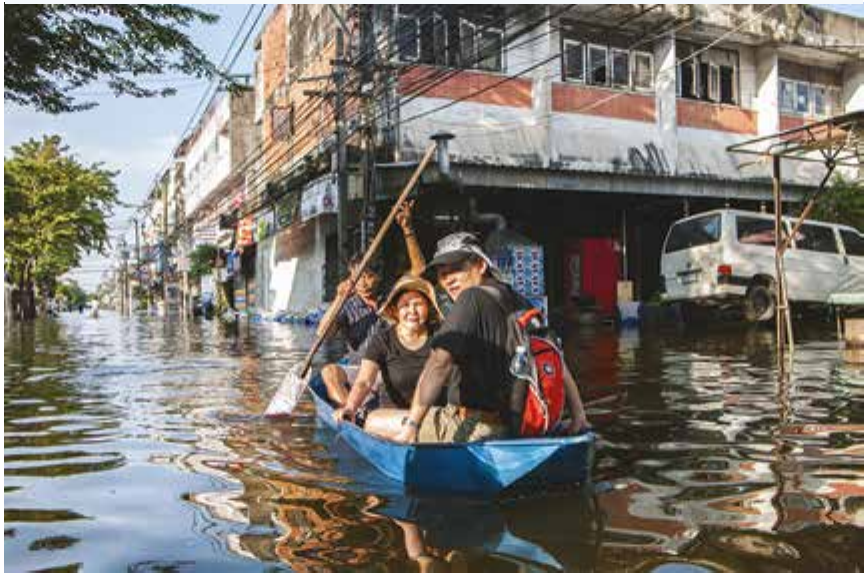
More than half of the world's population lives within 60 kilometres of the sea. Rising sea levels mean that people in coastal areas will lose their villages and farms to flooding, forcing them to relocate.
Impact on health and wellbeing:
- Mental health and wellbeing: The stress of having to relocate houses and farms increases the risk of poor mental health and wellbeing.
- Physical health and wellbeing: Relocation places strain on existing infrastructure, including safe water and sanitation services, housing, and healthcare services. This leads to poor physical health and increased mortality rates from communicable diseases such as diarrhoea and malaria.
- Social health and wellbeing: Relocating disrupts social networks within communities, reducing levels of social health and wellbeing.
- Spiritual health and wellbeing: People become disconnected from their communities and traditional lands, impacting their sense of belonging and purpose.
Reduction in fresh water availability
As sea levels rise, salt water gradually infiltrates fresh underground water sources known as aquifers and freshwater springs. These aquifers provide most of the fresh water available for human use on the planet.
Note
Key Definitions:
Aquifer refers to an underground layer of rock, sediment, or soil that contains water.
Desalination is the process of removing salt from water, especially sea water, to make it suitable for drinking or irrigation.
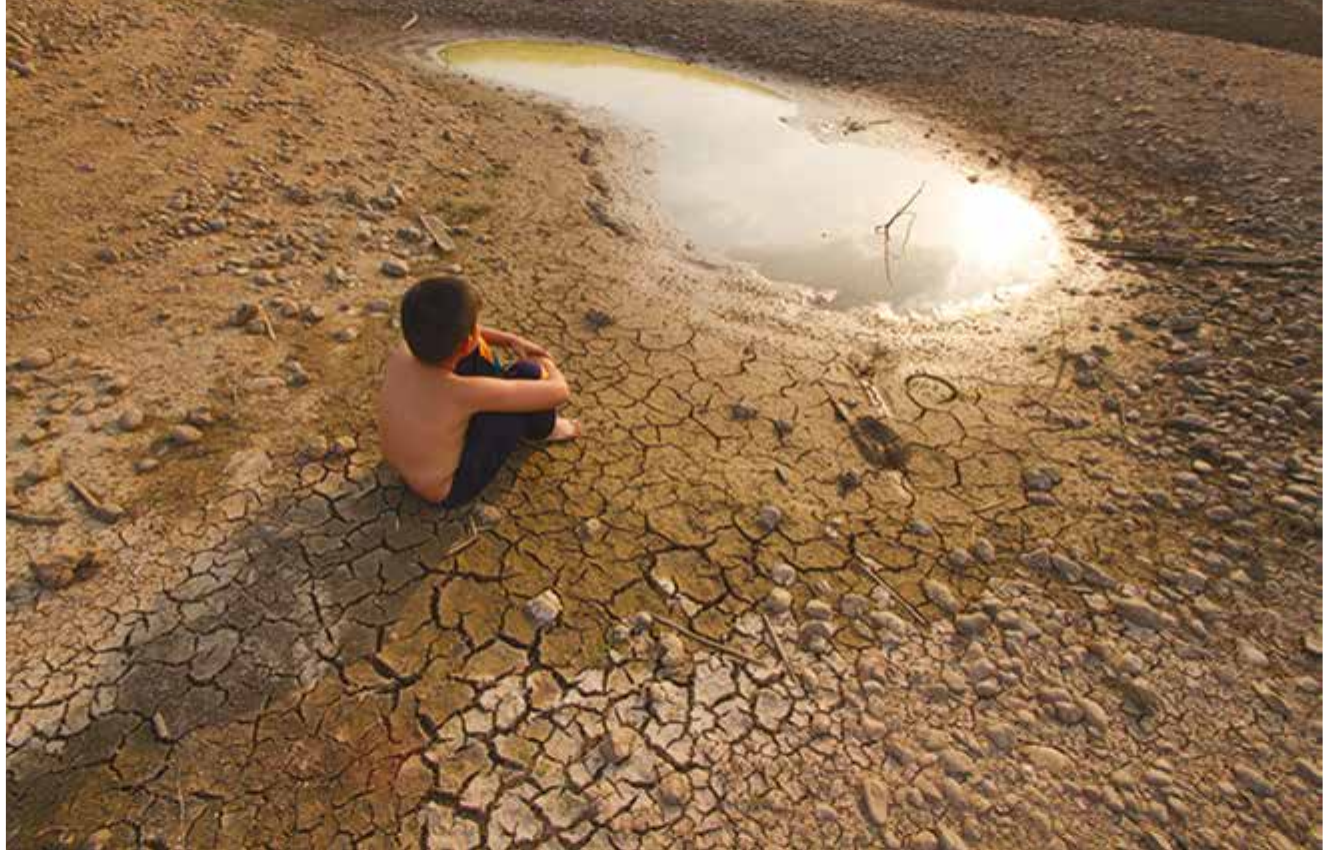
People cannot drink salt water, and many plants cannot tolerate high salt levels. While desalination plants can remove salt from water, they are extremely costly to build and maintain. Many countries lack the necessary resources for desalination. This will lead to widespread water scarcity with significant consequences for health and wellbeing.
Impact on health and wellbeing:
- Physical health and wellbeing: Water scarcity increases morbidity and mortality from diarrhoea and other water-borne diseases as people struggle to reuse limited water supplies. Families may lack sufficient money to afford food, clothing, shelter, and healthcare, increasing the risk of malnutrition and illness.
- Mental health and wellbeing: Water scarcity leads to increased poverty as people must pay large amounts to purchase clean drinking water. This produces significant stress and anxiety.
- Conflict: Water scarcity is anticipated to be a major cause of conflict as countries compete for limited freshwater supplies. Conflict leads to poor health and wellbeing across all dimensions.
Reduced food availability
Salt water is unsuitable for many trees, plants, and crops. Existing seeds, grains, fruits, and vegetables will not grow successfully in many areas. Fruit trees that provide food are likely to stop bearing fruit due to salinity.
The increased temperature of the oceans leads to greater acidification, which affects marine life such as clams, oysters, and sea corals. These animals provide food for other marine creatures. Disruption to the marine ecosystem reduces the number and variety of fish and seafood available for consumption, affecting thousands of people worldwide who rely on seafood as their main food source.
Note
Key Definitions:
Acidification refers to the decrease in pH levels of the ocean that occurs when carbon dioxide in the atmosphere reacts with sea water.
Ecosystem refers to a community of living things and the non-living components of their environment. An ecosystem can include plants, animals, micro-organisms, water, air, soil, and rocks.
Impact on health and wellbeing:
- Physical health and wellbeing: Reductions in food supply lead to widespread hunger and malnutrition, reducing immunity to disease, contributing to micronutrient deficiencies, causing lack of energy, and resulting in stunted growth in children.
- Emotional health and wellbeing: Poor physical health reduces emotional wellbeing as people worry and become fearful about feeding their families and risks of ongoing illness.
- Social health and wellbeing: Illness and fatigue affect a child's ability to attend school and a parent's ability to work, reducing opportunities to develop relationships.
- Spiritual health and wellbeing: Ongoing illness and hunger lead to disempowerment and disconnection from the community.
Changes in biodiversity
Increased salt water changes the chemistry of soil in coastal areas, making it unsuitable for many coastal plants to survive. Many wildlife species, such as shorebirds and sea turtles, use sand on beaches to nest. Rising sea levels could lead to flooding and erosion of these areas, reducing habitats and endangering these animals.
Note
Biodiversity refers to the variety of different plants, animals, and micro-organisms, their genes, and the ecosystems of which they are part.
Biodiversity is essential for keeping resources such as water and soil healthy and capable of recovering from disasters and pollution. It helps ensure a sustainable food supply and provides the source of many medicines and drugs. All species are part of complex ecosystems that rely on a wide variety of plants and animals to be sustainable. Rising sea levels and salinity can interrupt these ecosystems and threaten many systems that sustain life, impacting all dimensions of health and wellbeing.
Changing weather patterns and extreme weather events
Global warming is causing the weather and climate to change. Oceans play a crucial role in determining climate, and the increasing ocean temperatures have brought about changing weather patterns.
Extreme temperature changes
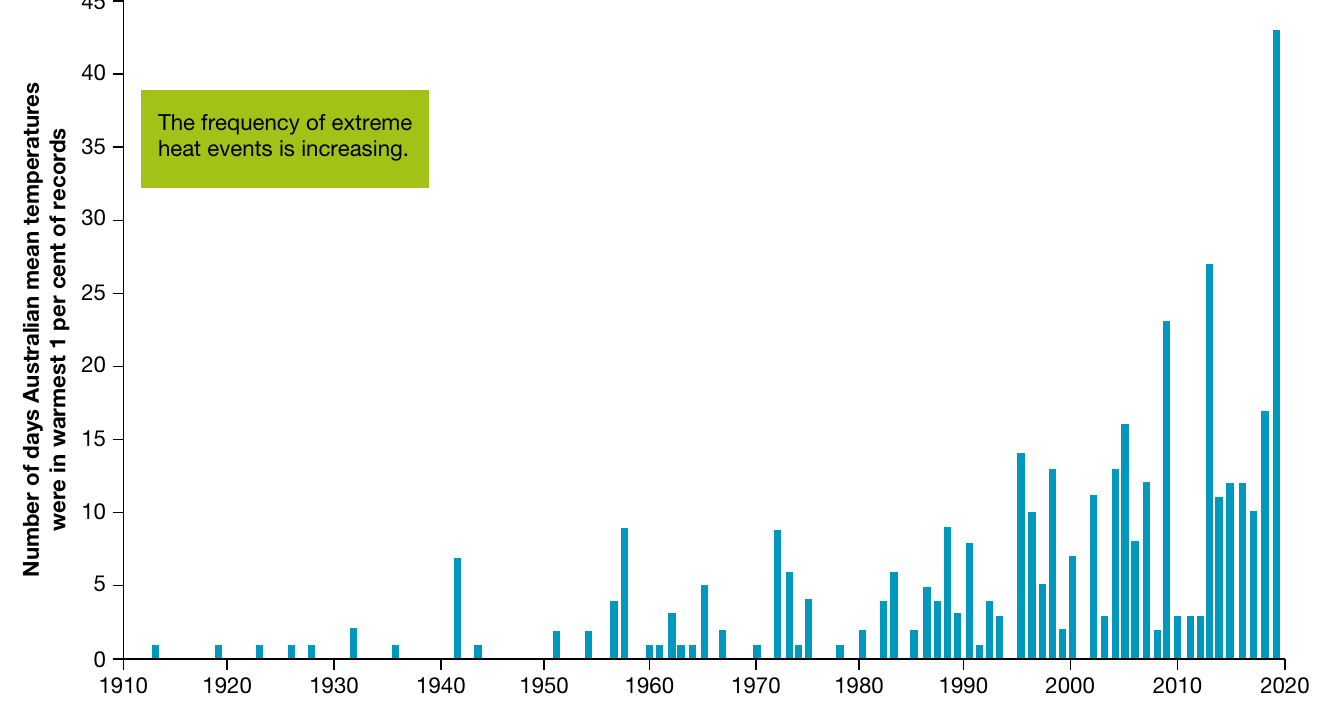
With temperatures expected to increase, we will likely experience more extremely hot days and fewer extremely cool days. The frequency of days with extremely high temperatures in Australia continues to increase. In 2019, Australia experienced 43 extremely warm days, more than triple the number experienced in any year before 2000.
Changing rainfall patterns
Rainfall patterns are also expected to change significantly. Dry regions will become even drier, and wet regions will become even wetter. For example, in Australia, rainfall from May to July has reduced by around 20 per cent since 1970 in southwestern areas but has increased across parts of northern Australia.
Increase in extreme weather events
Important
Extreme weather events are becoming more common, with weather-related natural disasters having more than tripled since the 1960s.
We can expect:
- More frequent heatwaves, making droughts and fires more likely in many areas
- Declining rainfall in countries such as Ethiopia, where droughts are already common (potentially declining by 10 per cent over the next 50 years)
- More cyclones, floods, droughts, fires, and storms
These changes will affect health and wellbeing by increasing infectious diseases, bringing about temperature extremes that change the types of crops that can be grown, and reducing access to fresh water.
Impact of changing weather patterns and extreme weather events on health and wellbeing
Increased temperatures, changing rainfall patterns, and more extreme weather events will impact health and wellbeing globally. We are likely to see significant increases in various health challenges.
Increased incidence of infectious diseases
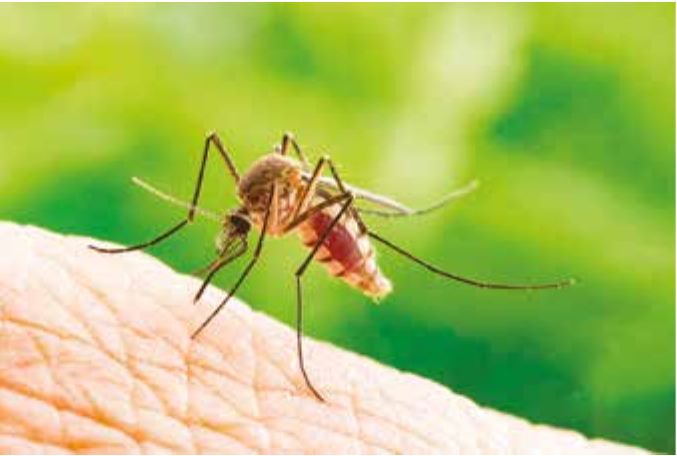
Many infectious diseases are spread by mosquitoes that breed in surface water that becomes stagnant. Mosquitoes thrive in humid conditions. Warmer temperatures create ideal breeding grounds for mosquitoes.
Impact on health and wellbeing:
- Physical health and wellbeing: An increase in the mosquito population could result in increased diseases such as malaria, dengue fever, and yellow fever. These diseases may spread into countries that were previously unaffected. Floods and droughts also increase the risk of diarrhoeal diseases. Other diseases linked to heavy rainfall and contaminated water supplies include cholera, giardia, typhoid, and hepatitis A.
Increased burden of disease from cardiovascular disease and asthma
Extreme temperatures can be fatal, particularly for people who suffer from cardiovascular and respiratory diseases, the elderly, and young children. Climate change is predicted to increase the frequency and intensity of heatwaves, as well as produce warmer summers and milder winters.
Impact on health and wellbeing:
- Physical health and wellbeing: Pollen levels increase during periods of high heat and can trigger asthma, which already accounts for a high burden of disease.
Increased homelessness
The impact of extreme temperatures is likely to be greater in low- and middle-income countries, as they lack resources to cope with natural disasters. These disasters often leave people displaced or homeless.
Impact on health and wellbeing:
- Mental and emotional health and wellbeing: Homelessness is a major cause of poor emotional and mental health.
- Social and spiritual health and wellbeing: Homelessness reduces social connection and belonging, thereby reducing social and spiritual health.
- Physical health and wellbeing: Without safe housing, the risk of injury and violence increases.
Increased hunger and malnutrition
Changes in weather will affect the growth of many crops around the world. Different crops have different temperature preferences. For example, wheat and rice grow well in high temperatures, while maize and sugar cane prefer cooler climates. Changes in rainfall patterns will also affect how well plants and crops grow.
Impact on health and wellbeing:
- Physical health and wellbeing: Changes in weather may lead to some countries not having enough food and experiencing high levels of hunger and undernutrition. Children are especially at risk of stunting and poorly developed immune systems, increasing their risk of contracting diseases and suffering for longer periods.
- Social health and wellbeing: Hunger reduces a child's opportunity to attend school and develop social connections.
- Mental health and wellbeing: Mothers often must care for sick children, reducing their time to work in the fields to provide food for the family. This increases stress and anxiety.
Reduced access to fresh water
Flood water contaminates water stores, making clean water unavailable for drinking.
Impact on health and wellbeing:
- Physical health and wellbeing: This increases the incidence of water-borne diseases such as diarrhoea, typhoid, and giardia. Flooding is also responsible for drownings and physical injuries.
Climate change impacts across different settings
Climate change threatens health and wellbeing regardless of where people live, though the specific impacts vary by location.
Note
Whether people live in rural villages, small islands and coastal towns, or big cities, they will face:
- Increased droughts, floods, and heatwaves
- Vector-borne diseases such as malaria and dengue fever (particularly in areas with increased humidity and heat)
- Disruption to basic necessities including food, air quality, and water supplies
- Hunger and famine as food production becomes destabilised by drought
- Increased pollution and longer pollen seasons, leading to more allergies and asthma
- Contaminated drinking and recreational waters due to flooding and warmer temperatures
Exam tips
Important
Exam Strategy for Climate Change Questions:
When asked to discuss the impact of climate change on health and wellbeing:
- Choose an example linked to either rising sea levels, changing weather patterns, or extreme weather events
- Show how your chosen example impacts different dimensions of health and wellbeing
- Use specific examples for each dimension
- Consider both direct impacts (e.g., physical injury from flooding) and indirect impacts (e.g., stress from food insecurity)
- Remember that impacts often affect multiple dimensions simultaneously
- Link causes to effects clearly
Remember!
Summary
Key Points to Remember:
- Climate change is caused primarily by increased greenhouse gas emissions from burning fossil fuels, leading to global warming.
- Rising sea levels (currently increasing at mm per year) force population relocation, reduce fresh water availability, decrease food supplies, and change biodiversity, affecting all dimensions of health and wellbeing.
- Changing weather patterns and extreme events are increasing in frequency and intensity, with Australia experiencing extreme heat days more than triple pre-2000 levels.
- Climate change increases infectious diseases (through mosquito breeding), cardiovascular and respiratory problems (through heat and pollen), homelessness (through natural disasters), hunger and malnutrition (through crop disruption), and water scarcity (through flooding and drought).
- Between 2030 and 2050, climate change is expected to cause approximately 250,000 additional deaths per year from malnutrition, malaria, diarrhoea, and heat stress, demonstrating the urgent need for global action.