The Implications for Health and Wellbeing of Conflict and Mass Migration (VCE SSCE Health and Human Development): Revision Notes
📚Revision Notes
The Implications for Health and Wellbeing of Conflict and Mass Migration
Introduction
Conflict and mass migration have emerged as critical global trends with profound consequences for health and wellbeing worldwide. Since the early 2000s, armed conflicts have intensified, while the number of people forcibly displaced from their homes has reached unprecedented levels. These interconnected challenges create cascading health impacts that extend far beyond immediate physical dangers, affecting mental health, social wellbeing, and the healthcare systems of entire regions.
Conflict
Global trends in conflict
Since 2001, the scale and intensity of conflict worldwide has increased dramatically. The World Health Organization has identified that armed conflicts are now the largest and longest experienced since the end of World War II. This represents a significant shift in global security, with the number of refugees and displaced people as a result of conflict also reaching its highest point since World War II.
Important
Modern conflicts have fundamentally changed in nature. International humanitarian law, which traditionally protected civilians and healthcare facilities during wartime, is now being largely ignored. Healthcare facilities are deliberately targeted and bombed, while siege tactics and deliberate starvation are being employed as weapons of war. Acts of terrorism that deliberately target civilian populations have become both more common and more deadly.
These factors combined have elevated conflict to the status of a major global trend affecting health and wellbeing.
Impact of conflict on health and wellbeing
Conflict creates widespread and devastating impacts on health and wellbeing across all dimensions. While the immediate loss of life is the most obvious consequence, the associated effects penetrate every aspect of society and can persist long after fighting ends.
Physical health impacts
The destruction caused by conflict severely compromises physical health and wellbeing. When the physical environment is destroyed, access to essential supplies such as food and water becomes severely limited. Healthcare services become inaccessible or cease to function entirely. This creates a dangerous situation where malnutrition increases rapidly, and medical conditions that would normally be treatable during peacetime—such as injuries from accidents or common infections—are left untreated.

Note
Water and sanitation facilities are frequently destroyed during conflicts, as are electricity supplies. This destruction places thousands of people at immediate risk of dying from diseases caused by unsafe water. The combination of poor sanitation, lack of clean water, and limited healthcare creates conditions perfect for disease outbreaks.
Conflict also leads to significant increases in physical injuries from violence. Maternal and infant mortality rates rise sharply as pregnant women lose access to safe delivery services and emergency obstetric care. Outbreaks of communicable diseases become more common and severe, with diseases such as typhoid, dysentery, and cholera spreading rapidly through populations lacking clean water and proper sanitation.
Mental and emotional health impacts
The psychological toll of conflict is enormous. Individuals living in conflict zones experience constant fear for their own safety and the wellbeing of their families. This chronic stress and anxiety has lasting effects on mental and emotional health and wellbeing. The trauma of witnessing violence, losing loved ones, and living with uncertainty creates conditions for long-term mental health challenges including post-traumatic stress disorder, depression, and anxiety disorders.
Vulnerable populations
Those who were already experiencing poor living conditions and poor physical health before conflict began are often the most severely affected. Low- and middle-income countries frequently lack the economic resources to sustain a war effort while simultaneously providing basic resources and services for their populations. This economic strain means vulnerable groups receive even less support during conflicts.
Important
Women face particularly high risks during conflict situations. They experience increased rates of rape and abuse when conflict occurs. The lack of protection from opposing forces has severe impacts on the physical, social, spiritual, emotional, and mental health and wellbeing of women and children. Displaced women and children become especially vulnerable to sexual and gender-based violence.
Challenges for healthcare delivery
During times of conflict, the risks of personal injury and the destruction of infrastructure make it extremely difficult for aid workers to reach those requiring assistance. Health workers themselves face significant dangers and obstacles in carrying out their duties. This compounds the negative effects on population health and wellbeing, as even willing healthcare providers cannot safely deliver services.
Long-term consequences
The impacts of conflict rarely disappear when fighting ends. Life rarely returns to normal, and the damage inflicted may prevent people from ever achieving living standards equivalent to those before the conflict.
Note
Long-lasting effects such as the presence of landmines continue to threaten lives and limit land use for many years after conflicts conclude. The destruction of infrastructure—roads, hospitals, schools, water systems—requires years or decades to rebuild.
Economic impacts persist long after conflicts end. Many families lose their primary income earner to death, injury, or displacement. This loss of economic support can drive entire families deeper into poverty, creating intergenerational health and wellbeing challenges.
Mass migration
Definition and overview
Mass migration refers to the movement of large groups of people from one geographical area to another. The primary driver of mass migration in the modern world is the forced displacement of people as a result of conflict, persecution, violence, and violations of human rights.
Important
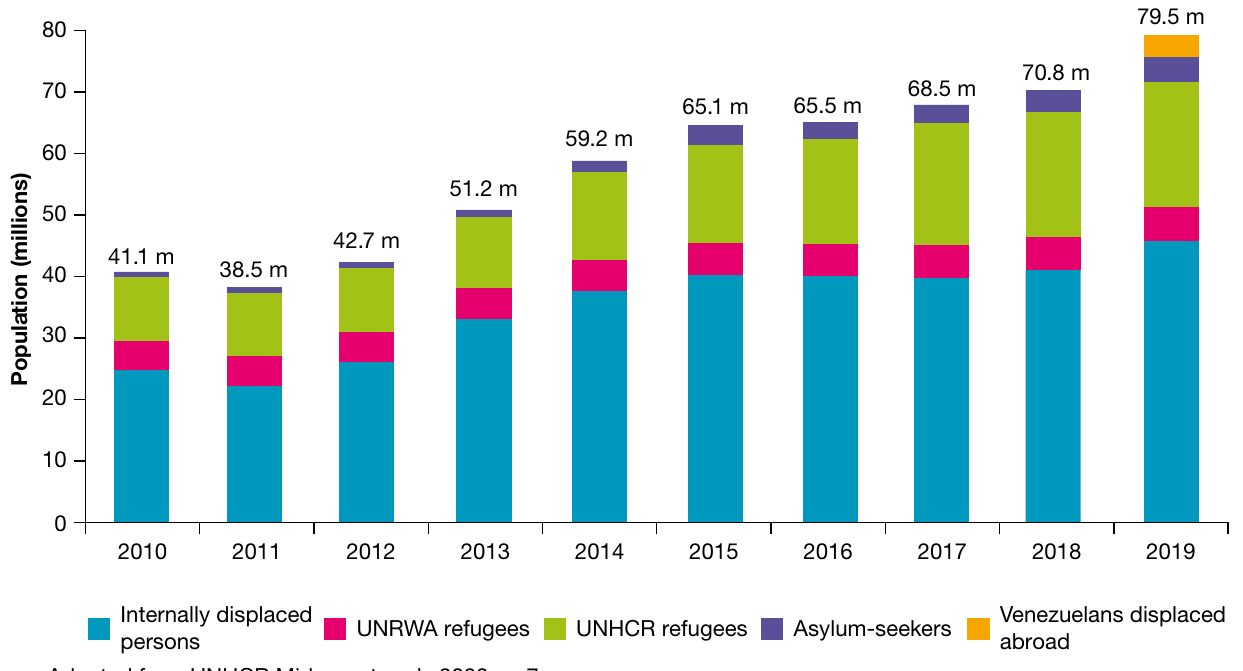
The scale of mass migration has reached crisis proportions. In 2020, the United Nations Refugee Agency (UNHCR) estimated that 79.5 million people were at risk as a result of forced displacement. This staggering figure represents approximately 1% of the world's population, or 1 in every 97 people globally.
Types of displaced people
Mass migration encompasses several distinct categories of displaced individuals, each with different legal statuses and challenges:
Refugees
Refugees are people who have fled their country and crossed an international border to find safety in another country. They often escape with little more than the clothes on their back, leaving behind homes, possessions, jobs, and loved ones. By crossing an international border, refugees come under international protection and the mandate of UNHCR.
Asylum-seekers
Asylum-seekers are people who have fled their country and are seeking international protection, but for whom their request for protection in another country has yet to be processed. They are awaiting a determination of their refugee status. During this waiting period, asylum-seekers exist in legal uncertainty, which can affect their access to services and employment.
Internally displaced persons (IDPs)
Internally displaced persons (IDPs) are people who have been forced to leave their homes but have not crossed an international border to find safety. They remain within their own country, displaced internally.
Note
IDPs represent the largest category of displaced people, and they often face unique challenges as they remain under the authority of their own government, which may be the source of their displacement.
Stateless persons
Stateless persons are people who do not have the nationality of any country. This situation leaves them without protection of their human, social, or political rights. Stateless individuals cannot access basic services such as education or healthcare, and they lack freedom of movement. They exist in a legal limbo, unable to claim the rights that citizenship normally provides.
Scale and statistics of displacement
The number of displaced people has been increasing steadily since 2012. According to UNHCR's 2020 mid-year report, the 79.5 million people forcibly displaced worldwide included:
- 26 million refugees
- 4.2 million asylum-seekers
- 45.7 million internally displaced persons
- 4.2 million stateless people
Note
In 2020 alone, UNHCR offices reported that at least 11 million people were newly displaced. Of these:
- Approximately 8.6 million were displaced within their own country (became IDPs)
- Around 2.4 million were displaced across international borders (became refugees or asylum-seekers)
Most people who cross international borders move into neighbouring countries rather than travelling to distant regions. This pattern places particular strain on countries that are often already struggling economically.
Geographic distribution and host countries
When people are internally displaced, it typically results in severe overcrowding in urban centres as people flee rural conflict zones. Those who manage to cross international borders are predominantly forced to relocate to other low- and middle-income countries, rather than to wealthier nations.
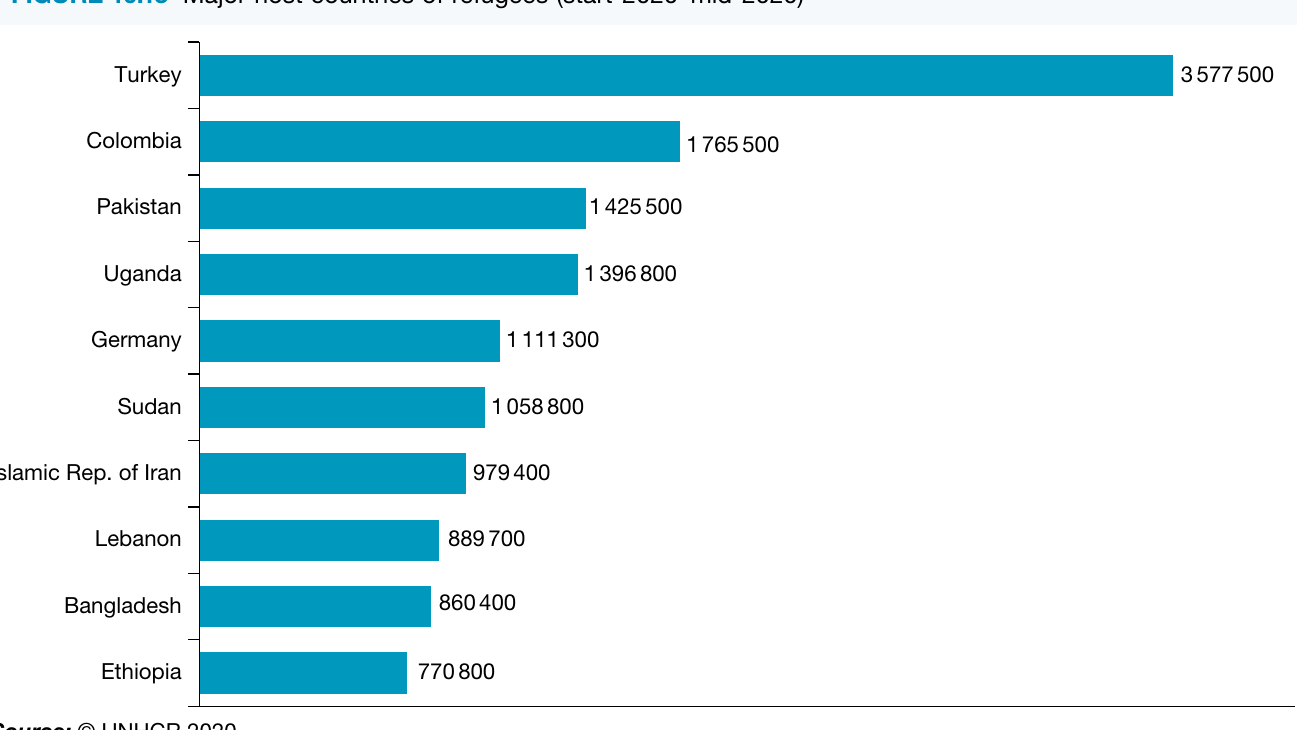
The top ten host countries for refugees from the start of 2020 to mid-2020 were:
- Turkey: 3,577,500 refugees
- Colombia: 1,765,500 refugees
- Pakistan: 1,425,500 refugees
- Uganda: 1,396,800 refugees
- Germany: 1,111,300 refugees
- Sudan: 1,058,800 refugees
- Islamic Republic of Iran: 979,400 refugees
- Lebanon: 889,700 refugees
- Bangladesh: 860,400 refugees
- Ethiopia: 770,800 refugees
Important
This distribution pattern creates enormous challenges. Most host countries are low- and middle-income countries with struggling economies, limited infrastructure, and fragile security situations. The arrival of millions of displaced people creates substantial burdens on these already stretched systems.
Impact of mass migration on health and wellbeing
Mass migration has profound and wide-ranging impacts on health and wellbeing, affecting both displaced populations and host communities.
Living conditions and poverty
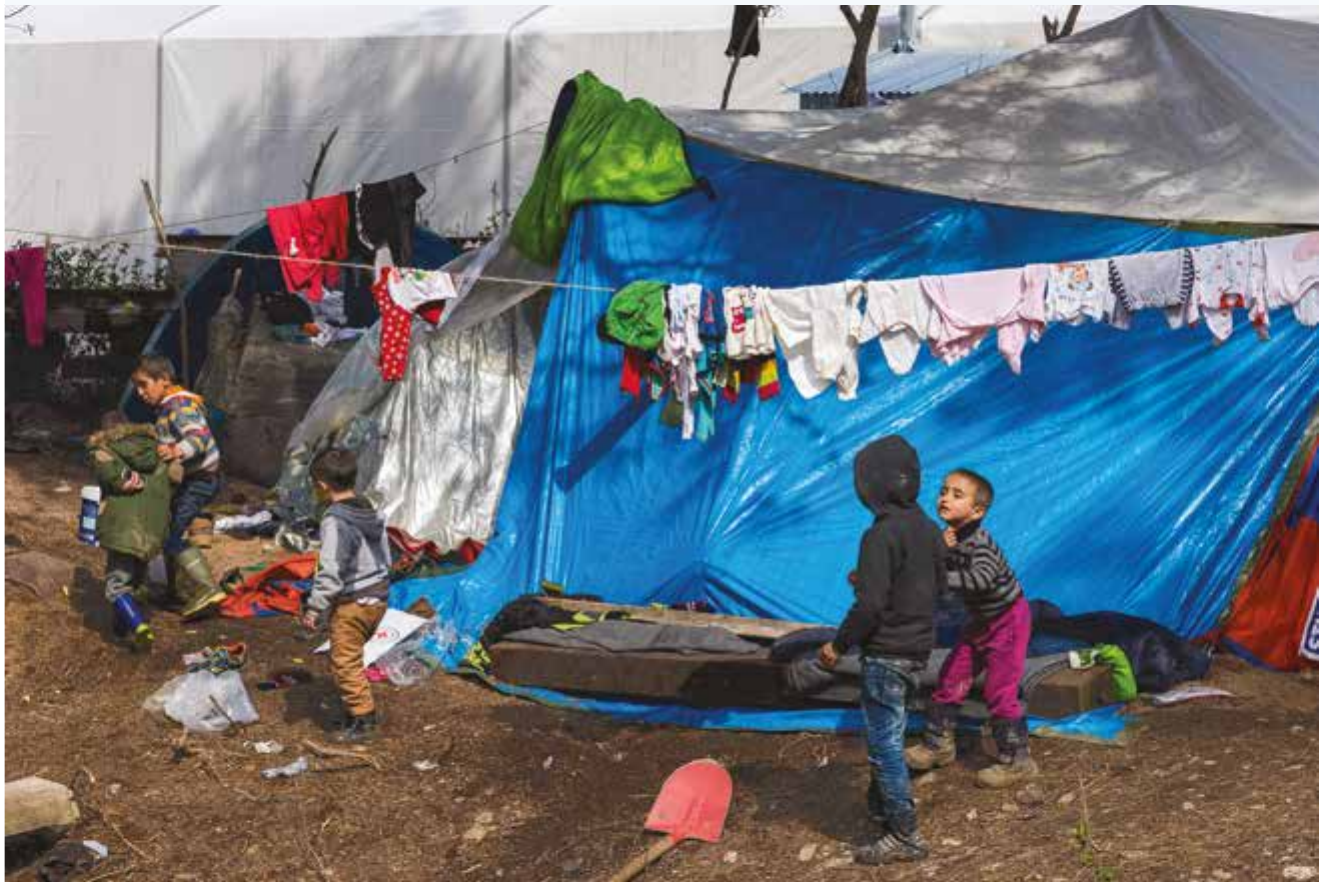
The vast majority of displaced people have been forced to leave behind their homes, farms, and jobs. This sudden loss of livelihood means most live below the poverty line. Displaced people often seek shelter wherever they can find it—with relatives or friends, in schools, in public or abandoned buildings, in makeshift shelters, or even in the open with little or no protection from the elements.
These living arrangements create severe hardship. People suffer from chronic insecurity, not knowing where their next meal will come from or whether they will be safe. There is typically a severe lack of basic services, including healthcare, education, and sanitation. Shortages of food and water are common, leading to malnutrition and dehydration.
Note
Refugees who end up in refugee camps face particularly challenging conditions. These camps are often crowded and unsanitary, with inadequate facilities for the number of people living there. The overcrowding and poor sanitation create ideal conditions for disease transmission.
Health risks and disease outbreaks
The living conditions experienced by displaced populations create significant health risks. Crowded and unsanitary conditions in refugee camps lead to frequent outbreaks of infectious diseases. Cholera, diarrhoea, and vaccine-preventable diseases spread rapidly through these populations, contributing to high rates of both morbidity (illness) and mortality (death). These outbreaks severely reduce physical health and wellbeing among displaced populations.
Important
The mass migration of people also has the potential to contribute to the spread of infectious diseases beyond refugee camps. When large populations move across regions, diseases can spread to new areas, adding further stress to healthcare systems that are already struggling.
Vulnerable populations and violence
Displaced women and children face particular risks and vulnerabilities. They are especially at risk of sexual and gender-based violence, which becomes more prevalent during displacement. Rates of domestic violence, child abuse, and alcohol-related violence increase in displacement settings. These forms of violence affect not only physical health and wellbeing but also cause lasting damage to mental and emotional health and wellbeing.
Note
The economic desperation faced by displaced families forces many into dangerous situations. Children typically drop out of school (if schools are even available) to work or beg for money to help support their families. Women may be forced into selling sex just to obtain enough food for themselves and their children to survive. These situations create trauma and health risks with long-lasting consequences.
Economic and social impacts
The concentration of displaced populations places enormous strain on host countries. The burden on already struggling economies, infrastructure, security systems, and social services can be overwhelming. Healthcare systems in host countries, which are often already inadequate for their own populations, face impossible demands when trying to serve millions of additional people.
This strain on resources can create tensions between displaced populations and host communities, potentially leading to conflict and further instability. The destabilising effect of large-scale displacement extends not just to individual host countries but can affect entire regions and even have global implications.
Important
The inability of host countries to adequately meet the health needs of both their existing populations and newly arrived displaced people means that health and wellbeing outcomes deteriorate for everyone. Limited healthcare resources must be stretched further, education systems become overwhelmed, and public health infrastructure struggles to maintain basic standards.
Remember!
Summary
Key Points to Remember:
-
Conflict has increased dramatically since 2001, with armed conflicts now the largest and longest since World War II. Modern conflicts increasingly ignore international humanitarian law, with deliberate targeting of healthcare facilities and civilians.
-
Conflict creates cascading health impacts including immediate loss of life, physical injuries, increased maternal and infant mortality, disease outbreaks, malnutrition, and severe mental health challenges. Vulnerable populations, especially women and children, face particular risks including violence and abuse.
-
Mass migration has reached crisis proportions, with 79.5 million people forcibly displaced in 2020—representing 1% of the world's population. This includes refugees, asylum-seekers, internally displaced persons, and stateless people.
-
Displaced populations face severe health challenges due to poverty, inadequate shelter, crowded and unsanitary living conditions, limited access to healthcare, food and water shortages, and increased risk of infectious disease outbreaks.
-
Most displaced people relocate to neighbouring low- and middle-income countries, placing enormous strain on already struggling healthcare systems, economies, and infrastructure, with destabilising effects that can extend regionally and globally.