The Implications for Health and Wellbeing of Digital Technologies (VCE SSCE Health and Human Development): Revision Notes
📚Revision Notes
The Implications for Health and Wellbeing of Digital Technologies
Introduction to digital technologies
Over the past decade, digital technologies have experienced remarkable growth worldwide. The world has become increasingly connected through digital means. People, businesses and governments now rely on the virtual world to deliver and access services, share knowledge, conduct transactions, shop, work and interact with one another. Digital media enables individuals to selectively access the information they need through multiple channels, making information more accessible than ever before.
This transformation has changed how we communicate, learn and manage our daily lives. The expansion of digital connectivity has created new opportunities for sharing information and accessing services that were previously unavailable to many populations.
The expansion of mobile phone technology
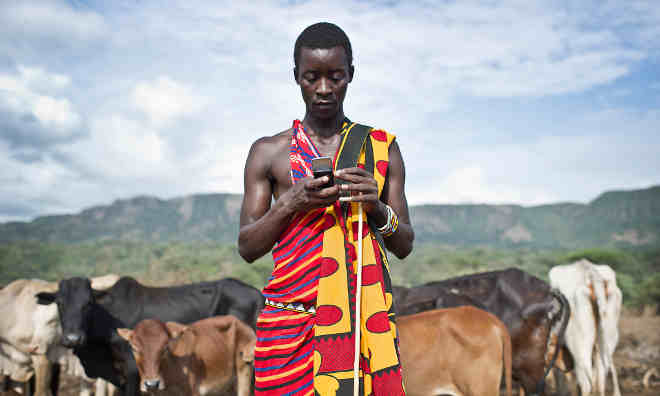
One of the most significant developments in digital technology has been the advancement of mobile phone technology and the rapid expansion of affordable mobile phone networks. These developments mean that digital technologies are now much more available to people, including those living in the most remote and resource-limited areas of the world. The number of mobile phones now exceeds the world's population, demonstrating the widespread adoption of this technology.
Note
This widespread availability is particularly important for global health, as mobile technology can reach populations that may lack access to traditional healthcare infrastructure. Rural and remote communities can now connect with health services and information in ways that were previously impossible.
Health applications of digital technologies
Data collection and health information systems
The expansion of digital technologies means that mobile phone technology can be used not only for everyday communication but also for more complex purposes such as data collection and sharing of health-related information. Many countries are now using digital technologies in their health information systems to improve healthcare delivery and planning.
Mobile phones help healthcare workers in the field gather vital population data, including:
- The number and ages of men, women and children in communities
- The number of pregnant women in the population
- Whether pregnant women access healthcare before, during and after pregnancy
- Health service utilisation patterns
- Disease prevalence and health needs
Note
This health-related information is essential for governments to establish programs that meet the actual needs of their populations. It also enables governments to evaluate the effectiveness of the programs they have implemented, leading to better resource allocation and improved health outcomes.
In Australia, digital technologies have been used for contact tracing to reduce the spread of COVID-19, demonstrating how these tools can respond to public health emergencies.
Registration systems
Digital technologies provide countries with the ability to register births, deaths and marriages effectively. These registration systems ensure that people have access to:
- Legal protection
- Education services
- Basic human rights
- Government services and benefits
Important
Without proper registration, individuals may be unable to access essential services or prove their identity, which can have serious implications for their health and wellbeing.
Disaster preparedness
Mobile phone technology can be used for disaster preparedness, helping communities respond to emergencies. SMS services can be used to issue warnings of impending emergencies, such as:
- Natural disasters (floods, cyclones, earthquakes)
- Disease outbreaks
- Environmental hazards
- Security threats
These early warning systems reduce stress levels and promote mental health and wellbeing by giving people time to prepare and take protective action. They can save lives by ensuring communities receive timely information about threats.
Self-care and health monitoring
Digital technologies have the potential to engage individuals and families more directly in their healthcare experience. People now have access to more self-care and diagnostic information that they can use to monitor and improve their health and wellbeing.
This increased access promotes health and wellbeing in several ways:
- Physical health: People become more aware of their own health status and can take action to improve it
- Mental and emotional health: Having control over one's health information and being able to monitor progress can reduce anxiety and increase feelings of empowerment
Note
Examples of self-care tools include fitness trackers, health monitoring apps, online symptom checkers and educational resources about health conditions and treatments.
eHealth and healthcare transformation
Understanding eHealth
The emergence of eHealth is fundamentally changing the nature of healthcare. eHealth refers to health services and information delivered or enhanced through the internet and related technologies. This represents a shift from traditional face-to-face healthcare delivery to a model that incorporates digital tools and platforms.
Benefits of eHealth
eHealth has the capacity to transform healthcare delivery in multiple ways:
Increased efficiency: eHealth systems can streamline healthcare processes, reducing the time and resources needed for various healthcare activities. This efficiency can reduce healthcare costs by avoiding unnecessary duplication of diagnostic or therapeutic services.
Better communication: Digital platforms enable healthcare providers to communicate more effectively with each other and with larger numbers of patients. This improved communication reaches more people and ensures information is shared accurately and quickly.
Patient empowerment: Digital technologies empower people to manage their health and wellbeing and to adopt healthy behaviours. People can access information, track their health metrics and make informed decisions about their care.
Comprehensive health records: Personal health records can be:
- Shared with other members of the healthcare team
- Used for ongoing disease monitoring and feedback
- Used to share health information and treatment goals with patients
- Accessed when needed across different healthcare settings
Patient-centred medicine: Digital technologies have the capacity to open new avenues for patient-centred medicine, eventually enabling more patient choice in healthcare decisions. This represents a shift from a paternalistic model of healthcare to one where patients are active participants in their care.
Telehealth services
During the COVID-19 pandemic, telehealth replaced many face-to-face GP and specialist consultations, demonstrating the viability and importance of remote healthcare delivery. Telehealth involves having a consultation with a healthcare provider by phone or video call.
Benefits of telehealth:
Many GPs, specialists and other healthcare providers now offer telehealth consultations when a physical examination is not necessary. Telehealth is not intended to replace essential in-person visits but rather provides a convenient solution when face-to-face consultations are not required.
Note
Access to healthcare providers: With telehealth, patients can consult with nurses, doctors, psychologists, surgeons and other healthcare providers without having to visit them in person. This is particularly valuable for people who have difficulty travelling or who live far from healthcare facilities.
Healthcare when you cannot leave home: If someone is unwell or needs to self-isolate, they can still attend a consultation virtually. Telehealth consultations are not only convenient but can also reduce the spread of illness by minimising contact between sick and healthy individuals.
Reducing geographic barriers: Australians living in rural and remote areas often need to travel considerable distances to see their healthcare provider. A telehealth consultation can save time and money by enabling doctors to consult with their patients by phone or video call, eliminating the need for long-distance travel.
The scale of telehealth adoption has been remarkable. Australians had more than 30 million telehealth consultations in 2020, demonstrating the widespread acceptance and use of this technology.
Methods of telehealth consultation:
There are two primary ways to have a telehealth consultation:
- Phone: Talk to your healthcare provider using your mobile or landline phone
- Video: Have a video call with your healthcare provider using a device that has a video platform (this may be specified by your healthcare provider)
Online health communities and patient empowerment
Online networks enable people to share and compare different diagnoses and treatments with others who have the same conditions all over the world. This global connectivity creates supportive communities and increases access to diverse experiences and information.
How online communities work
Members of an online community can:
- Ask for advice from others with similar conditions
- Learn from each other's experiences
- Discuss test results and what they mean
- Compare how different medications, treatments or combinations of drugs might be working
- Share coping strategies and emotional support
Empowerment through information sharing
Sharing information creates more informed and empowered people. When individuals have access to a wide range of information and experiences, they can make better decisions about their healthcare. This can lead to significant changes in the patient and health provider relationship.
Note
Changing healthcare relationships: As health professionals are no longer the only source of information, the relationship between patients and healthcare providers becomes more equal and collaborative. Rather than a one-way flow of information from doctor to patient, there is now a partnership where both parties contribute knowledge and expertise.
Active engagement: Advances in technology are generating new opportunities to leverage eHealth tools to help individuals:
- Self-monitor their symptoms and health indicators
- Assess their symptoms using online tools
- Create and participate in online communities for support
- Be actively engaged in the management of their health and wellbeing, particularly for those with chronic diseases
This active engagement is particularly beneficial for people with chronic diseases, who must manage their conditions over long periods. Digital tools enable them to track their progress, adjust their behaviours and communicate effectively with their healthcare team.
Challenges of digital technologies
While digital technologies have the capacity to promote health and wellbeing, there is a darker side to internet and mobile phone technology use that must be acknowledged and addressed.
Privacy and safety concerns
Important
Issues regarding the privacy and safety of children and young people are a concern in all countries. However, those in low- and middle-income countries are at greater risk because there are fewer measures protecting children's safety online. This creates vulnerabilities that can be exploited, with serious consequences for young people's health and wellbeing.
Research findings
Research by UNICEF has revealed concerning patterns of online behaviour among children and young people in developing countries:
Vietnam:
- Almost a quarter of children in urban areas shared personal information such as their phone number or the name of their school with someone online
- One in every five children in rural areas shared similar personal information with strangers online
- 49 per cent of urban children had been exposed to indecent content online
- 20 per cent of rural children reported having been bullied, threatened or embarrassed online
South Africa:
- More than 70 per cent of users of an online social networking site talked to strangers at least once a week
Impact on health and wellbeing
These safety and privacy concerns can have a serious impact on emotional and mental health and wellbeing. Children and young people who experience cyberbullying, harassment or exposure to inappropriate content may experience:
- Anxiety and stress
- Depression
- Low self-esteem
- Social isolation
- Sleep disturbances
- In severe cases, self-harm or suicidal thoughts
Important
The lack of adequate protections in some countries means that vulnerable young people may not have access to support services or legal remedies when they experience harm online. This highlights the need for better regulation, education and support systems to ensure that digital technologies promote rather than harm health and wellbeing.
Remember!
Summary
Key Takeaways:
- Digital technologies have grown significantly over the past decade, connecting people, businesses and governments through virtual platforms.
- Mobile phone networks now reach even the most remote areas, with mobile phone numbers exceeding the world's population.
- eHealth refers to health services and information delivered through the internet and related technologies, promoting efficiency, patient empowerment and collaborative healthcare relationships.
- Telehealth enables remote consultations by phone or video, particularly benefiting rural populations and those unable to travel, with over 30 million consultations in Australia in 2020.
- While digital technologies offer tremendous benefits for health data collection, disaster preparedness, self-monitoring and online health communities, they also present challenges including privacy concerns and safety risks, particularly for children and young people in low- and middle-income countries.