Aid Programs Addressing SDG 3: Good Health and Wellbeing (VCE SSCE Health and Human Development): Revision Notes
📚Revision Notes
Aid Programs Addressing SDG 3: Good Health and Wellbeing
Introduction to SDG 3 programs
Sustainable Development Goal 3 focuses on ensuring good health and wellbeing for all people at all ages. Various aid programs have been developed and implemented worldwide to achieve this goal. These programs target different health challenges affecting vulnerable populations, particularly in low and middle-income countries.
Note
The following four key programs demonstrate how international aid can effectively address SDG 3 across different health challenges and geographic regions:
- Sexual and reproductive health and wellbeing program in Cambodia
- Evidence Action: Deworm the World program
- Tobacco control program in the Philippines
- Quality health services for rural Afghans in Samangan Province
Sexual and reproductive health and wellbeing program in Cambodia
Background and purpose
This program was created to improve access to sexual and reproductive health information in Cambodia's most marginalised and isolated communities. Remote areas often lack basic knowledge about sexual and reproductive health, which creates several serious problems:
- Poorer maternal health and wellbeing
- Lower use of family planning services
- Higher rates of adolescent pregnancy
- Reduced access to health information compared to urban areas
Important
The situation is particularly concerning in provinces like Preah Vihear, where over one quarter of girls aged 15-19 years are either pregnant or have already had children. Rural women receive far less information about family planning from media sources compared to their urban counterparts.
Implementation
The United Nations Population Fund (UNFPA) leads this program in partnership with UNICEF and several sectors of the Cambodian government, including health, education and women's affairs.
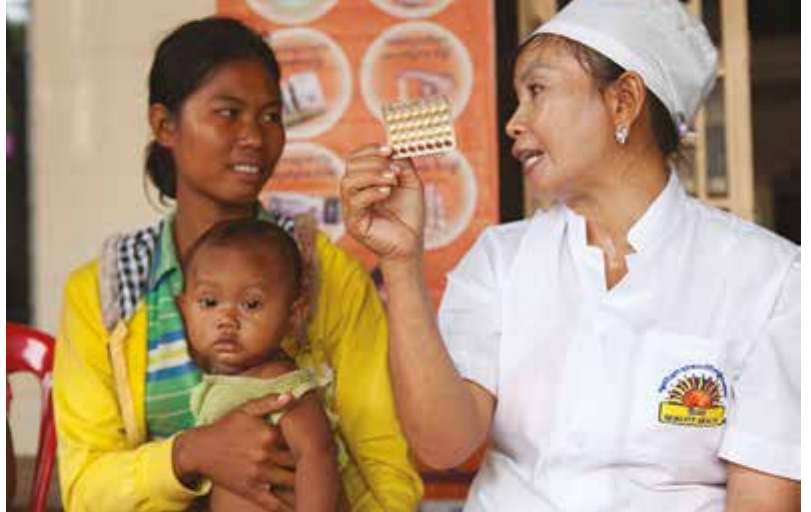
The program uses an outreach approach, which means bringing services or information directly to people where they live or spend time. District leaders receive training to conduct information sessions on sensitive topics related to sexual and reproductive health. Teams consisting of village members and district leaders visit each family personally to encourage participation in these sessions.
Note
Health professionals are organised to speak at sessions about important topics such as:
- Maintaining a healthy pregnancy
- Benefits of family planning
- Risks associated with early pregnancy
- Proper nutrition during pregnancy
- Importance of antenatal care
Outcomes
The program has achieved significant results in improving knowledge and changing behaviour. Participants report learning critical information they did not previously know.
Example
Participant Success Story: Kem Lean
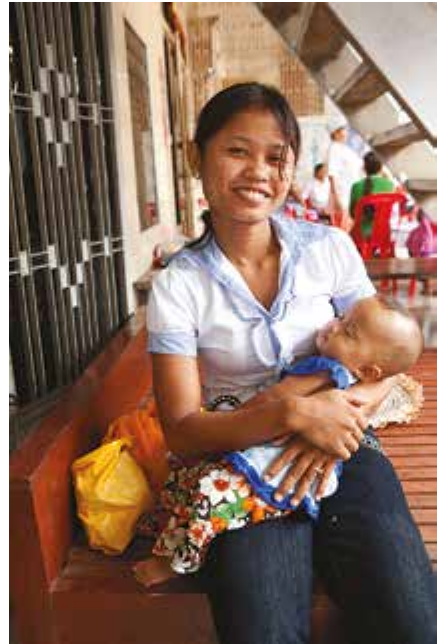
Kem Lean learned about proper nutrition during pregnancy and the importance of visiting a health centre for antenatal care at least four times during pregnancy. She has also decided to give birth in a health facility rather than at home, significantly reducing her risk of complications.
Example
Participant Success Story: Louern
Louern and her husband had discussed limiting their family size but were unsure which contraceptive methods would be most suitable. After participating in the program, she gained awareness of modern contraceptives, their benefits and potential side effects, allowing her to make informed choices.
Beyond individual health benefits, promoting sexual and reproductive health information helps reduce poverty. When people have better information, they can make informed decisions about when to have children and how many children to have.
How the program promotes health and wellbeing and human development
Physical health and wellbeing: Access to antenatal care during pregnancy and giving birth in health facilities significantly reduces deaths from pregnancy complications such as haemorrhage, infection, hypertension and obstructed labour.
Important
Understanding Obstetric Fistula
These safe birthing practices also help prevent obstetric fistula, a devastating condition caused by obstructed labour. Obstetric fistula occurs when continuous pressure from an infant trapped in the birth canal damages tissues between the woman's vagina and pubic bone. This damaged tissue eventually creates a hole, causing continuous leakage of urine or faeces. Health facilities provide hygienic environments that reduce infection risk during childbirth.
Emotional, mental and spiritual health and wellbeing: Reducing maternal and child deaths removes the profound grief experienced when a mother or baby dies. Preventing obstetric fistula also prevents the loneliness, shame, isolation and exclusion from community that women with this condition often experience.
Physical and emotional health for adolescents: Access to contraceptives and family planning services allows couples to plan when they have children. This is particularly important for reducing adolescent pregnancies. Pregnancy during adolescence carries increased risks of maternal and child death because adolescent girls' bodies are still developing and less able to cope with pregnancy and childbirth demands. Stillbirths and newborn deaths occur much more frequently among adolescent mothers, causing significant emotional distress.
Newborn health: Giving birth in health facilities promotes physical health and wellbeing of newborns by reducing deaths from asphyxia (lack of breathing) and infection.
Human development: Access to contraception empowers women and families to plan the number and spacing of children. This gives women greater control over decisions affecting their lives. The program provides couples with knowledge about what is required for a healthy pregnancy, helping mothers and children develop to their full potential and enjoy long, healthy lives.
Evidence Action: Deworm the World program
Background and purpose
While worm infestations are rare in high and middle-income countries, they remain a serious health threat in many of the world's poorest nations. These infections, known as soil-transmitted helminths and schistosomiasis, interfere with the body's ability to absorb nutrients. This leads to:
- Anaemia
- Malnutrition
- Reduced mental and physical health and wellbeing
Children face the greatest risk from these parasitic infections. Infected children are often too sick or fatigued to attend school, or if they do attend, they struggle to concentrate on their studies.
Important
Research shows that an infected child is approximately 20 per cent less likely to be enrolled in school compared to a non-infected child, and 13 per cent less likely to be literate. Globally, an estimated 870 million children are at risk of parasitic worm infestations.
Worm infestations also harm economic development by reducing worker productivity. These infections spread easily in areas with poor sanitation and open defecation. However, safe and effective medications can both prevent and treat worm infestations. The World Health Organization recommends one dosage of medication once or twice per year. Large-scale treatment programs delivered through schools provide a safe and effective way to reach children at risk.
The Deworm the World program aims to ensure that all at-risk children have access to medication that prevents and treats worm infestation, enabling them to enjoy improved health and wellbeing, increased access to education and better livelihoods.
Implementation
Evidence Action, a non-governmental organisation based in the United States, implements the Deworm the World program. Evidence Action partners with governments of countries where children face the highest risk to support treatment provision to children while they are in schools.
Note
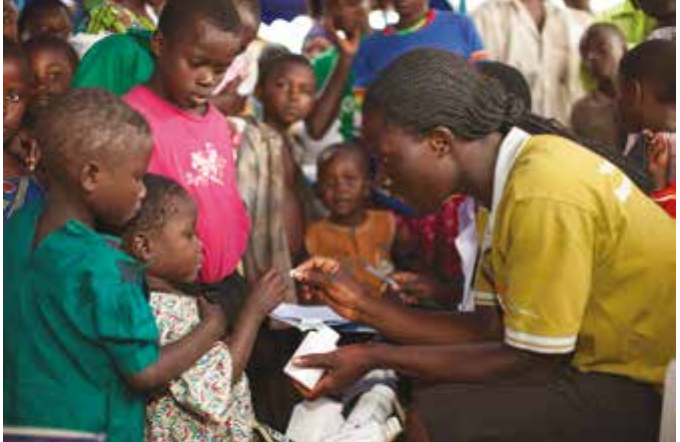
Delivering deworming treatment through schools and, in some areas, through preschools, provides the greatest opportunity to reach a high proportion of at-risk children at minimal cost. Teachers administer the medication to children after receiving training to ensure they understand the treatment's purpose and can maintain correct record keeping and monitoring.
Evidence Action's work with governments includes:
- Promoting school-based deworming programs
- Supporting the establishment of policies and long-term commitment by building capacity, gaining community support and sharing practices to improve cost-effectiveness and results
- Working with local partners to determine worm prevalence and intensity
- Gathering data to develop targeted treatment strategies and evaluate program impact once implemented
Once a government agrees to implement a deworming program, Evidence Action works with local ministries of education and health to design a program that is jointly owned, carefully planned and budgeted, and implemented effectively. The organisation also works with communications experts to design locally appropriate awareness campaigns that communicate program information to local communities, ensuring parents support the program.
Evidence Action helps governments obtain necessary medication through global pharmaceutical donation programs, which minimises costs. To measure program effectiveness in meeting objectives, Evidence Action designs monitoring systems and independently monitors programs to confirm results and evaluate their impact in lowering worm infestation prevalence and intensity.
Outcomes
Note
In 2019, the Deworm the World program supported governments to treat more than 280 million children in India, Kenya, Ethiopia, Pakistan and Nigeria. Evidence demonstrates that school-based deworming programs can improve health, wellbeing and education outcomes for children at a cost of less than $0.50 per child per year.
How the program promotes health and wellbeing and human development
Physical health and wellbeing: Eliminating worm infestations in children reduces the level of sickness and fatigue that occurs when children are infected. Healthy children have more energy to participate in daily activities.
Social health and wellbeing: When children feel healthy and energetic, they are more likely to attend school regularly. This increases opportunities to build relationships with other children and teachers, strengthening their social connections and sense of belonging.
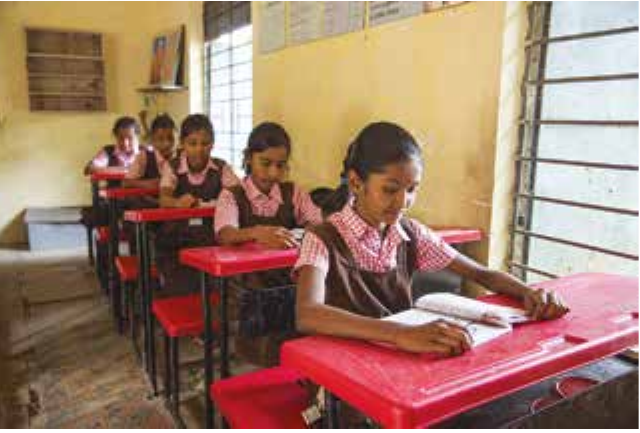
Emotional health and wellbeing: Healthy children with lots of energy tend to be happier, which directly improves their emotional state and overall wellbeing.
Note
Human development impact: The program promotes multiple aspects of human development. Children can attend school consistently and gain knowledge, increasing their opportunities for future employment and developing skills needed to eventually run businesses.
A healthy population creates a stronger economy because people can work, earn income and purchase goods and services. This economic activity generates additional income for the country, providing resources for investing in infrastructure such as roads, water supplies and healthcare. This creates an environment where people can live to their full potential and enjoy long, healthy lives. When people are healthy, they feel more confident and are more likely to participate in political and community life.
Tobacco control program in the Philippines
Background and purpose
The Philippines is one of 15 countries worldwide with a high burden of tobacco-related disease. According to the World Health Organization, smoking rates in the Philippines are concerning:
- 35 per cent of men smoke tobacco daily
- 6.4 per cent of women smoke tobacco daily
- 20.6 per cent of the overall population smokes tobacco daily
In 2005, the Philippines committed to the WHO Framework Convention on Tobacco Control. Since then, the country has been implementing several initiatives known as MPOWER, which refers to the following tobacco cessation measures:
Important
MPOWER Measures for Tobacco Control:
- Monitor tobacco use and prevention policies
- Protect people from tobacco smoke
- Offer people help to quit tobacco use
- Warn about the dangers of tobacco
- Enforce bans on tobacco advertising, promotion and sponsorship
- Raise taxes on tobacco
Through funding provided by the WHO Bloomberg Initiative, the government of the Philippines and WHO have implemented a range of tobacco-related programs. These programs aim to strengthen the country's capacity for tobacco control, run sustainable tobacco control programs that protect people from exposure to tobacco and tobacco smoke, prevent premature deaths from smoking-related diseases, and save lives.
Implementation
WHO contributes to implementing MPOWER measures in the Philippines through several strategies:
- Encouraging the government to increase tobacco prices and taxes
- Providing technical and financial support to develop appropriate policies
- Supporting actions to enhance tobacco control
- Promoting prevention and cessation interventions
- Initiating collaboration with non-government organisations and media to help promote tobacco control
WHO works with the Philippines government to monitor tobacco consumption and undertake large-scale surveys of the population. The data collected provides a basis for future public health research and contributes to effective monitoring and control of tobacco consumption.
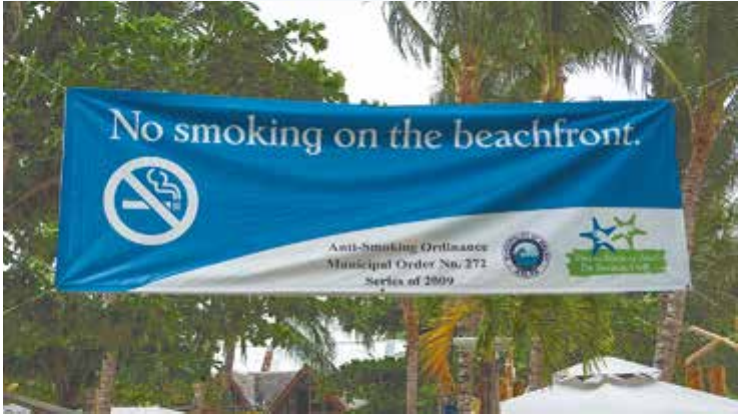
Note
Multiple organisations are involved in program implementation, demonstrating the comprehensive, multi-sectoral approach required for effective tobacco control. These include the Department of Education, Department of Social Welfare and Development, Land Transportation and Franchising Regulatory Board, Land Transportation Office, Philippines Ports Authority, Civil Aviation Authority of the Philippines, Department of Tourism, Tourism Infrastructure and Enterprise Zone Authority, and Philippines Society of Mechanical Engineering.
Outcomes
The Philippines has successfully implemented a range of initiatives through this program. Since 2008, WHO has worked with various government offices, agencies and societies to promote policies setting standards for 100 per cent smoke-free environments.
WHO has continued its work to help develop smoke-free legislation, including supporting the Department of Health to develop a National Action Plan and Strategy for Tobacco Control.
Note
A significant achievement came in 2014 when legislation was passed making it mandatory for cigarette packets to have graphic health warnings covering 50 per cent of the front and back panels. This law was implemented in 2016.
How the program promotes health and wellbeing and human development
Physical health and wellbeing: The program promotes physical health by reducing the number of people who smoke in the Philippines. Cigarette smoking is a leading cause of serious diseases including cardiovascular disease, cancer and respiratory diseases. Reducing smoking numbers would decrease morbidity and mortality rates associated with these diseases.
Important
Tobacco smoking also harms the physical health of children and non-smokers through passive smoking. Providing smoke-free environments helps reduce respiratory diseases suffered by children. When people feel physically healthy, they are more likely to experience good emotional and mental health and wellbeing.
Social health and wellbeing: Healthy children and adults can attend school and work and develop relationships, which promotes social connections and community participation.
Poverty reduction: Reducing tobacco smoking could decrease poverty levels in the Philippines. Money spent on purchasing cigarettes leaves less available for families to spend on food, water and healthcare. Therefore, reducing cigarette smoking can promote health and wellbeing by providing more resources for essential needs.
Human development: Good health and wellbeing is essential for promoting human development. Reducing smoking levels in the Philippines helps people enjoy long, healthy lives and achieve a decent standard of living. A smoke-free environment is important for individuals to develop to their full potential and have greater chances of leading productive and creative lives. Healthy people are more likely to feel empowered and to participate in political and community life.
Case study: Quality health services move closer to rural Afghans in Samangan Province
Background and context
Example
Case Study: Mirza Murad's Experience
Mirza Murad, a 60-year-old farm labourer, walks to the Hazrat Sultan Comprehensive Health Centre (CHC) on a chilly morning to see a doctor about his long-term stomach issues. The centre is located only 5 kilometres from Murad's village, allowing him regular visits for check-ups and medicine. Before the centre's services were expanded, he had to travel 24 kilometres to Aybak, the provincial capital of Samangan, for medical care. The closer location means he can attend the health centre more regularly.
The CHC is located in the remote district of Hazrat Sultan in Samangan Province in northern Afghanistan. Set up as a health outpost more than 40 years ago, it was converted to a comprehensive health centre in 2017 and now offers a broader range of health services including:
- Outpatient care
- Midwifery
- Vaccination
- Laboratory services
- Nutrition support
- Mental health treatment
- Pharmacy
- Ambulance services
- Inpatient facility (treating up to five patients)
Note
The centre sees an average of 300 patients per day and employs 20 staff members, including health and support staff, serving the 24,000 inhabitants in the district.
Implementation and partnerships
The Hazrat Sultan CHC has been providing a Basic Package of Health Services (BPHS) since July 2017. It is one of 47 health facilities in Samangan Province, including district hospitals, comprehensive health centres and basic health centres, delivering BPHS. These facilities provide vital health services to people living in remote areas.
The Afghanistan Sehatmandi Project aims to increase the use and quality of health, nutrition and family planning services across the country. It supports the provision of BPHS and an Essential Package of Hospital Services (EPHS) throughout Afghanistan.
Note
The Sehatmandi project is implemented by the Ministry of Public Health but supported and managed by multiple stakeholders:
- Afghanistan Reconstruction Trust Fund (ARTF), managed by the World Bank on behalf of 34 donors
- International Development Association (IDA), the World Bank Group's fund for the poorest countries
- Global Financing Facility (GFF), a multi-stakeholder partnership prioritising high-impact but underinvested areas
Non-governmental organisations play a vital role in BPHS delivery. In Samangan Province, the 47 health facilities are contracted by the Ministry of Public Health to non-governmental organisations such as Social and Health Development Program (SHDP) and Relief Humanitarian Development Organization (RHDO).
Community involvement
Health councils help encourage interaction with local communities and aim to improve relations between communities and health facilities. These councils include community members who help staff understand local health needs and involve the community in health centre activities.
A key role of health councils is to interact with the local population and increase awareness of health issues and the need for quality healthcare.
Example
Community Awareness Evolution
The SHDP Deputy Technical Project Manager for the Sehatmandi Project in Samangan Province notes that community awareness has evolved: "In the past, people would request that we establish more health centres. Now they ask us to increase the quality of the health services they receive, which means people understand their needs."
The Hazrat Sultan health council demonstrates strong community support for health facilities. With help from the local health directorate, the council has raised funds to build a small building for emergency cases, meaning local residents will not need to travel long distances to another health facility in emergencies.
Outcomes and ongoing challenges
Many people attend the centre for check-ups and vaccinations. Zarghoona, a 33-year-old mother of six, travelled 13 kilometres from Kujar village to have her one-year-old vaccinated, expressing satisfaction with the health centre services.
However, challenges remain in Samangan Province:
Important
Inadequate buildings: Eleven out of 47 health facilities operate in buildings that are substandard for healthcare delivery. New buildings are being constructed under the Sehatmandi Project to rehouse these facilities.
Shortage of female health professionals: Although the Ministry of Public Health mandates employment of at least two female health professionals (a nurse and a midwife) per basic health centre, staff are not always available. A specific training program in Community Midwifery Education and Community Health Nursing Education aims to increase their numbers. Forty-eight female high school graduates have undergone the program and were expected to graduate by late 2019 and join health facilities close to where they live.
Remember!
Summary
Key Takeaways About Aid Programs Addressing SDG 3:
- Four main programs demonstrate how aid addresses SDG 3: sexual and reproductive health in Cambodia, Deworm the World, tobacco control in the Philippines, and health services in Afghanistan.
- Effective aid programs partner with local governments and communities, ensuring ownership and sustainability of initiatives.
- School-based programs (like Deworm the World) provide cost-effective ways to reach large numbers of children at risk (less than $0.50 per child per year).
- Outreach approaches bring health services and information directly to people in remote or marginalised communities.
- Programs promoting good health and wellbeing also advance human development by enabling people to live long, healthy lives, gain education, develop skills, participate in community life and reach their full potential.
- MPOWER provides a comprehensive framework for tobacco control: Monitor, Protect, Offer help, Warn, Enforce bans, Raise taxes.