Aid Programs Addressing SDG 6: Clean Water and Sanitation (VCE SSCE Health and Human Development): Revision Notes
📚Revision Notes
Aid Programs Addressing SDG 6: Clean Water and Sanitation
Introduction to SDG 6
Sustainable Development Goal 6 focuses on ensuring clean water and sanitation for all people. Access to safe drinking water and proper sanitation facilities is essential for preventing disease, promoting health and wellbeing, and supporting human development.
Note
Clean water and sanitation are fundamental human rights and critical building blocks for health, education, and economic development. Without them, communities face increased disease, poverty, and reduced opportunities for development.
Two major aid programs have been implemented to address SDG 6: the Water for Communities program in Ghana, and the Sustainable Sanitation and Water Services program in Nairobi, Kenya.
Water for communities in Ghana
Background and context
The Zabzugu region in northern Ghana faces severe water poverty. This area is one of the poorest regions in Ghana, with significant challenges:
- 85.3% of people live in poverty
- Only 38.3% of the population has access to drinking water and suitable latrines
- The land is very rocky, making it difficult to find underground water sources
- When water is found, it is often 45 metres deep in rock layers, making well construction complicated and expensive
- People mainly survive through subsistence agriculture (farming to feed their own families) growing corn, sorghum and cassava
Note
The Dangerous Water Situation
For communities without wells, the water situation was dangerous:
- Women and children had to walk many kilometres to collect water from nearby streams
- These same streams were used for watering livestock and washing clothes, making the water contaminated and unsafe for drinking
- Some communities had wells, but they couldn't provide the required 20 litres of clean water per person per day needed for drinking and cooking
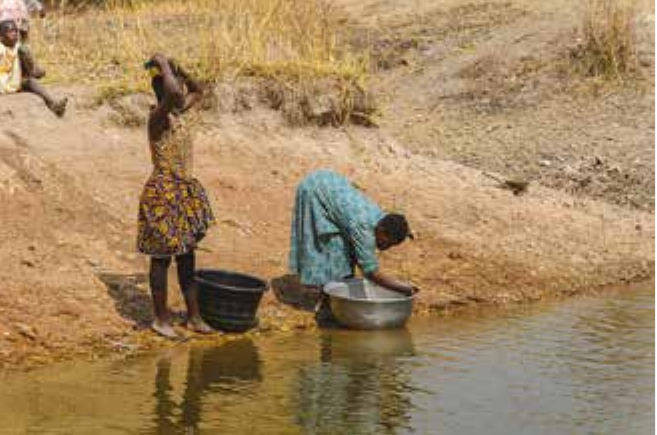
The health impacts were severe:
- Out of every 1000 newborn babies, 50 died before their first birthday
- 71% of children under five suffered from chronic malnutrition
Purpose of the program
Important
Program Goal
The program aimed to provide sustainable access to 20 litres of clean drinking water per person per day to 10 communities in Zabzugu. This would reduce the prevalence of diseases caused by drinking unsafe water.
Implementation
The program was included in the Ghana government's development plan for the Zabzugu area. It was funded by the We Are Water Foundation and supported by World Vision.
Key implementation strategies included:
- Community participation: Careful planning with community involvement to ensure wells were placed in areas of greatest need
- Scientific approach: Using mapping and research techniques to locate the best water sources before building wells
- Quality assurance: Testing the quality and flow of water to ensure it was high quality
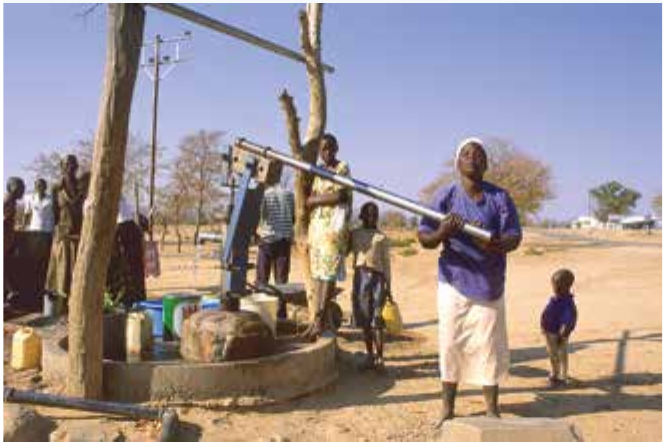
- Infrastructure: Installing hand pumps and well protection to avoid contamination
- Capacity building: Establishing a water committee within each community, who were trained and provided with tools for maintenance and upkeep of the wells
- Technical support: Training two technicians and providing them with necessary tools to carry out repairs
- Sustainability: Establishing a system within the community to raise funds for ongoing repair and maintenance of hand pumps
Outcomes
The program achieved significant results:
- Phase 1: At least 3000 people benefited from access to clean water
- Phase 2: A further 3300 people in nine additional communities gained access to clean drinking water
- Total impact: Over 6300 people across multiple communities
How the Ghana program promotes health and wellbeing
The provision of clean water and sanitation promotes health and wellbeing across all dimensions:
Physical health and wellbeing
Clean water prevents diseases such as diarrhoea and cholera. This leads to:
- Reduced under-five mortality rates
- Better nutrition for children
- Improved ability for parents to work and provide income for their families
- Reduced time spent by women and children collecting water
Social health and wellbeing
When children don't have to spend time collecting water, they can:
- Attend school regularly
- Develop relationships with peers and teachers
- Women can work to earn income, which brings a sense of pride and self-esteem
Note
Social Benefits Beyond Water Access
The time saved from not having to collect water creates opportunities for education and income generation, which strengthens social bonds and community relationships. Women gain economic independence, and children can focus on learning and building friendships.
Emotional and mental health and wellbeing
Access to clean water promotes:
- A sense of pride and self-esteem from being able to maintain cleanliness
- Reduced stress about water collection
- Confidence to participate in community activities
Spiritual health and wellbeing
When people are free from water-related diseases and able to interact with others:
- They can engage in village activities
- Build positive relationships with community members
- Feel connected to their community
- They are more likely to uphold the rules, laws and values of their communities
How the Ghana program promotes human development
The program creates an environment where human development can flourish:
Empowerment: People feel empowered to participate in the social and political life of their community and have greater control over decisions affecting their lives.
Education: The program includes education about maintenance of water resources. Educated individuals have increased capacity to earn higher income, which improves access to:
- Medications
- Food
- Other resources needed for physical health and wellbeing
Decent standard of living: Better health and education provide opportunities for people to:
- Enjoy a decent standard of living
- Develop to their full potential
- Increase life expectancy
- Live productive and creative lives according to their needs and interests
Important
The Human Development Connection
Clean water access is not just about physical health - it's a catalyst for comprehensive human development. When communities have reliable access to clean water, they can focus on education, economic activities, and community participation, enabling people to reach their full potential.
Providing sustainable sanitation and water services to low-income communities in Nairobi
Background and context
Africa's cities are growing rapidly. Kenya's urban population alone will more than triple from 12 million to 40 million by 2050. This swift growth creates enormous pressure on water and wastewater systems.
Challenges in Nairobi:
- Only 40% of the city is connected to a sewerage system
- Only half of Kenya's urban population has access to water
- Growing informal settlements (areas where poor people create housing without official planning) have little or no water or sanitation for residents
The problem in informal settlements
In Nairobi's informal settlements, conditions were extremely difficult:
- Poor infrastructure and overcrowded, unsafe living conditions
- Hazardous health conditions
- Women and children walked 10-12 kilometres to get small amounts of daily water
- Residents used poor-quality borehole water
- Septic tank latrines created foul smells and health risks
Note
A Resident's Experience
As resident Beatrice Akoth Okoth explained: "We used to get water from Umoja. It's about 10-12 km from this place. You couldn't even walk there twice [in a day], and you could only carry a 20 litre container. But because cleanliness starts with water, we couldn't keep ourselves clean."
Implementation
The Kenyan government's national development plan, Kenya Vision 2030, aims to ensure all citizens have access to basic water and sanitation by 2030 (the deadline for the SDGs).
Support came from the World Bank through:
- International Development Association (IDA) investments
- Partnership with Nairobi City Water and Sewerage Company (NCWSC)
- Partnership with Athi Water Services Board (AWSB)
- Kenya Informal Settlements Improvement Project (KISIP)
The World Bank-supported Nairobi Sanitation Project focused on:
- Improving water and sanitation access for people in urban settlements
- Using commercial and customer finance to support project financing
- Increasing the amount of safely disposed faecal sludge
- Reducing water contamination
- Improving overall environmental health risk
Funding:
- US$4.08 million in output-based aid (OBA) subsidies for water and sanitation services
- US$250,000 for monitoring and technical assistance
Technical assistance included:
- Supporting community engagement
- Helping NCWSC access commercial loans
- Social marketing and hygiene promotion activities
Results
The program achieved impressive outcomes:
- 84,940 people in Nairobi's informal settlements now have access to improved water sources
- 137,243 people now connected to the sewerage network
- Less open defecation and reduced sewage in streets
- Fewer incidents of diseases such as cholera
Note
Community Support
Community support was crucial: Surveys showed 85% of residents were willing to pay more for water and sewerage connections, with that number reaching 98% in the Mailisaba and Huruma settlements. This demonstrates the high value communities place on access to clean water and sanitation.
Impact on health and wellbeing
As resident Angeline Mutunga stated: "With access to clean water and toilets provided under the Nairobi Sanitation Project, Mutunga and her family are safer and healthier. 'I now feel like a Kenyan with a lot of dignity.'"
The program promotes:
- Physical health: Reduced disease risk, improved hygiene
- Social health: Dignity and ability to participate in community life
- Emotional wellbeing: Pride and self-respect
- Access to education and work: Time saved on water collection allows for school and employment
Summary
Key Points to Remember
Clean water and sanitation programs addressing SDG 6 create transformative impacts:
- Clean water and sanitation are essential for preventing disease and promoting all dimensions of health and wellbeing
- Effective programs involve community participation and local capacity building to ensure sustainability
- Both the Ghana and Nairobi programs demonstrate that providing clean water reduces under-five mortality, improves nutrition, enables education, and supports human development
- Programs must address not just infrastructure, but also education, maintenance systems, and community empowerment
- Access to clean water saves lives, promotes dignity, and enables people to develop to their full potential