The Influence of Community Values and Expectations on Programs for Youth (VCE SSCE Health and Human Development): Revision Notes
📚Revision Notes
The Influence of Community Values and Expectations on Programs for Youth
Understanding the importance of youth health programs
The World Health Organisation (WHO) recognises that investing in young people is essential for creating positive change in our world. When we support adolescents through appropriate policies and programs, we help them realise their potential and their human rights to health, education and full participation in society.
According to the WHO, key investments in youth health should include:
- Routine vaccinations such as the human papillomavirus (HPV) vaccine
- Promotion of healthy behaviours including good nutrition, regular physical activity, and avoiding tobacco, alcohol and drug use
- Comprehensive sexuality education and access to sexual and reproductive health services, including contraception
- Mental health and wellbeing support services
- Prevention of and response to sexual and gender-based violence
- Prevention, detection and treatment of sexually transmitted infections and reproductive tract infections, including HIV, tuberculosis and syphilis
- Suicide prevention and management of self-harm risks
Note
The Australian Medical Association emphasises an important perspective: providing services that promote youth health and wellbeing is an investment, not a cost. This is because the health status of young people directly shapes their future health as adults. Addressing health and wellbeing issues during the youth stage is both socially and economically more effective than managing chronic problems later in adulthood.
Community values and expectations
Why youth health matters to everyone
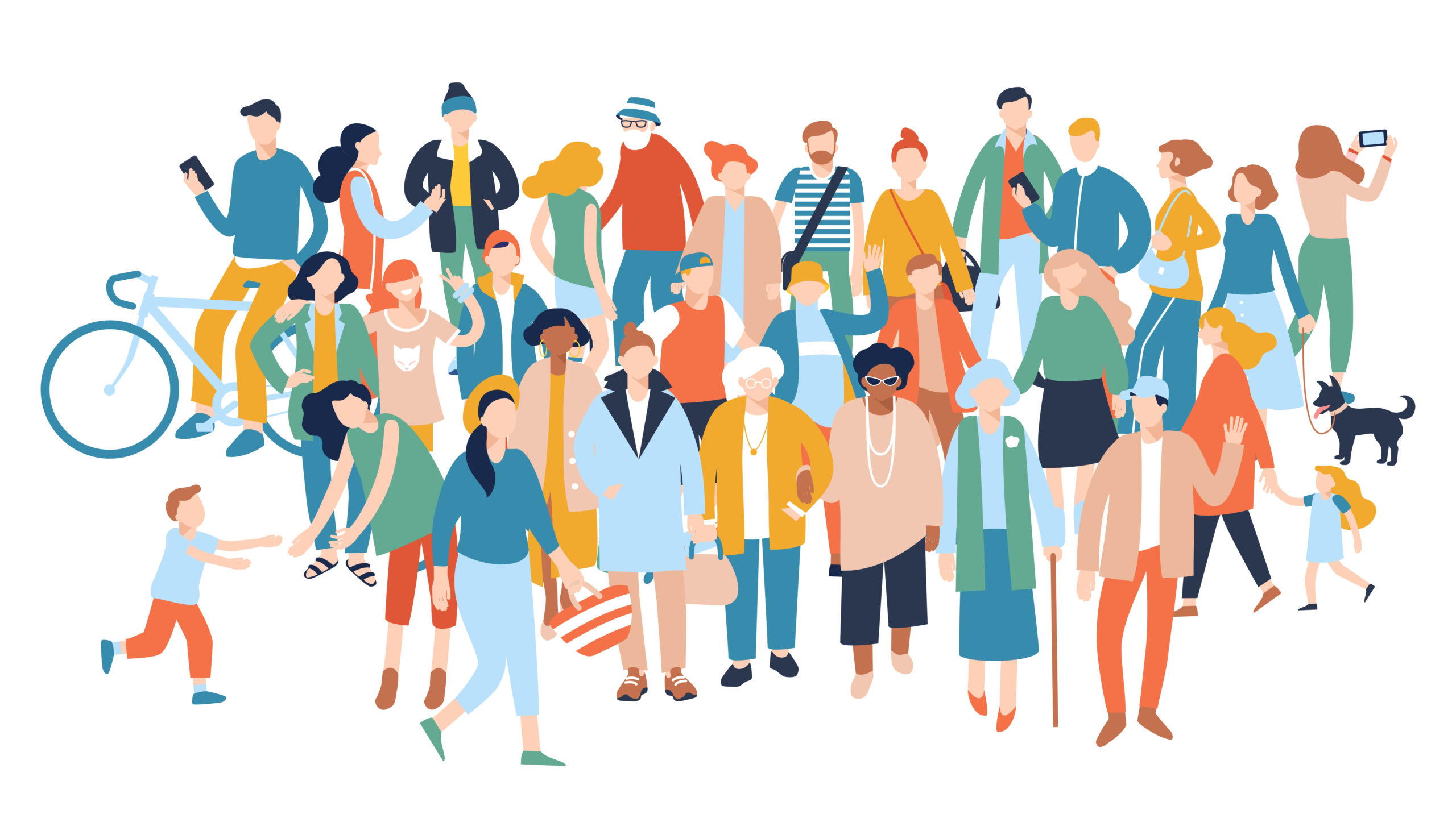
Young people are the adults of tomorrow, making them an essential part of our communities. Parents, business owners, government representatives and other community members all have a stake in ensuring young people experience good health and wellbeing.
Note
When young people enjoy good health and wellbeing, they are more likely to:
- Achieve better educational outcomes
- Successfully transition into full-time employment
- Develop and maintain healthy adult lifestyles
- Experience fewer challenges when forming families and parenting their own children
- Engage more actively in their community
Community values are judgements about what is important to or good for a community. These values become evident through the choices people make and the expectations they have about daily life, government and society.
What the community expects from youth health programs
The community expects health and wellbeing programs to enhance young people's capability to take control of their lives and improve their health. This happens through providing environments that develop health literacy and empowerment, whilst promoting protective factors that support wellbeing.
Community values shape specific expectations about how youth health promotion programs should operate. These expectations centre on four key characteristics:
Note
Effective programs should be developed and delivered to provide treatment, services, resources and information that produce genuine benefits and achieve desired health outcomes. Programs must increase skills and risk management capabilities according to the actual needs and concerns of young people.
Strength-based programs should place young people at the centre of services. They should enable resilience, encourage help-seeking behaviour, and give young people control over their health and wellbeing. These programs advocate for positive outcomes by building communication skills, increasing self-esteem and promoting self-acceptance.
Safe, respectful and confidential programs must be non-judgemental and discreet. This is critical for creating a feeling of security and care. Healthcare providers should regularly consult with young people about the adequacy, design and standard of services, ensuring information is comprehensible and appropriate for youth.
Accessible programs should be available without discrimination based on country of birth, cultural heritage, language, gender, religious belief, age, socioeconomic status, educational background or family circumstances. The community expects that waiting times, operating hours and information will all be appropriate for young people's needs.
Health promotion in schools
Communities often call for health and wellbeing concerns to be included in the school curriculum. Topics such as reducing childhood obesity, implementing first aid courses, sex education, driver education, respectful relationships and preventing youth pregnancy have all been included or suggested as mandatory parts of the national curriculum.
Health promotion programs in schools and communities help young people develop and maintain healthy attitudes, lifestyles and behaviours. These programs play a crucial role in improving health literacy among young people.
How health promotion programs support young people
Health promotion programs are designed to support young people in several important ways:
- Developing good relationships with family, peers and the community
- Forging their own identity and making their own decisions
- Adopting healthy lifestyles
- Learning how to seek help when needed
- Identifying and managing risks to their health and wellbeing
Barriers to accessing help
Unfortunately, many young people who are suffering from health conditions do not seek or receive help. Various barriers can exist that limit young people's opportunities to access appropriate resources, know and exercise their rights, and fully participate in decisions about their health and wellbeing.
Important
Common barriers that prevent young people from accessing help include:
- Stigma and embarrassment about health issues
- Poor health literacy
- Desire for self-management without adult involvement
- Concerns about confidentiality and trust
- Feelings of hopelessness
- Previous negative experiences when seeking help
- Lack of money when services have a cost
- Distance from services, particularly in rural areas
- Cultural needs not being met
Understanding youth health and wellbeing allows for better targeted programs that can achieve real change in young people's health status. For example, research shows that using condoms and lubricant consistently and correctly significantly reduces the transmission of chlamydia. However, 24-hour access to condoms for young people remains unreliable. In rural areas, additional barriers such as privacy concerns, lack of service provider choice, transport difficulties and cost further prevent rural young people from accessing condoms.
Community concerns about harm minimisation
Sometimes communities show reluctance to fund programs related to sexual health or harm minimisation for drug use. This hesitation often stems from fear that such programs appear to approve of or promote risky behaviours.
The principle of harm minimisation acknowledges that some people will use alcohol and other drugs. Rather than ignoring this reality, harm minimisation policies aim to prevent or reduce drug-related harms. Three key aspects are used when addressing alcohol and other drug use:
Note
Three key aspects of harm minimisation:
- Reducing the supply of drugs
- Reducing the demand for drugs
- Reducing the harm from drugs
Examples of harm minimisation strategies that have generated community debate include drug checking (pill testing) at clubs and music festivals, safe injecting rooms, condom vending machines, and broader health promotion approaches such as a sugar tax on soft drinks.
Case study: Little HELP Project
Schools back students helping students with mental health issues
Example
Case Study: The Little HELP Project
The Little HELP Project (LHP) is a Tasmanian not-for-profit program that challenges traditional approaches to youth mental health education. What makes it unique is that it is run by young people for young people, and was designed by students for students.
Founded in 2014 by then-17-year-old Olivia Fleming, LHP runs programs targeting mental health issues whilst aiming to empower youth to reach their goals. The programs range from physical activities, including training girls aged 12 to 16 in Brazilian jiujitsu, to full-day school programs focused on unity and resilience building. The project has already worked with more than 8000 young Tasmanians and run 40 full-day programs.
As a Year 11 student, Olivia Fleming identified a gap in mental health education and promotion for young people. She had spent considerable time in peer-to-peer mentoring camps whilst growing up and recognised the power of this approach. She explained: "When someone new comes into the school, there's capacity to have open and earnest conversations about so many different things. We're young people and we're doing our work because we care about it. That's what's powerful about peer-to-peer mentoring."
The full-day programs are broken into three stages and include interactive challenges, activities and speeches designed to build resilience, break down barriers around mental health, and emphasise that young people are not alone in their struggles.
Why this approach works
Simone McManus, director of ministry at Guilford Young College, remembered when Olivia Fleming developed the idea for LHP. She explained: "At schools we [teachers] can kind of patch problems up, we tend to do that, come in triaging when there are mental health problems, but this is sort of purposively developing some skills. So it's got a lot of really good integrity about it. And it's young people helping other young people, which is a fantastic model."
Students from Guilford Young College recently participated in LHP's 'pay-it-forward program'. Over several weeks, LHP volunteers worked with Year 11 students to create their own 90-minute program for grade six students at Sacred Heart and St Virgil's. McManus observed: "I've seen great personal growth in confidence in my own students."
Student perspective
Jenna Stacey, a Year 9 student at Mt Carmel College, first encountered LHP two years earlier when they ran a full-day program at her school. She recalled: "At the time, I feel the year group was quite divided in a way, with different social groups and girls both new and old, and this was a great way to break down those barriers."
What made the organisation different, according to Stacey, was that it didn't simply lecture students: "They have such a hands-on way of dealing with these major issues, which I think has a real positive effect especially on people my age. I think the fact they are so young makes a big difference."
Note
After participating in three full-day programs, Stacey found it amazing to see how many of her peers were experiencing the same issues she faced. She reflected: "I have learnt by doing this that no-one is perfect [and] to not be afraid to be me. What surprises me is the number of people who feel the same as me and I feel each time I participate in a program, I become just that little bit more confident in who I am, and what others think about me."
Her positive experiences inspired her to volunteer for LHP, and she is now one of their youngest members. Four and a half years after its launch, LHP now has a team of around 20 people and continues to develop and expand its programs, including a recent collaboration with Launceston Clinical on mental health for medical students.
Case study: Pill testing debate
Does pill testing work and what's the evidence?
The issue of pill testing at music festivals has become a recurring debate in Australia, particularly following drug-related deaths at music festivals. Between September 2018 and January 2019, three young people died from suspected drug overdoses at music festivals, including 19-year-old Callum Brosnan who died after attending the Knockout Games of Destiny dance event in Sydney. Media reports indicate this was the tenth such death in five years.
Following these deaths, calls for pill testing were renewed. However, New South Wales Premier Gladys Berejiklian stated her government would not change its stance, claiming: "Unfortunately, we know that pill testing won't work because it will give people the green light to take substances which in the end could still kill them."
Drug and medical experts reject this claim, arguing that pill testing leads to a reduction in harms associated with drug use. A study published in the Drug and Alcohol Review journal supports this position.
What is pill testing?
Pill testing, also known as drug checking, is a service that provides people with information about the content of illicit substances. The concept is that individuals armed with more knowledge about drug composition and purity can make more informed decisions about drug taking.
Note
Unlike pharmaceutical drugs, recreational drugs are unregulated, meaning the quality and strength of substances vary widely. This can sometimes lead to drug contamination causing poisoning, or unintentional overdose when people are unaware of the strength of the drug they are consuming.
According to the Alcohol and Drug Foundation, drug checking services have three main goals:
- To prevent people from using especially dangerous or contaminated substances
- To communicate safer-use messages
- To improve users' factual knowledge about substances and risks
Despite controversy in Australia, pill testing is not new. It first emerged in the early 1990s in the Netherlands, where it is now part of national drug policy. Services are routinely available in several European countries, including Switzerland, Austria, Germany, Spain and France.
Pill testing represents an approach to harm reduction, which is one of the three pillars of Australia's National Drug Strategy. Research shows young people are largely in favour of pill testing.
How pill testing works: The Groovin' The Moo trial
Example
Example: Australia's First Pill Testing Trial
Australia's first and only pill testing trial took place at the Canberra Groovin' The Moo festival in April 2018. Dr David Caldicott, an emergency doctor and senior lecturer at the Australian National University who led the trial, explained the process:
Step 1: When a person enters the pill testing area (set up in the festival's health tent), they meet a harm reduction worker who explains the process and advises that there is no safe level of drug consumption.
Step 2: The patron hands over a pill, capsule or powder to a chemist who photographs and weighs the substance, explaining that test results apply only to that specific sample, which will be destroyed during testing.
Step 3: The sample is analysed using an FTIR spectrophotometer, which detects substances by passing an infrared beam through the sample and checking results against a library of 30,000 substances.
Step 4: The chemist classifies the sample as white (substance is what the person anticipated), yellow (substance is different to what was anticipated), or red (substance is known to be associated with increased harm, multiple overdoses or death, or the machine cannot identify it).
Step 5: A medical practitioner relays this information to the person and outlines potential dangers of each substance, including those with 'white' results.
Step 6: A drug and alcohol counsellor provides information about risks of consuming the identified substance and ways to reduce risk, such as not taking the substance or taking a smaller dose.
Step 7: Before leaving, the person is advised of an amnesty bin where they can dispose of any drugs they have.
Does pill testing encourage drug use?
One main concern is that pill testing may provide a false sense of security and lead to increased drug-related harm. However, Dr Caldicott emphasised this represents a fundamental misunderstanding: "You will not be told at any stage that your drug is safe."
Important
Before testing, each person is advised and must sign a legal waiver confirming they understand the test does not provide evidence of drug purity, safety, dosage, or information about how they will individually respond to the substance. "We advise people that it's not a medical consult... we don't know enough about them to tell them whether it is safe for them or not," Dr Caldicott explained.
Suggestions that pill testing would lead to increased drugs and greater rates of death lack evidence. Professor Alison Ritter, a drug policy expert from the University of New South Wales who co-authored a global review of drug checking services in 2017, stated: "We know that it doesn't produce an increase in drug use... and there's no evidence of harm associated with pill testing."
Both Professor Ritter and Dr Caldicott emphasised that pill testing targets people who already intend to consume illicit substances and helps mitigate their risks. The Alcohol and Drug Foundation supports this view: "Drug checking does not promote illicit drug taking, and people who choose to get their substances tested have already purchased their drug with the intention to use them."
Evidence that pill testing reduces harm
Despite concerns about increasing the appeal of illicit substances, research shows pill testing can lead to less drug taking and help people consume drugs more safely.
Professor Ritter noted: "What's clear from the results of the services operating [in Europe] is that people make different choices based on the results of the testing — some choose to put their drugs into an amnesty bin, others choose to take half as much as perhaps they thought they would."
Note
Research findings include:
-
In a US-Australian study, 54% of ecstasy users surveyed said they were less likely to use ecstasy again if they learned it contained 'bath salts' (synthetic cathinones) or methamphetamine.
-
An evaluation of the UK's first pill testing trial found one in five substances tested was not what people expected, and among people mis-sold substances, two thirds chose to hand over further substances to be destroyed.
-
Lead researcher Professor Fiona Measham from Durham University reported: "There was a 95% reduction in hospital admissions that year when we were testing on site."
-
At Australia's first pill testing trial in April 2018, 42% of people who brought drugs for testing reported their drug consumption behaviour would change as a result.
Professor Measham added that pill testing provides an opportunity for healthcare workers to engage in dialogue about health and harm with young people who don't usually access drug and alcohol services.
Dr Caldicott highlighted additional benefits: pill testing services obtain valuable information about drugs circulating on the black market, which can be used to tailor public health alerts and assist law enforcement. He noted: "One of the biggest problems in Australia right now is the diversity of the drug market."
A pragmatic response to reality
Australians are among the leading consumers of ecstasy in the world, with 2.1 million people reporting having used the drug at least once. Research shows that in New South Wales between 2010 and 2015, hospitalisations from ecstasy use nearly doubled among people aged 16–24.
Dr Caldicott argued: "We've got 20 years of attempts at prohibition, and now a demographic which is largely immune to this approach." He emphasised that to reduce harm, we need to treat drug use as a health issue, not an ideological one: "Pill testing moves the debate from being 'just say no' to 'let's talk about this'... to a non-judgemental, health-based discussion about drug use."
Note
Professor Ritter concluded that whilst pill testing wouldn't be a panacea to illicit drug use, it offers a pragmatic response to the reality that young people use drugs and will continue to use drugs. "It's not going to prevent all harms — not taking drugs is the safest option, clearly. But I don't think encouraging young people not to do drugs is mutually exclusive from offering pill testing... you can do both things at once."
Summary
Key Points to Remember:
- Community values shape expectations for youth health programs, which should be effective, strength-based, safe/respectful/confidential, and accessible.
- Investing in youth health is socially and economically more effective than dealing with chronic problems in adulthood.
- Many barriers prevent young people from accessing help, including stigma, poor health literacy, confidentiality concerns, and lack of resources.
- Harm minimisation acknowledges that some people will engage in risky behaviours and focuses on reducing associated harms rather than ignoring the reality.
- Peer-to-peer programs like the Little HELP Project demonstrate the power of young people supporting other young people with mental health challenges.
- Evidence from Australia and overseas shows pill testing can reduce drug-related harm without increasing drug use, though it remains controversial in some communities.