Perceptions of Youth and Adulthood as Stages of the Lifespan (VCE SSCE Health and Human Development): Revision Notes
📚Revision Notes
Perceptions of Youth and Adulthood as Stages of the Lifespan
Understanding perceptions
Perceptions are beliefs or opinions based on how things seem. When we talk about perceptions of youth and adulthood, we're referring to the different ways people view those in each of these lifespan stages. These views can be positive, negative, or a mixture of both, and are influenced by personal experiences and what people see and hear in their daily lives.
The term generation gap describes the difference in attitudes and opinions between people of different generations. These differing attitudes can lead to misunderstandings and even conflict between age groups. Building healthy relationships across generations is essential for optimal development at all life stages.
Factors that shape our perceptions
Note
A person's perception of different lifespan stages is influenced by multiple factors working together to create their overall view of a particular age group:
- Past experiences with people in that specific lifespan stage
- Personal experiences of being in that lifespan stage themselves
- Media portrayals of people in that age group
- Values and beliefs held by the individual
- Other people's opinions and what they say
- Public figures and politicians and how they speak about various age groups
Perceptions of youth
Research findings
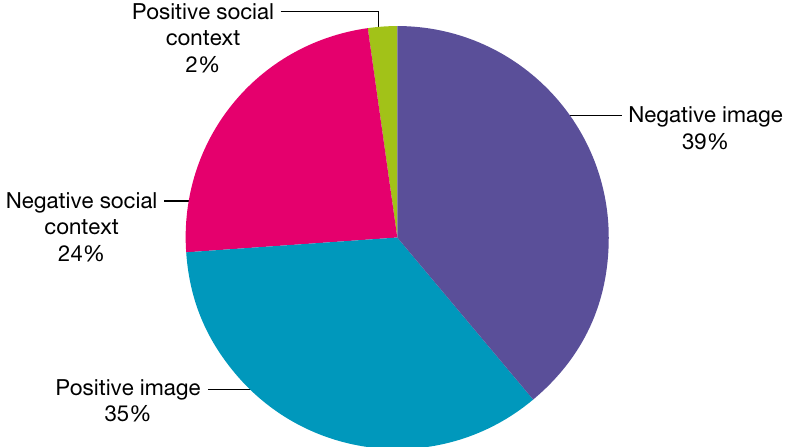
Limited research has been conducted in Australia specifically about perceptions of youth. The most comprehensive study, Kids Are Like That! from 2003, identified four main categories of perceptions about young people:
- Positive image - youth are seen as positive, ambitious, hardworking and happy
- Negative image - youth are viewed as frightening, lazy or selfish
- Positive social context - youth have many opportunities and are fortunate to live in this time and society
- Negative social context - youth are devalued, victimised or neglected
The study found that negative perceptions were more common than positive ones among Australians, with 39% holding negative image views, 35% holding positive image views, 24% viewing youth in a negative social context, and only 2% viewing them in a positive social context.
Historical perspective
Example
Historical Evidence: Negative Perceptions of Youth Through the Ages
Negative views of youth are not a modern phenomenon. They have existed since ancient times:
- Hesiod (eighth century BC) - complained youth were "reckless beyond words" and disrespectful to elders
- Socrates (fifth century BC) - noted children "love luxury" and "have bad manners, contempt for authority"
- Plato (fifth century BC) - criticised youth for having "an insatiable desire for wealth" and poor manners
- Seneca (first century AD) - described young men as "slothful" with "no honourable occupation"
- Peter the Hermit (eleventh century) - wrote that young people "think of nothing but themselves"
These historical quotes demonstrate that adults criticising the younger generation is a pattern that has repeated throughout human history.
Modern stereotypes
Contemporary society continues this tradition of negative perceptions. Modern stereotypes of youth include viewing them as lazy and narcissistic (having an overinflated sense of self-importance), doing whatever they want whenever they want.
Important
Common Negative Stereotypes of Youth:
- They are slackers who cannot or will not maintain meaningful employment
- They lack education and are incapable of making informed, rational decisions
- They lack the maturity of previous generations
- They feel entitled to a good life without earning it
- They care more about social media 'likes' than contributing positively to society
According to young people themselves, these negative perceptions are based on superficial judgments about their appearance and clothing choices, rather than genuine understanding. They also blame sensational and false media accounts for creating negative stereotypes.

The role of media
Studies of Australian media have shown that most print media articles about youth focus on crime. The smaller number of positive articles typically feature high achievers, which means the media fails to represent the true diversity of young Australians. Television programmes can reinforce perceptions of youth as narcissistic, lazy and rude.
Note
Media's Impact on Youth Perceptions:
The media plays a significant role in shaping public opinion about young people. When coverage is predominantly negative or showcases only exceptional achievers, it creates a distorted view that doesn't reflect the reality of most young Australians' lives.
Positive perceptions
Not all perceptions of youth are negative. Some people view young people as vibrant, hardworking and happy individuals. Those who have regular positive personal experiences with youth - such as grandparents, teachers, sports coaches and neighbours - are more likely to hold these favourable views.
Another positive perception is the romanticised idea that youth represents the best years of a person's life. This view stems from the belief that young people have no real worries and are free to pursue their dreams. This perception can arise from two different perspectives:
- Envy - when adults see the exciting opportunities available to youth in education, relationships, socialising and freedom
- Regret - when adults wish they could go back and make different choices with the benefit of hindsight
Key insights from research
Example
Research Findings: British Youth Study (Applicable to Australia)
A longitudinal study of 13-14 year olds painted a very different picture than media stereotypes suggest:
Positive Behaviours:
- Young people are drinking and smoking less than previous generations
- Bullying is decreasing, despite social media making it easier
- 64% of young people reported no risky behaviours
- 76% reported no instances of criminal behaviour
Educational Engagement:
- Only 3% were actively engaged with street gangs
- Nearly 90% expected to continue in post-16 education
- 41% planned to attend university
Key Insight: These findings contradict the negative stereotypes often portrayed in the media. The research suggests that focusing on positive behaviours is more effective than constantly highlighting negative ones. While some young people do engage in problematic behaviour, the majority are neither dysfunctional nor violent.
What young people think
Note
Young people generally view themselves positively. Adults who have close contact with young people are more likely to share these positive perceptions. However, adults with little or no personal contact with youth tend to be more influenced by media portrayals, other people's opinions, and general discussions about the "problematic nature" of young people.
Perceptions of adults
Adulthood is the longest stage of the lifespan, and perceptions vary depending on which phase of adulthood is being considered.
Early adulthood
Perceptions of people in early adulthood (especially late teens and early twenties) are often similar to those of youth. As early adults reach their thirties, other adults typically see them as:
- Being at their peak physically
- Acting as responsible citizens
- Contributing to society through productive employment
However, young people may view adults of this age as judgemental and lacking understanding. As with all perceptions, these views vary based on personal experiences and other influencing factors.
Middle adulthood
As people reach their forties and fifties, young people often perceive them as being out of touch. This perception is partly influenced by how middle-aged adults view youth. Recent perceptions also include seeing this age group as privileged and demanding.
Note
The use of the name 'Karen' to label middle-aged women who constantly complain has further reinforced negative stereotypes of this age group. This demonstrates how social media can create and spread new stereotypes quickly.
Late adulthood
Positive perceptions
When individuals enter late adulthood, they are often perceived as wise and experienced. Many people view older adults as valuable sources of information and expertise who can guide younger people through life's challenges.
Negative perceptions
However, negative perceptions of older adults are common among youth and younger adults. The phrase 'OK Boomer' became popular in 2019 as a way for young people to dismiss the views of older adults. Young people often use this phrase in response to:
- Perceived resistance to technological advancements
- Dismissal of climate change concerns
- Differing values and ideals
- Financial inequality between generations
- Greater challenges faced by younger people in finding employment and achieving financial stability

Australian attitudes towards older adults
Important
Australian Human Rights Commission Report (2013):
A comprehensive study revealed largely negative perceptions of older adults among Australians:
- 59% believe older people are more likely to be lonely or isolated
- 52% think older people are more likely to be victims of crime
- 51% feel older people are more likely to be forgetful
- 43% believe older people don't like being told what to do by someone younger
Other Common Negative Stereotypes:
- Resistance to change and difficulty learning complex tasks
- Being bad drivers
- Complaining frequently
- Being a burden on the health system
The complexity of perceptions
It's important to understand that perceptions rarely occur in isolation. A single person may hold both positive and negative views simultaneously. For example, a young person might believe older adults are bad drivers while also valuing their life experience as a source of good advice.
Age discrimination in the workplace
The Australian Human Rights Commission's 2016 report Willing to Work revealed concerning findings about age discrimination:
Important
Workplace Age Discrimination Statistics:
- 27% of people over 50 reported experiencing age discrimination at work
- One-third of discrimination occurred when applying for jobs
- One-third of those experiencing discrimination gave up looking for work
- Four in ten companies surveyed said they avoided employing anyone over 55
Impact on Older Women:
Age discrimination was particularly severe among older women, who were more likely to be viewed as having:
- Outdated skills
- Slowness in learning
- Likelihood of doing unsatisfactory work
Older individuals with disabilities face even greater challenges in employment and recognition.
The value of older workers
Despite negative stereotypes, older workers bring significant value to organisations and should be recognised for their contributions:
Note
Advantages of Older Workers:
- A lifetime of experience and professional networks
- Tacit knowledge that cannot simply be written down
- Practical expertise (for example, retired tradespeople working in hardware retail)
- Better reflection of customer demographics in many industries
- Mentoring abilities to support younger workers
Research shows that when the perception of older workers "taking opportunities" from younger people is challenged, younger workers develop more positive attitudes towards their older colleagues. In reality, younger workers benefit significantly from the experience, wisdom and mentoring that older colleagues can provide.
Changing the narrative
Efforts to address age discrimination in the workplace are still in early stages, but there is growing recognition that older workers represent an untapped resource. Some strategies that could help include:
- Using quotas to improve recruitment of older workers
- Having older staff involved in hiring decisions
- Challenging stereotypes through education
- Encouraging intergenerational collaboration
- Recognising the mutual benefits of age diversity in workplaces
Summary
Key Points to Remember:
-
Perceptions are shaped by multiple factors including personal experiences, media portrayals, values and beliefs, and other people's opinions
-
Negative perceptions of youth have existed throughout history, from ancient philosophers to modern times, yet research shows most young people are responsible and engaged
-
Media representation often reinforces stereotypes rather than showing the true diversity of both youth and older adults in society
-
Perceptions of adults vary across lifespan stages, with both positive views (wisdom, experience) and negative stereotypes (out of touch, forgetful) existing simultaneously
-
Personal contact improves perceptions - people who have regular positive interactions with different age groups tend to hold more favourable views of those groups