Biological Factors Contributing to Variations in Health Status (VCE SSCE Health and Human Development): Revision Notes
📚Revision Notes
Biological Factors Contributing to Variations in Health Status
What are biological factors?
Biological factors are aspects relating to the body's structure and function that impact health and wellbeing. These factors include genetics, body weight, blood pressure, cholesterol levels, birth weight, and glucose regulation. While many biological factors can be influenced by sociocultural and environmental factors, there is often a genetic component that cannot be controlled.
Note
Understanding biological factors is essential because they help explain differences in health status among various population groups in Australia. Some biological factors also overlap with aspects of physical health and wellbeing, such as body weight and blood glucose levels.
The six key biological factors that contribute to variations in health status are:
- Body weight
- Blood pressure
- Blood cholesterol
- Glucose regulation
- Birth weight
- Genetics (including sex and hormones)
Each of these factors can significantly impact health outcomes and contribute to differences in morbidity and mortality between population groups.
Body weight
High body mass is a biological factor that creates significant variations in health status between individuals and population groups. When someone is overweight or obese, it affects their overall health and wellbeing while also influencing other biological factors.
Impact on other biological factors:
Body weight is interconnected with other biological factors. For example, obesity increases the likelihood of developing:
- High blood pressure (hypertension)
- Elevated blood cholesterol levels
- Impaired glucose regulation
Important
Critical Health Conditions Associated with High Body Mass:
High body mass contributes to numerous health concerns, including:
- Cardiovascular disease (heart disease and stroke)
- Various cancers, particularly colorectal cancer
- Respiratory conditions
- Type 2 diabetes
- Arthritis
- Mental health issues such as low self-esteem and depression
- Social exclusion
These conditions significantly impact health status by increasing both morbidity (illness rates) and mortality (death rates) in affected populations.
Blood pressure
Blood pressure measures the force that blood exerts on blood vessel walls as it circulates through the body. When the heart contracts, blood is pushed through vessels and pressure increases. When the heart relaxes and refills, pressure decreases. Blood pressure readings capture both these high and low pressure points.
Understanding hypertension:
High blood pressure, known as hypertension, is a widespread health concern. In people with hypertension, blood does not flow as smoothly through blood vessels. This means the heart and kidneys must work harder, and blood flow may become restricted.
Important
Hypertension is often called the "silent killer" because it produces no symptoms, making regular checkups essential for monitoring.

Health consequences:
Hypertension contributes to serious health conditions, including:
- Cardiovascular diseases (heart attack and stroke)
- Kidney failure
These conditions are major causes of death in Australia, making hypertension a significant factor in variations in health status.
Note
Risk Factors for Hypertension:
Several factors increase the risk of developing high blood pressure:
- High body mass (being overweight or obese)
- Insufficient physical activity
- Chronic stress
- Smoking tobacco
- Excessive alcohol consumption
- Genetic predisposition (family history of high blood pressure)
- Poor dietary habits, especially high sodium intake
Population groups that experience multiple risk factors simultaneously face even greater risk of hypertension and its associated health problems.
Key term: Genetic predisposition refers to an increased likelihood of developing a particular disease based on a person's genetic makeup, often indicated by family history of the condition.
Blood cholesterol
Cholesterol is a type of fat found in the blood. High blood cholesterol, particularly high levels of LDL (low-density lipoprotein) cholesterol, is a biological factor that creates variations in health status between different groups.
Health impacts:
Excessive LDL cholesterol is a major risk factor for cardiovascular disease, especially:
- Heart attack
- Stroke
Age-related patterns:
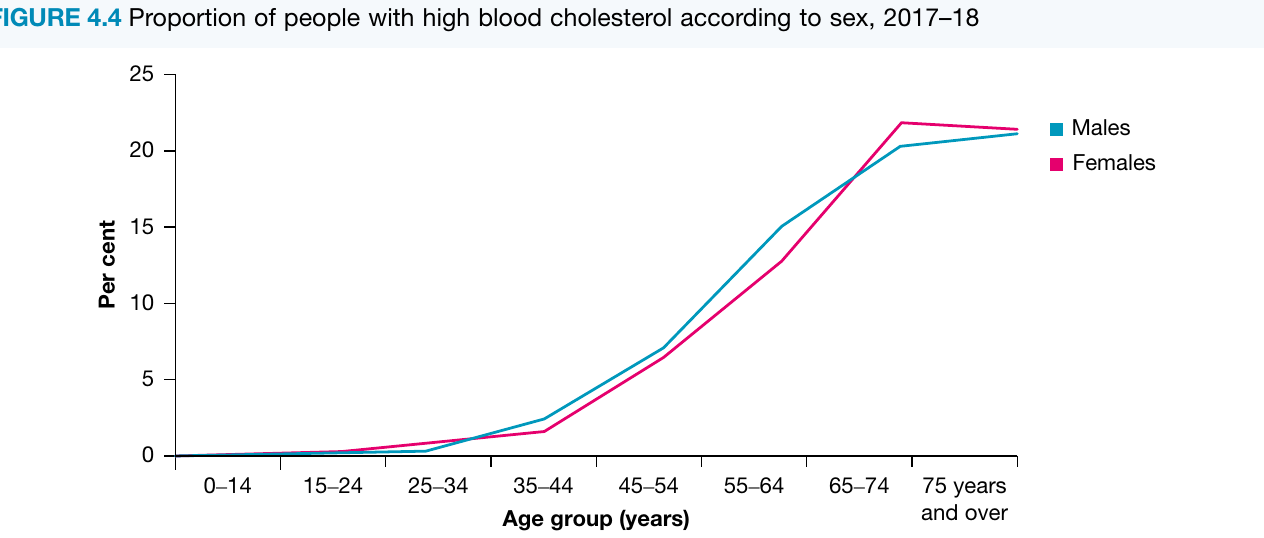
The prevalence of high blood cholesterol increases significantly with age. Both males and females show similar patterns, with rates remaining low in younger age groups (under 25 years) but rising sharply from age 45 onwards. By age 75 and over, approximately 20-22% of the population has high blood cholesterol.
Note
Monitoring and Management:
Blood cholesterol can be measured through a simple blood test. Lifestyle modifications can sometimes reduce high cholesterol levels. However, when genetic predisposition is the primary cause, medication may be necessary.
Risk factors:
Multiple factors contribute to high blood cholesterol:
- Excessive alcohol intake
- Smoking tobacco
- Diet high in saturated fats and trans fats
- Lack of regular exercise
- High body mass index
- Genetic predisposition
When individuals or population groups display several of these risk factors, they experience higher rates of high cholesterol and consequently increased risk of cardiovascular disease.
Glucose regulation
Glucose serves as the primary fuel for cellular energy. The body typically obtains glucose by breaking down carbohydrates from food. Once carbohydrates are digested, the resulting glucose enters the bloodstream. As blood glucose levels rise, the pancreas releases insulin, which acts like a key to allow glucose to move from the bloodstream into cells where it can be used for energy.
Example
How Insulin Works:
When you eat food containing carbohydrates, they are broken down into glucose molecules. These molecules are absorbed into the bloodstream through the small intestine. The rise in blood glucose triggers the pancreas to release insulin. Insulin then facilitates glucose entry into cells for energy production.
Without adequate insulin function, glucose remains "locked out" of cells and stays in the bloodstream.
Impaired glucose regulation:
Various factors can disrupt this mechanism, causing cells to become resistant to insulin's action. This prevents glucose from entering cells efficiently. This condition is called impaired glucose regulation (or insulin resistance) and is considered a precursor to type 2 diabetes.
Important
Risk Factors for Impaired Glucose Regulation:
Impaired glucose regulation can result from:
- Genetic predisposition
- Chronic stress
- Pregnancy
- Lack of physical exercise
- Smoking tobacco
- High body mass, especially abdominal fat accumulation
- Diet high in fats, particularly trans fats
- Excessive alcohol consumption
- High LDL cholesterol
- High blood pressure
Health consequences:
Population groups experiencing multiple risk factors for impaired glucose regulation face higher rates of:
- Cardiovascular disease
- Type 2 diabetes
- Heart attack
- Stroke
- Kidney disease
- Premature death
Age-related burden:
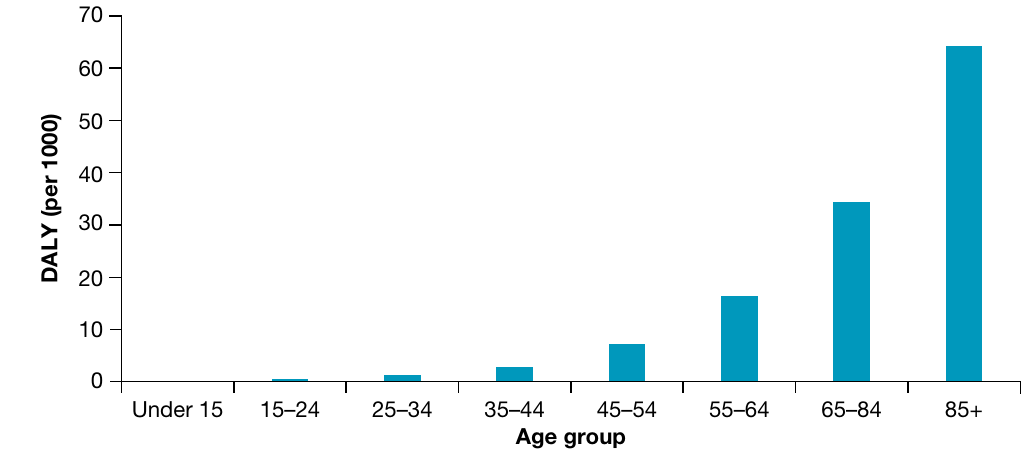
The health burden from impaired glucose regulation increases dramatically with age. Measured in DALYs (disability-adjusted life years) per 1000 population, the impact is minimal in younger age groups but rises exponentially in older populations, peaking at approximately 64 per 1000 in those aged 85 and over.

Note
Treatment and Management:
Managing impaired glucose regulation involves lifestyle modifications such as:
- Weight loss
- Quitting smoking
- Stress management
- Eating a healthy, balanced diet
Birth weight
Birth weight significantly contributes to variations in health status among individuals and population groups. It affects health outcomes both immediately after birth and later in life.
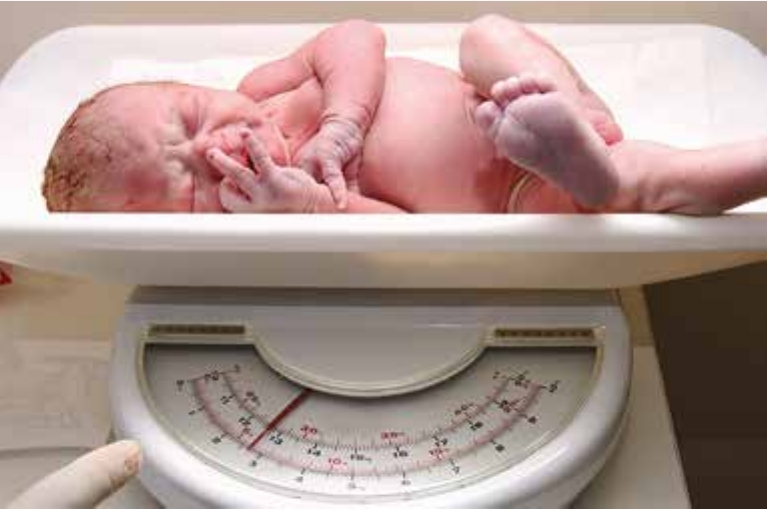
Definition: Low birth weight means weighing less than 2500 grams (2.5 kilograms) at birth.
Immediate health impacts:
Babies born with low birth weight face several immediate challenges:
- Underdeveloped immune system, increasing susceptibility to infections
- Higher risk of premature death
- Greater likelihood of significant disabilities, including speech and learning difficulties
Note
Long-term Health Impacts:
Research shows that low birth weight can contribute to health problems in adulthood, including:
- High blood pressure (hypertension)
- Type 2 diabetes
- Cardiovascular disease
Important
Causes of Low Birth Weight:
Multiple factors can result in babies being born with low birth weight:
Premature birth: Less time in the uterus means less time for growth and development.
Maternal age: Both very young mothers (especially under 15 years) and older mothers (over 45 years) have higher rates of delivering low birth weight babies.
Maternal nutritional status: Inadequate nutrient supply during pregnancy can lead to underdevelopment of the foetus.
Substance use during pregnancy: Smoking, excessive alcohol consumption, and drug use by the mother have been shown to reduce foetal growth.
Maternal illness during pregnancy: Uterine infections can trigger early labour, while infections such as chickenpox and rubella can slow foetal growth.
Genetics
The genetic material within body cells controls many life aspects that influence health status, including sex, body type, hormone production, and personality characteristics. A person's genetic blueprint is determined at the moment of fertilisation (when sperm and egg cells fuse).
Key term: Fertilisation is the fusing of a sperm and egg cell, marking the beginning of pregnancy. Also known as conception.
Sex differences
Biological differences between males and females, caused by genetics, mean certain conditions are either exclusive to one sex or more common in that sex.
Examples of sex-specific conditions:
- Women cannot develop prostate or testicular cancer (male-specific organs)
- Men cannot develop ovarian cancer (female-specific organ)
- Women are significantly more likely to develop breast cancer (less than 1% of breast cancer cases occur in men), largely because women typically have more breast tissue than men
Hormones and health
Hormones regulate numerous bodily processes and control many aspects of health and wellbeing. They are also responsible for developing male and female sex characteristics, which leads to differences in health conditions experienced by each sex.
Males and females have different hormone combinations, contributing to variations in health concerns between the sexes. Two particularly important hormones are oestrogen and testosterone.
Oestrogen:
Oestrogen is crucial for regulating the menstrual cycle in women. It also maintains bone density by keeping bones strong (testosterone performs this role in males).
Important
Oestrogen and Bone Health:
When women enter menopause (when the menstrual cycle stops permanently), oestrogen levels decline. This decline causes loss of bone mass from the skeletal system, potentially leading to osteoporosis—a disease characterised by weak, porous bones that are more susceptible to breaks and fractures.
Although testosterone levels also decline as men age, the decrease is not as dramatic as the oestrogen decline in women. This contributes to higher osteoporosis rates among women.
Note
Oestrogen may provide protective effects against cardiovascular disease, potentially explaining lower rates of heart disease in women before menopause.
Fat distribution:
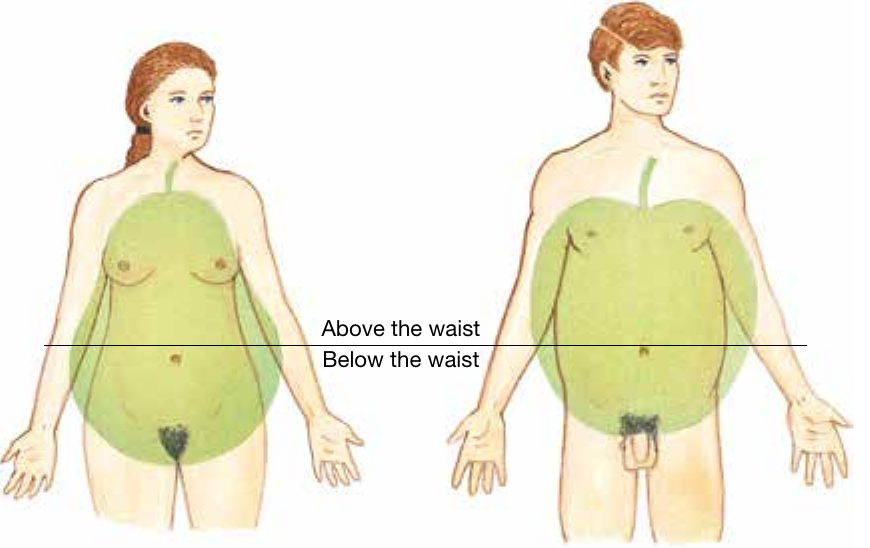
Oestrogen also influences how and where fat is deposited in the body. Oestrogen typically causes fat accumulation around the buttocks and thighs (pear shape). In contrast, men and post-menopausal women tend to accumulate more fat around the abdomen (apple shape), which increases heart disease risk.
Testosterone:
Testosterone is known as the male sex hormone, although it is present in small quantities in females. It is primarily responsible for male sex characteristics and sperm production.
Testosterone may also contribute to increased risk-taking behaviours and aggression in males compared to females. Risk-taking activities such as dangerous behaviour, violence, and substance misuse can result in higher injury rates and mortality for males compared to females.
Exam tips
Summary
Answering Exam Questions About Biological Factors:
When answering exam questions about biological factors and their impact on health status, remember to:
-
Identify a specific biological factor (e.g., body weight, blood pressure, blood cholesterol, glucose regulation, birth weight, or genetics)
-
Discuss how this factor contributes to ill health or specific health conditions
-
Link the factor to health status measures such as morbidity, mortality, burden of disease, or life expectancy
Example Response Structure:
"Body weight is a biological factor that significantly impacts health status. Being overweight or obese increases blood pressure and raises the risk of heart attack and stroke. This impacts health status because cardiovascular disease is a leading cause of both morbidity and mortality in Australia, contributing substantially to the overall burden of disease."
Remember!
Summary
Key Points to Remember:
-
Six key biological factors contribute to variations in health status: body weight, blood pressure, blood cholesterol, glucose regulation, birth weight, and genetics.
-
Interconnected factors: Many biological factors influence each other. For example, high body mass increases the risk of high blood pressure, high cholesterol, and impaired glucose regulation.
-
Age matters: Several biological factors show age-related patterns. High blood cholesterol increases significantly with age, and the burden of disease from impaired glucose regulation rises dramatically in older populations.
-
Genetics and hormones: Sex differences in health conditions result from both genetic factors and hormone variations between males and females, particularly oestrogen and testosterone.
-
Prevention and management: While some biological factors have genetic components that cannot be controlled, many can be managed through lifestyle modifications such as maintaining healthy weight, regular physical activity, healthy diet, avoiding smoking, and limiting alcohol consumption.