Environmental Factors Contributing to Variations in Health Status (VCE SSCE Health and Human Development): Revision Notes
📚Revision Notes
Environmental Factors Contributing to Variations in Health Status
Introduction to environmental factors
Environmental factors refer to the physical surroundings in which we live, work and play. These can be natural features or those built by people. The relationship between the physical environment and health status is complex, but evidence shows that the way people interact with their environment can significantly increase or decrease the risk of negative health outcomes.
Note
A World Health Organization study from 2002 estimated that 24 per cent of the global burden of disease and 23 per cent of all deaths were due to aspects of the physical environment. This highlights the critical importance of understanding how our surroundings affect our health.
Understanding these environmental influences allows governments and non-government organisations to develop strategies that modify the physical environment to reduce the risk of illness occurring among populations.
There are four main environmental factors that impact health status: housing, work environment, urban design and infrastructure, and climate and climate change. Each of these factors plays a distinct role in determining the health outcomes of individuals and population groups.
Housing
People spend a significant portion of their lives at home, making the housing environment a crucial determinant of health status. The quality and features of housing can either promote good health or increase the risk of various health problems.
Ventilation and hygiene
Poor housing quality is associated with higher rates of illness from both infectious and chronic diseases. Houses that are damp and have poor ventilation create conditions that promote the growth of mould. This can increase the risk of developing respiratory conditions and asthma-related symptoms, such as coughing, wheezing and irritation of the upper respiratory tract, by 30 to 50 per cent.
Important
Adequate ventilation helps to remove moisture and pollutants from indoor air, reducing the risk of respiratory conditions. Proper hygiene practices in the home, supported by appropriate facilities, help prevent the spread of infectious diseases among household members.
Design and safety
The physical design of a house and how well it is maintained directly affects the safety of its occupants. Features such as stairs, floor surfaces (especially those that may become slippery when wet), bodies of water (including ponds, dams and pools), balconies, electrical wiring and furniture can all pose risks if not properly designed or maintained.

Note
These hazards can increase the risk of falls, cuts, drowning and electrocution. Young children and elderly people are often most at risk of these injuries due to developmental factors and physical limitations respectively.
Overcrowding
People living in overcrowded housing experience higher rates of mental health issues because occupants find it difficult to find their own personal space. The lack of privacy and constant close contact with others can lead to stress and anxiety.
Overcrowded conditions also place added strain on bathroom, kitchen and laundry facilities. This can lead to unsanitary conditions that increase the risk of infectious diseases spreading among household members. Additionally, overcrowding can negatively impact education and employment opportunities, as residents may struggle to find quiet spaces for study or work.
Sleeping conditions
Sleep is essential for good health and wellbeing, and the home environment should promote restful sleep. Factors such as noise and overcrowding can significantly impact sleeping conditions. Poor sleep quality contributes to mental health issues, including increased stress, anxiety and depression. It can also affect physical health, concentration and daily functioning.
Security
A house that is not seen as secure from the elements and intruders can promote fear among residents. This lack of security leads to high levels of stress and anxiety, which can have long-term negative effects on mental health and wellbeing. Feeling safe in one's home is a fundamental human need that supports overall health.
Pollutants
Various pollutants in the home environment can harm respiratory health. Environmental tobacco smoke is a significant concern, particularly for children and non-smokers living with smokers. Other pollutants include asbestos (found in older buildings), dust, pet hair and other airborne particles. Exposure to these pollutants can lead to respiratory conditions such as asthma and other breathing difficulties.
Resources conducive to eating a nutritionally sound diet
Having the right resources in the home supports healthy eating practices. Refrigeration for storing food safely and adequate cooking appliances are essential for preparing nutritious meals. When individuals lack access to such resources, they may rely more heavily on takeaway foods, which are often high in fat, salt and sugar. This dietary pattern can contribute to obesity and related conditions such as cardiovascular disease and type 2 diabetes.
Access to water and sanitation facilities
An adequate water supply and the infrastructure to deliver clean water to homes are fundamental requirements for health. Access to clean water decreases the risk of infectious diseases that can be transmitted through contaminated water sources.
Note
Sanitation refers to the process of eliminating contact between humans and hazardous wastes, including human and animal faeces and urine, solid wastes, domestic wastewater (sewage and grey water), industrial wastes and agricultural wastes.
Sanitation facilities are essential to remove human waste from the immediate environment. This reduces the risk of infectious diseases such as cholera, which are spread by contact with human waste. Proper sanitation is a cornerstone of public health.
Work environment
Many Australians spend a significant amount of time at their place of employment, making the physical environment of the workplace an important determinant of health status. Different types of work environments present different health risks.
UV exposure
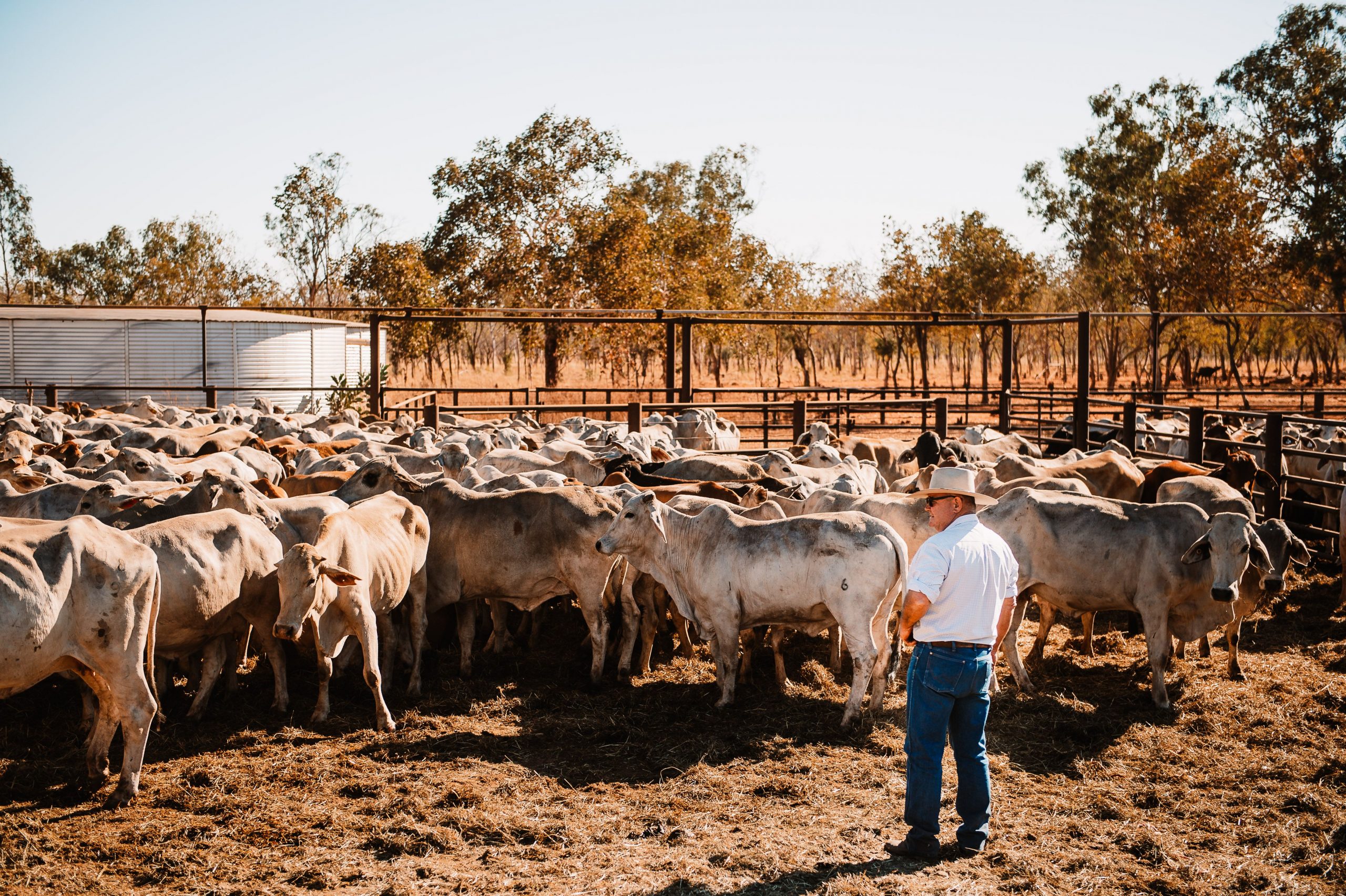
People who work outdoors are more exposed to ultraviolet (UV) radiation from the sun. This increased exposure elevates the risk of skin cancer among outdoor workers. Australia has particularly high UV radiation levels, contributing to the country having the highest rates of skin cancer in the world. Workers in industries such as farming, construction, landscaping and outdoor recreation face heightened risks.
Dangerous working conditions
According to the Australian Bureau of Statistics (2018), approximately 4.2 per cent of all employees aged 15 and over sustained a work-related injury in the previous year. Many workplaces have risks associated with the specific environment in which the work is carried out.
People working on farms, fishing trawlers and in mining operations often use heavy machinery, which can increase the risk of serious injuries. Workers in transport industries, such as truck drivers and taxi drivers, may have an increased risk of road trauma as a result of spending extended periods on the roads. Those working with tools such as sewing machines and saws may have an increased risk of cuts and lacerations.
Exposure to hazardous substances
Important
Hazardous substances such as paint, asbestos, fuels, gases, acids and corrosive chemicals are used in many workplaces, particularly those involved in manufacturing and building. Although the use of protective equipment can reduce the risks associated with handling such substances, they still contribute to illness and death in the workplace.
Long-term exposure to hazardous substances can lead to respiratory conditions, cancers and other chronic health problems. Acute exposure can result in burns, poisoning and other immediate health emergencies.
Urban design and infrastructure
Infrastructure refers to the physical and organisational structures, facilities and systems (such as buildings, roads and power supplies) needed for the operation of a society. Urban design and infrastructure relate to the features and structures of the suburbs, towns, regions and cities in which people live.
Geographical location of resources
Having access to goods and services increases the ability of many people to access resources required for good health and wellbeing. Being close to supermarkets, shops and hospitals, and having the means to reach these resources, can decrease morbidity and mortality rates. When people can easily access these facilities, they are better able to obtain adequate food and healthcare.

Note
Conversely, living far from essential services creates barriers to health. People may struggle to access fresh food, leading to poorer nutritional intake. Distance from healthcare facilities can delay treatment of health conditions, potentially leading to worse health outcomes.
Being in close proximity to fast-food outlets may increase the frequency at which people consume such products. This can increase energy intake and contribute to being overweight and obesity, along with associated health conditions.
Industrial sites located in close proximity to residential areas may increase air and noise pollution. This can increase the risk of mental health issues. In one study of neighbourhoods near Sydney airport, residents who were chronically exposed to high aircraft noise were more likely to report stress and high blood pressure than those living in a matched suburb unaffected by aircraft noise.
Important
Exam tip: It is important to discuss the selected factor in the correct context. For example, access to healthcare can be influenced by various factors such as health literacy, cultural influences, geographical location of hospitals and access to transport systems. If asked to discuss a sociocultural factor, access to healthcare may be appropriate, provided the discussion relates to sociocultural influences. To discuss the impact of geographical location of hospitals or access to transport systems relates to environmental factors.
Infrastructure
Having adequate infrastructure assists in promoting health status in numerous ways. Key aspects of infrastructure include roads and transport systems, information and communication technologies, electricity supply, water facilities and sanitation systems, and parks and recreation facilities.
Roads and transport systems
Adequately maintained roads and traffic systems, including traffic lights, signage and road lighting, can improve safety and decrease the risk of illness and death from road trauma. Well-designed roads reduce the likelihood of accidents and make travel safer for all road users.
Public transport systems help people access resources that promote health status, such as food, employment, healthcare and social interaction opportunities. People living outside Australia's major cities may be particularly vulnerable to transport issues. A lack of transport can prevent people from taking steps to promote their health status, such as maintaining a balanced food intake and seeking medical care when required.

Information and communication technologies
Information and communication technologies, such as telephone and internet connections, assist in maintaining social connections. This promotes mental health and wellbeing and can decrease the risk of mental illness by reducing social isolation.
Note
Internet connections also promote education for those living outside major cities, helping to increase socioeconomic status by increasing opportunities for employment. Web-based resources are increasingly being used to educate consumers about health-related matters. Examples include sites providing symptom checkers, healthy living advice, and online counselling and support. Together, these resources can improve health literacy and health status outcomes.
Electricity
Electricity is required for heating and cooling, cooking and refrigeration, telecommunications and recreation. Access to electricity enables the use of appliances that preserve food, maintain comfortable living temperatures, and support communication and entertainment. All of these resources assist in promoting health and wellbeing.
Water
Water is essential for life. It is required for drinking, bathing, cooking and sanitation. Having access to a clean and reliable water supply reduces the risk of infectious diseases, such as dysentery, and promotes health and wellbeing. Safe water prevents waterborne illnesses that can cause severe illness and death.
Sanitation infrastructure
Adequate sanitation infrastructure, such as sewerage systems, eliminates waste from the environment. Removing substances such as faeces, solid wastes and domestic wastewater reduces the risk of contracting infectious diseases such as cholera. Proper sanitation is particularly important in densely populated areas where waste can quickly accumulate.
Parks and recreation facilities
Having access to adequate public spaces such as parks and gardens, and recreation facilities such as walking paths, cycling tracks and basketball and tennis courts, means people are more likely to be physically active. Regular physical activity reduces the risk of mental health problems, obesity, cardiovascular disease and other chronic conditions. These spaces also provide opportunities for social interaction, which supports mental health and wellbeing.
Climate and climate change
Geographically, Australia is a large country and experiences a range of climates as a result. Rainfall, temperature and wind patterns vary across the country, producing different impacts on health status. Weather patterns have been changing in Australia over the past century, bringing about additional impacts on health status.
Climate
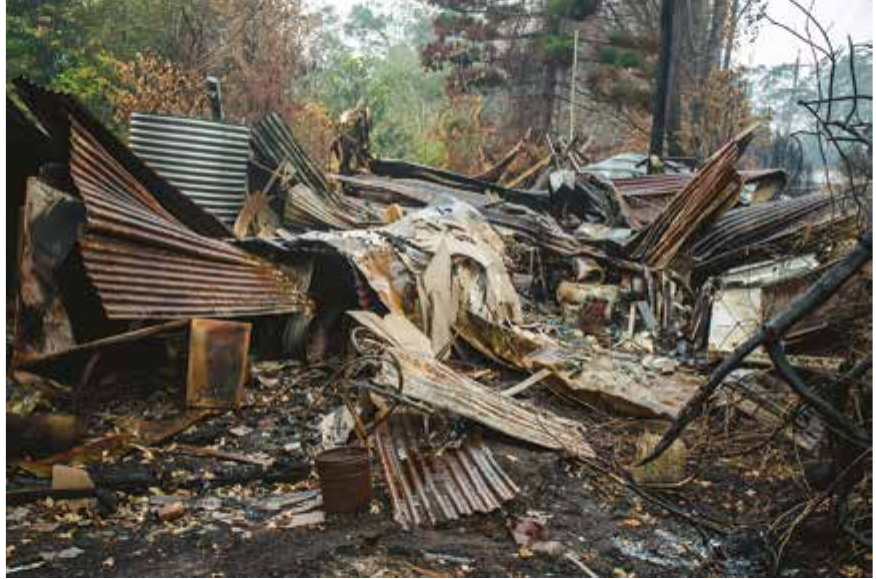
Australia is the driest inhabited continent on Earth, making it more susceptible to bushfires than many other countries. Bushfires result in the loss of human and animal life, and houses and infrastructure can be destroyed. This limits the availability of goods and services that are required for optimal health and wellbeing. Access to resources such as water, food and healthcare can all be affected, further increasing illness and death rates in affected areas.
Ultraviolet (UV) radiation levels are also comparatively high in Australia. This contributes to Australia having the highest rates of skin cancer in the world. The intense UV radiation requires Australians to take protective measures to reduce their risk of skin damage and cancer.
Climate change
There is increasing concern that changes to the environment are contributing to climate change. This results in extreme temperatures, rising sea levels, and increases in the occurrence of natural disasters and the spread of vector-borne diseases (such as dengue fever and Ross River fever, which are spread by infected mosquitoes). Human settlement, industrialisation, land clearing and farming practices all affect environmental systems, including climate systems.
Important
The impacts of climate change on health status vary depending on a range of factors. According to the Australian Institute of Health and Welfare (2012), the most vulnerable groups are those living in remote areas, on lower incomes or with poor housing; the young and elderly; and the sick. Aboriginal and Torres Strait Islander people living in remote communities are also likely to be disproportionately affected by climate change because of their relative isolation and limited access to support facilities.
Natural disasters
Changes in climate result in more natural disasters such as bushfires and floods. Extreme weather across Australia during 2019 and 2020 was associated with intense bushfires in many parts of the country. Increasing temperatures are expected to lengthen bushfire seasons and increase the frequency and intensity with which bushfires occur.
Example
Natural Disaster Impact: The Black Saturday Fires
In 2009, Victoria experienced the Black Saturday fires, which were the most intense and most lethal in Australia's recorded history.
Immediate impacts:
- More than 170 people died
- Many others suffered severe burns and were hospitalised
- Towns were completely wiped out by fires
Infrastructure damage:
- Electricity supply destroyed
- Dams damaged
- Housing destroyed
- Schools wiped out
Agricultural losses:
- Thousands of sheep and cattle killed
- Entire crops destroyed
As well as the immediate impact on illness and death, such events take a long time to recover from. They can increase the risk of mental health disorders and reduce access to health-promoting resources for years to come.
Note
Floods in Queensland, New South Wales and Victoria in 2010–11 caused widespread damage, including the loss of life. Thousands of farms were affected by extensive livestock and crop losses. Infrastructure was also destroyed, limiting people's ability to access resources such as food, clean water and healthcare. The long-term effects of such disasters continue to affect communities long after the immediate event.
Summary
Key Points to Remember:
-
Environmental factors include housing, work environment, urban design and infrastructure, and climate and climate change. These physical surroundings significantly impact health status.
-
Housing quality affects health through ventilation, safety features, overcrowding, pollutants, and access to water and sanitation. Poor housing is linked to both infectious diseases and chronic conditions.
-
Work environments present specific health risks including UV exposure, dangerous working conditions and exposure to hazardous substances. Different occupations carry different environmental health risks.
-
Urban design and infrastructure, including geographical location of resources, roads, transport systems, and utilities, determine access to health-promoting resources and services.
-
Climate and climate change affect health through natural disasters, extreme temperatures and the spread of vector-borne diseases. Vulnerable populations, including those in remote areas and Aboriginal and Torres Strait Islander communities, are disproportionately affected.