Influences of Media on Individual and Group Behaviour (VCE SSCE Psychology): Revision Notes
📚Revision Notes
Influences of Media on Individual and Group Behaviour
Introduction to media influences
Media sources serve as the primary means of communication for reaching the general public. They encompass various platforms including television, radio, newspapers, social media, and the internet. Historically, print and broadcast media were the only ways people could access information about world events. The moon landing in 1969, for instance, was witnessed by the public through television and radio broadcasts. Today, consumers can access almost any information through digital news sources, social media platforms, and the internet.
Note
Media sources play a dual role in society. On one hand, they can educate individuals through informative programming and facilitate communication. On the other hand, they may contribute to negative outcomes such as exposure to violence, unrealistic body standards, and addictive behaviours.
Understanding these influences is essential for navigating modern media consumption responsibly.

The following sections explore how media influences behaviour through four main areas: social connections, social comparison, addictive behaviours, and information access.
The changing nature of social connections
What are social connections?
Social connections refer to the relationships individuals maintain with people around them. These can range from close relationships with family members, friends, and colleagues to more distant connections with casual acquaintances. Physical proximity varies widely – connections may be with neighbours next door or with people thousands of miles away, communicable only through technology.
The strength and size of one's social network can vary considerably. Some individuals thrive with just one or two close relationships, whilst others maintain extensive networks. Research demonstrates that solid social connections fulfil a central psychological need and contribute substantially to life satisfaction and mental health.

Benefits of strong social connections
Scientific evidence consistently shows that people with robust social connections experience numerous psychological benefits. They demonstrate lower rates of anxiety and depression, higher self-esteem levels, and greater capacity for empathy. These individuals also tend to form more trusting and cooperative relationships with others.
Important
Conversely, social isolation and loneliness pose serious health risks. Socially isolated older adults, in particular, tend to be less physically active, more likely to smoke, and have elevated blood pressure alongside other cardiovascular risk factors. Multiple studies indicate that social isolation increases mortality risk in adults.
How social media has transformed connections
The way people form and maintain relationships has changed dramatically over the past decade. Traditional neighbourhoods where everyone knows each other have become less common due to longer working hours, changing family structures, increased geographical mobility, and the rise of online technologies and social media platforms.
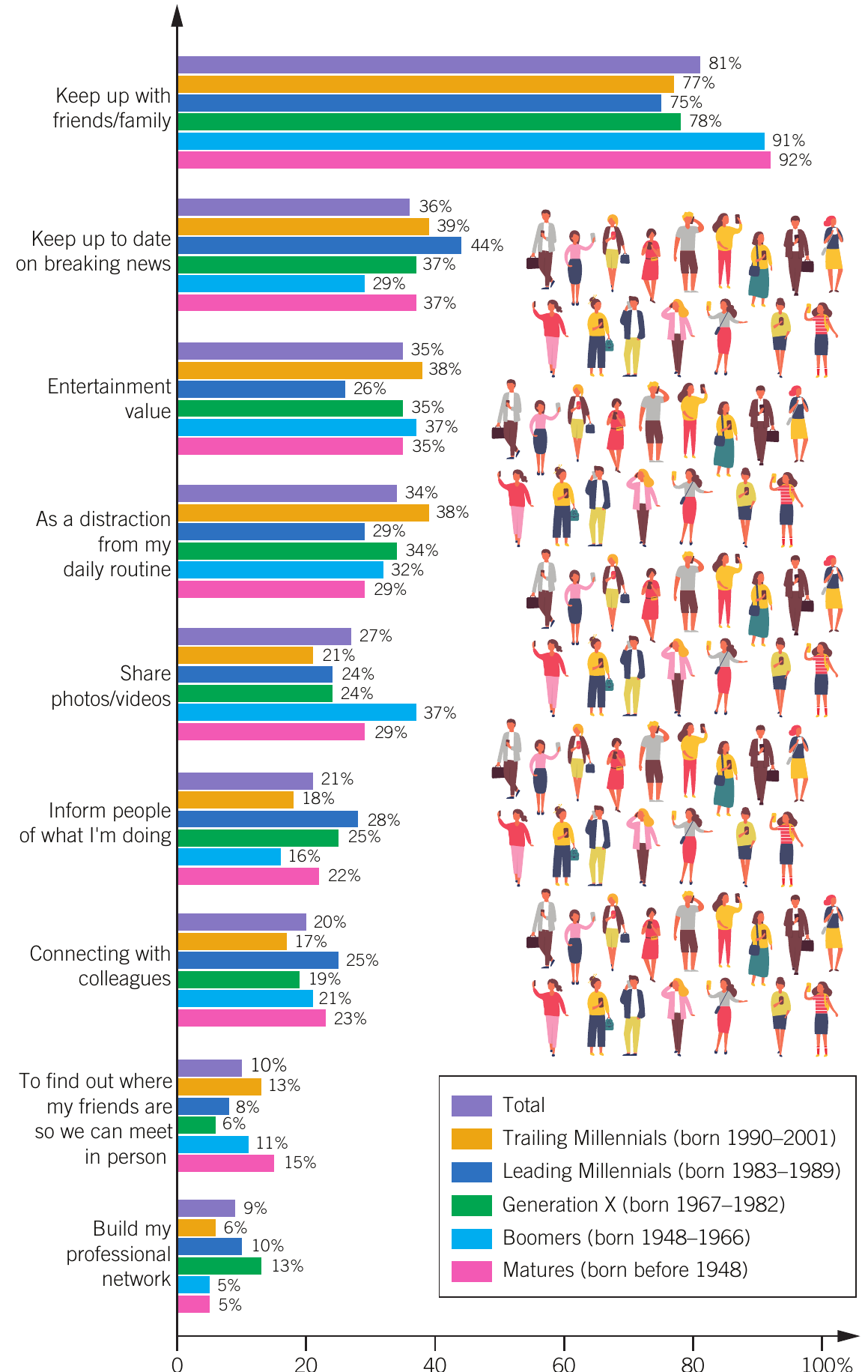
Social media platforms, particularly Facebook and similar networks, have fundamentally altered socialisation patterns, especially amongst young people. Research indicates several positive influences from increased social media use:
- Enhanced communication opportunities supporting social networking for individuals and professional groups
- Strengthened relationships with family and friends regardless of geographical distance
- Facilitation of connections between like-minded individuals, potentially leading to global friendships
- Reduced barriers to connectivity for introverted individuals or those with poor social skills, as they feel more secure communicating through screens
Note
Social media has also created platforms for advocacy and social change. Users can voice opinions, participate in environmental discussions, raise charitable funds, and campaign on various political, social, and environmental issues. Important social issues such as family violence, climate change, and disease prevention have gained increased awareness through social media campaigns.
Example
Real-World Impact: Grace Tame's Advocacy
Grace Tame's 2019 advocacy regarding child abuse in institutional settings led to significant legal reforms protecting sexual assault survivors' rights to share their stories publicly. This demonstrates how social media platforms can amplify important voices and drive meaningful social change.
Negative impacts on social connections
Despite these benefits, concerns exist about social media's negative influence on social skills development. The absence of face-to-face contact makes it harder for people to identify emotions being expressed during conversations, reducing their ability to respond appropriately. Social media and video games may blur the distinction between meaningful real-world relationships and casual online connections.
Important
Research reveals problematic patterns of social media use even during in-person gatherings. One study found that 76% of females and 54% of males check social media platforms at least 10 times when physically present with friends. This detachment from immediate surroundings hinders social development and, in some cases, contributes to mental health issues.
Social comparison
Understanding social comparison theory
Social comparison is a behaviour where individuals evaluate certain aspects of themselves – including behaviour, opinions, status, and success – against other people to achieve better self-assessment. Leon Festinger developed social comparison theory in 1954, hypothesising that people cannot accurately self-judge their opinions and abilities without external reference points. Consequently, individuals compare themselves to others to form evaluations, judge their capabilities, determine whether they are "good enough," and set benchmarks for future achievement.
Types of social comparison
Social comparisons fall into two categories: upward and downward.
Note
Upward social comparison occurs when individuals compare themselves to someone they perceive as superior. These comparisons often stem from desires to improve one's current status or ability level, serving as motivation.
Example
Upward Comparison Example
Thinking "My neighbour inspires me. If he can run a half-marathon, then so can I" represents upward comparison that may motivate positive action. This type of comparison can drive self-improvement and goal achievement.
Note
Downward social comparison involves comparing oneself to someone perceived as inferior. These comparisons typically make people feel better about their own abilities or traits, thereby raising self-esteem.
Example
Downward Comparison Example
An example would be thinking "I feel happy knowing that I beat my neighbour in the half-marathon." This type of comparison can boost self-confidence but may not always lead to productive outcomes.
Social comparison provides a mechanism for determining whether one is "on track" in life. However, it can also prove harmful, resulting in negative thoughts and behaviours.
Important
Rather than assessing abilities against realistic, achievable benchmarks or appropriate role models, social comparisons may lead to measuring oneself against unrealistic standards, subsequently developing low self-esteem.
Social media and social comparison
Social media platforms such as Twitter, Facebook, and Instagram provide abundant opportunities for social comparison. Users viewing posts about others' new cars, attractive partners, or beautiful homes may feel inspired or motivated to achieve similar results. However, others viewing identical content may engage in upward social comparisons, experiencing feelings of inferiority and envy.

The constant exposure to filtered and photoshopped images across social networking sites, television, and advertising creates unrealistic expectations regarding appearance and behaviour amongst young people. When these expectations remain unmet, self-esteem suffers substantially. Teenagers may respond by altering their appearance through excessive exercise, drug use, or food restriction.
Important
A University of Pittsburgh study identified a correlation between time spent scrolling through social media and negative body image. Users spending more time on social media had 2.2 times the risk of reporting eating and body image concerns compared to peers with lower social media usage.

Fear of missing out (FOMO)
Online media use can trigger fear of missing out (FOMO) – the extreme fear of missing a social event or not being included in one. Individuals may see photographs of parties or enjoyable events they either weren't invited to or couldn't attend due to work or school obligations. This triggers anxiety and beliefs that nobody misses them or that they will be forgotten in their absence.
Important
FOMO significantly impacts self-esteem and leads to compulsive social media checking to ensure one isn't missing anything, ultimately causing potential workplace and classroom problems. A Harvard University study found that social media has a substantially detrimental effect on chronic users' emotional wellbeing, negatively impacting real-life relationships and academic achievement.
Addictive behaviours
Understanding media addiction
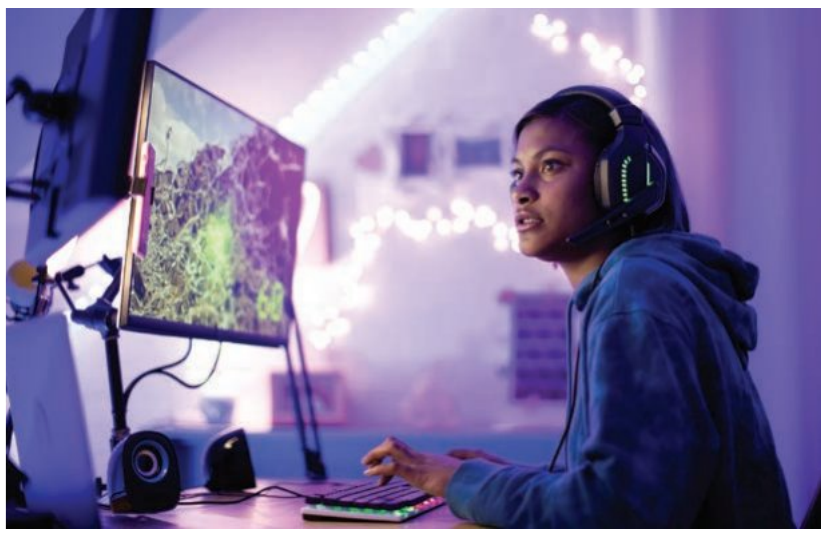
Online technologies, including social media and video games, have received increasing research attention over the past decade. Whilst these technologies offer many positive attributes, concerns have emerged regarding excessive use and potential addiction. Addiction refers to a state where a person experiences uncontrollable motivation to perform certain behaviours (such as online activities), devoting so much time and effort that other important life areas become impaired.
Note
Individuals engrossed in phones, video games, or online shopping whilst ignoring everyday activities like housework, homework, or real-life socialising meet this definition of addiction. The key indicator is when these activities begin to impair other important areas of life.

Internet gaming disorder
The Diagnostic and Statistical Manual of Mental Disorders (DSM-5-TR) lists internet gaming disorder as a potential behavioural addiction. It is defined as "persistent and recurrent use of the internet to engage in games, often with other players, leading to clinically significant impairment or distress" when five or more diagnostic criteria are met within 12 months.
Growing research demonstrates that addictive internet use and video gaming resembles other substance use disorders, featuring similar criteria:
- Mood modification: Engaging in internet use or gaming to escape problems and relieve negative moods or feelings
- Salience: Being preoccupied with internet use or video gaming
- Tolerance: Needing increasing time periods for internet use or gaming
- Withdrawal symptoms: Experiencing unpleasant physical and emotional symptoms when internet use or gaming is restricted or stopped
- Conflict: Experiencing interpersonal problems caused by internet use or gaming
- Relapse: Quickly reverting to excessive internet use or gaming following abstinence periods
Demographic factors in technology addiction
Whilst anyone with internet or video game access can potentially develop addictive technology use, certain demographic factors increase risk. Young age particularly elevates risk, as much of younger generations' social culture involves communicating through digital media via social media, texting, or email.
Note
Research demonstrates that technology addiction affects all genders, though males and females engage in different online activities. Males show higher likelihood of developing addictions to online video gaming, cyber pornography, and online gambling. Females tend toward addictive use of social media, texting, and online shopping.
Symptoms of different addictions
Important
Social media addiction symptoms include:
- Spending extensive time thinking about or planning social media use
- Feeling urges to use social media increasingly
- Using social media to forget personal problems
- Attempting unsuccessfully to reduce social media use
- Becoming restless or troubled when unable to use social media
- Using social media so extensively it affects work or studies
Important
Video game addiction symptoms include:
- Becoming isolated from family and friends
- Lying about gaming frequency and playing secretly
- Becoming upset and irritable without gaming
- Neglecting work or school for gaming
- Avoiding previously enjoyed activities
- Skipping meals to focus on gaming
- Experiencing fatigue from insufficient sleep
- Developing physical problems like carpal tunnel syndrome, migraines, or eye strain
Important
Online shopping addiction symptoms include:
- Feeling unable to stop shopping even when desired
- Experiencing harm to relationships, work, or financial security from shopping
- Having family members or friends concerned about shopping habits
- Thinking about shopping constantly
- Getting angry or upset when unable to shop online
- Believing online shopping is the only thing providing relief
- Hiding purchases from others
- Feeling guilt or regret after shopping
- Spending less time on enjoyable activities due to shopping
- Buying unneeded or unplanned items despite financial inability

The role of dopamine
Social media, internet shopping, and video game addiction can be explained through dopamine release in the brain. Dopamine is a naturally occurring "feel-good" chemical motivating people toward activities they believe will bring pleasure. As the brain's major reward and pleasure neurotransmitter, dopamine drives behaviours like purchasing food when hungry.
Social media, video games, and online shopping trigger dopamine release through likes and comments, advancing game levels, and receiving purchases. Harvard University research shows that these activities activate the same brain regions activated by addictive substances.
Note
When someone experiences something rewarding, neurons in dopamine-producing brain areas activate and dopamine levels rise. The brain receives a "reward" and associates the activity with positive reinforcement. Through this mechanism, the brain rewires itself, ultimately prompting people to desire more of these activities.
Example
How Dopamine Works in Social Media
When individuals see notifications (such as someone liking a post), the brain experiences a dopamine rush sent along reward pathways, causing pleasure. Through positive reinforcement, the brain rewires itself, ultimately prompting people to desire more likes and comments on social media posts. This creates a cycle that can lead to compulsive checking and usage patterns.
Information access
Understanding information access
Information access refers to the ability to identify, retrieve, and use information effectively. Traditionally, information circulated through word of mouth, public libraries, or media sources including newspapers, radio, and television. Recent computer technology advances have revolutionised information access, making vast amounts of business, education, health, government, and entertainment information accessible through the internet and digital news sources.
Benefits of enhanced information access
One major benefit of diverse media sources is the development of cultural and political awareness. Media exposure enables people to become informed about state, national, and global issues whilst developing artistic and political understanding. Television programmes, films, magazines, and social media sites provide access to different cultures, allowing learning about diverse ethnic and cultural backgrounds.
Note
News programmes and documentaries can robustly educate, inform, and challenge discriminatory or extreme views. Television shows like Go Back to Where You Came From and You Can't Ask That highlight and challenge prejudicial views and stereotypes about numerous marginalised social groups.
Internet-based news sources offer benefits through providing numerous news items, weather updates, educational resources, and entertainment accessible anytime to multiple users. Notifications through social media and news media sites are posted and updated regularly. During disasters or extreme weather events, information often broadcasts through these channels before appearing in newspapers or television news.
Internet and social media connectivity offers access to international television shows, movies, magazines, news channels, and educational resources. The diverse range of information accessible through wikis, blogs, online texts, books, quizzes, activities, and discussion forums promotes learning and revision of countless subjects in engaging ways.
Example
Social Media as a Career Launchpad
Social media and streaming services like YouTube allow comprehensive information access, from cooking tutorials and new music to product recommendations. Many musicians, including Justin Bieber, Charlie Puth, Alessia Cara, and Shawn Mendes, launched careers by uploading performance videos to YouTube, demonstrating how digital platforms can provide unprecedented opportunities.
Drawbacks of information access
Despite these advantages, access to extensive information can decrease focus ability, particularly when students attempt homework completion. Distraction from social media or television can substantially increase task completion time whilst simultaneously decreasing work quality.
Important
Studies found that students checking Facebook even once during a 15-minute study period achieved lower grades than students who didn't check Facebook. This highlights the significant cognitive cost of digital distractions.

Individuals are increasingly aware of potential negative consequences from posting personal information. Many sites like Instagram and Facebook sell personal information to online advertisers, who use it for targeted product marketing. Data leaks can compromise passwords, revealing names, addresses, school locations, and even bank details. Once photographs are uploaded online, completely erasing all traces becomes impossible.
Important
Privacy and Employment Concerns
Many employers examine potential candidates' social media profiles to confirm job suitability. Inappropriate images or comments on Instagram or Facebook have resulted in candidates being passed over for jobs or opportunities. Other potentially negative influences include adverse consequences of privacy loss, identity theft, and cyber safety issues.
Research found that within a 12-month period, young social media users experienced exposure to cyberbullying, obscene content, or contact with paedophiles and other dangerous individuals.
Advertising and information
The explosion in online media use exposes people to more advertising than ever before. Similar to news sources providing information, advertisements also serve informational purposes. Many advertisements serve public good or protect from harm, warning about drink-driving hazards, driving whilst tired, speeding, cigarette smoking, sun exposure, and illicit narcotics. Other advertisements raise awareness about illness signs, violence, or terrorist activities. Still others inform about new or improved products or services potentially benefiting health, or methods and information that can improve lives. Advertising also enables cost comparison for obtaining best value.

Important
However, whilst much advertising content is accurate, some is purposefully deceptive or untrue. Since children comprise a large market sector, substantial advertising targets them. Much of this advertising promotes unhealthy meals and beverages high in fat, salt, and sugar, which can adversely affect children's health and lifestyles.
Note
Substantial money previously spent on television and newspaper advertising targeting children has been redirected to internet and digital media instead. For example, many children's YouTube shows contain advertisements for fast food or toys, making it harder for parents to control their children's exposure to marketing messages.
Remember!
Summary
Key Points to Remember:
-
Social connections are relationships with people around us. Strong social connections reduce anxiety and depression whilst improving self-esteem and empathy. Social media can strengthen connections but may also hinder face-to-face social skills development.
-
Social comparison involves evaluating ourselves against others. Upward comparisons (comparing to those perceived as better) can motivate improvement but may lower self-esteem. Downward comparisons (comparing to those perceived as worse) can boost self-esteem but may be unhelpful. Social media intensifies social comparison through constant exposure to others' curated lives.
-
Addictive behaviours can develop from excessive use of social media, video games, and online shopping. Addiction involves uncontrollable motivation to perform these behaviours despite impairment to other life areas. Dopamine release creates positive reinforcement, rewiring the brain to crave these activities.
-
Information access has been revolutionised by digital media, providing unprecedented access to educational resources, news, and cultural content. However, this access can decrease focus, compromise privacy, and expose users to harmful content or deceptive advertising.
-
Media influences are complex, offering both benefits and risks. Critical evaluation of media consumption and awareness of potential negative impacts enables healthier engagement with modern media sources.