The Influence of Prejudice, Discrimination, and Stigma (VCE SSCE Psychology): Revision Notes
📚Revision Notes
The Influence of Prejudice, Discrimination and Stigma
Understanding stigma
Stigma refers to a negative attitude directed towards someone based on a distinguishing characteristic such as mental illness, disability, gender, sexuality, race, religion or culture. When individuals or groups are stigmatised, they experience rejection based on assumptions rather than their actual characteristics or behaviour.
Media representations in television, films, advertisements and social media often perpetuate stigma. Individuals may face stigmatisation from strangers, family members, friends, colleagues, or even themselves through internalised negative beliefs.

When entire social or cultural groups face stigma, members experience rejection based on group stereotypes rather than individual merit. This creates feelings of anger, persecution and insult, which in turn reduces trust in other groups and damages self-esteem. For stigmatised and disadvantaged groups, these experiences can lead to shame and isolation, sometimes causing behaviour to shift towards negative stereotypes in a self-fulfilling prophecy.
Note
The impact of stigma extends beyond individuals to entire communities. When groups face systematic stigmatisation, the psychological effects compound across generations, creating lasting damage to collective wellbeing and social cohesion.
Prejudice: attitudes based on group membership
Prejudice involves holding negative attitudes towards people based solely on their membership of a certain group. These attitudes overlook individual characteristics and assign negative beliefs about the entire group to each member. People who are prejudiced often ignore evidence that contradicts their beliefs, requiring substantial counter-evidence to change their views.

Prejudice typically targets groups based on characteristics including:
- Ethnicity and race
- Gender and sexual orientation
- Age
- Appearance
- Occupation
- Mental health or disability status
Majority and minority groups
Prejudice commonly flows from majority groups towards minority groups. Majority group members often view themselves as the "ingroup" whilst considering the minority as the "outgroup". According to psychologist Herbert Blumer, majority groups tend to believe they are superior, more powerful and more important than minority groups. This occurs because they perceive the minority as different in ways that make them "not belong".
Important
Paradoxically, prejudiced majority groups may also feel insecure, fearing the minority group might increase in power or influence. This fear often drives discriminatory behaviour even when no real threat exists.
Categories of prejudice
Psychologists identify two main categories of prejudice in modern society:
Old-fashioned prejudice refers to deliberate and overt prejudice originating from historical periods when beliefs in superior and inferior races or nations were widespread and embedded in government policy, law, education and religion. This led to practices such as racial segregation in employment, schooling, housing and access to resources.
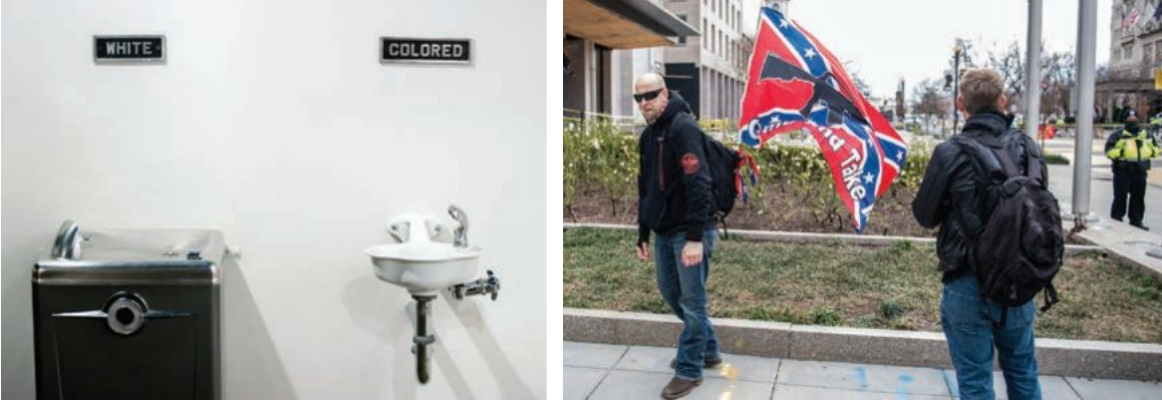
Modern prejudice presents as more subtle, displaying surface-level acceptance of minority groups whilst maintaining hidden prejudice underneath. For example, an employer might interview candidates from different ethnic backgrounds but consistently hire from the majority group regardless of qualifications.
Note
In most Western societies including Australia, old-fashioned prejudice has declined largely because associated behaviours such as violence, name-calling and overt discrimination face legal consequences and social disapproval. However, modern prejudice remains widespread and proves more difficult to detect and address.
Discrimination: when prejudice becomes behaviour
Discrimination occurs when prejudice translates into negative behaviour directed towards a specific group or individuals belonging to that group. Whilst prejudice involves beliefs and emotions, discrimination involves actions. These actions can range from subtle behaviours such as strategic ignoring, put-downs and exclusion to severe acts including violence and genocide.
Australian federal and state anti-discrimination laws prohibit discrimination based on age, gender, race, colour, religion, political opinion, medical or criminal record, disability and sexual orientation.

Types of discrimination
The Australian Human Rights Commission identifies three distinct types of discrimination:
Direct discrimination occurs when someone receives unfavourable treatment due to a personal characteristic protected by law, such as age, sex, marital status or sexual orientation. Examples include refusing service at a café due to race, or not considering an older applicant for employment based on assumptions about their technological capabilities.
Indirect discrimination happens when identical treatment is applied to everyone, but this disadvantages certain individuals due to personal characteristics. For instance, requiring stair access as the only entry to a public building excludes wheelchair users. Similarly, policies requiring full-time work for management positions may disadvantage people with family responsibilities who can only work part-time.

Intersectional discrimination occurs when particular groups face even greater disadvantage because they experience multiple forms of discrimination simultaneously. Women from minority ethnic groups, for example, might face discrimination based on both gender and ethnicity, receiving lower pay than both white women and men from their own ethnic group.
Important
Intersectional discrimination creates compounding disadvantages. When multiple forms of discrimination overlap, the combined effects prove more severe than any single form alone, leaving certain groups at significantly greater risk of harm.
Effects of discrimination on wellbeing
Discrimination creates wide-ranging physical, psychological and social disadvantages for victims. Research in both the United States and Australia demonstrates that racism and other forms of discrimination contribute significantly to disease onset, particularly mental health conditions and to a lesser extent physical illnesses.
Physical health effects include:
- Elevated blood pressure
- Weakened immune system function
- Long-term health conditions resulting from immune system damage
- Higher rates of smoking, alcohol use and drug use
- Unhealthy eating patterns
Psychological effects include:
- Psychological distress
- Depression and anxiety
- Post-traumatic stress disorder
- Suicidal thoughts and ideation
Note
According to the Australian Bureau of Statistics, almost one-quarter (23%) of Aboriginal and Torres Strait Islander peoples report having both a mental health condition and one or more additional long-term health conditions. Among First Nations adults, 20% report high or very high levels of psychological distress—twice the rate of non-Indigenous Australians.
These statistics reflect the ongoing impact of historical and contemporary discrimination, including the forced removal of children under Stolen Generations policies, which affected 47% of First Nations families in Victoria.
The relationship between stereotypes, stigma, prejudice and discrimination
Similar to the tri-component model of attitudes, stereotypes (stigma), prejudice and discrimination function as interconnected components of a whole system. Stereotyping and stigma can lead to prejudice, which in turn can result in discriminatory behaviour.
The three components interact as follows:
Cognitive component (stereotypes and stigma): Categorising a group of people as "the same" based on limited information or characteristics.
Affective component (prejudice): Developing feelings that are either friendly or hostile towards a group of people based on these categorisations.
Behavioural component (discrimination): Acting on these feelings through behaviour directed towards the group or its members.
Example
Worked Example: Understanding the Three Components
Consider a young woman who holds prejudice against elderly people:
Cognitive component: She possesses negative beliefs about elderly individuals, stereotyping them as slow, technologically incompetent, or burdensome.
Affective component: She experiences strong feelings of dislike, impatience, or annoyance towards elderly people.
Behavioural component: She engages in negative acts such as refusing to offer her seat on a crowded bus, avoiding conversations with elderly neighbours, or sighing impatiently when an older person takes time at a checkout.
This example demonstrates how thoughts, feelings, and actions work together to create and maintain discriminatory behaviour.
Examples of prejudice and discrimination
Sexism
Sexism involves prejudice or discrimination based on a person's sex or gender. Whilst it primarily affects women and girls, it can affect anyone. According to Amnesty International, discriminatory laws in many countries restrict women's rights to divorce, own property, control their own bodies and receive protection from harassment.
Key statistics on sexism globally include:
- 40% of women of childbearing age live in countries where abortion remains highly restricted or inaccessible
- 225 million women lack access to modern contraception
- The gender pay gap stands at 23% globally
- Women earn less on average than men and more commonly work in unpaid, informal, insecure and unskilled positions
- Gender-based violence including sexual harassment and rape disproportionately affects women
Important
Social norms that consider women and their work to be of lower status than men contribute significantly to these inequalities. Changing these deeply embedded norms requires sustained effort across education, legislation, and cultural attitudes.
Racism
Racism encompasses prejudice or discrimination based on a person's race or ethnicity. This affects virtually every country globally, resulting in groups considered inferior receiving less favourable treatment across multiple domains. Racist behaviour ranges from subtle acts (such as avoiding sitting next to someone of a certain race, telling racist jokes or using racist nicknames) to overt violence and systematic denial of education, healthcare, employment or housing.
History provides numerous examples of extreme racism, including the enslavement of African peoples and the Holocaust genocide. In Australia, Aboriginal and Torres Strait Islander peoples have faced consistent racism since colonisation. They were considered less than human and subjected to mass killings, forced removal to reserves, desecration of sacred sites, and removal of children to missionary schools—actions that nearly resulted in cultural genocide.

Note
Contemporary racism against Indigenous Australians remains at shocking levels. Reconciliation Australia reported that in 2020, 52% of Indigenous Australians experienced racial prejudice in the previous six months—almost 10% higher than in 2018.
Ageism
Ageism refers to prejudice or discrimination based on a person's age. Whilst it commonly affects older people, younger individuals also experience ageist attitudes. Society perpetuates ageism through birthday cards that mock old age, rarely positive media portrayals of older individuals, and numerous colloquialisms describing elderly people.
Older people may experience:
- Job loss or difficulty securing employment
- Refusal of interest-free credit, credit cards, or insurance products
- Lower quality service in shops or restaurants
- Denial of medical referrals based on age
Younger people face ageism in employment, healthcare, housing and politics, where their voices are often dismissed or denied.
| Wellbeing Category | Description |
|---|---|
| Physical wellbeing | Good health and energy |
| Purpose | Enjoying life and being motivated |
| Social wellbeing | Supportive relationships and love |
| Community | Feeling of belonging and pride |
| Financial wellbeing | Feeling secure without stress |
Note
Research from the United States demonstrates that older adults often report higher levels of wellbeing across multiple categories compared to younger age groups, challenging the pervasive myth that quality of life decreases with age.
Homophobia
Homophobia encompasses prejudice or discrimination based on a person's sexual orientation. According to Amnesty International, this exists everywhere in the world. Currently, over 70 countries maintain laws against same-sex relationships. Even in countries without such laws, negative social attitudes against LGBTQIA people remain widespread.

LGBTQIA individuals risk unfair treatment across all life areas, including education, employment, housing and healthcare access. They may face harassment and violence. Whilst Australia allows same-sex unions and has anti-discrimination laws, homophobia persists. Young LGBTQIA people particularly experience social isolation and stress from family and community rejection.
Strategies to reduce stigma, prejudice and discrimination
Whilst much has been done in Australia to prevent stigma, prejudice and discrimination, these remain challenging to eliminate because they are subtly embedded in everyday language, culture and social dialogue. Research suggests that no single solution exists; instead, a combination of different methods works best.
Inter-group contact and the contact hypothesis
Inter-group contact proposes that prejudice between groups can be reduced through increased direct contact between group members. However, contact alone proves insufficient—it must be well-planned and meaningful to both parties.
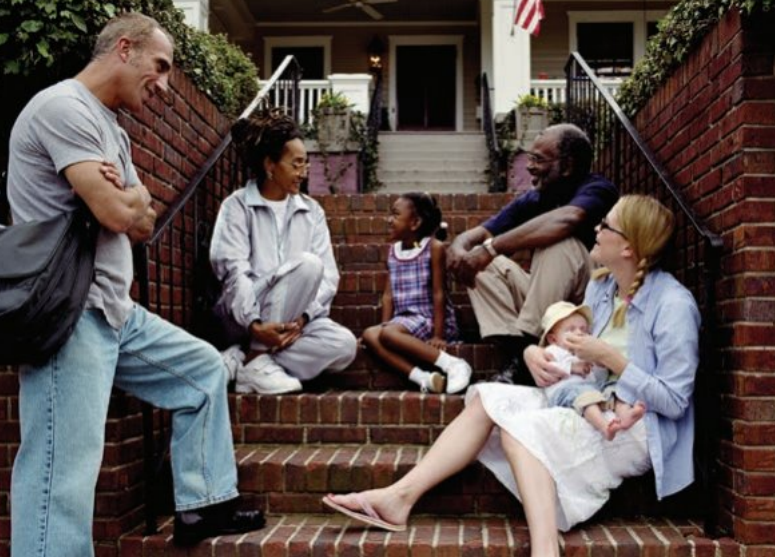
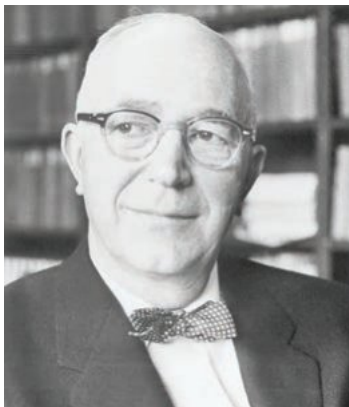
In the 1950s, psychologist Gordon Allport developed the contact hypothesis, which states that social contact between social groups can reduce inter-group prejudice when four specific conditions are met:
Important
The Four Essential Conditions for Reducing Prejudice:
- Sustained contact
- Mutual interdependence
- Equality between groups
- Superordinate goals (with support from authorities, laws or norms)
All four conditions must be present for contact to effectively reduce prejudice. Missing even one condition can undermine the entire process.
Sustained contact
Sustained contact involves prolonged and cooperative interaction between two groups who are prejudiced against each other. The underlying principle is simple: the more time people spend with someone, the less likely they are to maintain prejudiced views.
Example
Worked Example: Sustained Contact in Action
Imagine a new student who appears different or intimidating based on appearance alone. If circumstances force sustained interaction—such as being seated together in class—initial prejudices may break down as individuals discover shared interests and similarities.
Over weeks and months, they work on group projects together, share lunch breaks, and discuss homework. Through this prolonged contact, stereotypes based on first impressions fade, replaced by genuine understanding of the person's individual characteristics, interests, and personality.
Without this sustained contact, prejudiced views based on minimal information might persist indefinitely.
Mutual interdependence
Mutual interdependence requires two groups to depend on one another to achieve a shared goal. Groups must possess complementary skills or knowledge, requiring cooperative work on meaningful, well-planned tasks. This cooperation helps reduce prejudice as groups work together towards successful completion.

Note
Think of mutual interdependence as two groups each holding half the pieces of a jigsaw puzzle. To win a collective prize, they must complete the puzzle together, pooling their knowledge, skills and physical puzzle pieces. Neither group can succeed alone—cooperation becomes essential rather than optional.
Equality
To reduce prejudice, groups must have equality of status—neither group should possess more or less influence, prestige or power than the other. Different groups clearly hold different status levels in society. High-status groups occupy positions of power and earn substantial income, whilst low-status groups have less influence and hold less prestigious positions.
Important
Equal status proves critical to prejudice reduction. When groups work together, both parties must regard each other as fair and equal. Attempting to reduce prejudice when one group believes it holds power over another proves difficult and often ineffective. Equality must exist for everyone before prejudice can begin to diminish.
Superordinate goals
Superordinate goals are ultimate, top-level goals that individuals or groups share. In the context of reducing prejudice, these goals require cooperation between groups that would otherwise oppose each other. They supersede or override lesser goals.
Having shared goals and cooperating to achieve them reduces conflict because people begin to perceive themselves as members of one larger group rather than separate entities. The superordinate goal embodies the concept that the whole is greater than the sum of its parts—group cooperation achieves more than components working independently.
Note
The goal itself matters less than what working towards it accomplishes in reducing prejudice. Historical examples include former enemies cooperating during major wars. The United States and Russia, despite ideological and political opposition, fought together in the Second World War because both nations decided that defeating Nazi Germany represented a more important superordinate goal than their mutual conflicts.
Sherif's Robber's Cave experiment
Muzafer Sherif, a major founder of social psychology, conducted his classic 1954 Robber's Cave experiment at Robber's Cave in Oklahoma, United States. The study proceeded in three stages:
Stage one: Formation of the ingroup
Twenty-four white Protestant boys aged 11-12 participated after Sherif obtained consent and confirmed they displayed no obvious psychological issues and had no behavioural problems at school. Boys were randomly assigned to two groups, transported on separate buses to a campsite, and kept at opposite ends of the grounds.
Sherif spent one week developing two coherent, dynamic teams. Each group stayed in separate cabins and chose team names—the "Rattlers" and the "Eagles". Teams created flags and engaged in team-building exercises to encourage group cohesion. By week's end, two distinct, dynamic teams existed.
Stage two: Development of negative attitudes towards the outgroup
Sherif tested his hypothesis: "when two groups have conflicting aims, their members will become hostile to each other even though the groups are composed of normal, well-adjusted individuals."
Boys gradually became aware of the other group through hearing them or seeing discarded items. Camp supervisors ensured groups saw each other using shared spaces like swimming holes and baseball fields, creating territorial reactions and clear "us" versus "them" distinctions.
Note
Sherif arranged competitions with manipulated scores to keep results even, pitting groups against one another. A trophy and medals displayed in the dining hall increased competition. When the Rattlers won the first baseball game, the Eagles burned their flag. When the Eagles won the tug-of-war, the Rattlers raided and trashed the Eagles' cabin. Sherif's hypothesis was supported.
Stage three: Reduction of prejudice
Sherif attempted to reduce prejudice between groups. Initial activities like watching movies together failed because prejudice was too great to overcome through contact alone. Success required mutually interdependent activities and superordinate goals.
The camp staff told boys the water supply was "broken" and fixing it required everyone working together to unclog the blocked valve. On another occasion, the food delivery truck "broke down" and boys had to cooperatively push it uphill to camp. Boys also pooled money to hire a movie for everyone.
Important
These mutually interdependent activities helped boys develop better attitudes towards one another. Hostility disappeared, and boys began viewing each other as belonging to one larger group rather than "us versus them". The experiment remains a classic social psychology study due to its simplicity and clarity of conclusions.
| Strategy to reduce prejudice | How it works | Example |
|---|---|---|
| Sustained contact | Prolonged interaction breaks down stereotypes based on limited information | Neighbours regularly interacting and developing friendships |
| Mutual interdependence | Groups depend on each other to achieve shared goals | Team sports requiring cooperation to win |
| Equality | Groups have equal status and power | Workplace policies ensuring equal treatment |
| Superordinate goal | Shared objectives that override individual group goals | Community working together during natural disasters |
Changing social norms
Social norms are shared standards or social beliefs about what constitutes normal, acceptable or typical behaviour. Common social norms include not picking your nose in public, queuing properly, and dressing appropriately for different environments. These norms provide order and predictability in society.
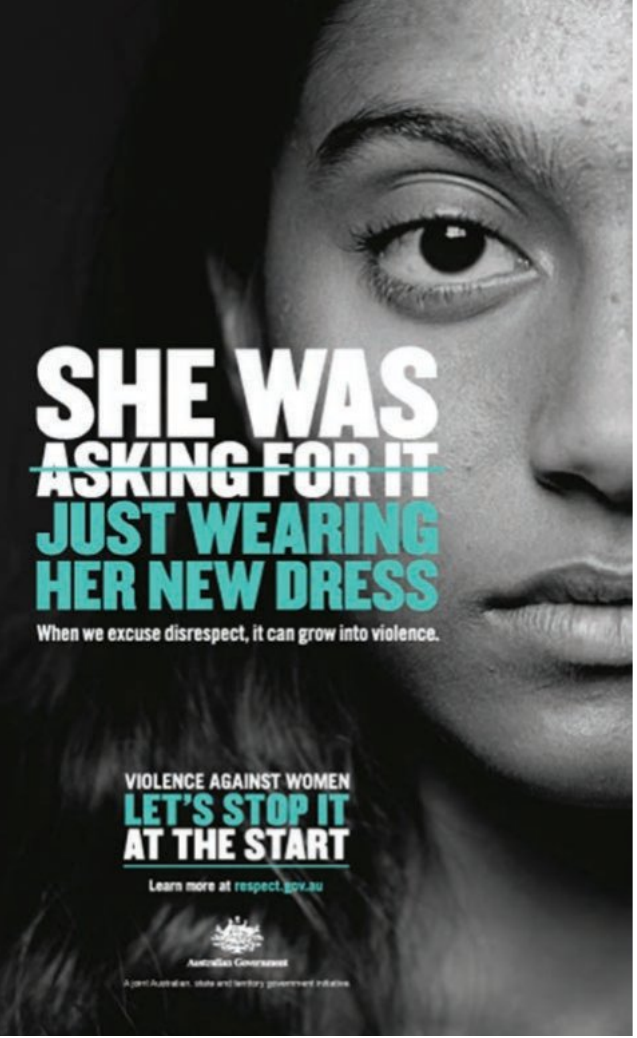
Social norms powerfully influence public behaviour because people seek approval and belonging. Those who violate norms face disapproval or exclusion from groups. Consequently, people's public behaviour sometimes differs significantly from their private thoughts or feelings.
Important
Prejudice and discrimination flourish when perceived as social norms or shared values, but decline when opposing social norms emerge. Prejudice-related social norms are typically deeply ingrained but can change over time.
In Australia, education and legislation work to change social norms relating to prejudice and discrimination. Authority support for these measures leads to more positive inter-group interactions because authorities can establish acceptance norms and guidelines for inter-group interactions. Anti-discrimination legislation has reduced open expressions of prejudice. Education campaigns focusing on social problems associated with prejudice have increased opportunities for women and minority group members.
Note
Media also combats prejudice by reporting on problems and issues facing targeted groups, fostering public debate that increases understanding and creates political pressure on governments and agencies to act. However, substantial work remains.
Extended-contact hypothesis
The extended-contact hypothesis proposes that when ingroup members observe one of their own maintaining a close relationship with an outgroup member, this can lead to more positive attitudes towards that outgroup. This extends the basic contact hypothesis beyond direct interaction.

Example
Worked Example: Extended Contact in Practice
Imagine Nadia plays netball and dislikes a rival team, believing they "play dirty" and come from "the wrong side of the tracks". She discovers her teammate Alice is good friends with Sharon from the rival team—they used to be neighbours.
Over the season, Nadia observes Alice and Sharon laughing together, supporting each other at games, and clearly enjoying their friendship. She overhears them making plans to study together and sees photos of them at social events.
Observing this genuine friendship over time, Nadia begins thinking that if Alice—whom she trusts and respects—is such good friends with Sharon, perhaps Sharon and her teammates aren't as bad as initially thought. Nadia's prejudice begins to soften without ever having direct contact with the rival team.
Research in the United Kingdom indicates extended contact proves most effective when direct contact is limited. Prejudice tends to reduce when various media types show ingroup and outgroup members interacting positively. When direct contact isn't practical or possible, extended contact allows individuals to benefit from positive outcomes they observe in inter-group interactions.
Summary
Key Points to Remember:
-
Stigma is a negative attitude towards someone based on distinguishing characteristics, leading to rejection, isolation and reduced self-esteem in targeted individuals and groups.
-
Prejudice involves negative attitudes towards people based solely on group membership, occurring as either old-fashioned (overt and deliberate) or modern (subtle and hidden) forms that both harm mental and physical wellbeing.
-
Discrimination translates prejudice into negative behaviours and can be direct (unfavourable treatment based on protected characteristics), indirect (equal treatment that disadvantages certain groups), or intersectional (multiple discrimination forms combining to create greater disadvantage).
-
Effective prejudice reduction requires multiple strategies working together: sustained contact between groups, mutual interdependence on shared tasks, equality of status, and superordinate goals that override lesser objectives, as demonstrated in Sherif's Robber's Cave experiment.
-
Social norms powerfully influence prejudice and discrimination—when society perceives these as unacceptable through education, legislation and media campaigns, their prevalence decreases, though the extended-contact hypothesis shows that even indirect observation of positive inter-group relationships can reduce prejudice when direct contact is limited.