Brain Plasticity and Brain Injury (VCE SSCE Psychology): Revision Notes
📚Revision Notes
Neuroplasticity
Introduction to neuroplasticity
Neuroplasticity refers to the brain's remarkable capacity to reorganize its structure and function in response to experiences and injury. This concept represents a major shift from earlier beliefs that the brain's structure was fixed after early childhood.
Note
The understanding of neuroplasticity has fundamentally changed neuroscience. Where scientists once believed the brain's structure was determined during early childhood and remained unchangeable, we now know that the brain continuously adapts throughout the entire lifespan in response to experiences, learning, and even injury.
Phantom limb pain: an example of neuroplasticity
Phantom limb pain affects approximately 70% of people who have undergone limb amputation. Individuals experience sensations or pain in a limb that no longer exists. Whilst the neurological basis is not fully understood, one theory explains this phenomenon through cortical reorganization in the somatosensory cortex.
Each body part has a dedicated area in the primary somatosensory cortex that processes touch sensations. Following hand amputation, for example, the neurons that previously received input from the hand no longer receive signals. These neurons then begin responding to input from adjacent areas, such as the face. Since face neurons are located below hand neurons on the somatosensory cortex, touching the face may trigger sensations that are incorrectly perceived as originating from the missing hand, resulting in tingling, itching, or pain.
Note
Mirror Therapy: A Simple Solution
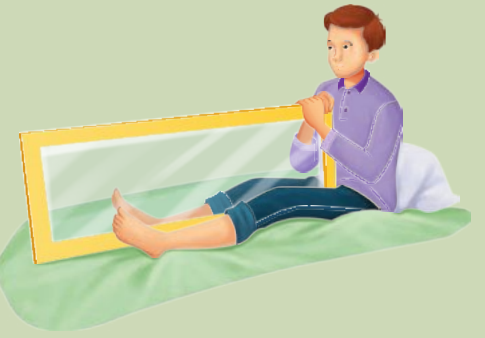
Mirror therapy provides a simple treatment approach. This technique uses a mirror to reflect the image of the remaining limb, creating an illusion of two intact limbs. When a person moves their remaining leg, the mirror allows visualization of the amputated leg moving, enabling imagined motor control over the missing limb. This visual feedback may reduce dysfunctional reorganization of the somatosensory cortex and restore it closer to its original configuration, thereby alleviating phantom limb pain.

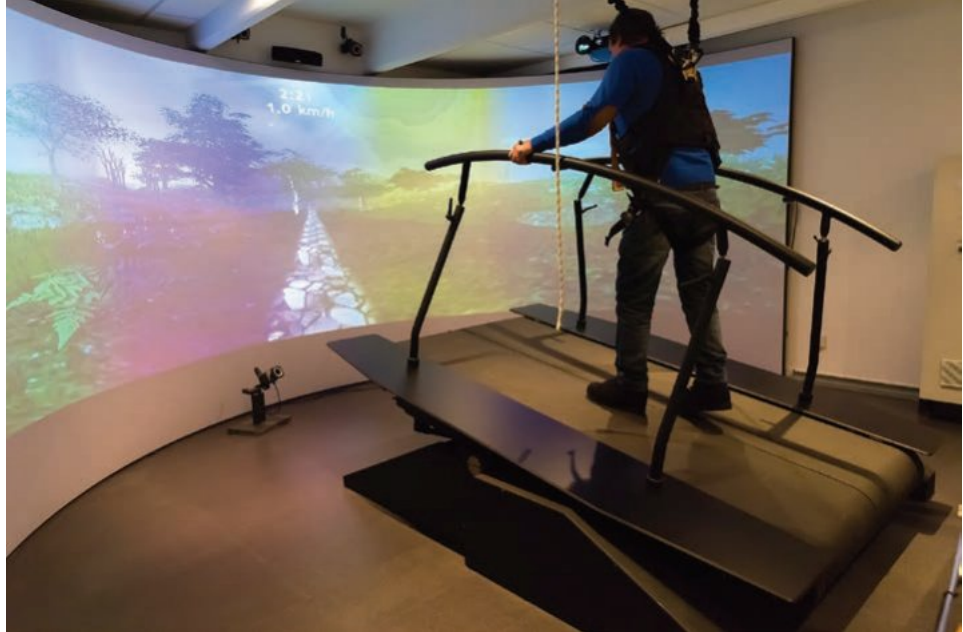
Modern technology has extended this approach through virtual reality (VR) systems, which allow individuals to see virtual representations of their missing limbs. These technologies demonstrate the brain's ability to reorganize following injury, which is the essence of neuroplasticity.
Changes in the brain in response to experience and brain trauma
What is neuroplasticity?
Neuroplasticity is the ability of neural networks in the brain to change as a result of experience.
Historically, scientists believed the brain's structure was determined during a critical period in early childhood and remained static throughout life. However, extensive research has established that whilst genes govern basic brain structure, experiences and environmental interactions continuously modify the brain across the entire lifespan. This capacity enables the brain to dynamically alter its neural networks, changing and adapting in both structure and function. It is this quality that allows the brain to remember, learn, and respond to changing needs, whether a child is developing motor control, an adolescent is learning a new sport, or an adult is recovering from brain injury.
Neural mechanisms of plasticity
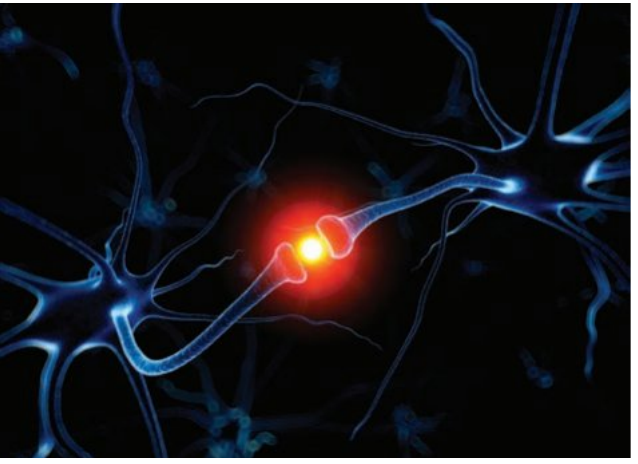
Early theories suggested that each new memory required the growth of a new neuron. Current understanding reveals a more complex process. When new information is learned, it becomes encoded into memory through the growth of new dendrites from neurons, creating specific neural connections. This allows neuroplasticity to produce new neural pathways representing experiences.
Synaptogenesis
Synaptogenesis is the process of forming new synapses.
Neuroplasticity is most active during childhood, as the first few years of life involve rapid brain growth. At birth, each neuron in a newborn's brain has approximately 2,500 synaptic connections. By the age of two years, each neuron has around 15,000 synaptic connections. This rapid increase in synapses enables a child's brain to grow and constantly develop as the child explores the world and acquires new skills. Each new experience prompts changes in brain structure, function, or both. As the brain develops, individual neurons first grow more axon terminals and dendrites, then use these to increase the number of synaptic connections.
Long-term potentiation
Long-term potentiation is the relatively permanent strengthening of synaptic connections as a result of repeated activation.
When synaptic connections are frequently used, they strengthen through long-term potentiation. Synaptic connections that are repeatedly activated become stronger, leading to enduring strengthening. With repeated activation of a neural pathway, structural changes occur to enable more and stronger connections, including:
- Formation of more dendritic branches
- Growth of more axon branches
- Development of additional receptor sites
- Increase in neurotransmitters released into synapses
Important
"Neurons that fire together, wire together"
This phrase captures how experience determines which neural connections strengthen. Repetition or practice of a task, skill, or information activates a neuron in a pathway to send neurotransmitters repeatedly across the synapse to an adjacent neuron. Over time, with repeated activation, pathways become strong connections linking brain regions. Highly used pathways activate easily, as they are more efficient and ready to fire together.
Stimulation of one neuron in a pathway becomes more likely to trigger activation of the next neuron. This repetition is required for strengthening neural pathways and establishing enduring learning, as the most frequently activated connections are preserved.
Note
"Practice makes permanent" better describes neuroplasticity processes than "practice makes perfect". Consider any mastered skill compared to when first learning it. Through repeated practice, the skill is now demonstrated with speed and ease because those strengthened neural pathways are ready to activate and fire together.
Long-term depression
Long-term depression is the relatively permanent weakening of synaptic connections as a result of repeated low-level activation.
Conversely to long-term potentiation, long-term depression occurs when certain synaptic connections experience repeated low levels of activation. This leads them to weaken over time and potentially face elimination through synaptic pruning.
Synaptic pruning
Synaptic pruning is the elimination of unused synapses.
The saying "neurons not in sync, do not link" highlights that experience determines which neural connections weaken. By developing new connections and pruning weak ones, the brain adapts to each person's constantly changing environment. This resembles how a gardener prunes a growing tree to create the desired shape.
Neuroplasticity across the lifespan
By adulthood, an individual has approximately half the number of synapses they had at three years old. Whilst the adult brain remains plastic, it has substantially lower plasticity than the developing brain.
Note
Consider learning an instrument or second language during childhood compared to learning these skills now in adolescence or as an adult. The difficulty increases with age. This demonstrates that the degree of neuroplasticity decreases as we age; however, neuroplasticity continues to some extent across the whole lifespan.
At any age, the brain requires experience to develop. Genetics may govern basic brain structure at birth, but subsequent experiences determine capacities and deficiencies. Neural circuits constantly reorganize based on the quantity, quality, and timing of experiences. Whether learning to talk, kick a football, or study a new subject, these experiences create pathways representing knowledge. These pathways are continuously added, removed, changed in strength, linked with other neurons, or eliminated, making new learning, unlearning, and relearning possible. Each new experience creates a new pathway, whilst practice strengthens neural connections.
Types of plasticity
Different types of plasticity occur at different times over the lifespan. Three important types are experience-independent plasticity, experience-expectant plasticity, and experience-dependent plasticity.
Experience-independent plasticity
Experience-independent plasticity is a type of plasticity that involves brain changes that occur regardless of experience.
These changes unfold over time through a series of events governed by genetics. For example, genetics are responsible for neural development during the prenatal (before birth) developmental phase.
Experience-expectant plasticity
Experience-expectant plasticity is a type of plasticity that involves brain development triggered by specific environmental cues that the brain expects to encounter at certain times.
Development of the visual cortex, for instance, is triggered when an infant opens their eyes for the first time.

Experience-dependent plasticity
Experience-dependent plasticity is a type of plasticity that involves the unique and personal brain changes that take place when different situations occur.
Examples include learning a new skill during primary school or recovering from brain trauma in adulthood.

Note
Ten Principles of Experience-Dependent Plasticity
Research has identified several principles of experience-dependent plasticity that are particularly relevant to rehabilitation after brain damage. These principles help guide therapeutic approaches and optimize recovery outcomes.
| Principle | Description |
|---|---|
| 1. Use it or lose it | Failure to drive specific brain functions can lead to functional degradation |
| 2. Use it and improve it | Training that drives a specific brain function can lead to an enhancement of that function |
| 3. Specificity | The nature of the training experience dictates the nature of the plasticity |
| 4. Repetition matters | Induction of plasticity requires sufficient repetition |
| 5. Intensity matters | Induction of plasticity requires sufficient training intensity |
| 6. Time matters | Different forms of plasticity occur at different times during training |
| 7. Salience matters | The training experience must be sufficiently salient (relevant and appropriate) to induce plasticity |
| 8. Age matters | Training-induced plasticity occurs more readily in younger brains |
| 9. Transference | Plasticity in response to one training experience can enhance the acquisition of similar behaviours |
| 10. Interference | Plasticity in response to one experience can interfere with the acquisition of other behaviours |
Changes in the brain due to brain trauma
Mechanisms of recovery following injury
When the brain experiences trauma through accidents or other injuries, damage may occur to parts responsible for certain functions, resulting in lowered or complete inability to perform those functions. Brain injury causes tissue loss at the injury site, but degeneration can also occur in surrounding connected regions.
Important
Most research suggests that once neurons and other brain cells are damaged or die, they typically do not regenerate (although exceptions exist in specific brain areas where new neurons may grow). This means remaining healthy neurons are responsible for recovery from damage and injury.
In some instances, neuroplasticity processes can help healthy brain parts recover, and completely different brain areas may even assume lost functions to restore some ability.
For example, if brain trauma from a car accident results in loss of hand movement, that ability is not necessarily lost forever. Through initial compensatory strategies followed by therapy and rehabilitation, a person may regain some functioning by repairing neural pathways or forming new ones.
Two key processes involved in neuroplasticity following brain trauma are rerouting and sprouting.
Rerouting occurs when healthy nearby neurons create alternative neural pathways when existing connections are lost through injury.
Sprouting occurs when existing neurons form new axon terminals and dendrites to allow new connections to be made.
Important
Unfortunately, these processes do not guarantee complete recovery and may work to varying degrees from person to person, as each brain trauma situation is unique. The brain is not infinitely malleable, and in some cases brain trauma may result in permanent loss of functioning.
Case study: Six-year-old boy with brain tumor
Example
Case Study: Remarkable Recovery Following Extensive Brain Surgery
A 2018 study followed the recovery of a six-year-old boy who underwent surgery to remove a brain tumour. The surgery required removal of about one-third of the child's right brain hemisphere, including the entire right occipital lobe and most of the right temporal lobe.
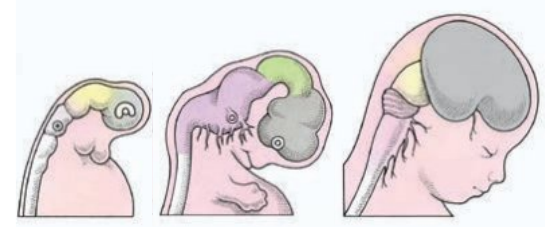
The right occipital lobe is responsible for vision, specifically receiving and processing visual information from the left visual field (the left side of the outside world received by each eye). Additionally, the right temporal lobe plays a role in recognizing faces, objects, and words. Removal of these brain regions could therefore be expected to result in loss of these abilities.
Outcomes:
Remarkably, the child, whose recovery was tracked over three years following surgery, retained his ability to recognize faces, objects, and words. This demonstrates that the remaining left hemisphere compensated for the loss of the right temporal lobe, assuming the function of face, object, and word recognition.
Unfortunately, the child did not regain sight in his left visual field. The child could still see because he retained his left occipital lobe, but could only see what was situated in his right visual field. This may be due to occipital lobe neural circuits being established and fixed at an earlier age and being less prone to plasticity than other brain parts.
Importantly, despite the extensive surgery, the child retained his pre-surgery cognitive abilities and remained at an above-average IQ. Whilst it is not completely clear how the child's recovery occurred, researchers believed it involved rerouting pathways through the thalamus, as well as the brain taking advantage of high plasticity due to the child's young age. Recovery was aided by the addition of myelin, dendritic growth, non-neuronal cells, and the re-sculpting of synapses.
Phases of neuroplasticity following trauma
Important
Optimal Window for Recovery
The time following brain trauma presents the best opportunity for taking advantage of the brain's neuroplastic abilities, as this is when the brain is most capable of making substantial changes.
Following trauma, there is a sequence of three phases of neuroplasticity:
1. Immediate phase: Immediately after injury, neuron death occurs and inhibitory pathways decrease, which may uncover secondary neural networks that have rarely been used.
2. Two-day phase: After approximately two days, the activity of these pathways changes from inhibitory to excitatory, and synaptogenesis creates new synapses. Neurons and other cells replace damaged cells and promote healing.
3. Few weeks phase: After a few weeks, synaptogenesis continues, sprouting increases, and the processes allowing for brain remodelling are at their highest. At this time, rehabilitation and therapy can help promote changes to recover some function.
The particular therapy a person completes following brain trauma depends on the specific trauma and functional deficits experienced. This may include exercise and physical therapy, as well as cognitive therapy. Therapy aims to teach, guide, and promote brain plasticity, helping the brain rebuild lost connections by strengthening or rerouting remaining pathways.
Note
The effectiveness of rehabilitation differs by case, with some people regaining full functioning, others seeing no improvements at all, and those in between who reach a plateau in their recovery and are left with some residual effects of the injury.
Maintaining and maximising brain functioning
People who have not experienced brain damage can also take advantage of neuroplasticity processes to maintain and maximize brain functioning. Neuroplasticity continues throughout life, allowing a person to learn, remember, and adapt to new challenges and experiences. Certain behaviours allow these processes to work at their best, with mental stimulation, diet, and physical activity all encouraging optimum brain functioning.

Mental stimulation
Mental stimulation involves any activity that activates or enriches the mind. The types of activities should be age-appropriate and can differ from person to person depending on what they enjoy.
Note
Mental Stimulation Across Different Life Stages
The type of mental stimulation needed varies with age and developmental stage. What challenges a young child differs from what stimulates an older adult's brain.
Early childhood: Enriched sensory environments can stimulate neuroplasticity processes, such as sensory play involving activities that engage the child's senses of touch, hearing, sight, smell, and taste. Research, particularly animal studies, has found that raising animals in deprived conditions (such as darkness) hinders development and can lead to permanent loss of function. Conversely, animals raised in enriched environments develop increased brain weight and increased motor, sensory, and cognitive functioning.
Adolescents and adults: Any novel activity that takes a person out of their comfort zone or challenges them to learn something new whilst engaging in focused attention is beneficial. This could include learning an instrument, language, or new skill, practising a hobby, being creative, playing sport, or travelling to a new destination.
Older age: Activities that help keep the mind active are especially important when physical abilities are decreasing. Puzzles, cooking, reading, music, attending concerts or theatre, social activities, reasoning games, crafts, and other cognitively challenging activities are beneficial. Research-based mobile applications for 'brain games' can be useful; however, some research has found that these games only improve ability to play the specific game, rather than general cognitive ability. They are also beneficial only if the person is engaged in and enjoying the game.
Research has found that mental stimulation can promote:
- Formation of new dendritic branches and synapses
- Increased functioning of chemicals that aid in maintenance, growth, and synaptic plasticity of neurons
- Increased formation and survival of new neurons in certain brain regions
- Reduced age-related atrophy in brain structures involved in memory
Diet
Another modifiable lifestyle factor to help maintain good brain functioning is diet, including total intake, frequency, and content of food consumed. Whilst the brain comprises only 2% of a person's total body weight, it consumes 20% of the total energy derived from nutrients to support processes involved in neurotransmission. This demonstrates the importance of good nutrition for brain health.

Polyphenols
Research has found that diets high in polyphenols can promote antioxidant and anti-inflammatory activities in the brain. Polyphenols are natural compounds found in plant-based foods such as colourful fruits, vegetables, spices, and teas.
Neurodegenerative disease is an incurable condition that involves the progressive death of neurons.
Polyphenols can support a healthy brain by:
- Enhancing synaptic transmission and cognitive function
- Preventing age-related decline in central nervous system functioning and neurodegenerative diseases, such as dementia
- Increasing formation and survival of new neurons in certain brain regions
- Increasing functioning of chemicals that aid in maintenance, growth, and synaptic plasticity of neurons
- Increasing volume of brain structures involved in memory, mood, and emotion regulation
- Mitigating chronic inflammation, which can dysregulate neurotransmission and supportive brain cells
Common food sources containing polyphenols include:
| Polyphenols | Food sources |
|---|---|
| Flavonoids | |
| Catechins | Green and white tea, grapes, cocoa, lentils, berries |
| Flavanones | Oranges, grapefruit, lemons |
| Flavanols | Green vegetables, apples, berries, onions |
| Anthocyanins | Berries, red grapes, wine |
| Non-flavonoids | |
| Resveratrol | Grape skin, red wine, nuts |
| Curcumin | Turmeric, mustard |
| Coumarin | Liquorice, strawberries, apricots, cherries, cinnamon |
| Phenolic acids | |
| Ellagic acid | Walnuts, strawberries, cranberries, blackberries, guava, grapes |
| Tannic acid | Nettles, tea, berries |
| Gallic acid | Tea, mango, strawberries, rhubarb, soy |
| Caffeic acid | Blueberries, kiwis, plums, cherries, apples |
Intermittent fasting

Whilst avoiding unsustainable 'fad' diets is recommended, recent research has found that an intermittent fasting schedule may be beneficial for enhancing brain plasticity. Importantly, for a healthy person, intermittent fasting does not necessarily involve a reduction in overall caloric consumption. Rather, it involves eating all meals for the day within a specific eating window and fasting for the remaining time.
Example
Example: 16:8 Fasting Schedule
A '16:8' fasting schedule would involve consuming all food within an 8-hour window and fasting for the remaining 16 hours of the day.
Animal studies have shown that an intermittent fasting regimen may enhance learning and memory and prevent age-related diseases by:
- Reducing age-related atrophy in brain structures involved in memory
- Increasing synapse formation and neurotransmitter release
- Increasing functioning of chemicals that aid in maintenance, growth, and synaptic plasticity of neurons
Intermittent fasting has also been found to have many other health benefits, including improving insulin sensitivity, hypertension, inflammation, and sleep.
Important
It is important to note that any changes to diet should be discussed with and monitored by a doctor to ensure they are implemented in a healthy and safe way.
Physical activity

Regular physical activity is another modifiable behaviour that has been found to have many benefits for the brain. The type of physical activity should be suited to a person's age and physical ability and can include stretching, walking, gardening, swimming, dancing, strength training, or playing sport. It is also likely that exercise increases the health-promoting effects of diet and vice versa, and many studies have focused on researching the combined effects of exercise and diet on neuroplasticity.
Exercise has a broad spectrum of actions on the body and general brain health. It promotes neuroplasticity by altering synaptic structure and functions in various brain regions.
Research has found that physical activity can promote:
- Increased density of neuron dendrites
- Reduced age-related decline in cortical tissue of the frontal, temporal, and parietal lobes
- Increased volume of brain structures involved in memory
- Increased functioning of chemicals that aid in maintenance, growth, and synaptic plasticity of neurons
- Increased formation and survival of new neurons in certain brain regions
- Protection against cognitive decline and neurodegenerative diseases, such as Alzheimer's disease and Parkinson's disease
- Improved neuroplasticity in people with mental disorders, including mood disorders, post-traumatic stress disorder, and schizophrenia
Note
Finding the Right Exercise Intensity
Studies have established a beneficial link between aerobic exercise (or cardiorespiratory exercise) and brain functioning. There may also be a level of intensity of exercise that is 'just right' for cognitive improvements, with moderate-intensity exercise appearing most effective. Low-intensity exercise seems to be less effective, whilst high-intensity exercise may actually induce a stress response, impairing cognitive performance.
Whilst the benefits of exercise on health are obvious, it remains unclear what combination of intensity, frequency, and duration provides the most benefit for neuroplasticity.
Remember!
Summary
Key Takeaways: Understanding Neuroplasticity
-
Neuroplasticity is the brain's ability to change its structure and function throughout the entire lifespan in response to experiences and injury.
-
Four key neural mechanisms drive plasticity: synaptogenesis (forming new synapses), long-term potentiation (strengthening frequently used connections), long-term depression (weakening underused connections), and synaptic pruning (eliminating unused synapses).
-
"Neurons that fire together, wire together" - repeated activation of neural pathways strengthens connections, whilst "practice makes permanent" better describes neuroplasticity than "practice makes perfect".
-
Following brain trauma, rerouting and sprouting allow healthy neurons to compensate for damage, with the few weeks after injury representing the optimal window for rehabilitation, though recovery is not guaranteed and varies by individual.
-
Brain functioning can be maintained and maximized through three modifiable factors: mental stimulation (age-appropriate challenging activities), diet (polyphenol-rich foods and potentially intermittent fasting), and physical activity (particularly moderate-intensity aerobic exercise).