The Gut–Brain Axis (VCE SSCE Psychology): Revision Notes
📚Revision Notes
The Gut–Brain Axis
Introduction to the gut–brain axis
The gut–brain axis (GBA) represents a complex communication pathway linking the central nervous system (CNS) with the enteric nervous system (ENS). This connection enables bidirectional communication, meaning information can travel both from the brain to the gut and from the gut to the brain. Research into the GBA is rapidly expanding, particularly regarding how gut microbiota interact with stress responses and influence psychological processes and behaviour.

Note
The GBA is an area of emerging research that has attracted attention for its potential in treating mental health conditions. Some experimental approaches, such as faecal microbiota transplants from healthy donors, are being explored as possible treatments for depression and anxiety, though this remains an innovative and developing field.
The enteric nervous system
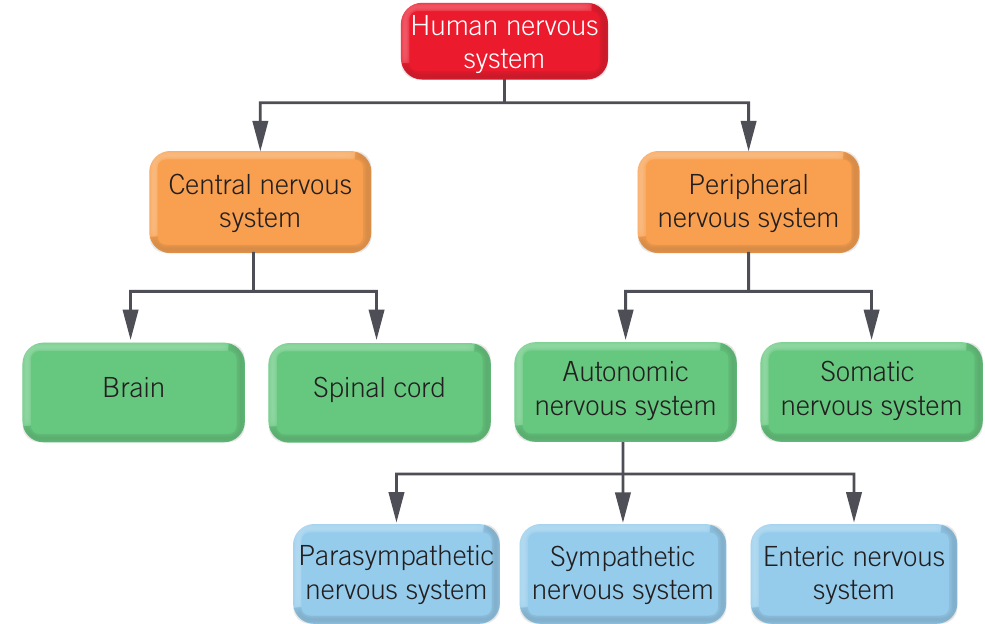
The enteric nervous system forms a subdivision of the autonomic nervous system and specifically controls digestive processes. Unlike other parts of the peripheral nervous system, the ENS possesses a remarkable degree of complexity and independence.
Structure and composition
The ENS is embedded within the walls of the gastrointestinal tract, extending from the lower oesophagus through to the rectum. This system comprises between 200 and 600 million neurons, including sensory neurons, motor neurons, and interneurons. This neuron count exceeds that of any other peripheral organ and approximates the number of neurons in the spinal cord, earning the ENS the informal title of the "second brain."
Important
The ENS can function independently of the brain and spinal cord, making it unique among peripheral nervous systems. This autonomy allows it to coordinate complex digestive processes even when connections to the central nervous system are severed.
Functions of the ENS
The ENS coordinates numerous essential digestive processes:
- Peristalsis: The ENS orchestrates rhythmic muscle contractions that propel food and waste through the digestive tract
- Secretion regulation: It controls gastric acid secretion necessary for digestion
- Blood flow management: The system adjusts local blood flow to meet the digestive system's varying demands
- Hormone release: It regulates the release of gut hormones that signal various states (such as hunger or satiety)
- Immune interaction: The ENS communicates with the immune system, contributing to gut immunity
Neural connections
Similar to other peripheral nervous systems, the ENS maintains connections with the brain through both afferent (sensory) and efferent (motor) pathways. These connections enable the bidirectional communication characteristic of the GBA, facilitated primarily through the vagus nerve and gut microbiota.
The vagus nerve
The vagus nerve represents one of the body's most extensive neural pathways and establishes a direct physical link between the brain and various organs within the autonomic nervous system.
Anatomical pathway
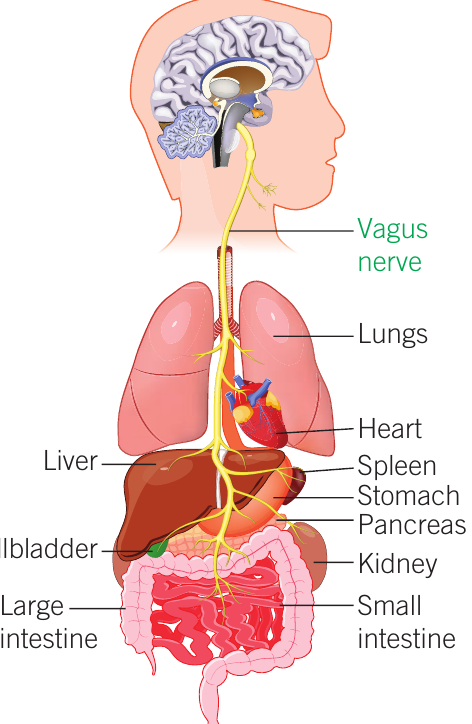
The vagus nerve originates in the brain stem and extends downward through the body to the colon. Along its pathway, nerve fibres directly connect to multiple organs:
- Pharynx (throat)
- Larynx (voice box)
- Trachea (windpipe)
- Lungs
- Heart
- Oesophagus
- Stomach
- Intestinal tract
Functions and communication
The vagus nerve controls numerous vital bodily functions, including mood regulation, immune system responses, digestive processes, and heart rate modulation.
Within the context of the GBA, the vagus nerve serves as a primary communication channel between the brain and gastrointestinal tract. This bidirectional communication operates as follows:
Note
Ascending signals (gut to brain):
- Information about gastrointestinal tract status
- Pain and discomfort signals from the gut
- Hunger sensations
- Feelings of satiety (fullness)
Descending signals (brain to gut):
- Initiation of salivation when food is smelled
- Triggering of gastric acid secretion in anticipation of eating
- Digestive process preparation
Gut microbiota
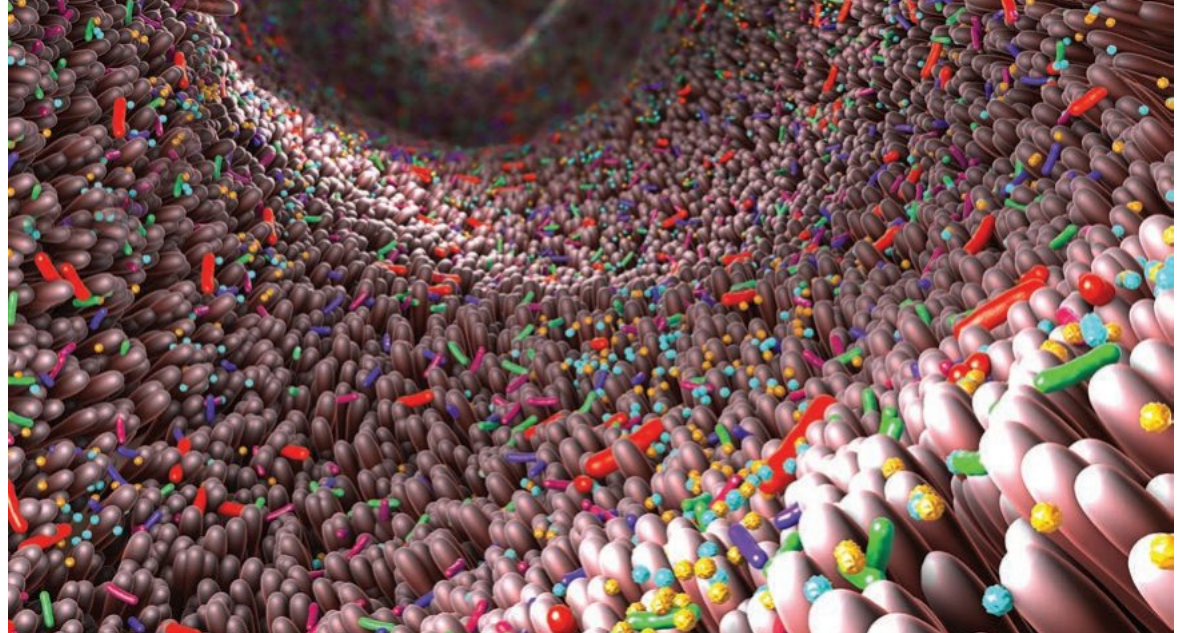
The human gut hosts an ecosystem of over 1000 different microbe species, collectively termed gut microbiota. These microscopic organisms play roles beyond simple cohabitation, actively participating in both digestive and neurological processes.
Functions of gut microbiota
Gut microbiota perform several essential functions:
- Nutrient processing: Microbes digest food components to obtain their own nutrition whilst simultaneously providing humans with energy and essential nutrients
- Neurotransmitter production: Certain gut bacteria participate in producing neurotransmitters, which can influence neurotransmitter concentrations in the brain
- ENS regulation: Specific microbiota regulate the production, storage, and release of neurotransmitters by neurons within the ENS
These neurotransmitters can affect the ENS directly and also enable rapid signal transmission to the brain via the vagus nerve. The ENS utilises more than 30 different neurotransmitters, similar to the brain's neurochemical diversity.

GABA production and Bacteroides
One particularly relevant example involves gamma-aminobutyric acid (GABA), the primary inhibitory neurotransmitter in the nervous system. Research has demonstrated a connection between gut bacteria and GABA production.
Example
Research Example: Bacteroides and Depression (2018)
Researchers at Weill Cornell Medicine in the United States investigated the relationship between gut bacteria and GABA production through complementary human and animal studies:
Human research findings:
- Brain scans of 23 people diagnosed with depression revealed patterns related to gut bacteria
- Individuals with lower levels of Bacteroides bacteria in their gut exhibited stronger patterns of cerebral cortex hyperactivity
- This hyperactivity pattern has been associated with severe depression
Rat research findings:
- Bacteroides bacteria were confirmed to produce GABA within the rat digestive tract
- Greater numbers of GABA-producing bacteria in the gut led to increased GABA levels in the brain
- Rats with more Bacteroides demonstrated reduced learned helplessness, a symptom associated with depression
- These rats also displayed increased pain tolerance, possibly because elevated GABA reduced their stress response
Stress, gut microbiota, and nervous system function
Chronic stress produces numerous physiological effects, including elevated cortisol levels that suppress immune function and increase cardiovascular risks. Recent research has revealed that chronic stress also profoundly impacts gut microbiota composition, with consequences for psychological processes and behaviour.
Effects of stress on gut microbiota
Multiple animal studies have demonstrated the relationship between stress and gut microbiota changes:
Note
Primate and rodent studies:
- Rhesus monkeys and rats subjected to early-life stress (separation from mothers) developed high cortisol levels
- These stressed animals showed associated changes in gut microbiota composition
- The microbiota changes have been linked to increased anxiety and depression
Atlantic salmon research:
- A 2020 study at Swansea University, United Kingdom, examined Atlantic salmon confined for two weeks
- The stressed fish exhibited increased cortisol levels in their gut
- This elevation was associated with notable changes to their microbiome composition
Germ-free mice studies
Research using germ-free mice has provided valuable insights into how gut microbiota influences stress-related behaviour. Germ-free mice are delivered surgically and raised in sterile conditions with minimal microbial exposure, resulting in very low levels of gut microbiota.
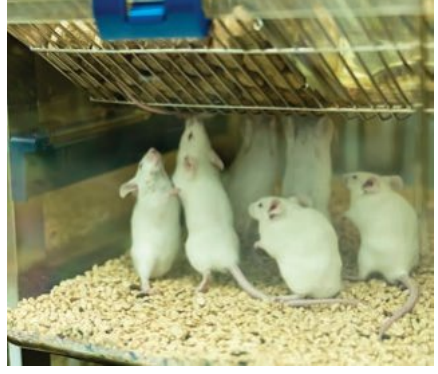
These mice offer researchers a controlled baseline for studying the effects of specific gut microbes on behaviour by comparing them with normal mice that possess diverse gut flora.
Key research findings with germ-free mice
Example
Research Example: Microbiota Transfer and Anxiety Behaviour
Scientists have conducted several key experiments using germ-free mice to understand the gut-brain connection:
Microbiota transfer experiments:
- When microbiota associated with stress were transferred to germ-free mice, the recipients displayed more anxiety-related behaviours than mice with normal gut microbiota
- Transferring microbiota from normal mice to germ-free mice reversed these effects, reducing anxiety-related behaviour compared to normal mice
Stress response studies:
- In 2004, researchers discovered that germ-free mice with less diverse gut flora exhibited an exaggerated response to stress compared to normal mice
- Importantly, colonising the gut of germ-free mice with specific bacteria that were previously depleted reversed this exaggerated stress response
Important
Human applications:
Subsequent research with human participants has supported these findings, demonstrating that:
- Stress exposure during early life or adulthood can alter microbiota composition
- The types and diversity of microbe populations in the gut can influence stress responsiveness
Summary of the stress–gut microbiota relationship
The research reveals several key patterns in the bidirectional relationship between stress and gut microbiota:
Summary
Key Findings on the Stress-Gut Microbiota Connection:
-
Stress-induced changes: Chronic stress causes alterations in gut microbiota composition and creates deficiencies in certain beneficial bacteria, which have been linked to anxiety and depression
-
Microbiota effects on behaviour: Specific gut microbiota associated with stress conditions increase anxiety-related behaviours when present in organisms
-
Timing effects: Stress exposure at any life stage (early development or adulthood) can modify an organism's microbiota composition
-
Individual variation: The specific types and variety of microbe populations present in the gut influence how individuals respond to stress
-
Treatment potential: Introducing healthy microbiota can reduce anxiety-like behaviour and decrease stress responsiveness in both humans and animal models
This emerging field demonstrates that the relationship between psychological stress and gut health is not unidirectional but rather represents a complex, interactive system where each component influences the other.
Remember!
Summary
Key Points to Remember:
-
The gut–brain axis enables bidirectional communication between the central nervous system and the enteric nervous system via the vagus nerve and gut microbiota.
-
The enteric nervous system contains 200–600 million neurons lining the gastrointestinal tract, controlling digestion and communicating with the brain through both sensory and motor pathways.
-
Gut microbiota produce neurotransmitters such as GABA, with research showing that Bacteroides bacteria influence brain GABA levels and are associated with reduced depression symptoms.
-
Chronic stress and elevated cortisol levels alter gut microbiota composition, which has been linked to increased anxiety and depression in multiple species.
-
Germ-free mice studies demonstrate that gut microbiota directly influence stress-related behaviours and that introducing beneficial bacteria can reduce anxiety-like behaviour and stress responsiveness.