Contemporary Urban Environments (AQA A-Level Geography): Revision Notes
📚Revision Notes
Case Study: London
Introduction to London as a global city
London is the capital and most populous city of the United Kingdom. The Greater London Authority reported that the population reached 8.9 million in 2019, with projections suggesting it will grow to 11 million by 2050. This makes London one of Europe's largest and most dynamic urban centres.
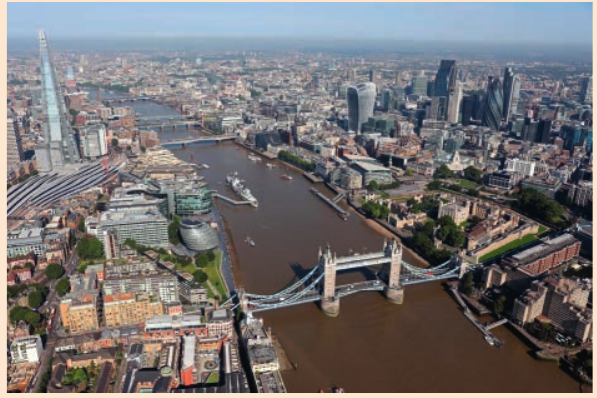
London's history stretches back to Roman times when it was established as Londinium. The city developed around the navigable River Thames, which facilitated its growth as a major port. This maritime heritage eventually transformed London into the seat of political power and government for the entire nation.
Note
London consistently ranks as one of the world's most important cities. In 2018, the Institute for Urban Strategies placed London first in the Global Power City Index, despite the UK's decision to leave the European Union.
This prestigious ranking reflects several interconnected factors that establish London's global significance:
-
Economic dominance: London functions as a global financial centre with a thriving reputation as a technological hub. The city leads in software and multimedia development, making it particularly successful at attracting direct foreign investment
-
Educational excellence: The city performs exceptionally well in terms of higher education quality, with world-renowned universities and extensive library access providing opportunities for learning and research
-
Cultural richness: More than 300 languages are spoken across London's diverse population. The city hosts at least 50 non-indigenous communities with populations exceeding 10,000 people. Almost every nation, culture and religion in the world has representation in London
-
Global tourism: According to the World Cities Culture Forum, London attracts visitors through its combination of history, heritage, art and culture. The city serves as a major centre for art forms including music and dance, whilst its museums and galleries rank among the most visited globally
-
Major events: The hosting of the 2012 Olympic Games significantly raised London's international profile and catalysed the redevelopment of previously run-down areas, creating lasting urban regeneration
Cultural diversity in London
London is frequently described as having 'the world under one roof' because of its extraordinarily multicultural population. The city's role as a port created a long history of immigration, leading to rich ethnic and cultural diversity that defines modern London.
Historical context: the Windrush generation
A pivotal moment in London's cultural development came with the arrival of hundreds of West Indian men aboard the Empire Windrush in 1948. This marked the beginning of mass immigration into the UK. Many of these men were responding to employment adverts and initially intended to stay for only a few years.
Note
The people of the Windrush generation, along with subsequent immigrant groups, played a vital role in creating a new concept of what it means to be a Londoner. Their contribution helped transform London into the diverse, multicultural city it is today.
Ethnic composition
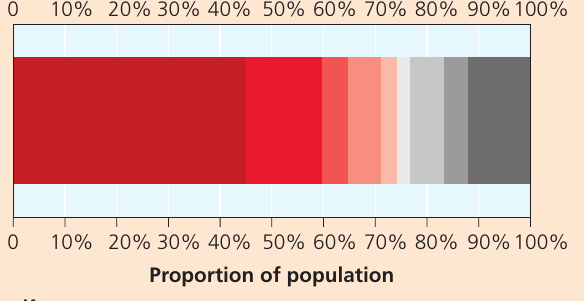
The ethnic makeup of London demonstrates remarkable diversity. In 2015, just over 3.8 million of London's residents (44% of the population) were of black and minority ethnicity origin. This proportion is projected to increase to 50% by 2038.
Despite some instances of hostility towards immigrant groups, London is widely regarded as a welcoming city. Residents generally recognise the positive social and economic contributions that immigrants make to life in the capital. This acceptance has helped create cohesive communities across the city.
Economic and social well-being
London as an economic powerhouse
London serves as the economic engine of the United Kingdom, generating approximately one-third of the country's entire wealth. This economic dominance stems from its position as a global financial centre, its technological innovation, and its ability to attract international investment and talent.
The reality of inequality: a city of two halves
Despite its enormous wealth, London faces significant social challenges. Parallel to its prosperity, the city experiences some of the highest poverty rates in the country, with a reported 2.1 million people living in poverty.
Important
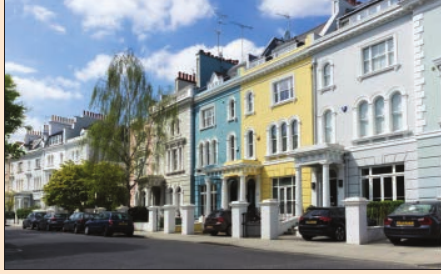
The contrast between wealthy and deprived areas of London is stark. In 2015, the London Fairness Commission reported dramatic wealth inequality:
For every $1 of wealth owned by the bottom 10% of London households, the top 10% own $172
This creates what is often described as "a city of two halves", where vastly different life experiences exist in close proximity.
Characteristics of wealthy areas:
- Multi-million pound houses
- Fine dining and theatre experiences
- Holidays abroad
- Well-paid jobs with six-figure bonuses
- Use of private schools and hospitals
Characteristics of deprived areas:
- Inability to access the housing ladder due to low income and inflated house prices
- Long commutes on buses because tube fares are unaffordable
- Jobs sometimes paying below the minimum wage
- Twice as likely to die from chronic lower respiratory illness
- Lack of leisure time due to holding multiple jobs to make ends meet
- Overcrowded high-rise flats
- Fear of crime and gang violence
- Large proportion of monthly income spent on renting low-cost accommodation far from work
Key statistics from London's poverty profile (2017)
The London Poverty Profile reveals important trends about inequality in the capital:
Poverty trends:
- The percentage of Londoners living in poverty (after accounting for housing costs) decreased from 29% to 27% over six years
- Nearly one million people live in poverty in the private rented sector, more than any other housing sector
- The number of children living in poverty in the private rented sector has tripled over the last ten years
Wealth distribution:
- Wealth inequality is more pronounced than income inequality in London
- The top 10% of Londoners receive nearly 30% of income but own just over 50% of the total wealth
- The bottom 50% of Londoners receive nearly 25% of income but own only 5% of the total wealth
Employment and wages:
- 21% of employees are paid less than the London Living Wage, compared with 22% the previous year (first decrease since 2009)
- 8% of adults of working age receive out-of-work benefits, a decrease of 12% from 2013
Housing affordability:
- The net increase of 6,700 affordable homes in 2015/16 represented less than 40% of the target set in the London Plan
- Only one in four new homes was affordable
- Within England, seven in ten households in temporary accommodation are in London, with over 80% containing children
Health outcomes:
- London's infant mortality rate has fallen by around 40% over a decade
- London has shifted from having an infant mortality rate higher than England's average to one that is now lower
Spatial inequality patterns
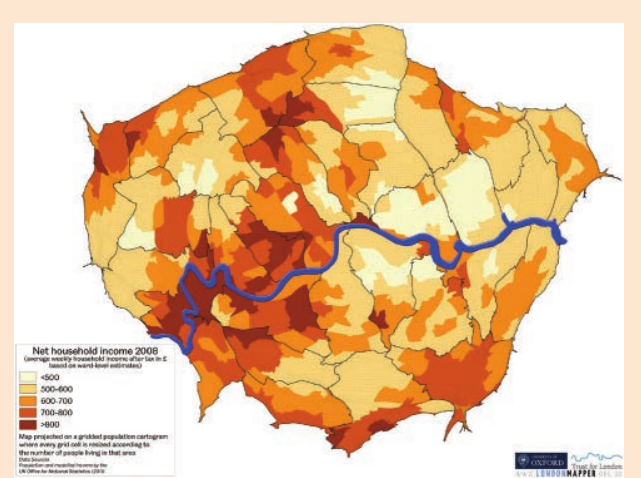
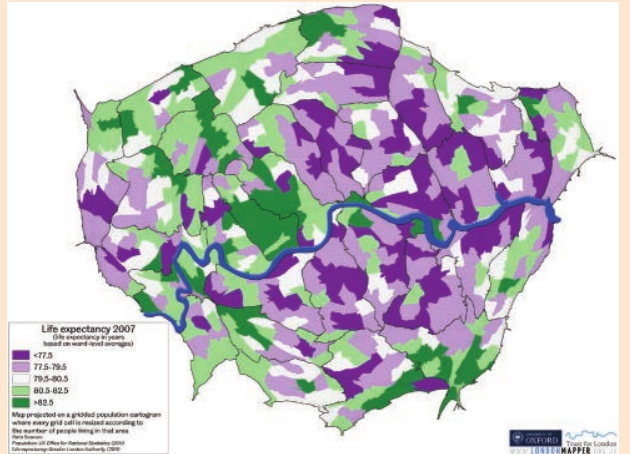
Income and life expectancy vary dramatically across London's geography. The difference between extremes can be as much as 5 years of life expectancy. Notably, the difference between Hackney and the West End is comparable to the difference between England and Guatemala. This demonstrates how profound spatial inequality exists even within a single city.
Important
Understanding Spatial Inequality
The contrast in life chances across London's boroughs illustrates how geography and inequality are deeply connected. Where you live in London significantly affects your health outcomes, income potential and overall quality of life.
The nature and impact of physical environmental conditions
Air pollution challenges
In the early twentieth century, 'smog' events became so strongly associated with London that the term 'London particular' was coined and remains in use today as a reference to smogs. Whilst air quality has improved significantly since then, London still faces considerable pollution challenges.
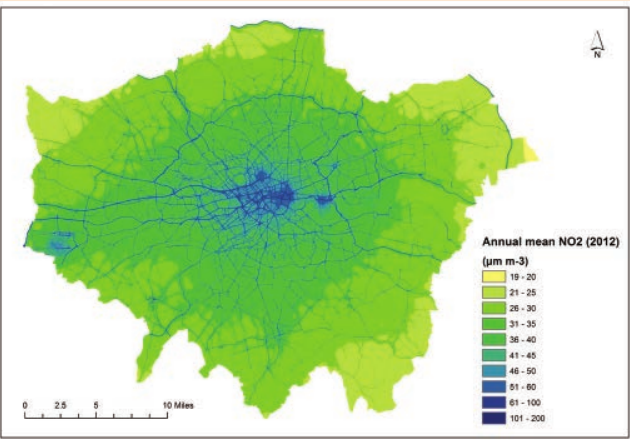
The introduction of the Clean Air Act in 1956 and more recent legislation, combined with greener buses, taxi age limits and the Ultra Low Emission Zone (ULEZ), have reduced CO₂ emissions notably. However, nitrogen dioxide levels continue to breach EU legal limits.
Important
The 2014 Public Health England report on air pollution revealed that 5.3% of all deaths in people aged 25 and over are now linked to air pollution. These figures vary geographically, with the highest percentage of deaths linked to air pollution occurring in London.
More specifically, the boroughs of Kensington & Chelsea and Westminster experience the highest rates, where 8.3% of deaths can be attributed to air pollution.
Nitrogen dioxide concentrations are particularly elevated along major roads and at key transport hubs such as Heathrow Airport and City Airport. Throughout the day, NO₂ levels are especially high during rush hour as vehicle emissions increase.
Urban heat island effect
Note
Definition: Urban Heat Island (UHI)
An urban heat island occurs when an urban area experiences significantly warmer temperatures than surrounding rural areas due to human activities and the built environment.
Linked to air quality concerns is the impact of London's urban heat island. The centre of London is already up to 10°C warmer than surrounding rural areas. With average summer temperatures predicted to rise further, summer heat waves pose a threat to homes, workplaces and public transport. They can have negative effects on health, particularly for vulnerable people, and lead to greater consumption of water and energy.
The London Climate Change Partnership has suggested that extremely high demands on London's power supply network may lead to 'brownouts'. These are caused by high cooling demand and increases in electricity demand. Brownouts could negatively affect London's sustainability by straining energy infrastructure.
Flooding risk
One further concern linked to London's physical environment is the threat of flooding. This risk comes from five distinct sources:
- Tidal flooding - from the Thames estuary
- Fluvial flooding - from rivers and their tributaries
- Surface flooding - from rainfall
- Sewer flooding - from overwhelmed drainage systems
- Groundwater flooding - from rising water tables
Climate change will bring wetter winters and more frequent heavy downpours, as well as rising sea levels and higher tidal surges. All of these factors pose a major threat to London. Fifteen per cent of London lies on the flood plain and is protected by flood defences.
Note
Residential areas are located within this vulnerable zone, but it also includes much of the infrastructure that Londoners rely on daily:
- 49 railway stations
- 75 underground stations
- 10 hospitals
The Thames Estuary 2100 (TE2100) project represents the main response to flood risk, but other complementary strategies are being adopted to enhance the city's resilience.
Moving towards greater urban sustainability
The London Sustainable Development Commission was established in 2002 to advise the Mayor of London on making the city a 'sustainable world city'. The Commission updated its aims in 2015 to align with Sustainable Development Goals (SDGs) agreed by world leaders.
Note
Sustainable Development Goals (SDGs)
SDGs are a 'blueprint to achieve a better and more sustainable future for all' by 2030. These goals provide a framework for addressing global challenges including poverty, inequality, climate change, and environmental degradation.
Various strategies have been implemented to tackle key issues such as inequality, air pollution and urban degradation. These strategies can be organised into four main categories:
Social developments
Urban renewal and regeneration: Urban renewal has brought economic investment and growth to parts of London that previously suffered from urban decline. For example, Olympic regeneration in Newham has provided additional social housing, leisure facilities and greater investment in education. The Queen Elizabeth Olympic Park now provides parklands, waterways and leisure activities. From 2016, the Olympic Stadium became home to West Ham United FC.
Education improvements: A focus on improving education in the capital through the London Challenge initiative has continued to improve outcomes for pupils in London's primary and secondary schools at a faster rate than nationally. Pupils in London now perform better in school than the rest of the country.
Cultural programmes: In Newham, the Every Child programme offers children the chance to learn a musical instrument or take part in cultural events. Children in this area also benefit from universal free school meals, which have been linked to greater attainment and better health. Similar schemes operate in other boroughs.
Economic developments
London Living Wage:
Note
Definition: London Living Wage
The London Living Wage is a calculated hourly rate of pay which gives the wage rate needed for a worker in London to provide their family with the essentials of life, including a cushion against unforeseen events.
The London Living Wage is not compulsory but is a voluntary commitment that employers can choose to adopt.
This initiative has been particularly significant. By 2018, it had helped lift over 10,000 London families out of working poverty as a direct result of the wage increase.
Transport infrastructure: When Crossrail opens (planned for 2022), it will increase London's rail-based transport network capacity by 10%. This major infrastructure project will cut journey times across the city, reduce congestion and encourage regeneration in areas along the route.
Employment support: At a borough level, schemes such as Workplace in Newham have been introduced to help people find jobs. Workplace provides residents with free advice about employment options and training. Since 2007, Workplace has supported over 10,000 Newham residents into employment and helped more than 900 businesses fill their vacancies.
Environmental developments
Congestion Charge: The Congestion Charge was introduced in 2003 to discourage driving in central London, thereby reducing congestion and pollution levels.
Green transport policies: More recent 'green' transport policies have included:
- Routemaster buses with green electric hybrid engines
- A fleet of eight hydrogen fuel buses
- More than 1,400 charging points to support the use of electric vehicles
- Zero emission taxis from 2018
- A central London Ultra Low Emission Zone (ULEZ) from 2020 with the objective of reducing air pollutant and CO₂ emissions from road transport
Cycling infrastructure: Cycle superhighways and the cycle hire scheme more commonly known as 'Boris Bikes' have helped to increase cycling in London by 173% since 2001. The aim is for a 400% increase by 2025, although there are continued concerns about cycling safety.
Green space expansion: In response to the urban heat island effect in London, targets have been set to increase green cover in central London by 5% by 2030. This will help moderate temperatures and improve air quality.
Urban governance
The role of the Mayor of London: The role of the Mayor of London was created under the Greater London Authority Act 1999 as part of the government's commitment to restore a city-wide government for London.
Note
The Importance of Mayoral Leadership
Mayors are important leaders who ensure that a city has a strong voice and can attract investment from home and abroad. Devolved powers include:
- Planning
- Transport
- Employment
- Economic development
- Health
- Policing
These responsibilities give the Mayor significant influence over London's development, enabling coordinated planning across the entire metropolitan area rather than fragmented decision-making by individual boroughs.
Future sustainability proposals
As the urban area of London continues to expand, greater pressures will be placed on services and infrastructure. Strategies encouraging greater urban sustainability will be key to the city's future viability. Current proposals under discussion include making London into the world's first National Park City, which would represent a groundbreaking approach to urban environmental management.
Summary
Key Points to Remember:
-
London is ranked first in the Global Power City Index due to its economic dominance, educational excellence, cultural diversity, and global significance
-
The city is highly multicultural with 44% of residents from black and minority ethnic backgrounds (2015), expected to reach 50% by 2038
-
London experiences extreme inequality - the top 10% own $172 for every $1 owned by the bottom 10%, creating "a city of two halves"
-
Environmental challenges include:
- Air pollution (8.3% of deaths in some boroughs linked to poor air quality)
- Urban heat island effects (centre up to 10°C warmer)
- Flood risk (15% of London on flood plain)
-
Sustainability strategies encompass:
- Social developments: London Challenge, Every Child programme
- Economic initiatives: London Living Wage, Crossrail
- Environmental policies: Congestion Charge, ULEZ, Boris Bikes
- Urban governance: Mayor of London's devolved powers