Richard III’s strengths and weaknesses (AQA A-Level History): Revision Notes
📚Revision Notes
Richard III's strengths and weaknesses
📌 Did Richard III kill his own wife?
Anne's illness and death
The belief that Richard III may have murdered his wife, Anne Neville, is rooted in historical speculation and the political context of his reign. While there is no conclusive evidence to support this claim, the circumstantial details and subsequent actions of Richard III have led many historians to consider the possibility.
Note
The idea that Richard III might have murdered his wife, Anne Neville, is based on historical speculation and the political turmoil of his time. Although there's no definitive proof, the circumstantial evidence and Richard's actions have fuelled such theories among historians.
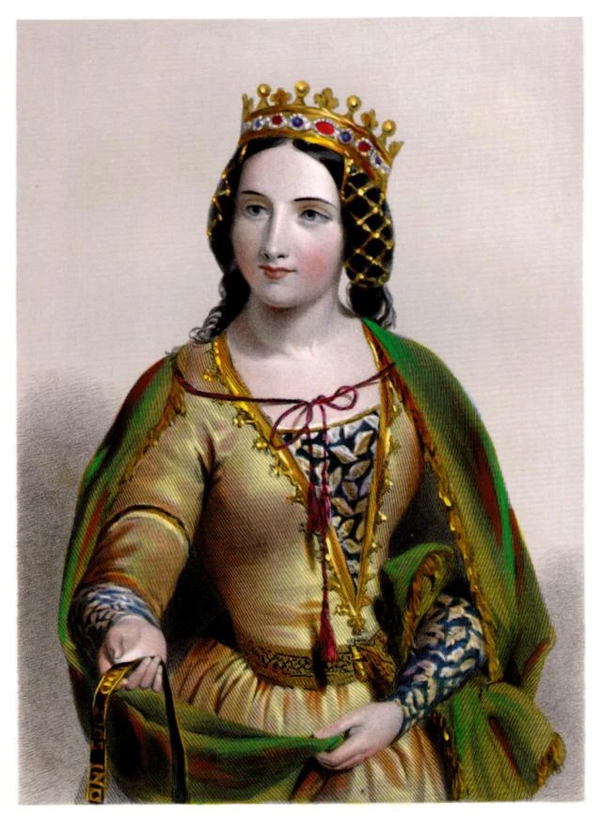
Queen Anne Neville
📌 Poison or illness?
- Rumours circulated that Richard had poisoned her in order to marry Elizabeth of York
- Richard said in court that he had no plans of this and was grieved by his wife's death
- Evidence to suggest Richard was trying to marry Elizabeth off to a Portuguese Prince
Background on Anne Neville
Noble Heritage: Anne Neville was the daughter of Richard Neville, Earl of Warwick, known as the "Kingmaker," and Anne Beauchamp. Her marriage to Richard III (then Duke of Gloucester) in 1472 united two powerful Yorkist families.
- Marriage and Status: As Richard's wife, Anne became Duchess of Gloucester and later Queen Consort upon his ascension to the throne in 1483. The marriage produced one son, Edward of Middleham.
Anne Neville's Death
- Date and Circumstances: Anne Neville died on 16 March 1485, after a period of ill health. She was buried with royal honours, but her death quickly sparked rumours and suspicions.
Reasons for Suspicions
Timing and Illness:
- Mysterious Circumstances: Anne's death came at a politically sensitive time. Although she had been ill, the exact nature of her illness remains unclear, leaving room for speculation about foul play.
- Political Context: Anne's death occurred during a turbulent period for Richard III, with growing opposition and the looming threat of Henry Tudor's claim to the throne.
Richard's Behaviour and Intentions:
- Rumoured Betrothal: Shortly after Anne's death, rumours circulated that Richard III intended to marry his niece, Elizabeth of York. Such a union could have strengthened his claim to the throne by uniting the Yorkist factions.
- Denial and Public Perception: Richard publicly denied these rumours, but the very existence of such speculation indicated that contemporaries believed him capable of extreme measures to secure his position.
Historical Accounts and Propaganda:
- Tudor Propaganda: Tudor historians, including Thomas More and Polydore Vergil, later perpetuated the notion that Richard was responsible for Anne's death. This narrative served to further vilify Richard and justify Henry VII's overthrow of his regime.
- Shakespeare's Influence: William Shakespeare's portrayal of Richard III in his eponymous play depicted Richard as a ruthless, power-hungry villain, reinforcing the belief that he could have murdered his wife.
Implications of Anne Neville's Death
- Political Motivation: Marrying Elizabeth of York could have consolidated Richard's claim to the throne and neutralised Henry Tudor's challenge. This potential motive is a key reason why historians consider the possibility of foul play.
- Impact on Reputation: The rumours surrounding Anne's death damaged Richard III's reputation, casting him as a murderer and tyrant. This perception contributed to the erosion of his support among the nobility and commoners alike.
- Historical Legacy: The belief that Richard III killed his wife has persisted in historical and popular narratives, shaping the enduring image of Richard as a Machiavellian figure.
Richard's opening speech to Parliament
- Opened by Chancellor Russell on the theme of peace
- Several versions of this speech survive
- The first clearly made when Ed V was still king and Gloucester protector
- Russell had prepared it for the first parliament which Edward would hold
Richard's parliament
- Only parliament opened Jan 23rd, 1484
- Was postponed from Nov 6th, 1483, as a result of Buckingham's rebellion
- First issue was financial
- Had ruled for nearly half a year
- Plus had the expenses of putting the rebellion down without any special grant from gov
- Or the funding from customs duties on goods
Richard's financial acts
- First ordered that 10 bowstaves were to be imported with every barrel of malmsey wine
- Ensured protection for tax-collectors of the clergy
- The benevolences of Edward IV were also dissolved much to the delight of London traders
- Another popular act was the anti-alien laws
- Prohibited the import of a wide variety of small goods
- Ordered alien merchants to spend the profits of their sales on English goods
Legal reforms: Bribery and corruption
- Gloucester reformed the legal system
- Forced Justices of the Peace to be more efficient
- Did this by introducing bail for criminals
- Ensured their possessions were to be protected until they had been formally tried and found guilty
- Standard of juries also improved
- Had to earn at least 20 shillings a year
- Aimed at reducing the risk of bribes
The Princes in the Tower
- Edward V and Richard, Duke of York: After the death of Edward IV in April 1483, his sons, Edward V and Richard, Duke of York, were placed in the Tower of London by their uncle Richard, Duke of Gloucester, ostensibly for their protection.
- Richard's Usurpation: Richard declared his nephews illegitimate and took the throne as Richard III in June 1483.
Note
Following the death of Edward IV in April 1483, his sons, Edward V and Richard, Duke of York, were taken to the Tower of London by their uncle Richard, Duke of Gloucester, who claimed it was for their safety. In June 1483, Richard declared his nephews illegitimate and seized the throne as Richard III.
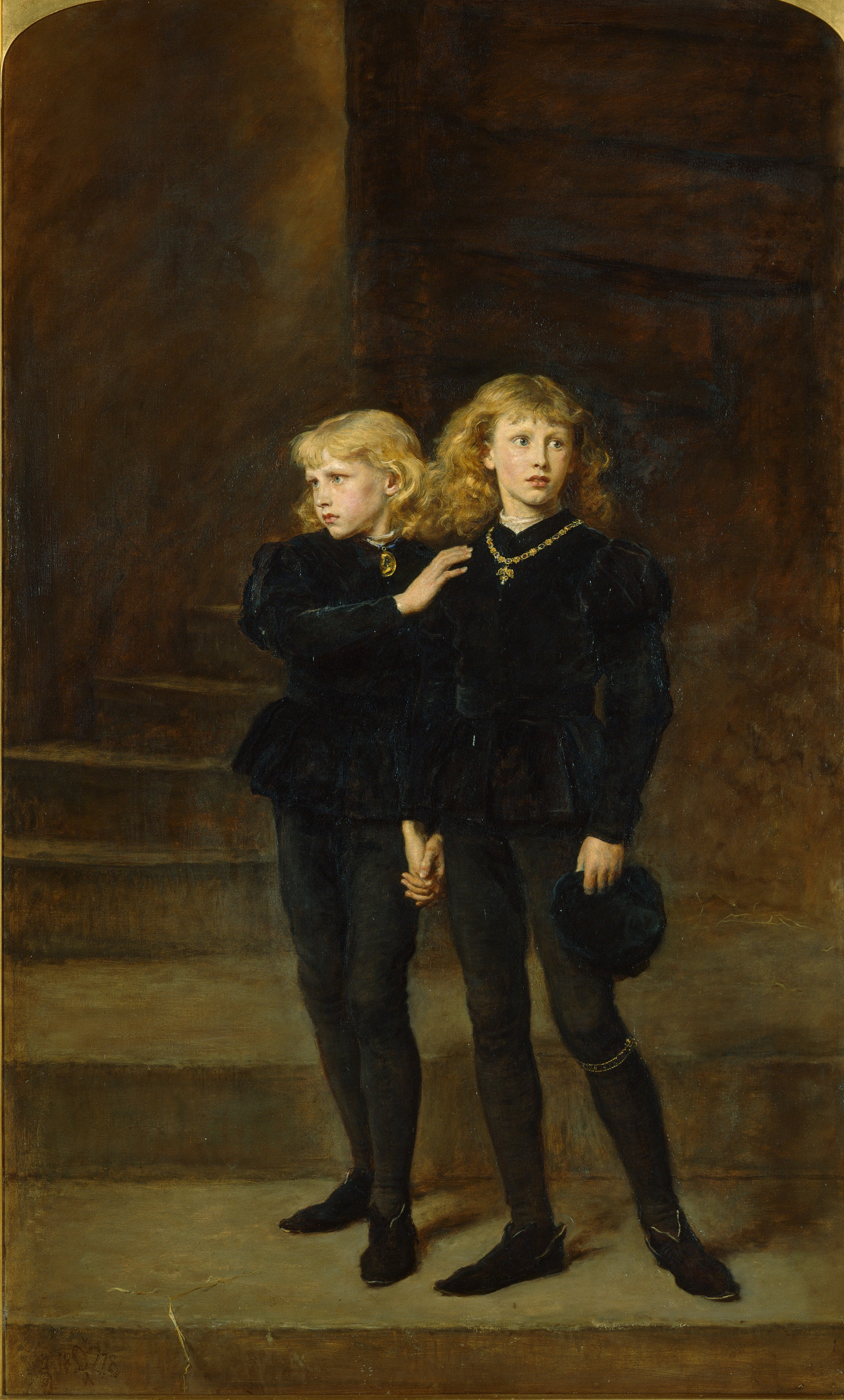
The Princes in the Tower
Disappearance
- Last Seen: The princes were last seen in the summer of 1483. Their subsequent disappearance remains one of the greatest mysteries in English history.
- Rumours and Allegations: Contemporary and later accounts suggested that Richard III ordered their murder to secure his hold on the throne. This accusation was famously propagated by Tudor historians like Sir Thomas More and dramatised by William Shakespeare.
Significance as a Weakness
- Legitimacy and Trust: The disappearance of the princes cast a long shadow over Richard III's claim to the throne. Many contemporaries viewed him with suspicion and distrust, believing he had removed his nephews to eliminate rival claims.
- Political Capital for Opponents: Richard's rivals, particularly Henry Tudor, used the mystery and assumed guilt to rally support against him. It provided a powerful narrative for those opposed to Richard's rule, painting him as a tyrant and usurper.
- Historical Legacy: The incident cemented Richard III's reputation as a ruthless and unscrupulous monarch, a portrayal that persisted through the centuries and was solidified in popular culture and historical writings.
The Killing of Ankarette Twynho
Background
- Ankarette Twynho: Ankarette Twynho was a lady-in-waiting to Isabel Neville, the wife of George, Duke of Clarence (Richard III's brother). George had been executed for treason in 1478.
- Context of the Execution: In April 1484, Ankarette Twynho was accused of poisoning Isabel Neville on the orders of George, Duke of Clarence. This accusation surfaced after Clarence's death.
Execution
- Summary Execution: Ankarette was arrested, taken to Warwick, hastily tried, and executed on the same day by Richard's order. This rapid and severe action raised significant ethical and legal questions.
Significance as a Weakness
- Perception of Tyranny: The execution of Ankarette Twynho without a fair trial or substantial evidence highlighted Richard III's willingness to use violence and extrajudicial measures to eliminate perceived threats or settle personal scores. This reinforced the image of Richard as a despotic ruler.
- Erosion of Noble Support: Such acts of brutality alienated many nobles and potential allies who feared for their safety and the rule of law under Richard's reign. The arbitrary use of power undermined confidence in his leadership and governance.
- Consolidation of Opposition: The nobility's increasing fear and discontent drove many to support Henry Tudor, who positioned himself as a restorer of justice and order. This contributed to the broad coalition that eventually overthrew Richard at the Battle of Bosworth.
Richard III's reputation as a usurper and tyrant, cemented by these incidents, played a significant role in his defeat and the end of Plantagenet rule, paving the way for the Tudor dynasty.
Note
Richard III's brutal execution of Ankarette Twynho without fair trial deepened his reputation as a tyrant. This act of violence not only eroded noble support but also fuelled the opposition, leading many to back Henry Tudor. The growing discontent and fear among the nobility played a crucial role in Richard's downfall at the Battle of Bosworth and the rise of the Tudor dynasty.
📌 To what extent was Richard III a northerner's King?
Richard's support:
- William Lord Hastings (executed)
- Henry Stafford, Duke of Buckingham
- John Howard, Duke of Norfolk
- Henry Percy, Earl of Northumberland
The planting of Northerners in the South
- Significant number of rebels fled abroad to Brittany
- These men had previously made local gov work in their counties, acting as judges, sheriffs etc.
- Now there were gaps in the network in almost every southern county
- Richard's solution was to use men from his own affinity (northerners)
- At first he chose to fill these gaps with men who had connections with the south through marriage
- There were not enough northerners with these links
- Richard had to import outsiders
- Their presence aroused great hostility
- Gentry in each county were deeply shocked
- They had made up a close-knit community
- Now there were outsiders in their counties
- Saw them as Richard's spies
- Demonstrates Richard was not in control of events
- Having to react, making second-best choices, hoping they didn't make the situation worse
Richard's favourites:
- William Catesby: Chancellor of the exchequer
- Richard Ratcliff (received rich haul of lands in Devon)
- Francis Lord Lovell: Lord Chamberlain of the Royal Household
- Robert Brackenbury: Master of the Mint, Sheriff of Kent
- James Tyrell: High Sheriff of Cornwall
- John Howard: made Duke of Norfolk
Note
Richard had not intended to be dependent on this small group by the autumn rebellion had forced this situation upon him.
'Richard III was doomed because he was a northerner's King' Explain why you agree or disagree.
Agreement
- Alienation of the Southern Nobility
- Council of the North
- Northern support from Nobles
- Support from York
Disagreement
- Princes in the Tower
- Marrying his niece (in retaliation of Henry (VII) saying he will marry her)
- Battle of Bosworth
- Henry Tudor
📌 Strengths of the Reign of Richard III
Legal and Administrative Reforms
Court of Requests:
- Accessibility: Richard III expanded the Court of Requests to provide greater access to justice for the poor. This court allowed individuals who could not afford legal representation to present their cases directly to the king.
Anti-Corruption Legislation:
- Statutes of 1484: Richard introduced several statutes aimed at curbing corruption. One notable example is the statute that made it illegal for officials to demand excessive fees for their services, thereby protecting landowners and merchants from exploitation.
Economic Policies
Promotion of Trade:
- Customs Duties Reduction: Richard III reduced customs duties to encourage trade. By lowering the cost of importing goods, he aimed to stimulate economic activity and strengthen England's trading position.
- Weights and Measures Regulation: He implemented regulations to standardise weights and measures, ensuring fair trading practices and protecting consumers and merchants from fraudulent practices.
Urban Development:
- Market Facilities Improvement: Richard invested in improving market facilities, such as the marketplace in Nottingham. This development enhanced local commerce and provided better infrastructure for traders and buyers.
Military Leadership and Defence
Effective Military Commander:
- Battle of Bosworth Preparations: In anticipation of Henry Tudor's invasion, Richard III demonstrated his military leadership by gathering troops and fortifying key positions. His strategic planning included fortifying the city of York and preparing defences along the southern coast.
- Battle of Tewkesbury: As Duke of Gloucester, Richard played a crucial role in the Yorkist victory at the Battle of Tewkesbury in 1471. His effective command and bravery in battle were instrumental in securing a decisive win against the Lancastrians.
Social Policies and Public Welfare
Public Works:
-
Hospitals and Colleges: Richard III founded several charitable institutions, including Queen's College in Cambridge and the chapel at Middleham. These establishments provided education and healthcare, reflecting his commitment to public welfare. Alms and Support for the Poor:
-
Charitable Acts: Richard's acts of charity included providing alms to the poor and endowing hospitals. For example, he supported the construction of a hospital for the poor at York, demonstrating his concern for the less fortunate.
Legal Codification and Fairness
Codification of Laws:
- Act for the Protection of Property: Richard passed the Act for the Protection of Property, which safeguarded the property rights of individuals, particularly protecting against wrongful seizure. This law reinforced the security of land ownership and legal transactions.
- Fair Trials Reform: Richard introduced reforms to ensure fair trials, such as the requirement that all property disputes be resolved through a jury trial, thereby promoting a more transparent and equitable judicial process.