The coup d’état by Richard of Gloucester (AQA A-Level History): Revision Notes
📚Revision Notes
The coup d'état by Richard of Gloucester
📌 Richard Duke of Gloucester
Key Dates: 1452-82
Early Life
- Born October 1452
- He was greatly affected by the Wars of the Roses – his father was Richard Duke of York
- After York died at Wakefield in 1460, Richard and George were sent to the Low Countries
- He was placed in the Household of Warwick in 1465
- After Edward's usurped the throne, he was quickly made Duke of Gloucester
- Remained loyal to Edward when Warwick and Clarence tried to take power
- He was appointed as a figurehead in Wales
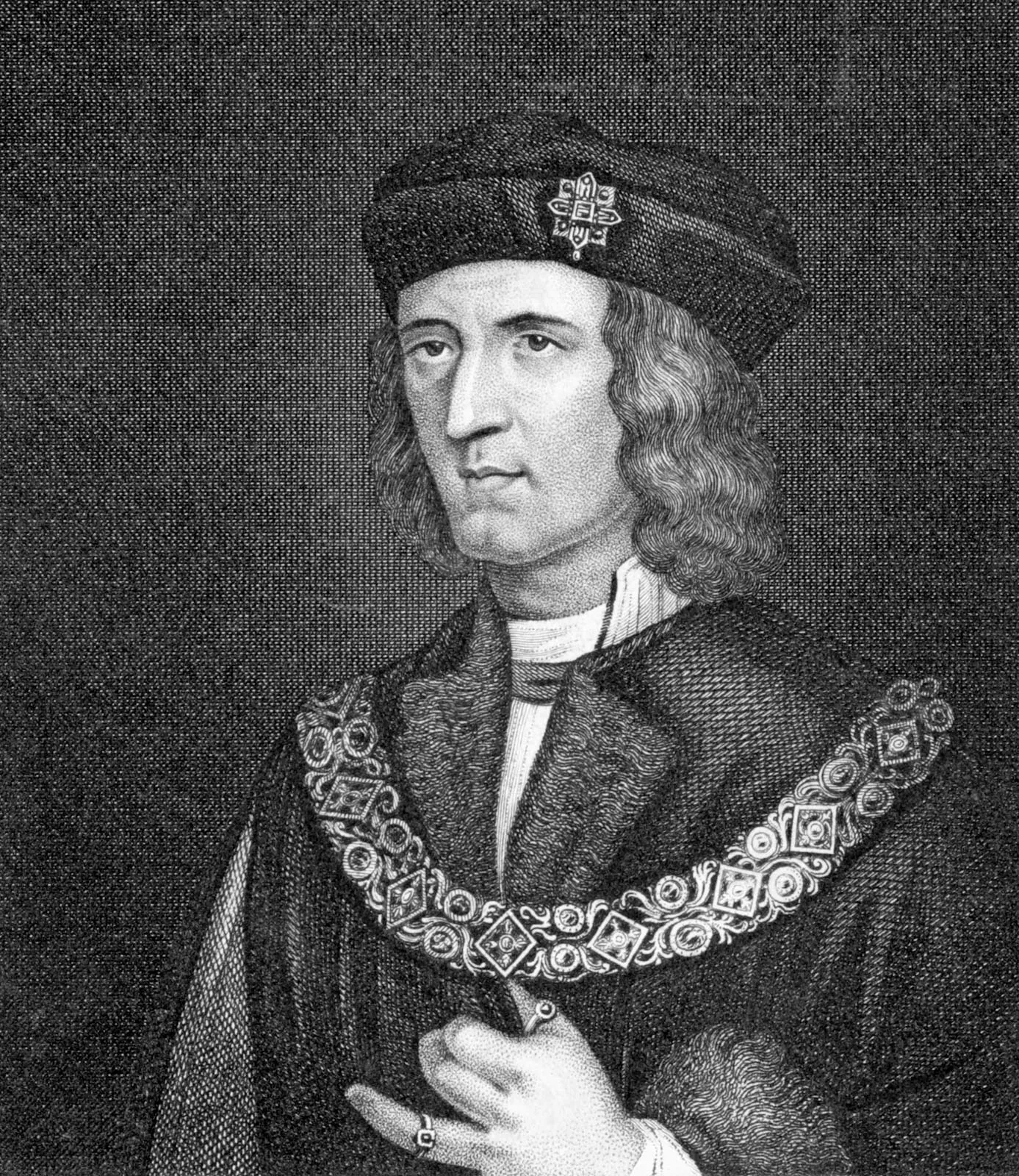
Richard III
Exile, Barnet and Tewkesbury
- When Henry VI was put back on the throne Richard joined Edward in exile
- He later accompanied him on Edward's campaign to take back the throne in 1471
- Led part of the troops in the Battle of Barnet in 1471
- He was victorious in defeating Exeter during the battle
- Led the Vanguard in the battle of Tewkesbury
Marriage
-
Married Anne Neville, Warwick's youngest daughter in July 1472
-
Fought with Clarence over the Warwick inheritance
-
They ended up splitting the lands in 1474
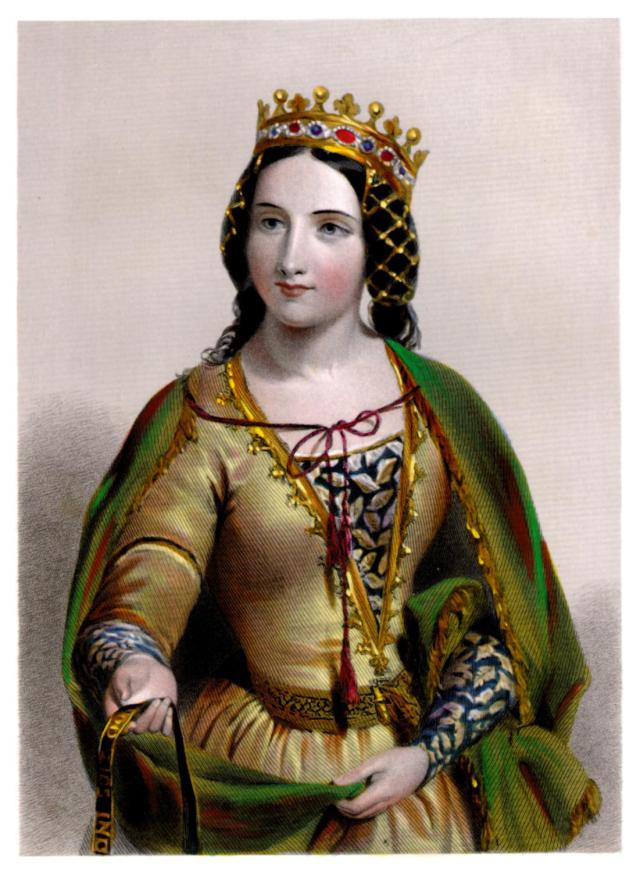
**Anne Neville (1456-1485)**
1475 French Invasion
-
Led the largest company in Edward's invasion of France
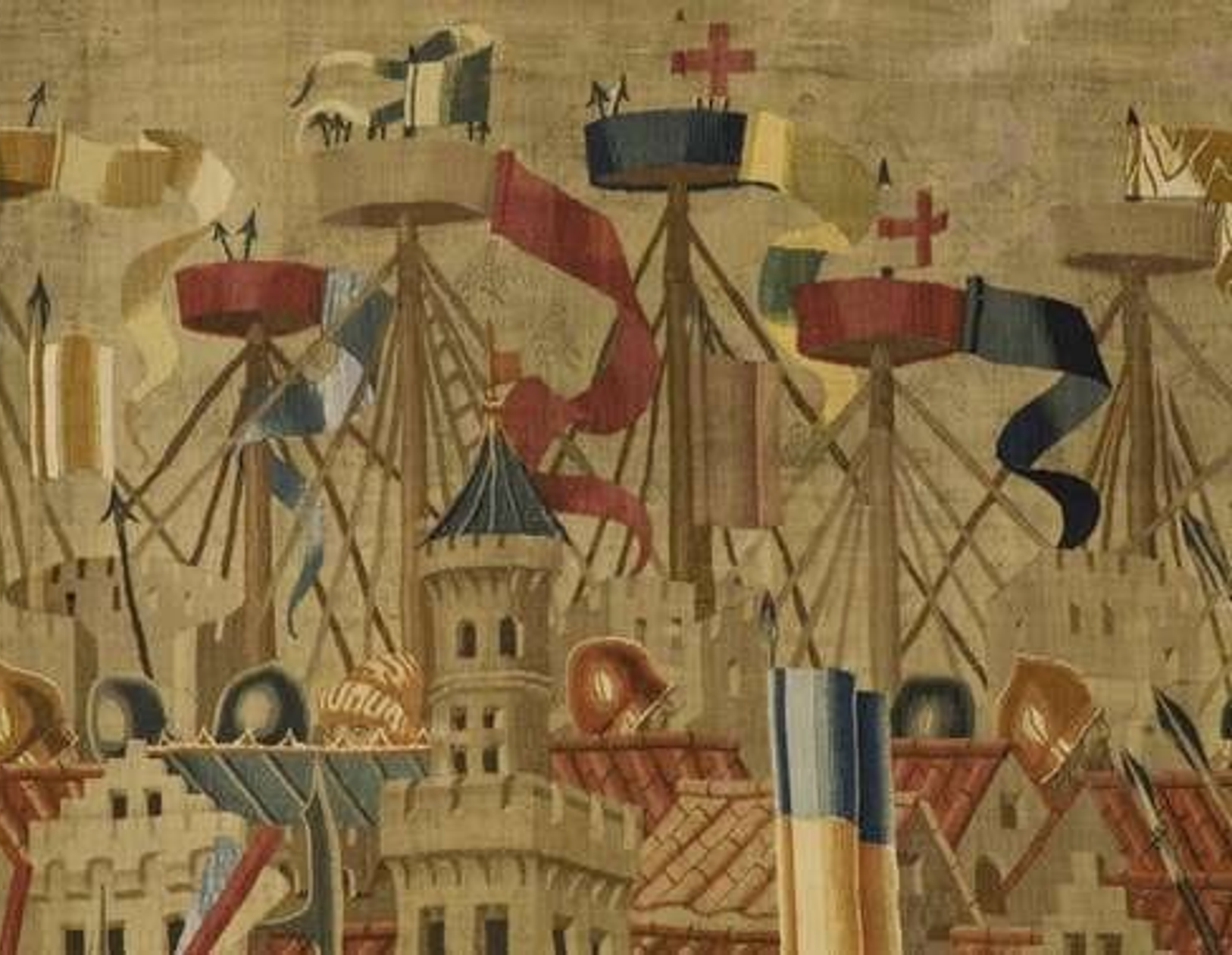
**1475 French Invasion**
War with Scotland

War with Scotland
- Richard had been Warden of the West March on the border of Scotland since Sept 1470
- He used Penrith as a base against the Scots
- He was appointed Lieutenant-General of the North as fears of a Scottish invasion grew
- Launched counter-raids with the Earl of Northumberland
- There were rumours that Louis XI had attempted to negotiate an alliance with Scotland with the aim of attacking England
- War was formally declared in Nov 1480 and Gloucester was paid £10,000 in wages
- Edward was determined to invade Scotland after they had broken the truce made in 1473 by raiding the border towns of northern England
- Gloucester led the army into Scotland, and it was successful
- They captured Edinburgh
- The Scottish army retreated rather than fought
- Gloucester then withdrew the army
- James then came to terms with Edward
Note
Richard, Warden of the West March, led a successful campaign against Scotland starting in 1480. Using Penrith as his base, he countered Scottish raids and captured Edinburgh, prompting James to negotiate peace with Edward.
📌 In what ways did the North help Richard establish power?
- Many men of the North marched with him to Buckinghamshire where he arrested the young Edward V, Earl Rivers and Richard Grey
- They supported him when he turned to them for help
- His share of the Warwick inheritance was located mainly in the North of England
- Was very present in establishing power in the north during Edward's second reign
- Was Warden of the West March on the Scottish border
- Was given the late Warwick's lands in the North
- Became keeper of the northern Forests and Sheriff of Cumberland
Note
What evidence can you find of Richard's northern affinity?
Note
Why did Richard's powerbase start growing in the North?
Note
Find evidence for this based on land and titles gained.
Note
How did he get his retainers to support him, and which nobles supported him?
Note
How did the North support Richard throughout his time as Duke of Gloucester?
"Edward IV could not have successfully consolidated his power in his second reign without the help of Richard Duke of Gloucester."
Note
Without Richard Duke of Gloucester, Edward IV would not have been able to successfully consolidate power during his second reign, as Gloucester was greatly influential in the squashing of opposition – mainly Scotland. Gloucester's successful raid and taking of Edinburgh helped fully consolidate Edward's power as it removed the last threat of opposition to his rule and kept England safe from invasion.
📌 How was Richard Duke of Gloucester able to successfully stage a coup d'état?
Events preceding Richard Duke of Gloucester's usurpation of the throne:
- Edward renews their alliance with France that was established following the Treaty of Picquigny
- Archduke Maximilian of Burgundy loses his wife Mary in a riding accident
- In order to defend her inheritance, Maximilian signs the Treaty of Arras whereby he pledges his daughter to Louis XI's son Charles VIII
- Burgundy is given to France as a Dowry
- Edward IV dies of pneumonia/typhoid/poison/fishing trip/STD
- It is decided that Prince Edward will take the throne as Edward V, and he travels to London from Ludlow with Earl Rivers
- Upon hearing the news from Hastings, Gloucester quickly sets off south from York
Note
In a series of dramatic events, Edward IV renews the alliance with France, while Archduke Maximilian of Burgundy faces personal tragedy with his wife's death, leading him to sign the Treaty of Arras. This treaty ensures that Burgundy is ceded to France as a dowry, and Maximilian's daughter is promised to Louis XI's son, Charles VIII. Following Edward IV's sudden death—attributed to various causes including pneumonia or poisoning—his son Edward V is set to succeed him. Edward V travels from Ludlow to London with Earl Rivers, prompting Gloucester to hasten south from York upon learning the news.
The meeting at Stony Stratford
- Gloucester, along with the Duke of Buckingham, meets Earl Rivers and Edward V at Stony Stratford on April 30th, 1483, in Northamptonshire
- Gloucester arrests Earl Rivers, Richard Grey and Thomas Vaughan and sends them to Yorkshire
- They are executed at Pontefract castle on the 24th of June
- He then escorts Edward V to London
- The royal council recognises him as Lord Protector and henceforth head of government
- The queen, her daughters and Edward's younger brother Richard take refuge in Westminster Abbey
- Gloucester's respectfulness to Ed and continued preparations for the coronation allayed people's fears
Note
On April 30, 1483, Gloucester, with the Duke of Buckingham, met Earl Rivers, Richard Grey, and Edward V at Stony Stratford. Gloucester arrested Rivers, Grey, and Vaughan, sending them to Yorkshire where they were executed at Pontefract Castle on June 24. Subsequently, Gloucester escorted Edward V to London, where he was recognised as Lord Protector and head of government by the royal council. Meanwhile, the queen, her daughters, and Edward's younger brother Richard sought refuge in Westminster Abbey. Gloucester's respectful treatment of Edward and his preparations for the coronation helped to ease public anxieties.
Request for northern soldiers, 10th June 1483
- Gloucester writes a letter to the Mayor, Alderman, and Commons of the city of York requesting soldiers
- Accuses the Woodvilles of being traitors plotting their destruction
- He also asks Lord Neville for assistance against them
- The supposed plot was used to bring the northern men to his cause
Council meetings and execution of Hastings June 13th, 1483
- Hastings, Archbishop Rotherham of York, Bishop Morton, and Lord Stanley are arrested at a council meeting at the Tower of London
- Gloucester has Hastings executed without trial after charging him of treason
- The other three who were arrested are imprisoned
Removal of Prince Richard from sanctuary 16th June 1483
- Gloucester and the Archbishop of Canterbury go to Westminster to remove Prince Richard from sanctuary
- Prince Richard is taken to the Tower by Cardinal Bourchier
- They coax him out by saying he is being removed for his welfare and would be taken to his brother
- Gloucester is kind and gracious with Elizabeth, so she doesn't suspect him
- Parliament and the coronation of Ed V is delayed from June 22nd to November
Note
In a dramatic turn of events, Gloucester and the Archbishop of Canterbury travel to Westminster to remove Prince Richard from sanctuary. Cardinal Bourchier escorts Richard to the Tower, under the guise of safeguarding him and reuniting him with his brother. Gloucester maintains a facade of kindness towards Elizabeth, avoiding suspicion. Meanwhile, the coronation of Edward V is postponed from June 22nd to November.
Preaching of illegitimacy 22nd June 1483
- Gloucester gets Ralph Shaw to preach the illegitimacy of Edward IV's heirs at St Paul's
- Edward IV's mother was accused of adultery
- Edward V and Prince Richard were labelled as bastards
- Earl Rivers expects his execution and makes a will
The delayed coronation
- The 4th of May had been set for Edward V's coronation
- The Woodvilles wanted Edward crowned as soon as possible
- They wanted to remove the influence of Gloucester
- Following events of Stony Stratford, Gloucester marches on London
- He gains support of the nobles by professing support for Prince Edward as King
- Gloucester promises to have Edward crowned on the 22nd of June
- Lord Howard, Lord Lovel, and Henry Percy Earl of Northumberland were his strongest supporters
- On the 16th of June, Gloucester imprisoned Prince Richard in the Tower of London
- He further postponed the coronation to November
- On the original coronation date Gloucester had sermons preaching Edward IV's illegitimacy at St Paul's
- On the 26th of June, parliament submitted a petition to have Gloucester take the crown
- He was crowned on the 6th of July 1483
Note
In a dramatic shift of power, Richard, Duke of Gloucester, delayed the coronation of Edward V from May 4th to November 1483. By imprisoning Prince Richard and seizing control, Gloucester garnered noble support and was ultimately crowned Richard III on July 6, 1483, after a parliamentary petition on June 26.