Attempts to maintain the Yorkist cause (AQA A-Level History): Revision Notes
📚Revision Notes
Attempts to maintain the Yorkist cause
📌 How did Henry VII impose centralised authority?
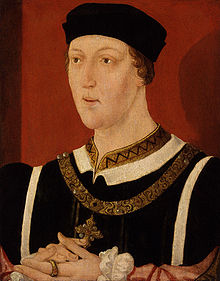
Henry VI
- When he came of age his rule was centred around the promotion of a tight selection of favourites
- Meant he allowed himself to be manipulated by 'over-mighty' subjects
- E.g. Cardinal Beaufort, Richard Duke of York, Somerset and Suffolk
- They exploited the king's weakness and use of royal patronage to amass their own power, titles, and therefore armies to essentially become 'Kings' of their regions
- Was an 'under-mighty' monarch
- Relied on advisors for majority of his reign
Henry VI
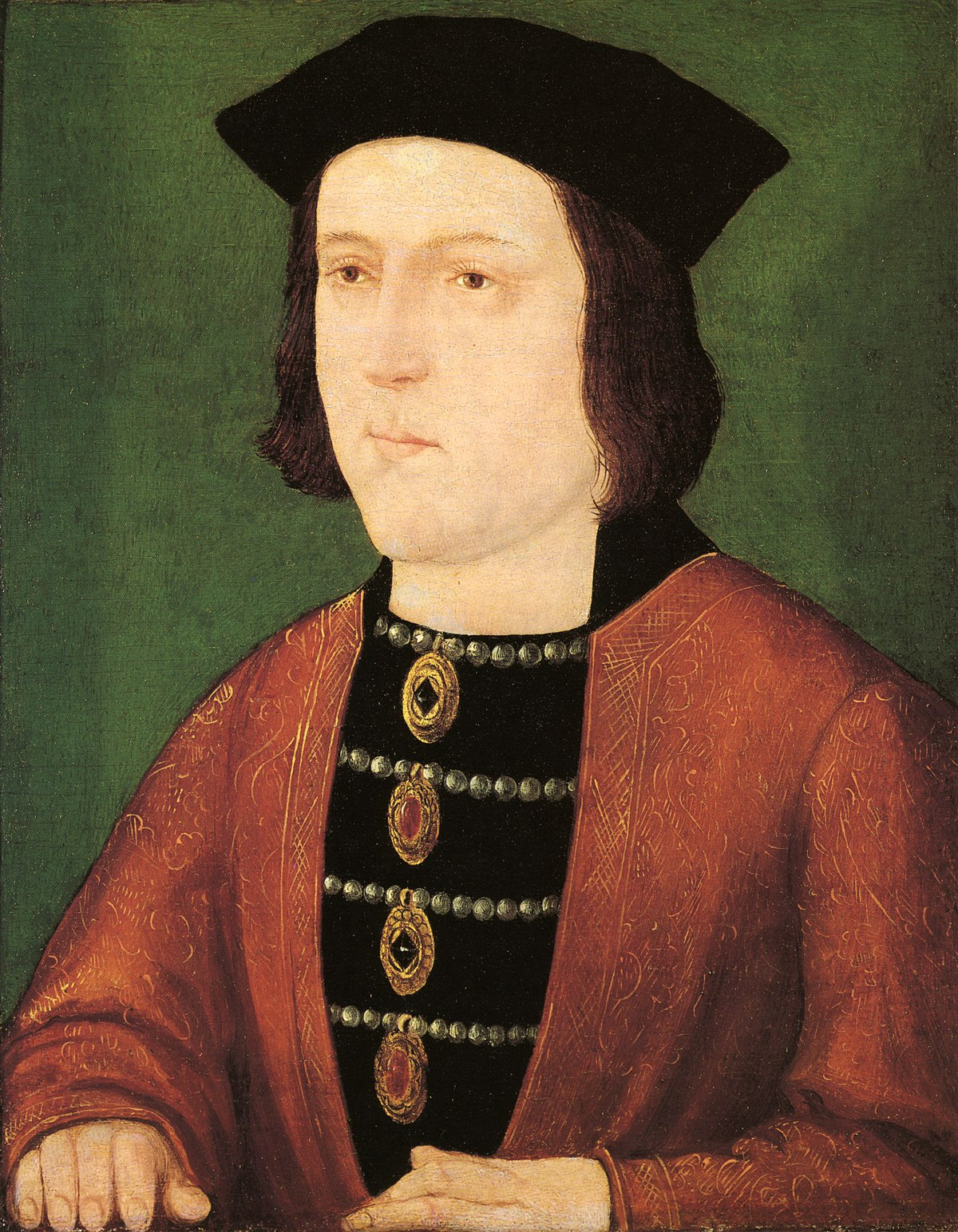
Edward IV
First Reign
Edward IV
- Sought to widen the spread of his royal patronage and avoid the issue of 'over-mighty' subjects
- Gave out pardons to Lancastrians
- Rewarded his Yorkist supporters
- Sought to reward both factions
- However he ended up following a similar policy of Henry in his first reign with patronage
- Granted to his brothers, the Nevilles, the Woodvilles and a select few others e.g. Hastings
- In turn led to the rise of power nobles and his deposition by Clarence and Warwick
Second Reign
- Tried to stop the illegal retainers or 'livery and maintenance' (lower classes were recruited to fight for a lord to advance their ambition)
- Attempted to improve law and order by giving more power to magnates over regions
- Appointed justices of the peace and sheriffs
- The Woodvilles and Edward's brothers still possessed considerable power
- Lead to feuds and ultimately the execution of Clarence
- Council of the North was set up to control the northern regions
- Was presided over by Richard Duke of Gloucester who amassed serious power in the regions
Note
During his reign, Edward IV attempted to curtail the practice of illegal retainers, where lower classes were recruited to fight for lords seeking to advance their ambitions. To improve law and order, he granted more power to magnates and appointed justices of the peace and sheriffs. Despite these efforts, the Woodville family and Edward's brothers maintained significant influence, leading to internal feuds and ultimately the execution of Clarence. The establishment of the Council of the North, presided over by Richard Duke of Gloucester, further concentrated power in the northern regions.
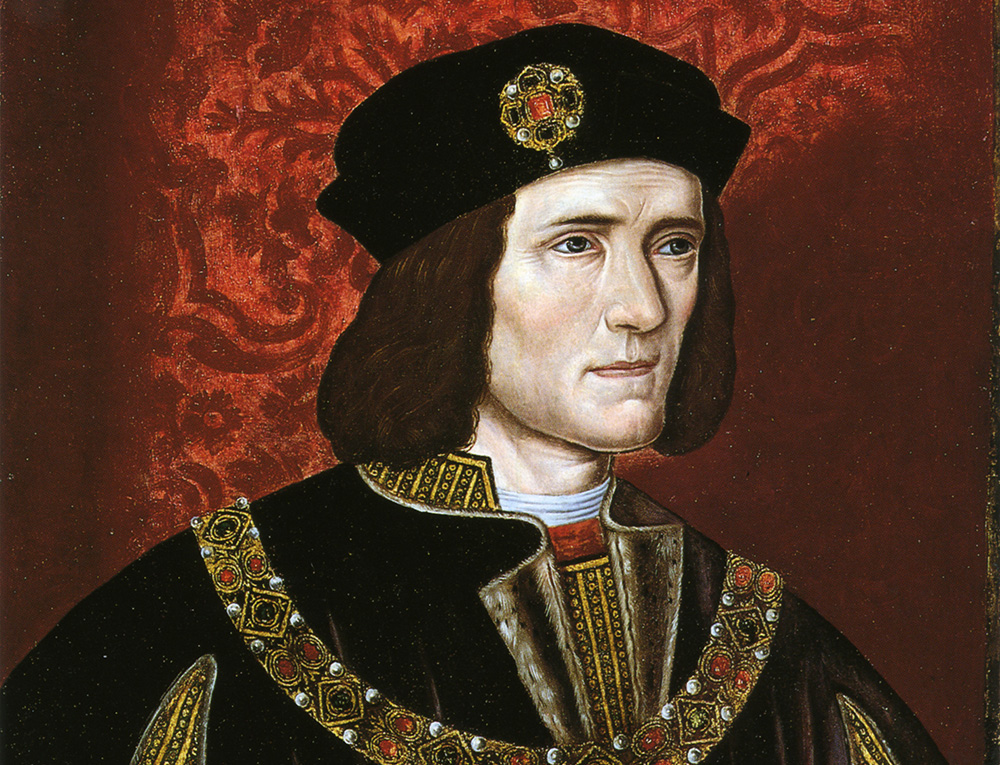
Richard III
- Unpopular usurpation
- Northern affinity meant that Richard had to rely heavily on centralised power
He relied on the support of a few select nobles including:
- Henry Stafford, Duke of Buckingham
- John Howard, Duke of Norfolk
- Henry Percy, Earl of Northumberland
- Thomas, Lord Stanley
- John de la Pole, Earl of Lincoln
- William Herbert, Earl of Huntingdon
- Buckingham was executed
- Northern men such as Sir William Catesby, Sir Richard Ratcliffe and Lord Francis Lovell
- Norfolk, Lincoln and Huntingdon were left
Richard III
- Percy and Stanley's support was unreliable
- In the lead up to Bosworth, Richard's support had dwindled however
Henry VII's methods
- Government increasingly dominated by the central authority of the Royal Court
- Regions were the authority of central government
- On the surface, England was a uniform society it relied heavily on the strength of royal authority
- By 1499 the North was far less problematic for Henry VII than for other monarchs
- The Earl of Surrey was in charge of the region
- Henry didn't establish a Northern Council until 1501
- Surrey was popular with the Northerners
- Henry made sure he didn't rely on just one magnate
- County courts, assizes and quarter sessions continued
- Government remained mainly unchanged
- Noblemen expected to keep the peace
- The English governed themselves at the King's command
Note
By 1499, the North of England was significantly more manageable for Henry VII compared to previous monarchs, thanks to the effective leadership of the Earl of Surrey. Although Henry VII established a Northern Council only in 1501, Surrey's popularity among Northerners helped maintain order. The governance of England largely remained unchanged, with county courts, assizes, and quarter sessions continuing as before. Noblemen were still expected to keep the peace, and while England appeared uniform, it was heavily reliant on the central authority of the Royal Court. The regions operated under the authority of the central government, with the English people governing themselves under the King's command.
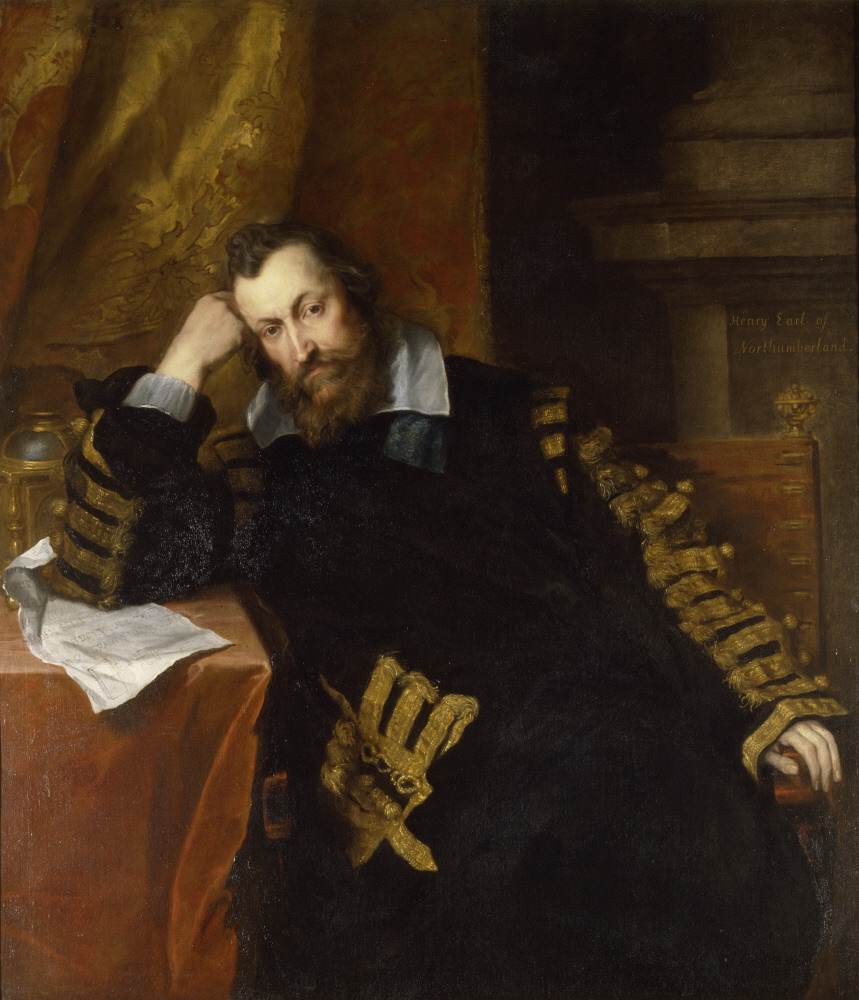
Henry Percy
Under Edward's reign
- After his father's attainder, Edward IV committed Henry Percy to safekeeping
- He was later released
- Had his lands restored
- Made Constable of Bamborough Castle and Warden of the East and Middle Marches after Tewkesbury
- Appointed chief commissioner of the Scots
- Entered the Order of the Garter
- Was made sheriff of Northumberland for life
- Led the Vanguard in Gloucester's invasion of Scotland in 1482
Henry Percy
Under Richard's reign
- Renewed his command as Warden of the Marches and Captain of Berwick
- Was given Buckingham's job of Great Chamberlain of England
- Given the lordship of Holderness
Under Henry Tudor
- Taken prisoner at first
- Then received into favour
- All his offices in the North were restored to him
- Employed in negotiations with Scotland
- Called upon to deal with Yorkshiremen resistance in 1489
- Appointed commissioner
📌 How did Henry VII reward those loyal to him?
Henry surrounded himself by able men he trusted
- Many were from minor families
- Not always magnates or nobles
- Owed everything to his patronage and support
- Thus they were deeply loyal
Rhys Ap Thomas
- Acquired lands and offices in South Wales
- Appointed Constable and Lieutenant of Breconshire
- Chamberlain of Carmarthenshire and Cardiganshire
- Justiciar of South Wales
- Governor of Wales
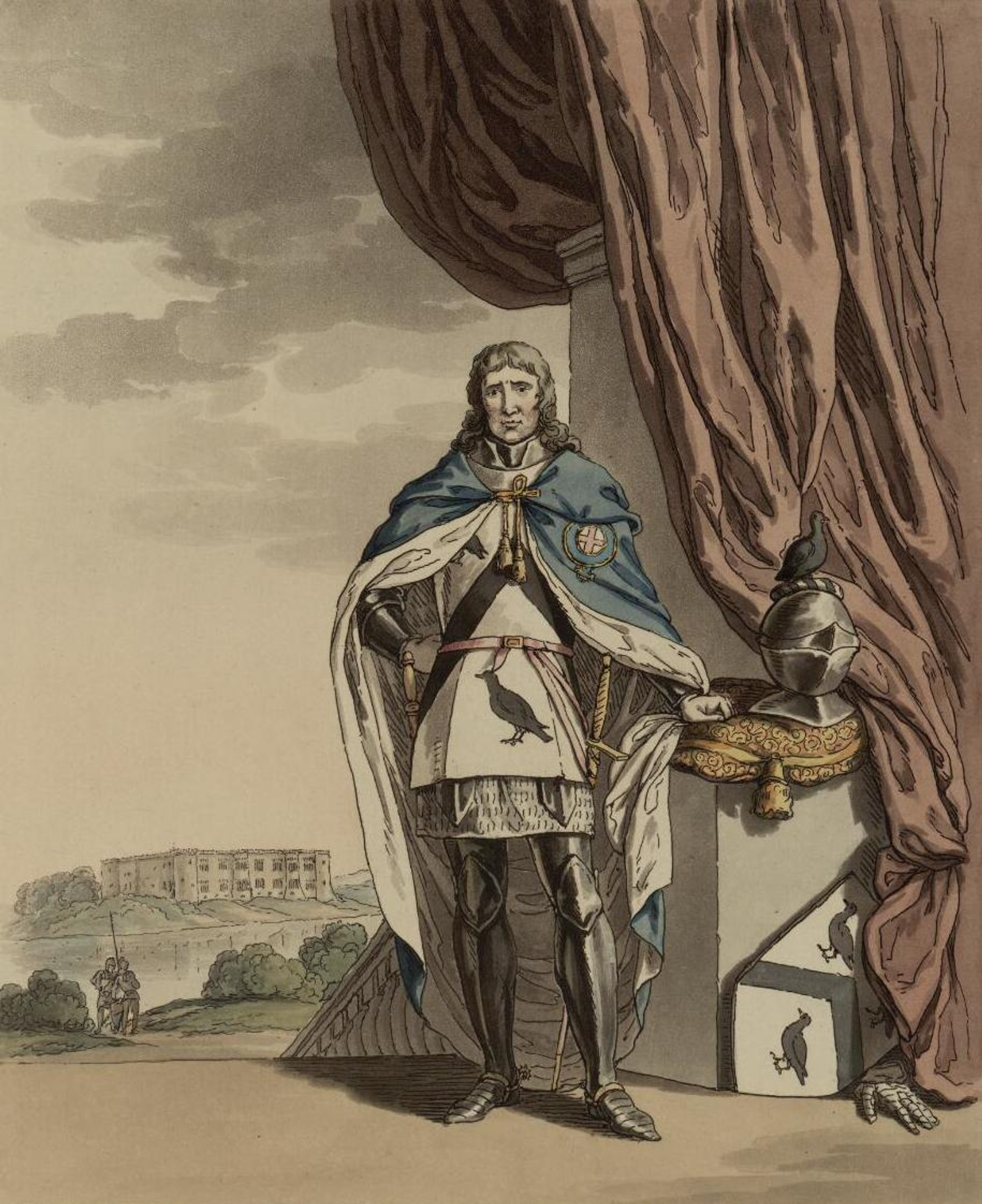
Rhys Ap Thomas
Jasper Tudor
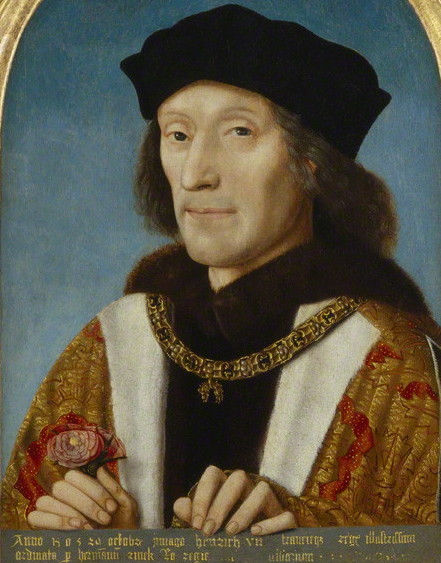
Jasper Tudor
- Duchy of Bedford
- Lordship of Glamorgan
- Lord Lieutenant of Ireland
John de Vere, Earl of Oxford
- Restored to his titles and estates
- Made Chamberlain and Admiral of England
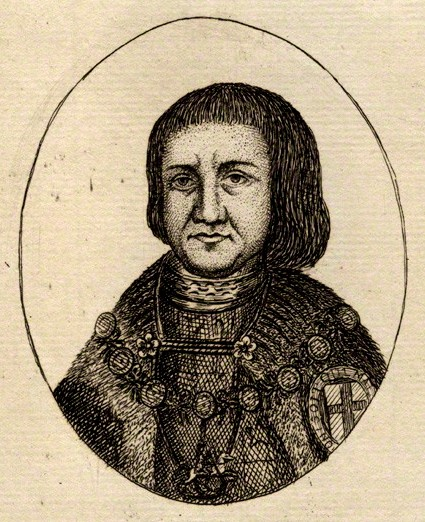
John de Vere, Earl of Oxford
Cardinal John Morton
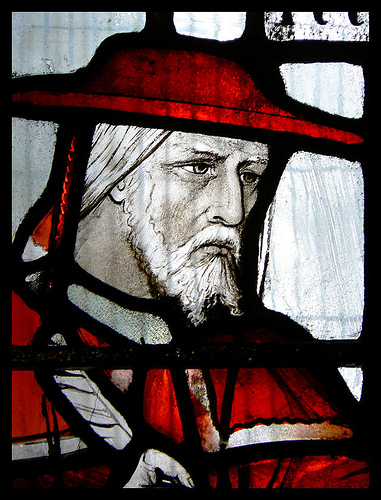
Cardinal John Morton
- Became Archbishop of Canterbury and Cardinal
Reginald Bray
- In the household of Margaret Beaufort
- Was with Stanley at Bosworth
- Made sure communications got through between Morton, Margaret and Henry
- Chancellor of the Duchy of Lancaster
- Knight of the King's Body
- Member of the Council
- Spymaster
- Knight of the Garter
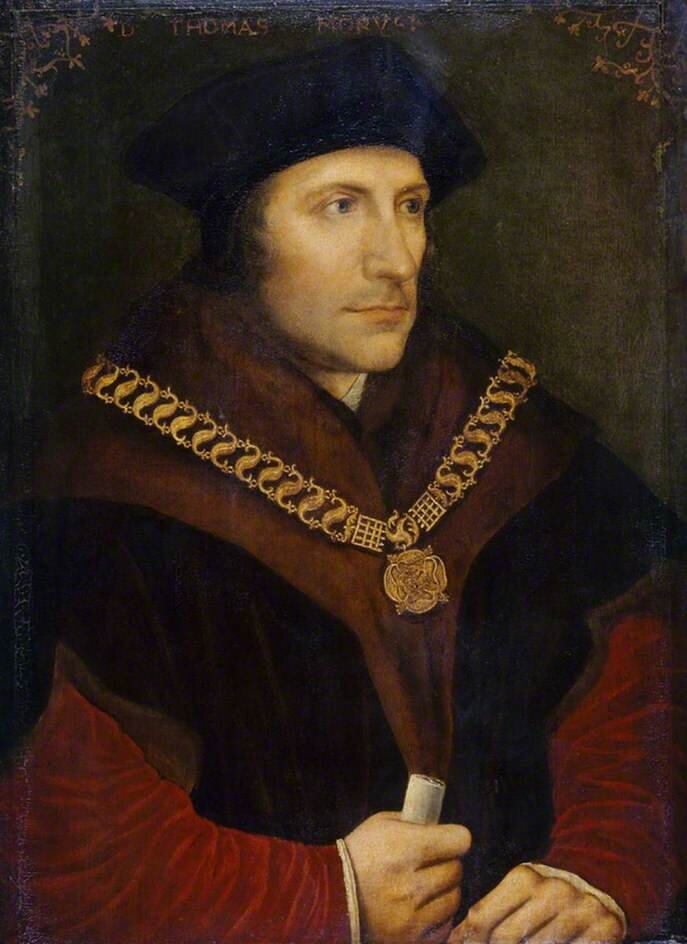
Reginald Bray
Richard Fox
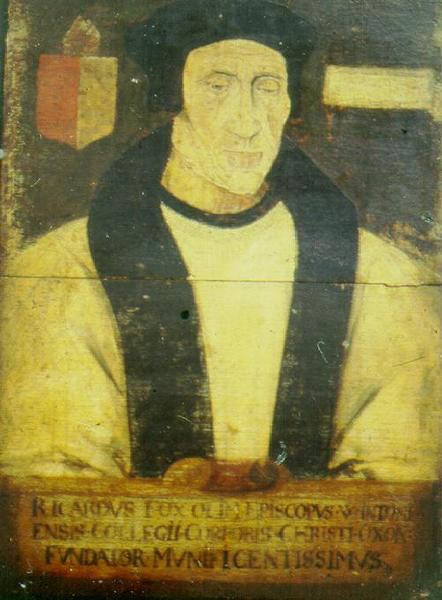
Richard Fox
- In France with Henry
- Keeper of the Privy Seal
- Bishop of Exeter then Bishop of Winchester
- Lead all of Henry's major negotiations: Scotland, France, Spain and the Netherlands
Giles Daubeney
- Had been one of Edward IV's household men
- Rebelled against Richard III and thus on Henry's side
- Deputy Chamberlain then Lord Chamberlain
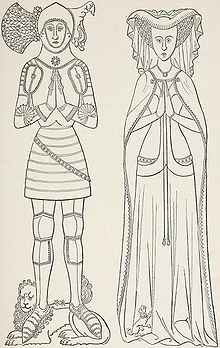
Giles Daubeney
Edward Poynings
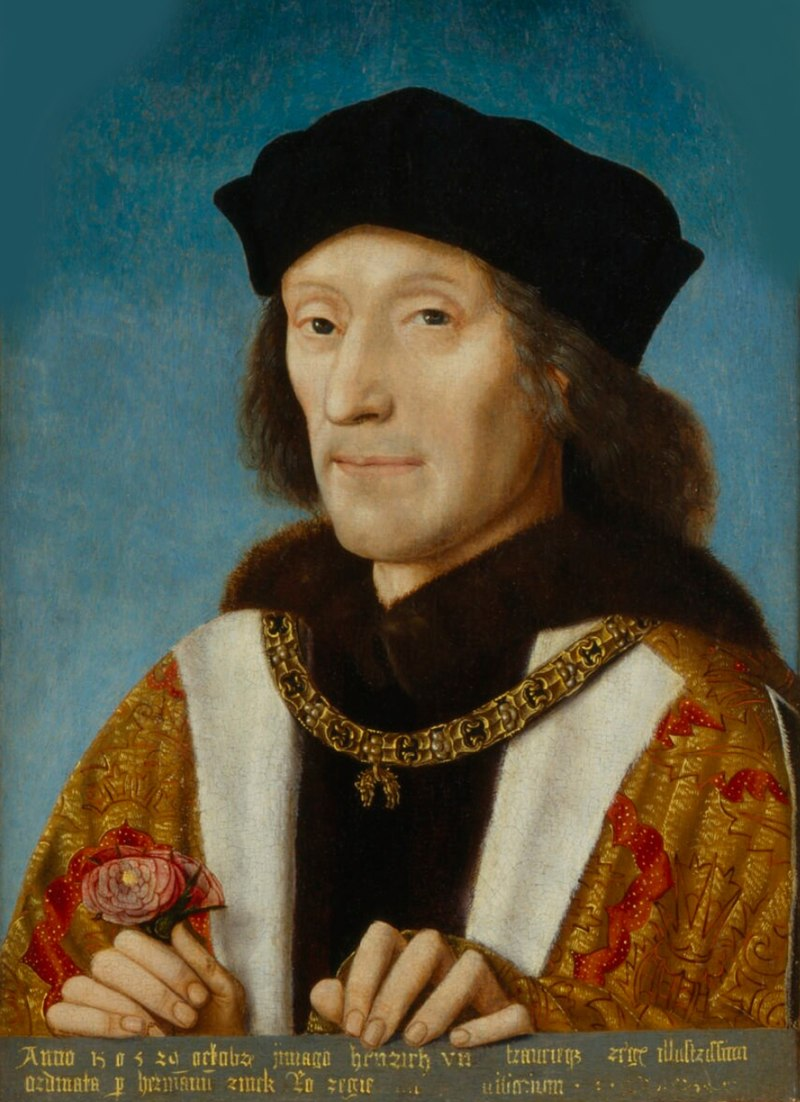
Edward Poynings
- Joined Henry in France after the rebellion in 1483
- Knighted at Milford Haven after Bosworth
- Gained full restoration in Kent
- Was a soldier and a diplomat
- Helped govern Ireland
- Warden of the Cinque Ports
- Comptroller and Treasurer of the King's Household
Thomas Lovell
- Was close with Thomas Grey, Marquess of Dorset
- Rebelled against Richard III in 1483
- Became part of Henry's inner circle
- Was Chancellor of the Exchequer
- Was also treasurer by 1503
- Frequently sat with the King
- Very regular attender in the Star Chamber and the Council Learned
- Was able to buy into land thanks to Henry
- A trusted councillor
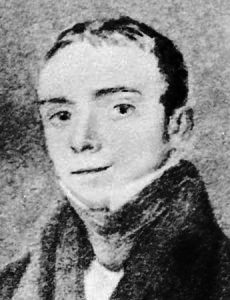
Thomas Lovell