The consolidation of royal authority (AQA A-Level History): Revision Notes
📚Revision Notes
The consolidation of royal authority
📌 Edward's Second Reign – A New Monarchy?
Henry's Economic Policy
- Continuation and loss of wars in France meant he owed £370,000 mostly to Italian bankers
- Income was only £45,000
- Owed Richard Duke of York £38,000
- Advisors used Acts of Resumption to try and fill his coffers
Edward's Policy
Ordinary Revenue
- Crown lands: more efficient collection resulting in £30,000 annual income
- Customs duties: tax on goods like cloth led to increase of £25k to £35k
- Profits of Justice: nothing new, £800 a year from fines etc.
- Feudal dues: land owners paid him £500
Extraordinary Revenue
- Parliamentary grants: 1473 in prep for French invasion received £30,000
- French pension: Treaty of Picquigny, annually £10,000
- Benevolences: £22,000 in forced loans taken from his people
- Clerical tax: £48,000 from 1472-1475
Law and Order in Edward's Second Reign
Kent Rebellion (Bastard of Fauconberg)
- Fauconberg issued a call to arms to the people of Kent to resist Edward IV
- Demanded reform of the government
- The rebellion failed
- Thomas the Bastard of Fauconberg was executed
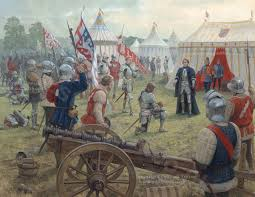
Kent Rebellion (Bastard of Fauconberg)
Wales Rebellion

Wales Rebellion
- Most serious threat to the new Yorkist regime
- Lancs continued to defy Edward
- Captured and executed a die-hard Yorkist, Roger Vaughan of Tretower
- By Oct 1471 the last Lanc strongholds in Wales, Pembroke and Tenby surrendered
- Some Lancastrians were pardoned
- Ed used parliament to issue acts of attainder against those who dared defy him
- As the representative body of the king's subjects, parliament offered the crown a means of claiming it had support and consent of the people
Livery and Maintenance
- Illegal retaining
- Great lords recruited those of lesser status as their servants or followers to help advance their ambitions and prestige
- Livery was the giving of a uniform or badge to a follower
- Maintenance was the protection of a follower's interests
- Kings permitted this practice to exist because it could help the magnates control his particular locality
- Also provided the quick raising of an army
- Wars of the roses showed this caused lawlessness and could be used against the king
- Edward attempted to deal with this practice, but it just continues