Political authority and the state of Russia (AQA A-Level History): Revision Notes
📚Revision Notes
Political authority and the state of Russia
Tsar Alexander II, The Tsar Liberator
Period of Reign:
- Ruled Russia from 1855 to 1881
- Inherited a backward reputation and was tasked with modernising Russia
Ownership:
- Significant landholder.
Social Structure:
- Upper Class: Landowning nobles, wealthy merchants, high-ranking Orthodox church members, civil service, and military
- Ruling Class: Tsar and the royal family.
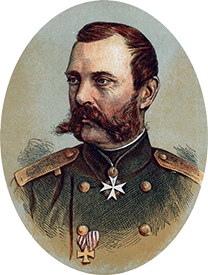
Tsar Alexander II
Nobility
- Made up 12% of the Population
- Includes higher clergy, military officers, and nobility
- Owned most of the land
- Dependent on the Tsar
- "Little Tsars": Landowners known for their harsh treatment of peasants
- Punishment: Public flogging of peasants
- Nobility were not only given land but also people to work the land for them.
- The nobility was often seen as the "puppet" of the Tsar, having an important role in keeping order within Russia. This was because Russia was vast and state officials could not cover the entirety of the land
- Count Sergei Seremetev owned nearly 150,000 male serfs and owned large amounts of property in Moscow.
Note
Nobility: Dominant landowners, often harsh rulers over peasants.
Peasants
- In the mid-nineteenth century over 90% of the Russian population was peasants, supporting themselves through farming
- Until 1861, most were serfs (property of landowners)
- Faced high rents from landowners
- Post-serfdom: High taxes to fund land redistribution
- Half of the peasants were tied to nobility, found in central Russia and western provinces. Serfdom ensured nobility had labour and income. In return for their work they would receive a small plot of land to use to grow food and sell locally.
- State peasants made up the other half, they lived on estates owned by the State, Church or Tsar and paid rent. They were legally free but still under control of the state administrators.
Note
Peasants: Made up the majority population and faced hardships before and after serfdom abolition.
The Mir

Self-Governed Peasant Households
Local governments that:
- Elected their own officials
- Controlled local forests, hunting grounds, and vacant lands
- Redistributed communal land based on household size
- Maintained after serfdom abolition for fairness but was economically inefficient
- Redistribution of strips was inefficient, the commune was dominated by older peasants who prevented any change from happening which led to the continuation of backwards farming.
- The Mir could punish people who did not conform to their regime.
- Farming was done based on a three-field rotation system meaning crops were grown in two fields whilst the other field was left to recover.
Note
The Mir: Local peasant governance system, maintained for fairness but economically inefficient (the peasant commune.)
Workers
- Made up 4% of the Population
- Includes factory workers, artisans, craftspeople, soldiers, sailors
- Most industry was carried out in peasant cottages or small scale workshops.
- Workers and their families had to live in the same environment in which they worked, sleeping in dirty and stinky surroundings.
Challenges:
- Poor wages
- Insufficient housing
- Overcrowding
Note
Callout: Workers: Small percentage of population facing severe living conditions.
📌 How did Alexander II govern Russia?
Orthodox Church:
- Around 70% of Russians were members
- 100,000 Clerics embedded in society
- Faith was central, especially for peasants
- The Orthodox Church was inextricably linked to autocracy since the Tsar was God's representative on earth.
- Russia believed that their devotion to the religion and Christianity made their culture superior.
- The Church played significant role in the lives of peasants, especially since many could not read or write and therefore relied on the Church for information.
- The Church was used as a tool of the Tsar to retain influence and domination.
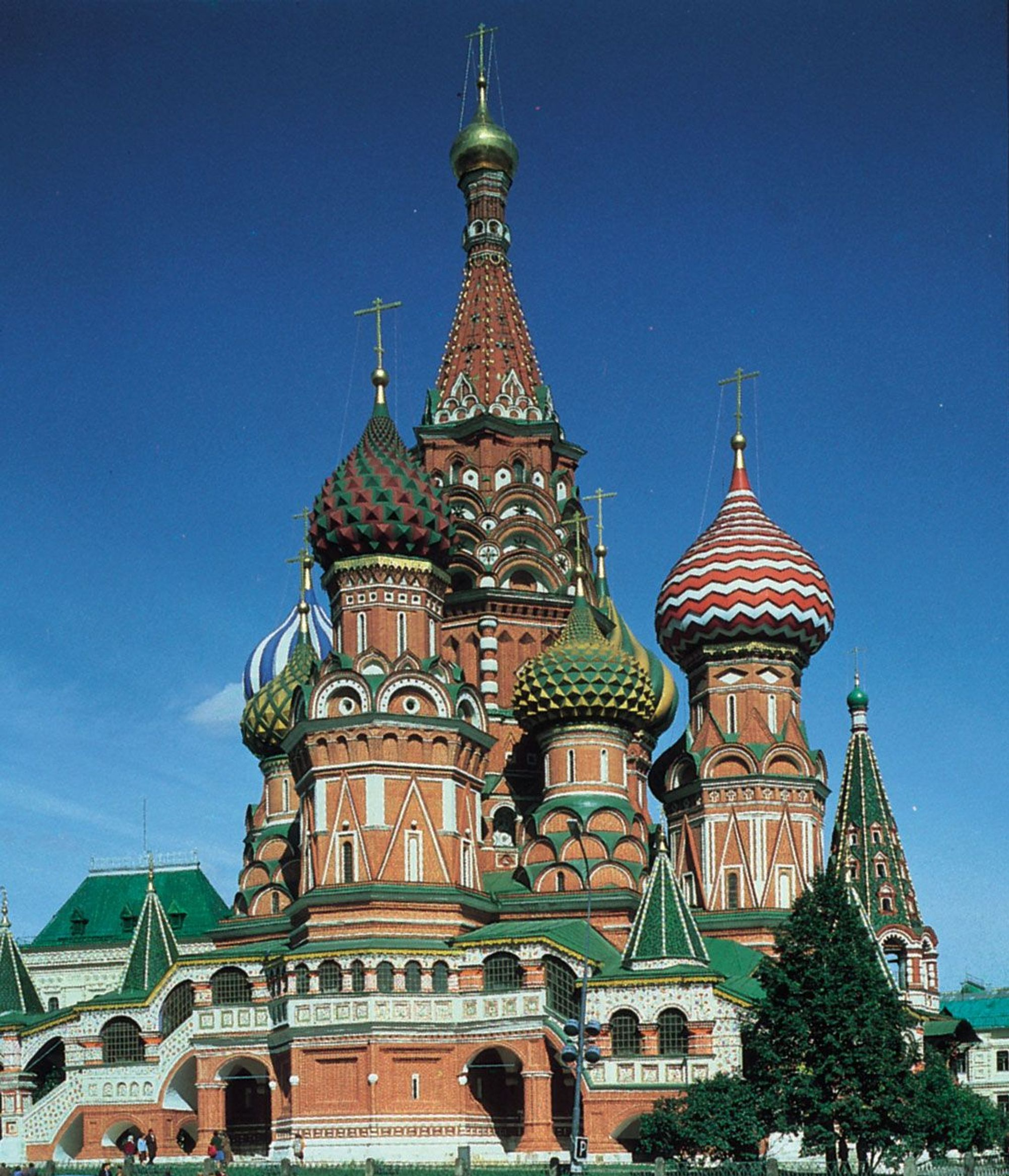
Russian Orthodox Church
Note
Russian Orthodox Church: Central to Russian society, separate from Catholic Europe.
Tsarist Government
- Romanov Dynasty: Ruled from 1613 for 104 years
- Tsars were autocrats, believed to be chosen by God
- Supported by civil servants and enforced by the Third Section (secret police)
- Tsar Nicholas I: Increased the spy network and informants
- Army and Cossacks: Key in maintaining Tsarist rule
Note
Callout: Tsarist Government: Autocratic rule supported by a vast network of civil servants and secret police.
🔎 Historical Context
Russia defeated Napoleon in 1812
1815: Russia was a leading European power
Maintaining power and influence was of great importance to the Russians.
The loss in the Crimean war was therefore a huge blow to Russian pride and nationalism.
It was clear that Russia was extremely backwards in comparison to the west.
Crimean War (1853 – 1856) Defeat Highlights:
- Poor Communication Network, there was no railway south of Moscow, troops had to be moved on dirt roads.
- Outdated rifles vs. Western artillery. The artillery of the British and French was much more advanced and could shoot further and more accurately.
- Questions on Efficiency and Leadership
Note
Callout: Crimean War Defeat: Exposed Russia's military weaknesses and sparked calls for reform.