Origins, Beliefs, and Strands (AQA A-Level Politics): Revision Notes
📚Revision Notes
Origins, Beliefs, and Strands
Multiculturalism is a political idea that seeks to balance the competing demands of diversity and unity in society. Its aim is to create a society where there is a shared citizenship and national identity, while also recognising the differences between groups within society. This creates "unity without uniformity". Multiculturalism is expressed through state-led policies designed to create a "community of citizens and a community of communities" (The Future of Multi-Ethnic Britain: The Parekh Report, 2000).
Important
Important distinction: Don't confuse multiculturalism (a political idea that seeks to promote diversity within unity) with a multiculturalist society (one that simply has cultural, religious and ethnic diversity). It is possible to have a multiculturalist society without multiculturalism as a political ideology.
Origins of multiculturalism
Multiculturalism emerged as a distinct political idea during the 1960s and 1970s, initially in countries with long histories of immigration such as Canada and Australia. Several factors contributed to its development:
Historical context:
- These countries were already multi-ethnic societies with an acceptance of migrants as co-citizens
- There was a large increase in immigration into these countries and European nations during the second half of the twentieth century
- This period was marked by immigration from non-European countries, meaning new migrants were culturally different from existing populations
Key developments:
- Assimilation was no longer seen as the correct approach to integration. Instead, new migrants should be allowed to maintain their distinctive culture while adapting to working and living in their new countries
- Multiculturalism emerged in liberal democracies and, although it developed from liberalism, it also challenges liberalism and seeks to move beyond it to become a distinct idea
- Multiculturalism has its roots in the emergence of identity politics in the 1960s and 1970s, marked by social movements such as gay rights, women's rights and black rights
Key definitions
Note
Assimilation: The process where immigrant groups become as much like the majority as possible, by adopting the lifestyles, values and beliefs of the majority culture.
Identity politics: A form of politics that embraces and celebrates a positive sense of collective identity (e.g. race, religion, culture or gender) and seeks public recognition of that identity.
Note
Exam guidance: A good example of identity politics in action is Black Lives Matter, which states on its website: "We are unapologetically Black in our positioning. In affirming that Black Lives Matter, we need not qualify our position."
Debates around the nature of multiculturalism
Assimilation
In societies where some people are seen or treated unfavourably by the majority, society needs a process of integration. One such process for dealing with immigrant communities is assimilation. This approach:
- Sees individuals and groups as being marked by difference (e.g. race, culture or religion)
- Considers that this difference in society provokes discrimination and conflict
- Proposes a one-way process where minorities must be encouraged to conform to the lifestyles, ideas and beliefs of the dominant culture
- Involves the least change for the majority culture and the main institutions of the state and their policies
The assimilationist view:
- This one-way process is seen as flattening cultural differences to create a strong, homogeneous national identity, which is the basis for a stable society
- Assimilation is considered successful when new members of society become indistinguishable from the majority
- There is a strong belief that unity cannot be achieved while there is diversity
Multiculturalist critique of assimilation:
Multiculturalism opposes assimilation as promoting the marginalisation, disadvantage and oppression of minority groups within society. For multiculturalists, assimilation is a recipe for discord because it fails to recognise the importance of cultural belonging.
Note
Historical note: Assimilation was associated with the Americanisation policies of the USA in response to European immigrants in the early twentieth century. Since the 1960s, however, it has been seen as impractical and illiberal.
The importance of cultural belonging
Multiculturalism sees that identity and culture are inextricably linked. This idea is built on the communitarian critique of liberal individualism:
Liberal individualism:
- Places belief in the individual above the collective within political thought
- Argues that the individual existed prior to society and has certain fixed traits (e.g. they are rational or self-seeking)
Communitarian critique:
- Humans cannot be understood outside of society or be said to have an innate nature
- Humans are culturally embedded and so are fundamentally shaped by the values, lifestyles and belief systems of the cultures that they grow up in
- People see the world through their culture
Different views on social goods:
- Liberalism sees social goods (like diversity, language and culture) as only valuable in terms of their benefits to individuals
- Communitarians see them as valuable in their own right and therefore worth protecting
Key definitions
Note
Identity: A person's sense of who they are and what is important about them as a human.
Communitarian: This relates to an idea which stresses the connection between the individual and the community.
Culture and identity
In liberal democracies like the USA and the UK, the dominant culture is white, male, heterosexual and able-bodied. This has significant consequences for minority cultures:
Effects of cultural dominance:
- As a result of their difference, minority cultures find themselves marginalised through the creation of stereotypes
- These stereotypes are uniformly applied to all people from that minority group
- Stereotypes can promote discrimination in society and the economy, and even group-based violence
- They can also create cultural marginalisation and oppression by promoting a sense of inferiority in individuals from minority cultures, or even shame
- This leads individuals to become further alienated and marginalised from society, increasing the chances of social conflict
Example
Example: Challenging Stereotypes
Dame Louise Casey highlighted stereotyping in her 2016 statement: "Every time there's a terrorist attack people automatically blame a person that's called a Muslim. That's wrong. Muslims are no more responsible for terrorist attacks than I am for the IRA."
This demonstrates how stereotypes unfairly attribute collective responsibility to entire groups based on the actions of individuals.
Culture as liberation:
Although culture can be seen as a means of oppression, it can also be seen as a positive force to challenge oppression:
- Minorities can take control of their identities and shape them
- They can create positive images, change language and build up a sense of pride in their culture
- By throwing off inauthentic and demeaning stereotypes, minority cultures can assert themselves politically, socially and economically in an act of liberation
Example
Example: Double-Consciousness
W. E. B. Du Bois, founder of the NAACP, described the effect of stereotyping on African-Americans in the first half of the twentieth century:
"It is a peculiar sensation, this double-consciousness, this sense of always looking at one's self through the eyes of others, of measuring one's soul by the tape of a world that looks on in amused contempt and pity."
This illustrates how misrecognition creates internal conflict and damages self-worth.
The politics of recognition
The politics of recognition, closely associated with Charles Taylor, takes the debate on culture and identity further. Taylor argues that humans understand themselves through a dialogue with the world and how others see them. As culture is so important to an individual's sense of identity and self-worth, how the wider community views minority cultures has consequences for the individuals concerned.
Non-recognition or misrecognition can saddle the "victims with a crippling self-hatred, denying their desire for self-esteem and stifling a sense of their own authenticity" (Charles Taylor, Multiculturalism and the Politics of Recognition, 1994). This cuts individuals from minority cultures off from society and is more likely to breed tension and conflict. As a result, Taylor argued that recognition is a vital human need and so all people deserve to have their identity recognised.
Key definitions
Note
Non-recognition: The failure to recognise the existence of a culture or cultural identity.
Misrecognition: Stereotyping, racism or stigmatisation.
The two-step process of recognition
Taylor proposed a two-step process to achieve the politics of recognition:
1. Equal dignity:
- All humans are alike and so all deserve equal treatment
- This is achieved by granting equal political and legal rights to everyone and banning all forms of discrimination, so there are no second-class citizens
- However, those who have equal dignity may still feel they are second-class citizens, as they are culturally marginalised through non-recognition or misrecognition
- This creates the need for equal recognition
2. Equal recognition:
- Everyone is different, so everyone has the equal right to be recognised
- As an individual's identity can only be understood in the context of their culture, this requires that individual cultures are protected and encouraged to flourish
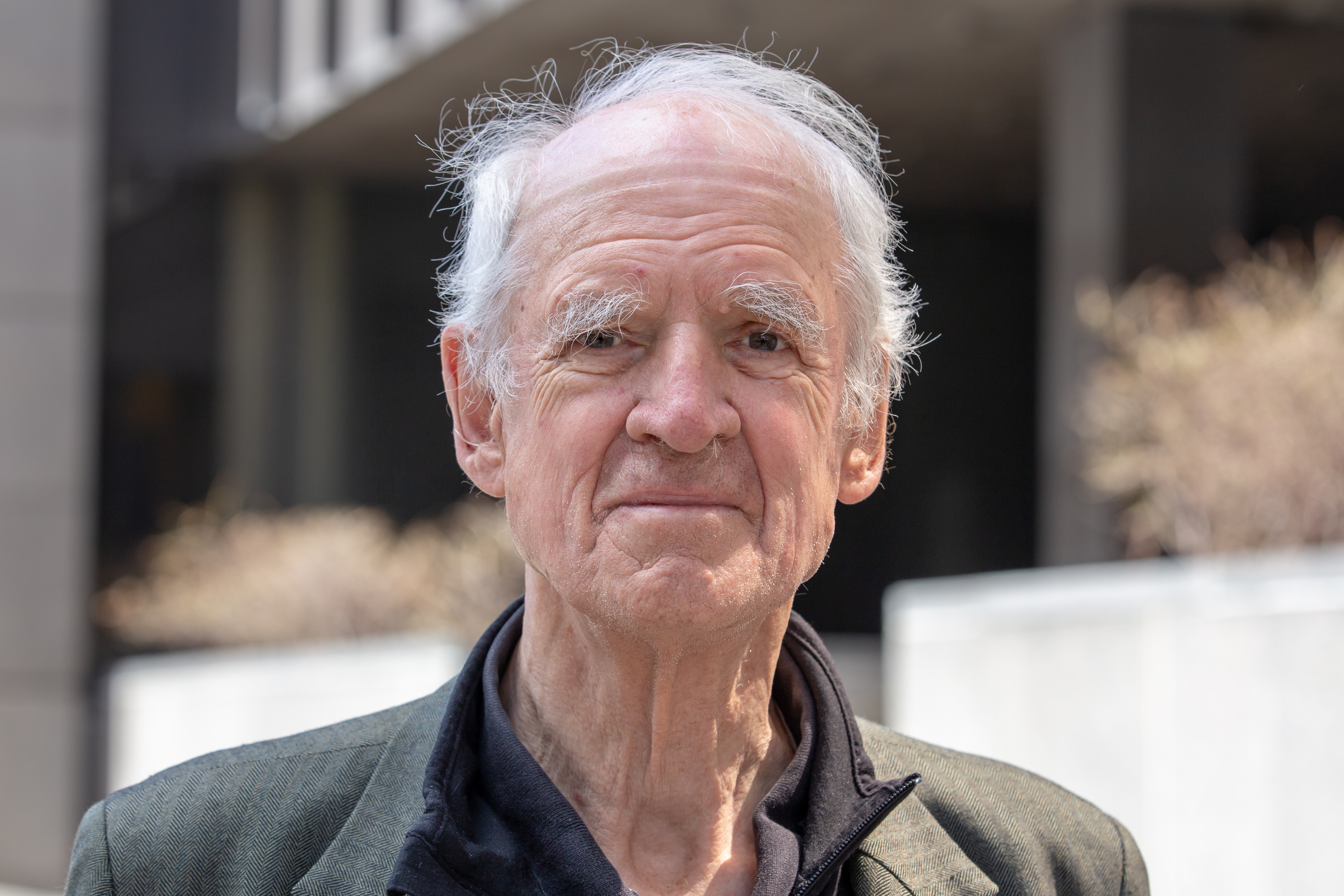
Charles Taylor (1931-)
Charles Taylor's Multiculturalism and the Politics of Recognition (1994) laid out the indispensable role of culture in the forming of human nature and the politics of recognition.
Key ideas:
- Taylor started from the basis that identity is "a person's understanding of who they are, of their fundamental characteristics as a human being"
- This understanding is developed in "dialogue with, sometimes struggle against, the things our significant others" [family members, friends, teachers and colleagues] want to see in us"
- Non-recognition or misrecognition from society can significantly damage a person or a group of people by mirroring back to them a "confining or demeaning or contemptible picture of themselves"
Two principles:
The principle of equal dignity:
- Difference-blind in granting rights to all
- Creates uniform rights and recognises only individuals, not groups or collective goals
The principle of equal recognition:
- Difference-friendly and based on the idea that everyone has an identity
- Equal dignity is universal to all and emphasises collective goals like the protection of a culture or language
- Equal recognition provides the rationale for states to grant certain rights to specific groups but not others in order to "maintain and cherish distinctness, not just now but forever"
- This can be seen as a benevolent formula for national existence
Example
Case Study: French Quebec
A key example used by Taylor is the survival of the culture and language of the French Quebecois in Canada:
- The French language has been granted official status in Quebec
- There are laws in place to ensure that all children of French heritage study the language in school
- This not only preserves French culture but also actively seeks to promote it
This demonstrates how equal recognition can be implemented through specific policies that protect and promote minority cultures.
The liberal state and diversity
There are three key aspects of liberal democracies which can be seen to support cultural diversity within society: the neutrality of the state, toleration and liberal democracy.
Note
Exam guidance: Multiculturalism both engages with and challenges liberalism, so make sure you have thoroughly revised liberalism so that you can make these connections effectively in your answers.
The neutrality of the state
The liberal approach to cultural diversity is based on several principles:
- The liberal state is seen to be neutral between different conceptions of the good life and between different cultures
- The purpose of the state is to provide equal rights, anti-discrimination law and equality of opportunity to promote civic nationalism in the public sphere
- Civic nationalism is based on the idea that if you choose to sign up to the values of the political community, you are welcomed. This is not restricted by any identity criteria like race or religion
- The wider political community is united around its political values not its culture, race or religion
- The private sphere is where the individual has autonomy and so is free to celebrate their cultural identity and difference
Key definitions
Note
Anti-discrimination law: Any law on the right of people to be treated equally, such as the UK's Equality Act 2010.
Autonomy: A combination of freedom and responsibility, where the individual is free to make their own choices and is responsible for those choices.
Note
Exam guidance: The Equality Act 2010 merged 116 other Acts to create a new anti-discrimination law. This protects individuals from unfair treatment and promotes a fair and more equal society by preventing discrimination based on religion and race (including colour, ethnicity or national origins).
Toleration
The recipe for toleration can be found in writings of the key liberal thinker John Stuart Mill:
- He argued that autonomy is important for individuals, and individuals know what is good for them
- There is a clear distinction between self-regarding and other-regarding actions
- There should be toleration of an individual's choice of beliefs, value systems and versions of the good life
Important
Important distinction: Don't confuse toleration with indifference to or dislike of a particular opinion or action. Toleration is an act of principle about opinion or actions where there is real disagreement over something morally important. This raises the question: Why should one tolerate the intolerant?
Key definition
Note
Toleration: The virtue of not using one's power to interfere with another's opinion or action over something morally important and where you morally disapprove of that opinion or action.
Note
Exam guidance: You can cross-reference your study of multiculturalism with your studies of liberalism and in particular J.S Mill.
Liberal democracy
Democracy is the only type of state which can support diversity due to its commitments to democratic values such as freedom, autonomy, formal equality and the consent of the governed. As a result, liberal states have practised a form of individualist integration.
Individualist integration
The liberal approach to integration involves:
- Minority individuals are free to choose to assimilate (but are not forced to) or to enjoy their cultural identities in the private sphere
- They are discouraged from seeing themselves as part of a minority group in the public sphere, where they are individual citizens
- The main policy aim is to end all forms of discrimination and provide equality of opportunity
- Everyone is treated equally by the state and society, and in their economic role
- This allows individuals to be autonomous and to practise a form of civic nationalism
Multiculturalist critique:
However, this practice is not seen by multiculturalism as understanding the importance of cultural belonging.
Main strands of multiculturalism
Liberal multiculturalism
Liberal multiculturalism is most closely associated with the work of Will Kymlicka and looks to develop a form of multiculturalism derived from liberalism. It takes the three key strands of liberalism discussed above (the neutrality of the state, toleration and liberal democracy) and adds two new arguments: autonomy and justice.
Justifications for liberal multiculturalism
Autonomy:
- Individuals are autonomous
- Individuals should have the freedom to live their lives in line with their own beliefs and values
- Individuals should be able to challenge, revise and change their values throughout their life
- Kymlicka argued that culture provides the "context of choice" for individuals to make decisions about their values and beliefs, so they can choose their own version of the good life
- The state has to move beyond equality and anti-discrimination laws to grant minority rights in order to ensure that individuals can be autonomous
Justice:
- The liberal state is seen within liberalism as neutral, but Kymlicka believed this idea was not supportable in practice
- The state, society and its institutions have been developed over time by the majority culture
- The choice of official language, official holidays and the curriculum are all shaped by the majority
- The state and the public sphere are not neutral and this acts to marginalise and oppress minority groups, who are forced to conform
- In order to fit with the liberal principle of justice, minority groups should be granted recognition and minority rights
Example
Example: Non-Neutrality in Practice
Good examples to explain how the public sphere is not neutral include:
- California effectively banned bilingual education between 1998 and 2016
- In 2010, France banned wearing the burqa or niqab in public places
These demonstrate how state policies can favour the majority culture and marginalise minority cultural practices.
Minority rights
Minority rights are a clear break from liberalism:
- They are collective rather than individual rights
- Minority rights are given to specific groups but not others, as certain rights will only have meaning for one particular group
- For example, the right of Sikhs in the UK to wear the Kirpan (a ceremonial knife) for religious reasons
- Minority rights need to be granted by the state in order to promote and protect cultures
- This commitment of the state to minority cultures should ensure that minority cultures are committed to the state in return, creating a sense of unity
- Minority rights are termed group-differentiated rights by Kymlicka
Group-differentiated rights
| Rights | Explanation | In practice |
|---|---|---|
| Self-government rights | Applied to national minority groups who have been historically oppressed by the majority culture and who are territorially concentrated; the groups as a whole desire political autonomy. | There are, as of 2016, 22 self-government deals with native peoples in Canada. |
| Polyethnic rights | Rights applied to immigrant groups who wish to maintain their cultures but are expected to engage in the public sphere. These rights enable individuals from minority cultures to better integrate into society. | Anti-racism laws (e.g. US Civil Rights Act 1964), legal exemptions (e.g. for the Jewish shechita method of animal slaughter) and curriculum changes (e.g. black history month in the UK). |
| Representation rights | Rights given to minorities to tackle the past injustice of exclusion from the public sphere. Measures to ensure that individuals from minority cultures are represented in all spheres of public life, ensuring that the state and its institutions reflect the diversity of society. This can only increase the commitment of minority groups to the state. | In the USA, the use of Affirmative Action in federal-hiring policies and university admissions. In the UK, this is known as Positive Action - encouraging particular groups to apply through job advertisements or the treatment of a minority candidate more favourably than another candidate if they are equally qualified. |
Important
Important note: In the UK and the USA, Affirmative Action and Positive Action don't include the use of quotas or targets for minority candidates who are less qualified. However, hiring for jobs and university recruitment based on minority status can be used as a tie-breaker to decide between equally qualified candidates.
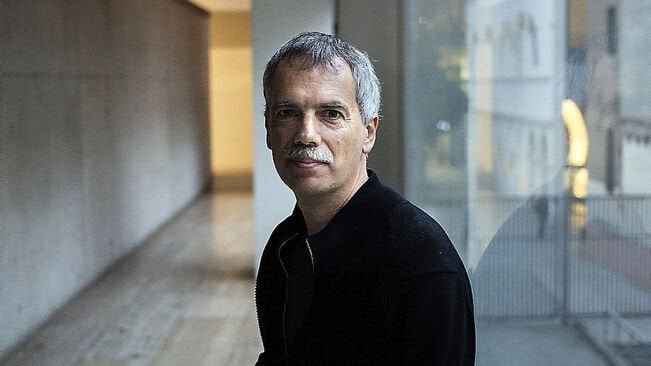
Will Kymlicka (1962-)
Will Kymlicka's Multicultural Citizenship (1995) offered a definite statement of liberal multiculturalism. He sought to show that multiculturalism can be derived from the ideas of liberalism.
Key ideas:
- Culture provides the "context of choice" for individuals to frame, revise and pursue their goals. Without this context, individuals would struggle to make sense of the choices in front of them
- Culture is important for personal development as it provides an anchor for self-identification and gives the individual the confidence that they belong
- This needs the liberal state to support different cultures to provide the basis for autonomy and personal development
- Kymlicka outlined a detailed defence of group-differentiated rights, as this would ensure higher levels of political and civic participation and lead to the effective integration of all cultures into society
Toleration and its limits:
- He argued for toleration between different groups but this is linked directly to the autonomy of the individual within the group to question and revise their goals
- This theory is inhospitable to illiberal minority groups who infringe on the autonomy of their members
- Kymlicka believed that there is a clear responsibility to liberalise such groups, but not by coercion
Toleration in liberal multiculturalism
Liberal multiculturalism promotes diversity in society, but argues that diversity must exist within the framework of liberal democracy and liberal values. This means that liberal multiculturalism endorses shallow diversity, as it cannot tolerate illiberal cultural practices on the grounds that they are an infringement of autonomy and justice.
Note
For example, former French president Nicolas Sarkozy defended the banning of the burqa and the niqab in public on the grounds of protecting women's rights. Others regard the ban as intolerant. It is seen by some as an example of misrecognition in that it argues that Muslim men are all oppressive and that Muslim women are all oppressed.
Multiculturalist integration
Liberal multiculturalism supports multiculturalist integration:
- In addition to rights and equality of opportunity, the state should put in place different measures for different groups to enable groups and individuals to maintain their cultural identity
- This is a two-way process where the state commits to individuals from minority groups in return for their commitment to the state
Pluralist multiculturalism
Pluralist multiculturalism goes beyond liberal multiculturalism in valuing diversity as a good in its own right, irrespective of its use to individuals.
Key characteristics:
- Pluralist multiculturalists endorse deep diversity, which argues from the starting position that all cultures have some worth and so are due our respect
- The key difference with liberal multiculturalism is that this applies to all cultures, not just those based on liberal principles
- Support for this view comes from two different positions: value pluralism and the value of diversity
Value pluralism
Value pluralism is an idea closely associated with the liberal philosopher Isaiah Berlin:
- It sees a world full of absolute values like justice, freedom, equality and cooperation, so conflict between these principles is inevitable
- The issue is that there is no single method for effectively resolving these conflicts
- The liberal state should not decide that any particular value is more valid than another to reduce conflict
Application to multiculturalism:
When picked up by multiculturalists, this idea is applied to cultures:
- The state must recognise different cultures as it is not in a position to decide if one culture and its values are more valid than any other
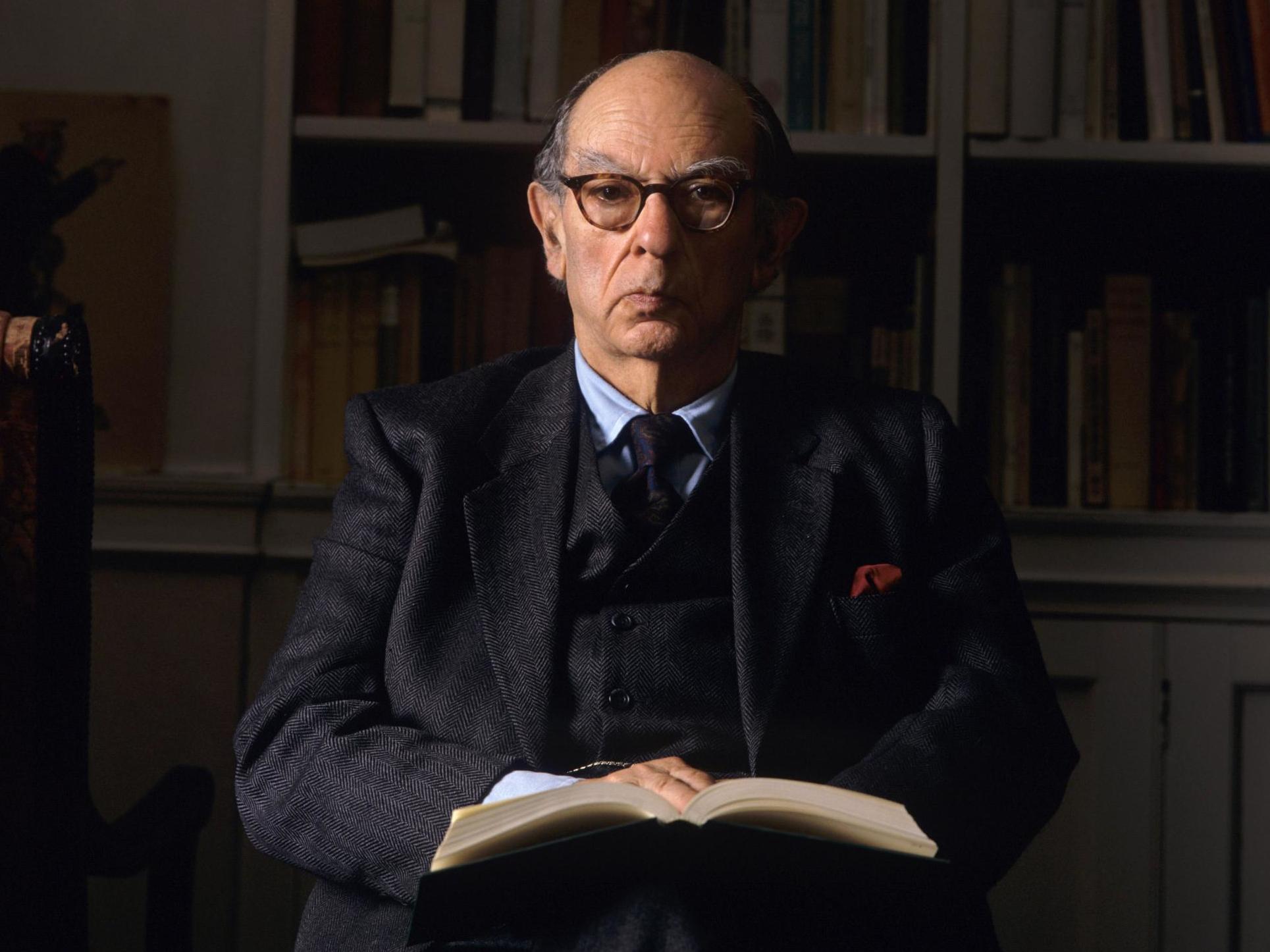
Isaiah Berlin (1909-97)
Isaiah Berlin was one of the most important philosophers of the twentieth century for his contributions to liberalism through the concepts of negative freedom and positive freedom. His connection to multiculturalism emerges from his principle of value pluralism.
Key ideas:
- Positive freedom is the presence of something (e.g. authentic identity), whereas negative freedom is the absence of something (e.g. legal or social restrictions) in relation to the ability of a group or individual to act autonomously
- Human nature generates certain values that are absolute, ultimate and sacred to people
- The issue is that there is no "possibility of establishing an objective hierarchical relation among them". Therefore, it is impossible to say if autonomy is more important than human solidarity
- These values are bound to come into conflict with each other and there is no way for the state to resolve these conflicts fairly
- Therefore, to stop the increasing tension and antagonism between absolutes, the state and society should practise value pluralism by allowing different values to exist
- The only type of society that can provide the framework for value pluralism is a liberal one. Berlin saw liberty as the primary goal, as it allows individuals to choose which absolutes are sacred and ultimate for them
The value of diversity
The most thorough articulation of the pluralist multiculturalist case is made by Bhikhu Parekh, who believed it offers three central insights on the world. These ideas led Parekh to attack the ideas of liberal universalism.
Liberal universalism assumes that its great values like equality, autonomy and liberty are universal and absolute: they apply to all cultures, irrespective of difference. However, liberalism is embedded in culture as it represents one view of the good life, so its understanding of the world can only be partial and narrow.
Key definition
Note
Liberal universalism: The idea that liberal values apply to all individuals, societies and cultures, irrespective of the differences between them.
Parekh's alternative:
Parekh argued that liberal universalism should be rejected in favour of deep diversity, where the starting point is that all cultures must have some worth. Deep diversity will allow the ongoing conversation within cultures and between cultures that is necessary for the enrichment, development and deepening of each culture and this will benefit society as a whole.
At the same time, the state and society's commitment to all cultures means that individuals from minority cultures will feel that the wider community belongs to them and they to it.
Parekh's justification for pluralist multiculturalism
| Culturally embedded | Difference | Internally plural |
|---|---|---|
| Human beings are culturally embedded. They grow up and live in a culturally structured world that provides meaning and value to their lives. Individuals can critically evaluate their culture and can overcome some but not all of its ideas, but ultimately they view the world from within that culture. | Different cultures have different value systems and views of the good life. Each culture is necessarily limited and can only grasp part of the full richness of human life. So cultures need each other to understand themselves better, but also to grow, develop and learn. No culture is perfect, so no culture should impose on others, and no culture is worthless, so all cultures deserve respect. | All cultures are internally plural and are in constant dialogue with themselves. A culture must be able to discuss its own internal differences and be at ease with them. Then it can be at ease with differences with other cultures and engage in debate with them. This debate creates a shared public commitment to the wider political community, creating unity without uniformity. |
Bhikhu Parekh (1935-)
Bhikhu Parekh wrote Rethinking Multiculturalism (2000), which is a book that looks to redefine the role of the state in light of pluralist multiculturalism and the value of diversity.

Key ideas:
- Multiculturalism should allow the conversation within cultures and between cultures to take place as this will promote cooperation and toleration of difference
- This ongoing conversation will enrich the cultural development of each culture and the enrichment of the individuals from those cultures, creating a "community of communities and individuals"
- Parekh did not just oppose liberal attempts to impose their will on others; he was also similarly critical of conservatism, socialism and nationalism as all are embedded in a particular culture
On national belonging:
- He argued that a multicultural society relied on a "common sense of belonging" among its citizens
- This cannot be based on race, religion, nationality, culture or other characteristics, as society is too diverse
- It needs to be based on a shared commitment to the political community and support for its wellbeing, even where citizens are critical of it
- This can be achieved if the political community accepts each citizen as fully part of society; then each citizen will commit to the community
- This can be achieved by "such measures as group-differentiated rights, culturally differentiated applications of laws and policies, state support for minority institutions [funding faith schools] and a judicious programme of affirmative action"
Note
Exam guidance: Bhikhu Parekh chaired the Commission on the Future of Multi-Ethnic Britain, which produced the Parekh Report in 2000. The report tackled how Britain could become a confident and vibrant multicultural society at ease with its rich diversity.
Multicultural integration
Pluralist multiculturalists support multicultural integration:
- The state and society "value and cherish [cultures] all equally and reflect this in [their] structure, policies, conduct of public affairs, self-understanding and self-definition" (Parekh)
- This will create a sense of belonging by individuals from minority cultures to the wider political community
The national story
The national story is the story that is told about what it means to belong to a particular nation and helps create a sense of national identity and unity.
Why it matters:
- Multiculturalism is not just about difference; it also has to be related to the things that people hold in common
- This is about creating a form of citizenship that moves beyond legal rights, passports and the right to vote, although all of these are important
- It is about the importance of a national identity, which is an idea closely associated with the writings of Tariq Modood
- He made the argument that it is both possible and necessary to decouple ideas of national identity from nationalism, especially where that nationalism has in the past been linked to the cultural oppression of minorities
- This needs to be an open and inclusive national identity, created through an ongoing discussion between all cultures to develop an identity that all want to integrate into
- In line with the Parekh Report, it is felt that for multiculturalism to work, all individuals within a nation need to feel "that their own flourishing as individuals is intimately linked with the flourishing of public institutions and public service"
Note
Exam guidance: The response to the Parekh Report (2000) was critical among some elements of the press and you can use this to illustrate some of the criticisms of multiculturalism. For example, "Ministers welcome report which says 'British' is racist and all our history must be rewritten" (Sun, 11 October 2000).
Tariq Modood (1952-)
Tariq Modood is particularly concerned with multiculturalism in the twenty-first century, arguing that the rise of Islamist terrorism has not discredited or lessened the importance of multiculturalism. In fact, it may have made its ideas and demands for social cohesion all the more relevant.

Key ideas:
- Modood sought unity through diversity by developing a form of multiculturalism that sees strong multicultural identities as a good thing, but they must be balanced with a national identity that creates a sense of belonging to one's country
- He raised the important question that if there is no strong national narrative for individuals from minority cultures to integrate to, then why bother with integration at all?
- This means that the state has to advance multiculturalism through preventing discrimination and inequality, recognising difference and minority rights, but it must also create a "framework of vibrant, national narratives...to give expression to a national identity"
Flexible integration:
- Multiculturalist integration stretches beyond individuals to include groups
- It recognises that these groups themselves are a "multi", with some identifying themselves by colour, others by national origin and others by religious identity
- As a result, there is no single method of integration that fits all groups
- Some may wish to assimilate, some to adopt cosmopolitan identities and others may wish for individualist integration
- Some minority groups may want different strategies in different areas - equality before the law (individualist) but group representation rights in politics (multicultural)
- The key is that no model is imposed and individuals from within communities can choose from any of the models of integration
- This gives society the widest possible chance of integrating the greatest possible number
Cosmopolitan multiculturalism
Cosmopolitan multiculturalists such as Jeremy Waldron endorse diversity as it increases the freedom of the individual to make choices about their identity. They celebrate difference but at the same time provide a clear critique of groups and propose that they should be dissolved. This is achieved through a process of cosmopolitan integration.
Cosmopolitan integration
Key principles:
- Individuals should not be confined to one culture or "pigeonholed" into one culture, as that both restricts choice and divides society into antagonistic groups
- Individuals should be free to "pick and mix" from different cultures to create new identities for themselves
- Individuals can develop multiple, fluid identities that change over time by selecting different elements from various cultures
- As a result, they themselves will become a multiculture - enjoying Thai food, being a practising atheist, meditating, enjoying reggae music, etc.
- As this happens, they will become tolerant and aware of their shared interests with others across the globe rather than in their culture or nation, creating global, cosmopolitan citizens
- The job of the state is therefore to protect the diversity of society to give individuals this freedom of choice
- As a result, cosmopolitan multiculturalists have supported minority rights
Key definition
Note
Hybridisation: The process of social and cultural mixing that creates multiple, fluid identities.
The critical view of multiculturalism
Multiculturalism has come under increasing attack from across the political spectrum, with David Cameron in 2011 arguing: "Under the doctrine of state multiculturalism, we have encouraged different cultures to live separate lives, apart from each other and apart from the mainstream. We have failed to provide a vision of society to which they feel they want to belong."
Main criticisms of multiculturalism
| Criticism | Explanation |
|---|---|
| It creates tension and conflict | This idea is most closely associated with conservatism. Human nature is imperfect and insecure humans need a common cultural identity for security and stability. All stable and secure societies are built around shared values, beliefs and lifestyles. Multiculturalism undermines both the common identity and shared values, creating tension and conflict. In particular, minority rights, the politics of recognition and rewriting the national story are seen as unfairly identifying the majority culture with discrimination and oppression. Positive or affirmative action also provokes further resentment by favouring the minority over the majority. |
| Minority rights are discriminatory | Multiculturalism is associated with promoting minority rights and the politics of recognition for cultures that hold distinctly illiberal values. In particular, it has been argued that some minority cultures are discriminatory towards women as they are very conservative and patriarchal. This has raised issues such as female dress codes and forced marriages. |
| It has led to segregation | Multiculturalism has led to segregation, where groups in society have withdrawn into their own societies, leading to mistrust, suspicion and hostility on all sides. In particular, the politics of recognition and the politics of identity lead minority groups to seek authentic cultures which are defined by their difference. This makes the difference more visible, both to the majority and to minority cultures. This issue seems particularly heightened where minority cultures are defined by religion and their beliefs are held sacred. |
| Cultural mixing leads to 'hybridisation' | The encouragement for groups to engage in cultural mixing can lead to hybridisation. In the end, this will undermine their sense of cultural belonging, as they will lose touch with their original culture, which is so crucial to their identity. "Hybridisation" will also lead to the dissolving of groups, which provide the contexts of choice for individuals to make their decisions, and will therefore undermine diversity. |
Core ideas of multiculturalism
Human nature
Areas of agreement:
- It is not possible to define the innate qualities of human nature as the individual does not exist before or outside of society
- The identity of humans is bound up in their culture
Summary
Key Points to Remember:
- Multiculturalism seeks to balance diversity and unity through state-led policies that create a "community of citizens and a community of communities"
- Origins: Emerged in the 1960s-70s in Canada and Australia as immigration increased and assimilation was rejected. Rooted in liberalism and identity politics
- Assimilation is opposed by multiculturalists because it marginalises minorities and fails to recognise the importance of cultural belonging
- Cultural belonging: Multiculturalism is built on communitarian ideas that humans are culturally embedded and their identity is shaped by their culture
- Politics of recognition (Charles Taylor): Recognition is a vital human need. All people deserve equal dignity and equal recognition of their cultural identity
- Three strands of multiculturalism:
- Liberal (Kymlicka): Group-differentiated rights (self-government, polyethnic, representation rights) are needed for autonomy and justice. Endorses shallow diversity
- Pluralist (Parekh): All cultures have worth and deserve respect. Endorses deep diversity and ongoing conversation within and between cultures
- Cosmopolitan (Waldron): Individuals should be free to "pick and mix" from different cultures to create multiple, fluid identities through hybridisation
- Key thinkers: Charles Taylor, Will Kymlicka, Bhikhu Parekh, Isaiah Berlin, Tariq Modood
- Main criticisms: Creates tension and conflict, minority rights are discriminatory, leads to segregation, cultural mixing undermines diversity