Character Analysis (Edexcel A-Level English Literature): Revision Notes
📚Revision Notes
Character Analysis
Blanche DuBois
Overview
Note
Blanche DuBois, the tragic protagonist of Tennessee Williams' "A Streetcar Named Desire," is a complex character whose genteel facade masks a troubled past and deep psychological distress. A former Southern belle, Blanche clings to the remnants of her aristocratic identity while grappling with the harsh realities of her life. Her arrival at her sister Stella's home in New Orleans sets off a dramatic chain of events that reveal her vulnerability, illusions, and ultimate descent into madness.

Key Moments in the Play
- Arrival at Elysian Fields (Scene 1): Blanche arrives at Stella and Stanley's home, immediately highlighting the contrast between her refined airs and the rough environment of New Orleans.
"They told me to take a street-car named Desire, and transfer to one called Cemeteries, and ride six blocks and get off at—Elysian Fields!" - This quote sets the stage for Blanche's journey from desire to destruction.
- Revelation of Past (Scene 4): Blanche's past is gradually revealed, including her loss of Belle Reve and her promiscuous history.
"I don't want realism. I want magic!" - This quote underscores Blanche's preference for illusion over reality.
- Rape by Stanley (Scene 10): Stanley rapes Blanche, a traumatic event that shatters her already fragile mental state.
"Tiger—tiger! Drop the bottle top! Drop it! We've had this date with each other from the beginning!" - Stanley's assertion of dominance culminates in this violent act.
- Commitment to Asylum (Scene 11): Blanche is taken away to a mental institution, signifying her complete psychological breakdown.
"Whoever you are—I have always depended on the kindness of strangers." - This quote highlights Blanche's reliance on others and her tragic vulnerability.
Key Themes
- Fantasy vs. Reality: Blanche's constant struggle to maintain her illusions in the face of harsh reality is a central theme, reflecting her inability to cope with her past and present circumstances.
- Madness: Blanche's psychological decline is portrayed through her increasingly erratic behaviour and eventual commitment to a mental institution, emphasising the theme of mental instability.
- Sexual Desire and Destruction: Blanche's past and present actions are driven by sexual desire, leading to her downfall and symbolising the destructive power of unchecked desire.
Key Quotes
"They told me to take a street car named Desire, and transfer to one called Cemeteries, and ride six blocks and get off at—Elysian Fields!" (Scene 1)
- Blanche's directions to Stella's home metaphorically reflect her journey from desire to destruction.
- This quote introduces the central conflict of the play and foreshadows Blanche's tragic end.
"I don't want realism. I want magic!" (Scene 4)
- Blanche expresses her preference for illusion over reality, revealing her inability to face the truth.
- This quote highlights the theme of fantasy vs. reality, central to Blanche's character and the play as a whole.
"Tiger—tiger! Drop the bottle-top! Drop it! We've had this date with each other from the beginning!" (Scene 10)
- Stanley's violent assertion of dominance over Blanche culminates in this moment, leading to her complete psychological breakdown.
- This quote underscores the destructive power of unchecked sexual desire and foreshadows Blanche's tragic end.
"Whoever you are—I have always depended on the kindness of strangers." (Scene 11)
- Blanche's final line as she is taken away to the asylum highlights her tragic vulnerability and reliance on others.
- This quote emphasises the theme of dependence and the tragic nature of Blanche's character.
Stanley Kowalski
Overview

Note
Stanley Kowalski, the antagonist of Tennessee Williams' "A Streetcar Named Desire," is a forceful and brutish character who embodies raw, animalistic masculinity. His relationship with Blanche DuBois is marked by conflict and tension, ultimately culminating in a violent confrontation that leads to Blanche's downfall. Stanley's dominance over his wife Stella and his relentless pursuit of control highlights the themes of power and primal instinct.
Key Moments in the Play
- Introduction (Scene 1): Stanley's entrance with a package of meat establishes his primal, virile nature.
"Catch!" - Stanley tosses the meat to Stella, symbolising their raw, physical relationship.
- Conflict with Blanche (Scene 2): Stanley's suspicion of Blanche's intentions leads to a confrontation over the loss of Belle Reve.
"I never met a woman that didn't know if she was good-looking or not without being told, and some of them give themselves credit for more than they've got." - Stanley's blunt, confrontational nature is evident in his interactions with Blanche.
- Poker Night (Scene 3): Stanley's violent outburst during the poker game culminates in him hitting Stella.
"STELL-LAHHHHH!" - Stanley's raw, emotional plea for Stella's return highlights his dependence on her despite his aggression.
- Rape of Blanche (Scene 10): Stanley's rape of Blanche marks the climax of his destructive power over her.
"Tiger—tiger! Drop the bottle-top! Drop it! We've had this date with each other from the beginning!" - This moment solidifies Stanley's dominance and the inevitability of Blanche's downfall.
Key Themes
- Power and Dominance: Stanley's need for control and dominance is evident in his interactions with Blanche and Stella, reflecting the theme of power dynamics.
- Conflict between Classes: Stanley's working-class background contrasts sharply with Blanche's aristocratic pretensions, highlighting the theme of class conflict.
- Primal Instinct: Stanley's animalistic behaviour and raw sexuality underscore the theme of primal instinct and its impact on human relationships.
Key Quotes
"Catch!" (Scene 1)
- Stanley's tossing of the meat to Stella symbolises their raw, physical relationship.
- This quote sets the tone for Stanley's primal, virile nature and foreshadows the power dynamics in their relationship.
"I never met a woman that didn't know if she was good-looking or not without being told, and some of them give themselves credit for more than they've got." (Scene 2)
- Stanley's blunt, confrontational nature is evident in his interactions with Blanche.
- This quote highlights the conflict between Stanley and Blanche and underscores his lack of respect for her.
"STELL-LAHHHHH!" (Scene 3)
- Stanley's raw, emotional plea for Stella's return highlights his dependence on her despite his aggression.
- This quote underscores the complexity of Stanley's character, revealing his vulnerability and emotional depth.
"Tiger—tiger! Drop the bottle-top! Drop it! We've had this date with each other from the beginning!" (Scene 10)
- Stanley's violent assertion of dominance over Blanche culminates in this moment, leading to her complete psychological breakdown.
- This quote underscores the destructive power of unchecked sexual desire and foreshadows Blanche's tragic end.
Stella Kowalski
Overview
Note
Stella Kowalski, a central character in Tennessee Williams' "A Streetcar Named Desire," embodies the struggle between old Southern gentility and the raw, working-class vitality of her husband, Stanley Kowalski. Stella's character is defined by her loyalty and love for Stanley, which often puts her at odds with her sister, Blanche DuBois. Her calm and nurturing nature contrasts sharply with the volatile dynamics of her marriage, highlighting the themes of dependence, love, and the conflict between fantasy and reality.

Key Moments in the Play
- Reunion with Blanche (Scene 1): Stella's warm, yet strained, reunion with Blanche sets the stage for the tension between the Kowalski household and Blanche's intrusion.
"Stella, oh, Stella, Stella! Stella for Star!" - Blanche's exclamation reflects her desperation and need for Stella's support.
- Aftermath of Stanley's Violence (Scene 3): Despite being hit by Stanley during a drunken rage, Stella returns to him, showcasing the deep and complicated nature of their relationship.
"There are things that happen between a man and a woman in the dark—that sort of make everything else seem—unimportant." - Stella's explanation to Blanche illustrates her acceptance of Stanley's passionate, if sometimes violent, nature.
- Defence of Stanley (Scene 4): Stella defends her decision to stay with Stanley to a disbelieving Blanche, highlighting her commitment to her marriage.
"What you are talking about is brutal desire—just—Desire!" - Blanche criticises Stella's relationship with Stanley, but Stella's loyalty remains unshaken.
- Blanche's Departure (Scene 11): Stella's decision to commit Blanche to a mental institution marks a painful but necessary step to preserve her own life with Stanley.
"I couldn't believe her story and go on living with Stanley." - This quote underscores Stella's internal conflict and the difficult choices she has to make.
Key Themes
- Love and Dependence: Stella's relationship with Stanley is marked by a deep, often tumultuous love that underscores her dependence on him.
- Fantasy vs. Reality: Stella often finds herself caught between Blanche's world of fantasy and Stanley's harsh reality, symbolising the struggle between illusion and truth.
- Loyalty and Conflict: Stella's loyalty to both Blanche and Stanley creates a central conflict, reflecting the tension between familial bonds and marital allegiance.
Key Quotes
"Stella, oh, Stella, Stella! Stella for Star!" (Scene 1)
- Blanche's exclamation highlights her reliance on Stella and the deep sisterly bond they share.
- This quote also foreshadows the tension and conflict that will arise as Stella is pulled between her loyalty to Blanche and her life with Stanley.
"There are things that happen between a man and a woman in the dark—that sort of make everything else seem—unimportant." (Scene 3)
- Stella explains her complex relationship with Stanley, indicating her acceptance of his passionate nature despite his flaws.
- This quote underscores the theme of love and dependence, as Stella justifies her return to Stanley despite his violent behaviour.
"What you are talking about is brutal desire—just—Desire!" (Scene 4)
- Blanche criticises Stella's relationship with Stanley, equating it to mere physical desire.
- This quote highlights the conflict between Blanche's idealised notions of love and Stella's acceptance of her passionate, if flawed, marriage.
"I couldn't believe her story and go on living with Stanley." (Scene 11)
- Stella expresses her internal conflict and the difficult choice she makes to maintain her life with Stanley.
- This quote emphasises the theme of loyalty and the painful decisions Stella faces in balancing her relationships with Blanche and Stanley.
Harold Mitchell (Mitch)
Overview
Note
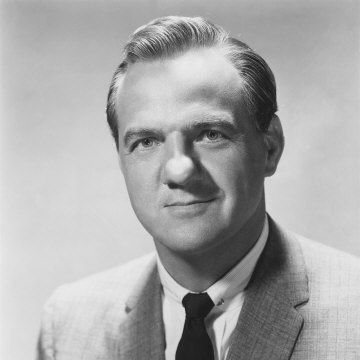
Harold Mitchell, commonly known as Mitch, is a significant character in Tennessee Williams' "A Streetcar Named Desire." As one of Stanley Kowalski's poker-playing friends, Mitch stands out for his more sensitive and gentlemanly demeanour. Unlike Stanley's aggressive masculinity, Mitch exhibits a quieter, more vulnerable side. His relationship with Blanche DuBois provides a contrasting dynamic to the turbulent interactions between Blanche and Stanley, highlighting themes of loneliness, desire, and the quest for genuine connection.
Key Moments in the Play
- First Meeting with Blanche (Scene 3): Mitch meets Blanche during the poker night at Stanley's apartment. His awkward yet earnest interest in her is evident from the beginning.
"You may teach school but you're certainly not an old maid." - Mitch's compliment shows his immediate attraction to Blanche and his attempt to engage her in conversation.
- Dance and Confession (Scene 6): Mitch takes Blanche out on a date, and they share a dance. During this moment, Blanche opens up about her tragic past.
"I thought you were straight." - Mitch's line reveals his disappointment when he learns about Blanche's true nature, indicating his initial idealisation of her.
- Confrontation (Scene 9): Mitch confronts Blanche after learning about her sordid past from Stanley. His disappointment and anger come to the fore.
"You lied to me, Blanche." - Mitch's accusation underscores his sense of betrayal and the shattering of his illusions about Blanche.
- Attempted Intimacy and Rejection (Scene 9): Mitch attempts to force intimacy with Blanche but ultimately rejects her when she resists.
"I'll kill you if you don't!" - This line reflects Mitch's internal conflict and desperation for a genuine connection, despite his disillusionment.
Key Themes
- Loneliness and Desire: Mitch's character embodies the theme of loneliness and the human desire for companionship. His relationship with Blanche highlights his quest for love and acceptance.
- Masculinity and Vulnerability: Unlike Stanley, Mitch's version of masculinity includes sensitivity and vulnerability, offering a nuanced portrayal of male identity.
- Illusion vs. Reality: Mitch's initial idealisation of Blanche contrasts with the harsh reality he discovers, emphasising the play's exploration of appearance versus truth.
Key Quotes
"You may teach school but you're certainly not an old maid." (Scene 3)
- Mitch's compliment reveals his immediate attraction to Blanche and his attempt to connect with her.
- This quote highlights Mitch's earnestness and his contrasting demeanour to Stanley's brashness.
"I thought you were straight." (Scene 6)
- Mitch expresses his disappointment upon learning about Blanche's true past, showing his initial idealisation of her.
- This quote underscores the theme of illusion versus reality, as Mitch grapples with the dissonance between his perceptions and the truth.
"You lied to me, Blanche." (Scene 9)
- Mitch's accusation reflects his sense of betrayal and the shattering of his illusions about Blanche.
- This quote highlights the theme of deception and the impact of truth on personal relationships.
"I'll kill you if you don't!" (Scene 9)
- Mitch's desperate threat during his attempted intimacy with Blanche reveals his internal conflict and vulnerability.
- This quote underscores the complexity of Mitch's character, blending his desire for genuine connection with his disillusionment.