Context & Writers Techniques (Edexcel A-Level English Literature): Revision Notes
📚Revision Notes
Context & Writer's Techniques
Context in 'Les Blancs'
Lorraine Hansberry: Life and Background
Early Life
-
Born in 1930 in Chicago, Illinois, USA.
-
Grew up in a politically active family; her father was a real estate broker who fought against racial segregation. Activism
-
Involved in the Civil Rights Movement.
-
Advocated for racial equality, gender equality, and human rights through her works and personal life. Career
-
Known for her groundbreaking work in theatre and literature.
-
The first African-American woman to have a play performed on Broadway with "A Raisin in the Sun" (1959).
-
"Les Blancs," her last play, was completed posthumously by her ex-husband Robert Nemiroff.
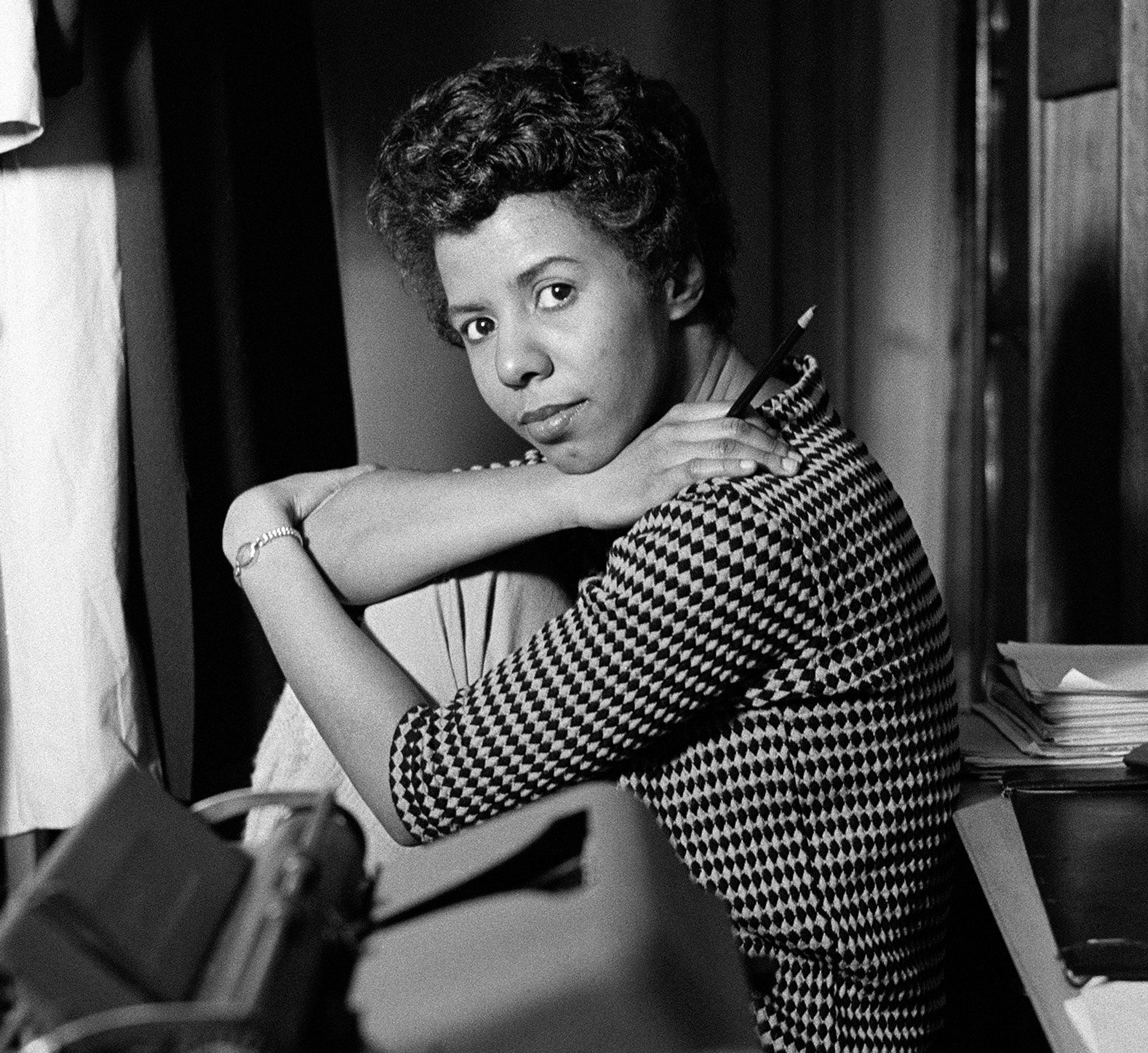
Lorraine Hansberry
Relevance to "Les Blancs":
- Hansberry's personal experiences with racial injustice and her activism inform the play's exploration of colonialism and racial tensions.
- Her deep understanding of African and African-American struggles for liberation is evident in the play.
History of "Les Blancs"
Writing and Performance
-
Written in the early 1960s, completed and performed posthumously in 1970.
-
Premiered at the Longacre Theatre on Broadway. Reception
-
Received critical acclaim for its powerful message and complex characters.
-
Praised for its bold examination of colonialism and its impact on both the colonisers and the colonised. Performance History
-
Continues to be performed and studied for its profound commentary on race and colonialism.
-
Revived in various theatre productions, highlighting its timeless relevance.
Literary Contexts
Genre of the Play
-
Tragedy and Political Drama: Combines elements of tragedy with political drama.
-
Focuses on serious themes such as colonialism, identity, and liberation.
-
Epic Theatre Influence: Reflects the influence of epic theatre, aiming to provoke critical thinking and social change rather than mere entertainment. Historical and Political Context
-
Post-Colonial Era: Set against the backdrop of African nations gaining independence from colonial rule in the mid-20th century.
-
Reflects the political tensions and struggles for power during this period. Cultural and Social Context
-
Colonialism and Its Aftermath: Examines the impact of European colonialism on African societies.
-
Portrays the cultural, social, and psychological effects of colonial domination.
-
Race and Identity: Explores themes of racial identity and the dynamics between the colonisers and the colonised.
-
Highlights the internal conflicts faced by individuals caught between two worlds. Philosophical Context
-
Existentialism and Humanism: Engages with existential themes, questioning the meaning of freedom, identity, and human existence.
-
Emphasises human dignity and the struggle for self-determination. Religious Context
-
Spirituality and Conflict: Addresses the role of religion and spirituality in the context of colonialism.
-
Depicts the clash between traditional African spiritual beliefs and imposed Western religions.
Useful Contextual Concepts
- Post-Colonialism: Understand the themes of post-colonialism, including the struggle for independence and the effects of colonial rule on societies.
- Colonialism and Identity: Be aware of the play's exploration of the impact of colonialism on racial identity and cultural dynamics.
- Race and Liberation: Look for the play's examination of racial tensions, liberation movements, and the fight for human dignity.
- Epic Theatre: Recognise the influence of epic theatre, which aims to provoke critical thinking and social change.
- Existentialism: Familiarise with existential themes, particularly the search for meaning, freedom, and self-determination.
Writer's Techniques in 'Les Blancs'
Realism
Authentic Dialogue
-
Hansberry uses realistic dialogue to capture the speech patterns and vernacular of the characters, reflecting their cultural and socio-economic backgrounds.
-
Example: Tshembe Matoseh's interactions with his family and fellow villagers highlight his complex identity and the tension between his African heritage and Western education. Detailed Setting
-
The play's setting in a fictional African country undergoing colonial unrest is vividly described, creating a strong sense of place.
-
Example: The descriptions of the mission compound and the surrounding village emphasise the stark contrasts and the tensions between the colonisers and the indigenous population.
Symbolism
Fire and Light
-
Fire is a recurring symbol representing both destruction and the possibility of rebirth and change.
-
Example: The fire at the mission signifies the burning desire for freedom and the destructive consequences of colonialism. The Drums
-
The sound of drums symbolises the heartbeat of Africa and the call to action for its people.
-
Example: The persistent drumming heard throughout the play underscores the rising tension and the inevitable confrontation.
Flashbacks and Non-linear Structure
Temporal Shifts
-
Hansberry employs flashbacks to reveal the characters' backstories and the historical context of colonial oppression.
-
Example: Tshembe's recollections of his childhood and his mother's teachings provide insight into his internal conflict and his sense of duty to his homeland. Character Development
-
The non-linear structure allows for a deeper exploration of the character's motivations and transformations over time.
-
Example: Tshembe's journey from a detached observer to an active participant in the revolution is revealed through these temporal shifts.
Use of Sound and Music
Drumming
-
The constant presence of drumming throughout the play acts as an auditory motif that represents the persistent call for resistance.
-
Example**:** The drumming grows louder and more intense during moments of heightened tension and conflict. Songs and Chants
-
Traditional African songs and chants are used to evoke the cultural heritage of the characters and to contrast with the colonial influences.
-
Example**:** The villagers' songs celebrate their history and unity, while also mourning their losses.
Characterisation
Complex Characters
-
Hansberry creates multi-dimensional characters who embody the struggles and conflicts of a colonised nation.
-
Example: Tshembe Matoseh is portrayed as a man torn between his Western education and his African roots, reflecting the broader theme of identity crisis. Use of Dialogue
-
The dialogue reveals the characters' inner conflicts and the socio-political dynamics at play.
-
Example: The conversations between Tshembe and his brothers reveal differing perspectives on resistance and collaboration.
Use of Stage Directions
Detailed Descriptions
-
Hansberry's stage directions provide detailed descriptions of settings, actions, and even the emotions of characters, enhancing the play's depth.
-
Example: The opening stage directions describe the mission compound and its surroundings, setting the tone for the entire play. Atmosphere Creation
-
The stage directions help create the atmosphere and mood of the play.
-
Example: The use of lighting and sound in the final scenes enhances the dramatic tension and the sense of impending change.