Context & Writers Techniques (Edexcel A-Level English Literature): Revision Notes
📚Revision Notes
Context & Writer's Techniques
Context in 'The Rover'
Aphra Behn: Life and Background
Early Life
-
Born in 1640 in Canterbury, England.
-
Little is known about her early life, including her education.
-
Possibly travelled to Suriname in her youth, influencing her later writings. Career
-
One of the first professional female writers in English literature.
-
Worked as a spy for Charles II, which left her in financial distress.
-
Turned to writing to support herself, becoming a prolific playwright, poet, and novelist.
-
Known for her strong female characters and themes of gender and power. Notable Works
-
"Oroonoko," a novel that critiques slavery and colonialism.
-
Several plays, including "The Rover," which became one of her most famous works.
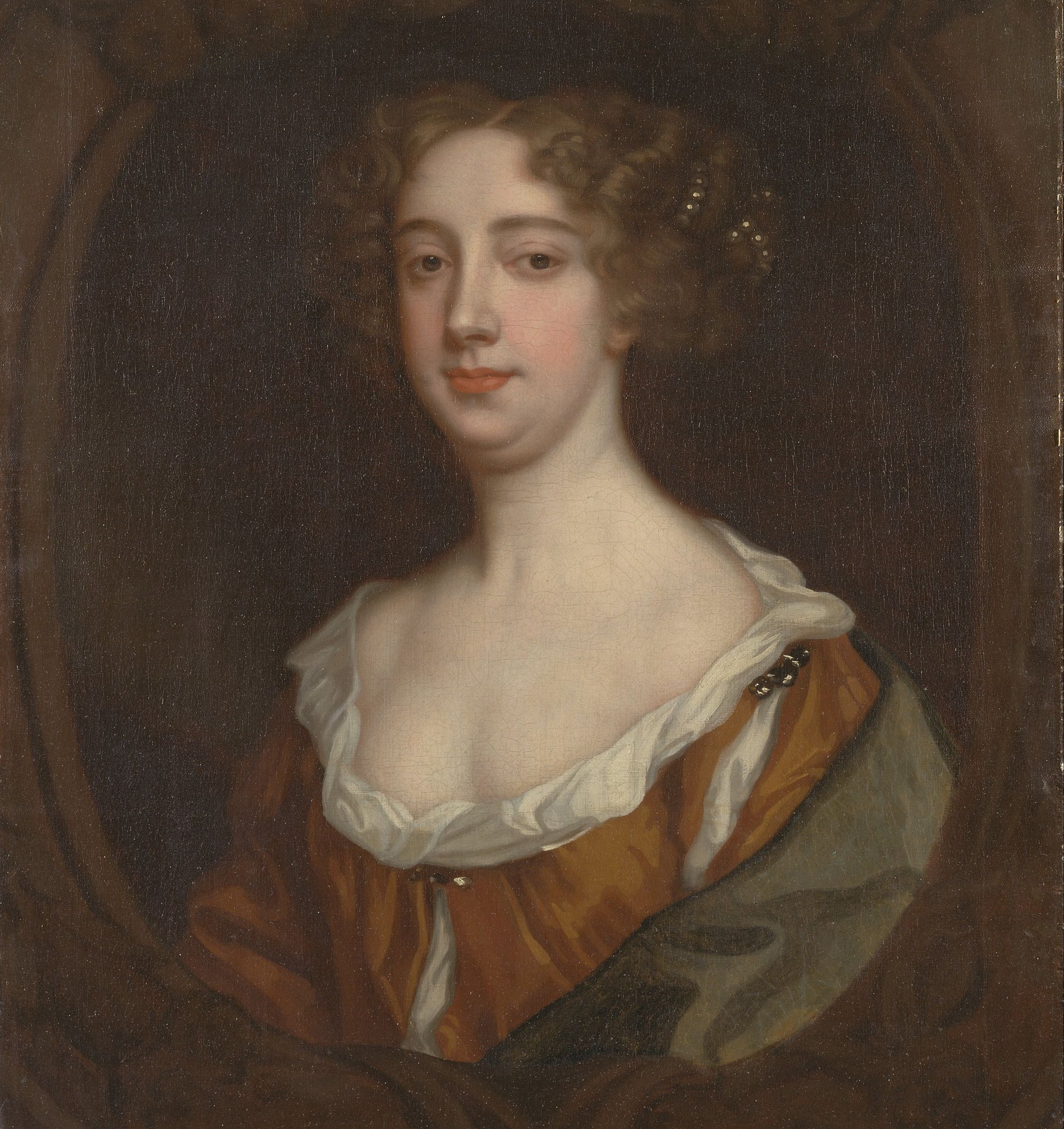
Aphra Behn
Relevance to "The Rover":
- Behn's experiences in a male-dominated society influenced her portrayal of gender roles and power dynamics.
- Her work as a spy and her precarious financial situation are reflected in the themes of deception and survival.
History of "The Rover"
Writing and Performance
-
Written and first performed in 1677 during the Restoration period.
-
Premiered by the Duke's Company at the Dorset Garden Theatre. Reception
-
Initially received with great success and popularity.
-
Praised for its wit, lively characters, and engaging plot. Performance History
-
Remained popular throughout the Restoration and into the 18th century.
-
Frequently revived in modern times, with contemporary interpretations highlighting its feminist themes.
Literary Contexts
Genre of the Play
-
Restoration Comedy: Classified as a Restoration comedy, known for its witty dialogue and satirical portrayal of society.
-
Features elements of farce, intrigue, and romantic entanglements.
-
Comedy of Manners: Satirises the manners and affectations of social classes, particularly the aristocracy. Historical and Political Context
-
Restoration England: Set against the backdrop of the Restoration period, following the return of Charles II to the throne in 1660.
-
A time of relative political stability, increased social mobility, and cultural flourishing. Cultural and Social Context
-
Gender Roles and Power: Explores the limitations and expectations placed on women in a patriarchal society.
-
The play's female characters often subvert traditional gender roles and assert their autonomy.
-
Libertinism and Social Critique: Reflects the libertine culture of the Restoration court, with its emphasis on pleasure and hedonism.
-
Critiques the double standards and moral hypocrisy of the aristocracy. Philosophical Context
-
Individualism and Autonomy: Highlights the struggle for personal freedom and autonomy, particularly for women.
-
Characters navigate social constraints through wit, disguise, and deception. Religious Context
-
Moral Ambiguity: The play's depiction of moral ambiguity and the pursuit of pleasure reflects contemporary attitudes towards religion and morality.
-
Challenges traditional notions of virtue and vice.
Useful Contextual Concepts
- Restoration Comedy: Understand the characteristics of Restoration comedy, including its satirical portrayal of society and emphasis on wit and intrigue.
- Restoration Period: Recognise the social and political context of Restoration England, with its cultural flourishing and shifting social norms.
- Gender Roles: Be aware of the play's exploration of gender roles and the limitations placed on women in a patriarchal society.
- Libertinism: Familiarise with the libertine culture of the Restoration court, which influences the play's themes of pleasure and hedonism.
- Individualism and Autonomy: Look for the characters' struggles for personal freedom and autonomy within the social constraints of the time.
Writer's Techniques in 'The Rover'
Realism
Authentic Dialogue
-
Behn employs realistic dialogue to reflect the characters' socio-economic backgrounds and to enhance the authenticity of their interactions.
-
The characters' use of period-appropriate language helps to establish a believable setting in 17th-century Naples. Detailed Setting
-
The play is set in Naples during Carnival time, a setting that is richly described through the characters' interactions and activities.
-
This setting not only provides a vibrant and festive backdrop but also allows for the exploration of themes such as disguise, freedom, and social boundaries.
Comedy and Farce
Humorous Situations
-
Behn uses comedic elements and farcical situations to entertain the audience while addressing serious themes.
-
The mistaken identities, disguises, and romantic entanglements are central to the play's comedic structure. Exaggerated Characters
-
Characters such as Willmore, the charming and roguish rover, are portrayed with exaggerated traits that heighten the comedic effect.
-
His flirtatious nature and witty banter make him both a source of humour and a commentary on libertinism.
Feminist Undertones
Strong Female Characters
-
Behn presents strong and complex female characters who challenge societal norms.
-
Characters like Hellena and Florinda actively pursue their desires and assert their independence, reflecting Behn's proto-feminist views. Critique of Patriarchy
-
The play critiques the patriarchal society by highlighting the limitations and injustices faced by women.
-
The female characters' efforts to navigate and subvert these constraints are central to the plot.
Use of Disguise and Mistaken Identity
Disguise as a Plot Device
-
Disguise plays a crucial role in the plot, allowing characters to explore different aspects of their identities and challenge social norms.
-
Hellena disguises herself as a gypsy to interact freely with Willmore and pursue her romantic interests. Mistaken Identity
-
Mistaken identity leads to humourous and dramatic situations, driving the plot forwards.
-
These moments of confusion often result in critical revelations and resolutions, as seen in the mistaken courtship scenes.
Symbolism
Carnival as a Symbol
-
The Carnival setting symbolises freedom and the temporary suspension of social norms.
-
It provides a space where characters can explore their desires and challenge societal expectations without the usual constraints. Costumes and Masks
-
Costumes and masks are symbolic of the characters' attempts to conceal their true identities and intentions.
-
This symbolism underscores the themes of deception, appearance versus reality, and the fluidity of identity.
Language and Wit
Witty Dialogue
-
Behn's use of witty and sharp dialogue enhances the play's comedic and intellectual appeal. Characters frequently engage in verbal sparring, showcasing their intelligence and humour. Double Entendres and Wordplay
-
The play is rich with double entendres and wordplay, which not only entertain but also add layers of meaning.
-
These linguistic techniques allow Behn to address risqué and controversial topics subtly.
Social and Political Commentary
Critique of Libertinism
-
Through characters like Willmore, Behn critiques the libertine lifestyle, highlighting its superficiality and the consequences of its excesses.
-
Willmore's actions and their impact on the female characters provide a nuanced view of libertinism. Reflection on Colonialism
-
The play subtly reflects on colonialism and its implications.
-
References to foreign lands and the characters' interactions with these concepts offer a critique of the colonial attitudes of the time.