Context & Writers Techniques (Edexcel A-Level English Literature): Revision Notes
📚Revision Notes
Context & Writer's Techniques
Context in 'Measure for Measure
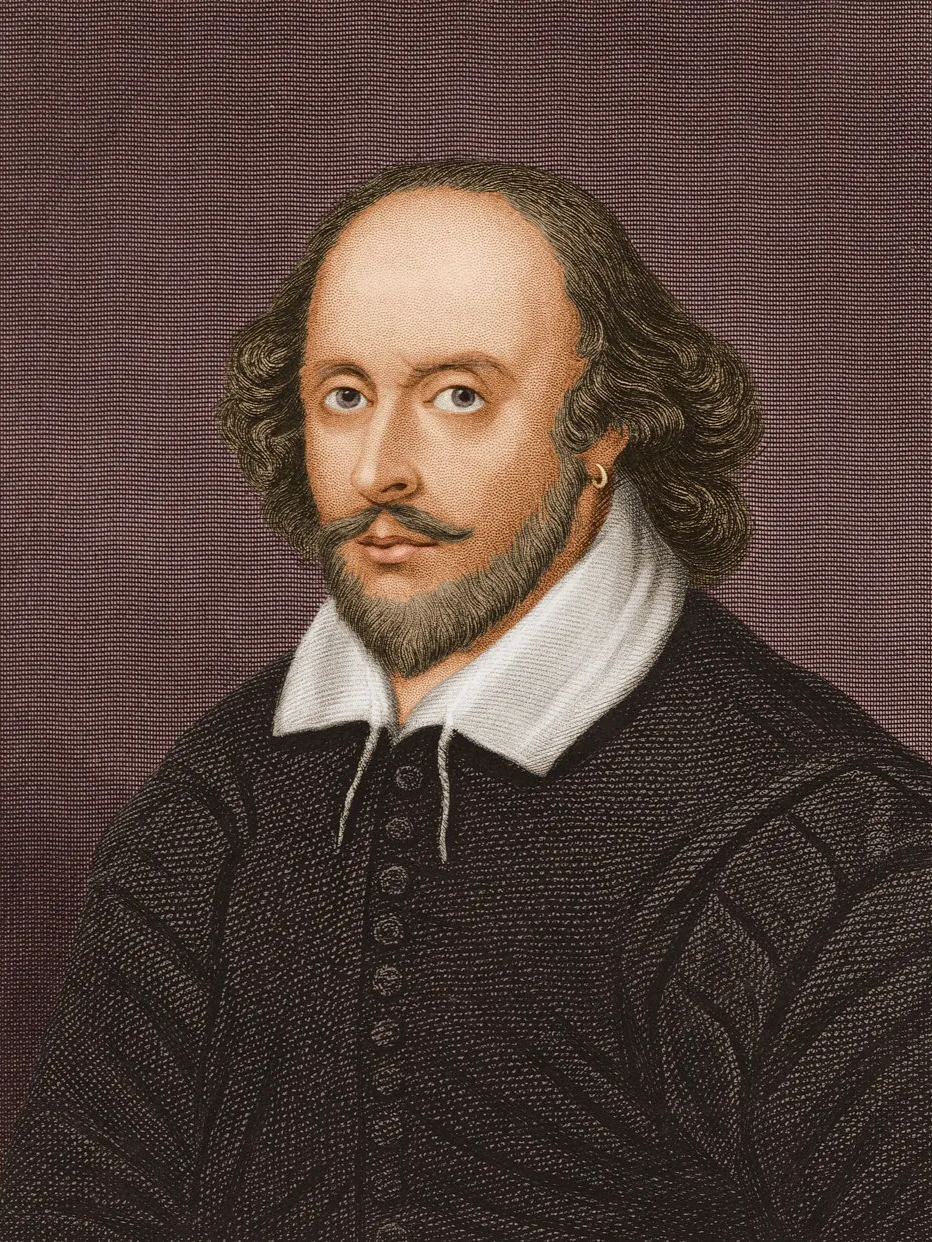
Shakespeare's Life
- Born in April 1564 in Stratford-upon-Avon, England.
- Attended a local grammar school, where he studied Latin and classical texts.
- Moved to London in the late 1580s to pursue a career in theatre.
- Became a prominent playwright and actor by 1592.
- Wrote for the acting troupe Lord Chamberlain's Men, later known as the King's Men.
- Married Anne Hathaway in 1582; had three children: Susanna, Hamnet, and Judith.
- Hamnet, his only son, died at age 11.
- Died in April 1616 at age 52.
History of the Play
-
Written in 1603-1604.
-
Likely first performed by the King's Men at the court of King James I on December 26, 1604.
-
Initial reception was mixed, with some audiences appreciating its exploration of justice and morality, while others found its themes unsettling.
-
Early performances intrigued audiences with its blend of dark comedy and serious themes.
-
Adapted and performed in various forms over the centuries, with notable adaptations by Peter Brook (1950) and modern interpretations exploring its relevance to contemporary issues. Textual History
-
First Folio (1623): The first printed version of "Measure for Measure" was included in Shakespeare's First Folio.
-
No Quarto Versions: Unlike many of Shakespeare's other plays, there were no earlier quarto editions.
-
Modern Editions: Modern editions often rely on the First Folio, with editors making decisions on textual emendations and interpretations.
Literary Contexts
The Genre of the Play
-
Problem Play: "Measure for Measure" is often classified as a "problem play" due to its blend of dark comedy, serious themes, and ambiguous resolution.
-
Comedy: Contains elements of comedy, including misunderstandings, disguises, and a marriage resolution, but also delves into serious moral and ethical issues. Historical and Political Context
-
Jacobean Era: Written during the early reign of King James I, reflecting contemporary concerns about governance, justice, and morality.
-
Political Unrest: Reflects the tension and political uncertainty of the time, including issues of corruption, law enforcement, and the role of the monarchy.
-
Social Justice: Engages with debates about social justice, the enforcement of laws, and the use of mercy versus strict punishment. Philosophical Context
-
Renaissance Humanism: Influenced by Renaissance humanism, emphasising the complexity of human nature, morality, and individual responsibility.
-
Ethics and Morality: Explores ethical dilemmas and the nature of justice, mercy, and forgiveness, reflecting philosophical debates of the time. Cultural and Social Context
-
Social Hierarchy and Class: Reflects the rigid social hierarchy and class distinctions of the time, highlighting issues of power and authority.
-
Gender Roles and Patriarchy: Explores the roles and expectations of men and women, particularly through the characters of Isabella and Angelo.
-
Virtue and Vice: Central themes of virtue and vice, especially in the context of sexual morality and the use of power.
-
Religious Undertones: Reflects the religious climate of the time, with themes of sin, repentance, and redemption playing significant roles.
-
Justice and Mercy: Central themes of justice and mercy, particularly in the administration of law and the exercise of power.
-
Power and Corruption: Explores the corrupting influence of power and the potential for redemption, particularly through the characters of Angelo and the Duke.
-
Hypocrisy and Morality: Critiques hypocrisy and the disparity between public morality and private behaviour, especially in the context of sexual politics. Literary Influences
-
Classical Sources: Influenced by works of Roman playwrights such as Seneca and Plautus, especially in the use of moral dilemmas and comedic elements.
-
Contemporary Works: Draws on contemporary sources, including George Whetstone's play "Promos and Cassandra" (1578) and Italian novelle.
Writer's Techniques in 'Measure for Measure'
Language and Diction
Verse and Prose
-
Blank Verse: Primarily used by noble characters, lending their speech a formal and elevated tone. For example, the Duke and Angelo often speak in blank verse.
-
Prose: Utilised by lower-status characters and in more informal, comedic, or intimate scenes, adding realism and variety. Characters like Pompey and Lucio often speak in prose. Imagery and Metaphor
-
Light and Dark Imagery: Reflects the themes of morality, justice, and corruption.
-
Examples: Angelo's inner corruption is often contrasted with his outward appearance of purity and virtue.
-
Religious and Legal Imagery: Used to underscore the play's exploration of justice, mercy, and morality.
-
Examples: The frequent use of religious language and imagery by Isabella highlights her moral and spiritual dilemmas. Symbolic Language
-
Symbols of Authority: The Duke's disguise and the use of symbols like the "head" in the substitution plot highlight themes of authority and governance.
-
Chastity and Corruption: The contrast between Isabella's purity and the corruption around her emphasises the moral conflicts at the heart of the play.
Structure and Plot Devices
Problem Play Structure
-
Blending of Genres: The play mixes elements of comedy and tragedy, often referred to as a "problem play" due to its complex moral and ethical issues.
-
Five-Act Structure: Follows the traditional five-act structure, with each act contributing to the development and resolution of the central conflicts. Dramatic Irony
-
The audience is often aware of information that the characters are not, creating tension and highlighting the play's themes of deception and disguise.
-
Examples: The Duke's disguise as Friar Lodowick allows him to manipulate events and characters while remaining hidden.
Substitution and Disguise
- Key plot devices that drive the action and underscore themes of justice and mercy.
- Examples: The bed trick, where Mariana takes Isabella's place, and the Duke's disguise both serve to resolve the play's conflicts and reveal character motivations.
Characterization Techniques
Complex Characters
-
Shakespeare develops multifaceted characters whose moral ambiguities reflect the play's themes.
-
Duke Vincentio: A complex figure who manipulates events from behind the scenes, embodying both justice and mercy.
-
Angelo: A hypocritical and morally rigid character whose fall from grace highlights the play's exploration of human frailty and corruption. Soliloquies and Asides
-
These provide insight intthe o characters' inner thoughts and moral dilemmas.
-
Examples: Angelo's soliloquies reveal his internal struggle with his lust for Isabella and his hypocritical nature.
-
Isabella's Soliloquies: Offer a window into her moral and spiritual conflicts, particularly regarding her chastity and her brother's life. Dynamic Interactions
-
The interactions between characters, especially in moments of moral or ethical conflict, are pivotal to the play's dramatic tension.
-
Examples: The confrontations between Isabella and Angelo are charged with moral and sexual tension, highlighting the power dynamics at play.
Dramatic Techniques
Irony and Paradox
-
Shakespeare employs irony and paradox to underscore the play's themes of justice, morality, and hypocrisy.
-
Examples: The paradox of Angelo's strict enforcement of morality laws while hf succumbs to immoral desires. Symbolism and Motifs
-
Disguise and Deception: Central motifs that drive the plot and highlight themes of appearance versus reality.
-
Justice and Mercy: Explored through the actions and decisions of the Duke, Angelo, and Isabella. Catharsis and Resolution
-
Catharsis: The resolution of the play's conflicts provides a sense of catharsis, as justice is ultimately served and mercy is granted.
-
Complex Resolution: The play's ending leaves some questions unresolved, reflecting its status as a problem play and inviting the audience to ponder the moral issues presented.
Sound and Rhythm
Alliteration and Assonance
- Shakespeare uses alliteration and assonance to enhance the musicality and emotional impact of the dialogue.
- Examples: The rhythmic quality of Isabella's speeches emphasises her moral fervour and emotional intensity.
Stagecraft and Theatricality
Visual Spectacle
-
Shakespeare's stage directions and descriptions create powerful visual spectacles, such as the Duke's public trials and the various scenes of disguise.
-
Effect: These elements enhance the dramatic impact and underscore the play's exploration of authority and justice. Use of Props and Costumes
-
Props and costumes play a significant role in the play's theatricality, especially in scenes of disguise and substitution.
-
Examples: The Duke's friar's habit and the bed trick involving Mariana are key elements that drive the plot and symbolise the themes of deception and justice.