Context & Writers Techniques (Edexcel A-Level English Literature): Revision Notes
📚Revision Notes
Context & Writer's Techniques
Context in 'The Taming of the Shrew'
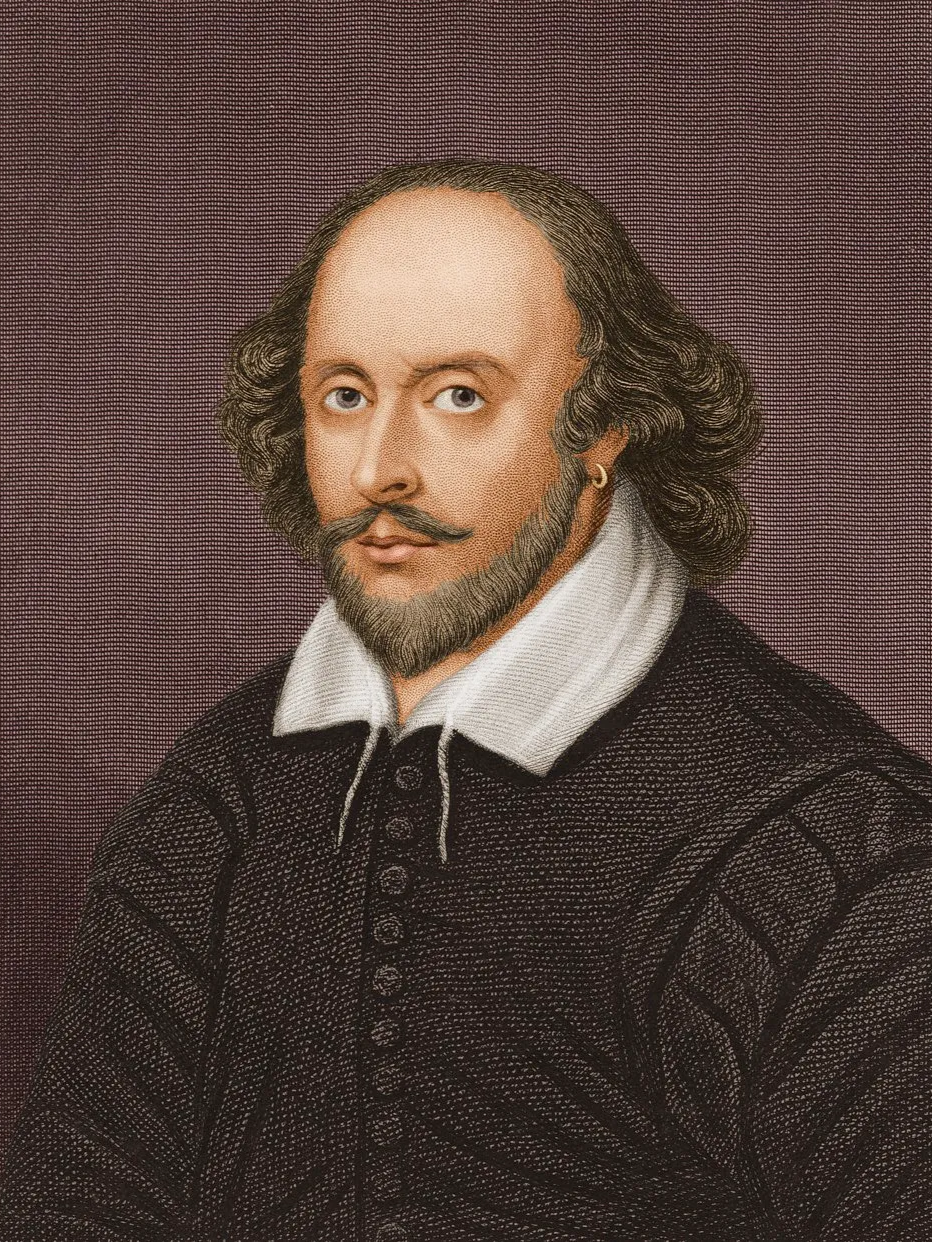
Shakespeare's Life
- Born in April 1564 in Stratford-upon-Avon, England.
- Attended a local grammar school, where he studied Latin and classical texts.
- Moved to London in the late 1580s to pursue a career in theatre.
- Became a prominent playwright and actor by 1592.
- Wrote for the acting troupe Lord Chamberlain's Men, later known as the King's Men.
- Married Anne Hathaway in 1582; had three children: Susanna, Hamnet, and Judith.
- Hamnet, his only son, died at age 11.
- Died in April 1616 at age 52.
History of the Play
-
Written between 1590 and 1592.
-
Likely first performed in the early 1590s by Pembroke's Men or the Lord Chamberlain's Men.
-
Initial reception was mixed, with some appreciating its comedic elements while others were unsettled by its treatment of gender roles.
-
Early performances were popular due to the play's humour and vibrant characters.
-
Adapted and performed in various forms over the centuries, with notable adaptations including the musical "Kiss Me, Kate" (1948) and film versions like Franco Zeffirelli's 1967 adaptation. Textual History
-
First Folio (1623): The first printed version of "The Taming of the Shrew" is included in Shakespeare's First Folio.
-
First Quarto (1594): An earlier version of the play, "The Taming of a Shrew," was published in quarto, though it is debated whether this is a different play or an earlier draught.
-
Modern Editions: Modern editions often rely on the First Folio, with editors comparing it to the earlier Quarto to understand textual variations.
Literary Contexts
The Genre of the Play
-
Comedy: "The Taming of the Shrew" is a comedy, characterised by its humourous elements, misunderstandings, and eventual resolution in marriage.
-
Farce: Contains elements of farce, including exaggerated characters, physical humour, and slapstick. Historical and Political Context
-
Elizabethan Era: Written during the Elizabethan era, reflecting contemporary social norms and values, particularly regarding marriage and gender roles.
-
Patriarchy: Reflects the patriarchal society of the time, exploring themes of male authority and female obedience.
-
Social Order: Engages with issues of social order and hierarchy, particularly through the dynamics of marriage and family. Philosophical Context
-
Renaissance Humanism: Influenced by Renaissance humanism, emphasising individual potential and the exploration of human behaviour.
-
Debates on Gender: Reflects and contributes to contemporary debates on gender roles, marriage, and the nature of relationships between men and women. Cultural and Social Context
-
Social Hierarchy and Class: Reflects the social hierarchy of the time, with characters from different social classes interacting and influencing each other.
-
Gender Roles and Marriage: Explores the roles and expectations of men and women, particularly through the taming of Katherina and her eventual transformation.
-
Education and Wit: Highlights themes of education, wit, and intelligence, particularly through the characters of Petruchio and Katherina.
-
Public vs. Private: Examines the public and private spheres of life, especially in the context of marriage and domestic life. Socio-Political Themes
-
Gender and Power: Central themes of gender and power, particularly in the context of marriage and the dynamics between Petruchio and Katherina.
-
Obedience and Independence: Explores the tension between obedience and independence, highlighting the complexities of Katherina's transformation.
-
Social Conformity: Critiques social conformity and the pressure to adhere to societal expectations, particularly regarding gender roles and behaviour. Literary Influences
-
Classical Sources: Influenced by works of Roman playwrights such as Plautus and Terence, particularly in its use of stock characters and comedic elements.
-
Italian Commedia dell'arte: Draws on elements of Italian Commedia dell'arte, including its structure and character types.
-
English Folklore and Ballads: Incorporates elements of English folklore and popular ballads about shrewish wives and their taming.
Writer's Techniques in 'The Taming of the Shrew'
Language and Diction
Verse and Prose
-
Blank Verse: Primarily used by the noble characters, lending their speech a formal and elevated tone. For example, Petruchio often speaks in blank verse when expressing his intentions.
-
Prose: Employed in more informal, comedic, or intimate scenes, often among lower-status characters or during moments of high emotion or humour, such as the interactions between servants and the humourous exchanges between characters like Grumio and Curtis. Imagery and Metaphor
-
Animal Imagery: Frequent use of animal metaphors, especially in describing Katherina and her behaviour, emphasising themes of taming and control.
-
Examples: Katherina is often compared to a shrew and other wild animals, underscoring the play's central theme of taming.
-
War and Hunting Metaphors: Petruchio frequently uses metaphors related to war and hunting to describe his approach to taming Katherina.
-
Examples: Petruchio describes his marriage to Katherina as a conquest and their relationship in terms of hunting and capturing. Symbolic Language
-
Clothing and Disguise: Clothing serves as a symbol of identity and transformation throughout the play, especially in the induction and in Petruchio's treatment of Katherina.
-
Examples: Petruchio's outlandish wedding attire symbolises his unconventional approach to taming Katherina and his challenge to social norms.
Structure and Plot Devices
Induction
-
The play begins with an induction, a framing device that sets up the main story as a play within a play.
-
This technique creates a layer of meta-theatricality, encouraging the audience to consider themes of role-playing and transformation.
-
Effect: The induction highlights the artificiality of social roles and expectations, mirroring the main plot's exploration of gender roles and behaviour. Disguise and Role-Playing
-
Disguises and mistaken identities are central plot devices, driving the comedic misunderstandings and deceptions.
-
Examples: Lucentio and Tranio switch roles to court Bianca, and the subplot involving the Pedant posing as Vincentio adds to the comedic confusion. Parallel Plots
-
The main plot of Petruchio and Katherina's relationship is paralleled by the subplot of Lucentio and Bianca, providing contrast and commentary on themes of love, marriage, and social norms.
-
Effect: The parallel plots allow for a multifaceted exploration of the themes and add complexity to the narrative structure.
Characterization Techniques
Complex Characters
-
Shakespeare creates multidimensional characters whose interactions reflect the play's themes of power, control, and transformation.
-
Katherina: Initially portrayed as a shrewish and independent woman, her character undergoes significant development as she navigates her relationship with Petruchio.
-
Petruchio: A confident and unconventional suitor whose methods of taming Katherina are both controversial and central to the play's themes. Soliloquies and Asides
-
These provide insight into characters' inner thoughts and motivations, often adding to the comedic or dramatic effect.
-
Examples: Petruchio's soliloquies reveal his intentions and strategies for taming Katherina, offering a window into his character. Dynamic Interactions
-
The interactions between characters, particularly Petruchio and Katherina, are marked by wit, wordplay, and power struggles.
-
Examples: The verbal sparring between Petruchio and Katherina showcases their dynamic relationship and highlights themes of dominance and submission.
Dramatic Techniques
Irony and Paradox
-
Shakespeare employs irony and paradox to underscore the play's themes of appearance versus reality and the fluidity of social roles.
-
Examples: The irony of Petruchio's outrageous behaviour and Katherina's eventual transformation challenges the audience's expectations and social norms. Symbolism and Motifs
-
Clothing and Appearance: Serve as symbols of identity and social status, as well as tools for disguise and transformation.
-
Marriage and Taming: Central motifs that drive the plot and explore themes of power, control, and societal expectations. Comic Relief
-
The humourous antics of characters like Grumio and the various misunderstandings provide comic relief and lighten the mood.
Sound and Rhythm
Alliteration and Assonance
- Shakespeare uses alliteration and assonance to enhance the musicality and emotional impact of the dialogue.
- Examples: The playful and rhythmic language in the banter between Petruchio and Katherina adds to the comedic effect.
Stagecraft and Theatricality
Visual Spectacle
-
Shakespeare's stage directions and descriptions create powerful visual spectacles, particularly in the induction and the wedding scene.
-
Effect: These elements enhance the dramatic impact and underscore the play's exploration of appearance and reality. Use of Props and Costumes
-
Props and costumes play a significant role in the play's theatricality, especially in scenes of disguise and transformation.
-
Examples: The significance of Petruchio's wedding attire and the various disguises used by characters add to the play's exploration of identity and social roles.