Context & Writers Techniques (Edexcel A-Level English Literature): Revision Notes
📚Revision Notes
Context & Writer's Techniques
Context in 'Twelfth Night'
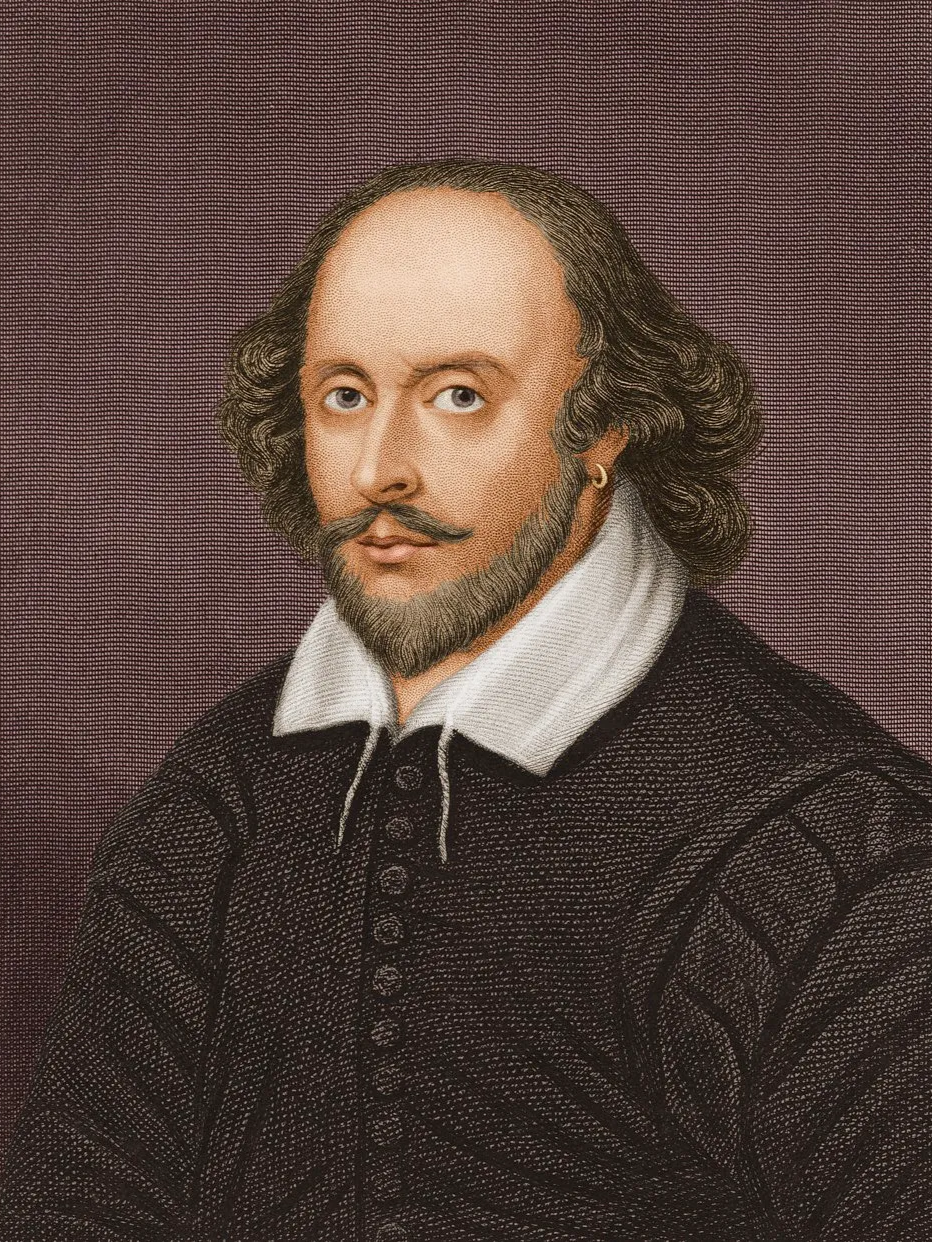
Shakespeare's Life
- Born in April 1564 in Stratford-upon-Avon, England.
- Attended a local grammar school, where he studied Latin and classical texts.
- Moved to London in the late 1580s to pursue a career in theatre.
- Became a prominent playwright and actor by 1592.
- Wrote for the acting troupe Lord Chamberlain's Men, later known as the King's Men.
- Married Anne Hathaway in 1582; had three children: Susanna, Hamnet, and Judith.
- Hamnet, his only son, died at age 11.
- Died in April 1616 at age 52.
History of the Play
-
Written in 1601-1602.
-
Likely first performed on February 2, 1602, at the Middle Temple Hall as part of the Candlemas festivities.
-
The initial reception was very positive, praised for its humour, complexity, and festive spirit.
-
Early performances captivated audiences with their themes of love, mistaken identities, and festive misrule.
-
Adapted and performed in various forms over the centuries, including notable film adaptations like Trevor Nunn's 1996 version and modern stage productions. Textual History
-
First Folio (1623): The first printed version of "Twelfth Night" included in Shakespeare's First Folio.
-
No Earlier Quartos: Unlike many of Shakespeare's other plays, there were no earlier quarto editions.
-
Modern Editions: Modern editions rely on the First Folio, with editors making decisions on textual emendations and interpretations.
Literary Contexts
The Genre of the Play
-
Comedy: "Twelfth Night" is a comedy, characterised by its humourous elements, misunderstandings, and happy resolution.
-
Romantic Comedy: Incorporates elements of romantic comedy, focusing on the trials and tribulations of lovers and the eventual resolution of romantic entanglements. Historical and Political Context
-
Elizabethan and Early Jacobean Era: Written during the transition from the Elizabethan to the Jacobean era, a time of relative political stability and cultural flourishing.
-
Twelfth Night Festivities: Reflects the customs of Twelfth Night, a festival marking the end of the Christmas season characterised by revelry, role reversal, and festive misrule.
-
Social Hierarchy: Engages with issues of social hierarchy and class, particularly through the interactions between characters of different social standings. Philosophical Context
-
Renaissance Humanism: Influenced by Renaissance humanism, emphasising individual potential, the complexity of human emotions, and the exploration of identity.
-
Themes of Appearance vs. Reality: Explores themes of appearance versus reality, particularly through the use of disguise and mistaken identity. Cultural and Social Context
-
Gender Roles and Identity: Explores the fluidity of gender roles and identity, particularly through Viola's disguise as Cesario and the resulting romantic complications.
-
Social Order and Festivity: Reflects the temporary suspension of social order during festive periods, where normal roles and hierarchies are upended.
-
Love and Desire: Central themes of love and desire, examining the complexities and irrational nature of romantic relationships.
-
Class and Servitude: Highlights themes of class and servitude, particularly through the characters of Malvolio and the comic subplot involving the servants. Socio-Political Themes
-
Love and Identity: Central themes of love and identity, particularly through the complications arising from Viola's disguise and the various romantic entanglements.
-
Class and Social Mobility: Explores themes of class and social mobility, especially in the interactions between characters of different social standings.
-
Disguise and Deception: Critiques and celebrates the use of disguise and deception, highlighting both its comedic potential and its impact on personal relationships. Literary Influences
-
Classical Sources: Influenced by Roman comedies of Plautus and Terence, particularly in its use of mistaken identities and comedic elements.
-
Italian Commedia dell'arte: Draws on elements of Italian commedia dell'arte, including its stock characters and plot devices.
-
English Folklore and Festivity: Incorporates elements of English folklore and the festive traditions of Twelfth Night.
Writer's Techniques in 'Twelfth Night'
Language and Diction
Verse and Prose
-
Blank Verse: Used primarily by noble characters and in serious or romantic scenes, lending their speech a formal and elevated tone. For example, Orsino and Viola often speak in blank verse.
-
Prose: Utilised in more informal, comedic, or intimate scenes, often among lower-status characters or during moments of high emotion or humour. For example, the interactions between the servants and the antics of Sir Toby Belch and Sir Andrew Aguecheek. Imagery and Metaphor
-
Nature and Music Imagery: Frequent use of natural and musical metaphors, enhances the play's romantic and whimsical atmosphere.
-
Examples: Orsino's opening speech, "If music be the food of love, play on," sets the tone for the play's exploration of love and desire.
-
Disguise and Transformation: Metaphors related to disguise and transformation underscore the play's themes of identity and deception.
-
Examples: Viola's disguise as Cesario and the resulting misunderstandings highlight the fluidity of identity and gender. Symbolic Language
-
Clothing and Disguise: Clothing serves as a symbol of identity and transformation, playing a crucial role in the plot's comedic misunderstandings and revelations.
-
Examples: Viola's male disguise and the mix-ups it causes with Olivia and Orsino.
-
Fools and Folly: Language associated with foolishness and folly underscores the play's comedic elements and its exploration of human behaviour.
-
Examples: Feste's witty wordplay and songs often contain deeper insights into the nature of love and life.
Structure and Plot Devices
Multiple Plotlines
-
The play interweaves several plotlines involving mistaken identities, romantic entanglements, and comedic subplots, creating a rich tapestry of interconnected stories.
-
Effect: The convergence of these plotlines in the final act highlights the themes of reconciliation and harmony. Dramatic Irony
-
The audience is aware of information that the characters are not, creating humour and enhancing the themes of misunderstanding and deception.
-
Examples: The audience knows Viola's true identity as Cesario, while the other characters remain unaware, leading to comedic situations. Disguise and Mistaken Identity
-
Central plot devices that drive the comedic misunderstandings and explore themes of identity and perception.
-
Examples: Viola's disguise as Cesario, Sebastian's arrival in Illyria, and the resulting confusion with Olivia and Orsino.
Characterization Techniques
Complex Characters
-
Shakespeare creates multidimensional characters whose interactions reflect the play's themes of love, identity, and transformation.
-
Viola/Cesario: A resourceful and empathetic character whose disguise drives much of the plot's action and comedic misunderstandings.
-
Malvolio: A steward whose self-importance and puritanical nature are contrasted with the play's festive and indulgent atmosphere. Soliloquies and Asides
-
These provide insight into characters' inner thoughts and motivations, often adding to the comedic or dramatic effect.
-
Examples: Viola's soliloquies reveal her internal struggle with her disguise and her love for Orsino. Dynamic Interactions
-
The interactions between characters, particularly the romantic entanglements and comedic exchanges, are pivotal to the play's dramatic tension and humour.
-
Examples: The banter between Viola (as Cesario) and Orsino, and the humourous scheming of Maria, Sir Toby, and Sir Andrew.
Dramatic Techniques
Irony and Paradox
-
Shakespeare employs irony and paradox to underscore the play's themes of appearance versus reality and the fluidity of identity.
-
Examples: The irony of characters falling in love with mistaken identities and the paradox of Viola's disguise leading to genuine connections. Symbolism and Motifs
-
Clothing and Appearance: Serve as symbols of identity and social status, as well as tools for disguise and transformation.
-
Fools and Foolishness: Represent the play's exploration of human behaviour and the line between wisdom and folly. Comic Relief
-
The antics of characters like Sir Toby, Sir Andrew, and Feste provide humour and lighten the mood, balancing the romantic and serious elements.
Sound and Rhythm
Alliteration and Assonance
- Shakespeare uses alliteration and assonance to enhance the musicality and emotional impact of the dialogue.
- Examples: The rhythmic quality of Orsino's speeches and the lyrical nature of Feste's songs.
Stagecraft and Theatricality
Use of Props and Costumes
- Props and costumes play a significant role in the play's theatricality, especially in scenes of disguise and transformation.
- Examples: Viola's male attire and the costumes used in the gulling of Malvolio are key elements that drive the plot and symbolise the themes of identity and social roles.