The Lammas Hireling by Ian Duhig (Edexcel A-Level English Literature): Revision Notes
📚Revision Notes
The Lammas Hireling by Ian Duhig
Analysis of the Title
The title "The Lammas Hireling" refers to a labourer hired around Lammas, a traditional festival marking the wheat harvest. The term "hireling" suggests a temporary worker. The title foreshadows the agricultural and mystical elements of the poem, hinting at a story rooted in rural traditions and folklore.
Structure and Form
Form, Metre, and Rhyme
- The poem consists of four sestets (six-line stanzas), written in free verse without a regular rhyme scheme or metre.
- The free verse form allows for a conversational yet fragmented narrative, reflecting the speaker's disturbed state of mind.
Speaker
- The speaker is a farmer recounting a disturbing tale involving a young hireling he employed.
- The speaker's tone shifts from a nostalgic recounting of past events to a confession filled with guilt and paranoia, indicating an unreliable and troubled narrator.
Setting
- The setting shifts from a pastoral farm environment after the Lammas festival to the darker, more surreal landscape of the speaker's guilty conscience.
- The setting underscores the blend of the mundane and the supernatural, typical of folklore.
Poetic Devices
Imagery
- The poem uses vivid and often grotesque imagery to convey the supernatural and the macabre.
Note
For example, "His lovely head thinned. His top lip gathered. / His eyes rose like bread." creates a disturbing image of transformation.
Juxtaposition
- The poem juxtaposes the initial prosperity brought by the hireling with the subsequent horror and guilt following his murder.
- This contrast highlights the themes of suspicion and paranoia.
Alliteration and Consonance
- Alliteration and consonance contribute to the poem's rhythmic quality and tension.
Example
Examples include "disturbed from dreams of my dear late wife" and "stock-still in the light from the dark lantern."
Enjambment
- Enjambment is used extensively to create a sense of urgency and to reflect the speaker's fractured mental state.
- For example, "I hunted down her torn voice to his pale form. / Stock-still in the light from the dark lantern," conveys a continuous, breathless narrative.
Simile
- Similes are used to enhance the vividness of descriptions: "His eyes rose like bread." This simile adds a surreal and unsettling quality to the transformation.
Metaphor
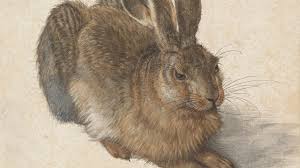
- The transformation of the hireling into a hare serves as a metaphor for the speaker's guilt and paranoia: "I saw him fur over like a stone mossing."
Key Themes
Guilt and Confession
- The poem explores the theme of guilt, as the speaker is haunted by his actions and seeks confession: "Bless me Father for I have sinned. / It has been an hour since my last confession."
Superstition and Folklore
- The poem is steeped in folklore, with references to witches and supernatural transformations, illustrating how superstition influences the speaker's perception and actions: "I knew him a warlock, a cow with leather horns."
Line by Line Analysis
Lines 1-6
After the fair, I'd still a light heart
and a heavy purse, he struck so cheap.
And cattle doted on him: in his time
mine only dropped heifers, fat as cream.
Yields doubled. I grew fond of company
that knew when to shut up. Then one night,
"After the fair, I'd still a light heart"
- The speaker begins by describing a period of happiness and prosperity.
- The phrase "light heart" suggests contentment and satisfaction.
"and a heavy purse, he struck so cheap."
- The speaker's financial gain is highlighted by the "heavy purse."
- The hireling's cheap cost is noted, implying a bargain.
"And cattle doted on him: in his time / mine only dropped heifers, fat as cream."
- The hireling's positive influence on the farm is evident as the cattle thrive.
- The simile "fat as cream" emphasises the healthy condition of the cattle.
"Yields doubled. I grew fond of company / that knew when to shut up. Then one night,"
- The hireling's presence brings about prosperity, doubling yields.
- The speaker appreciates the hireling's silence, hinting at a deeper, possibly repressed, tension.
Lines 7-12
disturbed from dreams of my dear late wife,
I hunted down her torn voice to his pale form.
Stock-still in the light from the dark lantern,
stark-naked but for one bloody boot of fox-trap,
I knew him a warlock, a cow with leather horns.
To go into the hare gets you muckle sorrow,
"disturbed from dreams of my dear late wife,"
- The speaker is troubled by dreams of his deceased wife.
- The word "dear" suggests affection, but also raises questions about the nature of her death.
"I hunted down her torn voice to his pale form."
- The speaker associates his wife's voice with the hireling, creating a link between the two.
- This association foreshadows the ensuing conflict.
"Stock-still in the light from the dark lantern,"
- The hireling is described as motionless, creating an eerie atmosphere.
- The contrast between "light" and "dark" emphasises the scene's tension.
"stark-naked but for one bloody boot of fox-trap,"
- The hireling's nakedness, except for a bloody boot, adds to the grotesque imagery.
- This detail hints at a violent encounter.
"I knew him a warlock, a cow with leather horns."
- The speaker labels the hireling a warlock, blending superstition with reality.
- The metaphor "a cow with leather horns" refers to a hare, linking to folklore.
"To go into the hare gets you muckle sorrow,"
- This line references folklore, suggesting that engaging in witchcraft brings great sorrow.
Lines 13-18
the wisdom runs, muckle care. I levelled
and blew the small hour through his heart.
The moon came out. By its yellow witness
I saw him fur over like a stone mossing.
His lovely head thinned. His top lip gathered.
His eyes rose like bread. I carried him
"the wisdom runs, muckle care. I levelled"
- The speaker reflects on the folklore wisdom that engaging with hares brings sorrow.
- He prepares to act on his suspicion.
"and blew the small hour through his heart."
- The speaker shoots the hireling, metaphorically described as blowing the hour through his heart.
- This act marks a turning point, filled with violence.
"The moon came out. By its yellow witness / I saw him fur over like a stone mossing."
- The moonlight reveals the hireling's transformation, blending reality with the supernatural.
- The simile "like a stone mossing" conveys a slow, natural transformation.
"His lovely head thinned. His top lip gathered. / His eyes rose like bread."
- The hireling's transformation continues, described in unsettling, surreal terms.
- The speaker's description hints at a fascination with the hireling's appearance.
"I carried him"
- The speaker takes the hireling's body, showing his commitment to disposing of the evidence.
Lines 19-24
in a sack that grew lighter at every step
and dropped him from a bridge. There was no
splash. Now my herd's elf-shot. I don't dream
but spend my nights casting ball from half-crowns
and my days here. Bless me Father for I have sinned.
It has been an hour since my last confession.
"in a sack that grew lighter at every step"
- The sack's lightness suggests a supernatural element to the hireling's body.
- The act of carrying the body underscores the speaker's guilt.
"and dropped him from a bridge. There was no / splash."
- The body makes no splash, reinforcing the eerie, supernatural atmosphere.
- This detail heightens the sense of something being fundamentally wrong.
"Now my herd's elf-shot. I don't dream"
- The speaker's herd is now cursed, reflecting his troubled conscience.
- His inability to dream suggests ongoing guilt and insomnia.
"but spend my nights casting ball from half-crowns / and my days here. Bless me Father for I have sinned."
- The speaker makes bullets at night, preparing for further violence or protection.
- His days are spent seeking absolution in church, indicating deep-seated guilt.
"It has been an hour since my last confession."
- The final line reveals the extent of the speaker's torment, confessing his sins frequently.
- This line emphasises the cyclical nature of his guilt and paranoia.