Context (Edexcel A-Level English Literature): Revision Notes
📚Revision Notes
Context
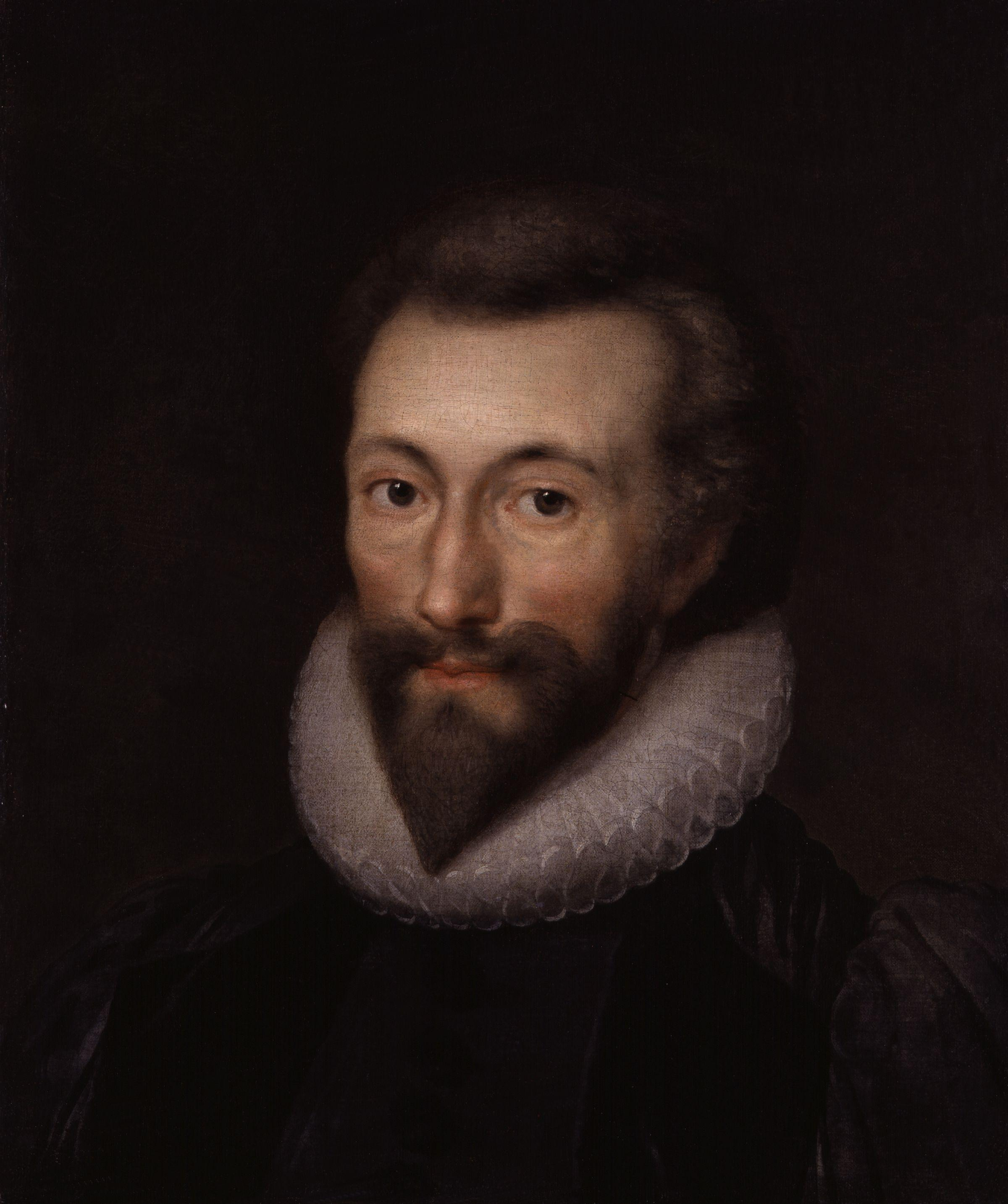
Donne's Life
-
Birth**:** John Donne was born on 22nd January 1572 in London to a Roman Catholic family.
-
Education**:** He attended Hart Hall, Oxford, in 1583, and the University of Cambridge in 1586. He did not receive a degree due to his refusal to take the Oath of Supremacy.
-
Early Career**:** Donne began studying law at Lincoln's Inn in 1592, seemingly destined for a legal or diplomatic career.
-
Religious Turmoil**:** In 1593, Donne's brother Henry was convicted of harbouring a Catholic priest and died in prison, leading Donne to question his Catholic faith.
-
Military Service**:** He fought against the Spanish at Cadiz in 1596 and the Azores in 1597.
-
Marriage**:** In 1601, Donne secretly married Anne More, which led to his imprisonment and loss of his position, leaving the couple in near poverty.
-
Religious Conversion**:** In 1615, Donne converted to Anglicanism and was appointed Royal Chaplain, becoming a respected preacher.
-
Later Life: Donne became Dean of St. Paul's Cathedral in 1621 and continued to write, focusing increasingly on death and spirituality. He died on 31st March 1631.
Literary Influences on Donne's Writing
- Metaphysical Poetry**:** Donne is a leading figure among the Metaphysical poets, known for their intellectual vigour, complex imagery, and use of conceits (striking comparisons of dissimilar things).
- Religious Conflict: His works often reflect his religious struggles, transitioning from Catholicism to Anglicanism, deeply influencing his religious poetry, particularly the Holy Sonnets.
- Classical and Contemporary Sources: Donne drew upon classical literature, contemporary politics, and religious debates, blending them with personal experience to create highly original poetry.
- Influence of Contemporary Poets**:** Donne was influenced by contemporaries such as Ben Jonson, who admired his work, though others like John Dryden and Samuel Johnson were more critical of his style.
- T.S. Eliot and Modern Revival: T.S. Eliot's 1921 essay on the Metaphysical poets revived interest in Donne's work, particularly for its anti-Romantic qualities and intellectual depth.
Themes and Style in Donne's Poetry
- Love and Eroticism: His early poetry often explores themes of love and desire, with complex metaphors and vivid imagery.
- Religion and Spirituality: Donne's later works focus on religion, mortality, and redemption, particularly in his Holy Sonnets and sermons.
- Conceits and Paradoxes: Donne is renowned for his use of conceits, combining seemingly unrelated ideas in a single metaphor, and his use of paradox to explore complex themes.
- Dramatic Tone: His poetry often adopts a conversational or dramatic tone, reflecting the rhetorical style of his sermons.
Donne's Influence and Legacy
- Literary Influence: Donne's work influenced subsequent poets, particularly the Metaphysical school, and later writers like T.S. Eliot.
- Critical Reception: While his style was criticised in the 18th century for being too complex and particular, Donne's reputation was revived in the 20th century as critics appreciated his intellectual approach and emotional depth.
- Continued Relevance: Donne's exploration of universal themes such as love, death, and faith ensures his continued relevance in literary studies.