Holy Sonnet XIV ('Batter my heart') (Edexcel A-Level English Literature): Revision Notes
📚Revision Notes
Holy Sonnet XIV ('Batter my heart')
Context
John Donne's Personal Life
- John Donne's personal life was marked by profound religious introspection and personal turmoil, which significantly influenced his poetry. Batter My Heart reflects Donne's intense spiritual struggles and his desire for redemption. This sonnet likely mirrors Donne's inner conflicts regarding his faith and his quest for divine intervention.
- Donne's career transition from a courtier and poet to a cleric in the Church of England had a profound impact on his writing. His Holy Sonnets, including Batter My Heart, reveal his deep religious fervour and his preoccupation with sin, repentance, and salvation.
Literary Context
-
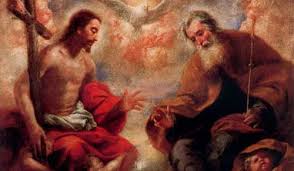
Batter My Heart is part of Donne's Holy Sonnets, a collection that explores themes of faith, divine judgement, and human frailty with intellectual rigour and emotional intensity. These sonnets are characterised by their metaphysical style, which includes complex imagery, elaborate conceits, and paradoxical statements.
-
As a metaphysical poet, Donne often used dramatic and direct language to engage with profound theological questions. In Batter My Heart, he employs vivid and violent imagery to convey his desperate desire for spiritual renewal and divine intervention.
-
The poem is written in the Petrarchan sonnet form, traditionally used for love poetry, but Donne subverts this convention to address spiritual and existential concerns. This blend of form and content highlights the intensity of his spiritual plea.
Historical and Political Background
- The early 17th century was a period of significant religious upheaval in England, marked by conflicts between Protestantism and Catholicism. Donne's conversion from Catholicism to Anglicanism reflects these broader religious tensions and informs the themes of his Holy Sonnets.
- The Renaissance period's focus on individual experience, exploration of human nature, and questioning of traditional beliefs are evident in Donne's introspective and often conflicted exploration of faith. The era's intellectual and cultural shifts provide a backdrop for Donne's theological inquiries.
- Donne's poetry often challenges conventional religious and social norms, reflecting the evolving landscape of religious thought and practice during the time. Batter My Heart exemplifies this by depicting a deeply personal and intense struggle for divine grace, illustrating the broader cultural and theological debates about sin, repentance, and salvation.
Structure and Form
Form, Metre, and Rhyme
- The poem is a Petrarchan sonnet, consisting of 14 lines divided into an octave and a sestet.
- The rhyme scheme follows the pattern ABBAABBA for the octave and varies in the sestet, typically CDCDCD or CDEEDE.
- Written in iambic pentameter, the poem's steady rhythm emphasises the speaker's urgent plea for divine intervention.
Speaker and Setting
- The speaker is a devout believer, possibly representing Donne himself, who addresses God directly, seeking transformative intervention.
- The setting is deeply introspective and spiritual, focusing on the internal conflict and the desire for redemption and divine presence.
Poetic Devices
-
Conceit: The poem employs an extended metaphor comparing the speaker's soul to a besieged city that requires God's forceful intervention to reclaim it.
-
Apostrophe: The speaker directly addresses God, creating a sense of immediacy and personal appeal.
-
Paradox**:** The poem contains paradoxical statements, such as being made free through captivity, highlighting the complexity of spiritual transformation.
-
Imagery: Vivid imagery describes the speaker's soul as a city under siege, enhancing the emotional intensity of the plea for divine intervention.
-
Alliteration and Assonance: The use of repeated consonant and vowel sounds enhances the musicality and emphasis of key ideas.
Symbols
- City: The speaker's soul, is depicted as a city besieged by sin, needing God's intervention for liberation and renewal.
- Marriage: Symbolises the union with God, with the speaker seeking to be "betrothed" to God instead of sin.
Key Themes
Spiritual Struggle and Redemption
"Batter my heart, three-personed God; for you / As yet but knock, breathe, shine, and seek to mend."
- The theme of spiritual struggle and redemption is central, with the speaker earnestly seeking a profound transformation and renewal of faith through God's forceful intervention.
Divine Intervention
"That I may rise, and stand, overthrow me, and bend / Your force, to break, blow, burn, and make me new."
- The poem underscores the necessity of divine intervention for true spiritual renewal, with the speaker imploring God to use his power to transform and redeem his soul.
Paradox of Freedom through Captivity
- "Take me to you, imprison me, for I, / Except you enthral me, never shall be free."
- The paradox of achieving true freedom through divine captivity highlights the complexity of the speaker's spiritual journey and his desire for complete union with God.
Line by Line Analysis
Lines 1-2
Batter my heart, three-person'd God; for you
As yet but knock, breathe, shine, and seek to mend.
"Batter my heart, three-person'd God;"
- The speaker begins with a powerful plea to the Trinity, asking for a forceful intervention.
- "Batter" suggests a violent, transformative action, indicating the speaker's desperation for change.
"for you / As yet but knock, breathe, shine, and seek to mend."
- The speaker contrasts the gentle actions of God ("knock, breathe, shine") with the need for a more forceful approach.
- This line reflects the speaker's feeling that gentle methods have been insufficient for true transformation.
Lines 3-4
That I may rise, and stand, o'erthrow me, and bend
Your force, to break, blow, burn, and make me new.
"That I may rise, and stand, o'erthrow me, and bend"
- The speaker paradoxically asks to be "overthrown" to rise and stand, emphasising the need for divine intervention.
- "Bend" implies a need for reshaping or realigning the speaker's will with God's.
"Your force, to break, blow, burn, and make me new."
- The speaker lists powerful, destructive actions ("break, blow, burn") to convey the intensity of the transformation sought.
- "Make me new" indicates the ultimate goal of spiritual renewal and rebirth.
Lines 5-6
I, like an usurp'd town, to another due,
Labor to admit you, but Oh, to no end.
"I, like an usurp'd town, to another due,"
- The speaker compares himself to a town taken over by an illegitimate ruler, suggesting a state of spiritual conflict and invasion.
- "To another due" indicates the rightful ownership of the soul by God, despite the current usurpation.
"Labour to admit you, but Oh, to no end."
- Despite efforts to admit God's presence, the speaker feels unsuccessful, highlighting the internal struggle and resistance.
Lines 7-8
Reason, your viceroy in me, me should defend,
But is captiv'd, and proves weak or untrue.
"Reason, your viceroy in me, me should defend,"
- The speaker identifies reason as God's representative within him, tasked with defending against spiritual usurpation.
- This personification of reason emphasises its importance in the speaker's internal battle.
"But is captiv'd, and proves weak or untrue."
- The speaker laments that reason has been overpowered, and captured by sinful forces, and thus fails to defend him as it should.
Lines 9-10
Yet dearly I love you, and would be lov'd fain,
But am betroth'd unto your enemy;
"Yet dearly I love you, and would be lov'd fain,"
- The speaker expresses his deep love for God and desires to be loved in return, showing his earnest devotion.
- "Fain" means gladly or willingly, highlighting the speaker's eagerness for divine love.
"But am betroth'd unto your enemy;"
- The speaker reveals his conflicted state, feeling spiritually betrothed or bound to God's enemy, symbolising sin or the devil.
- This metaphor of betrothal illustrates the depth of the speaker's internal struggle.
Lines 11-12
Divorce me, untie, or break that knot again,
Take me to you, imprison me, for I
"Divorce me, untie, or break that knot again,"
- The speaker urgently requests God to dissolve his union with sin, using the imagery of divorce and untying knots.
- This line emphasises the speaker's desire for liberation from spiritual bondage.
"Take me to you, imprison me, for I"
- The speaker paradoxically asks to be imprisoned by God, indicating a desire for total surrender and divine possession.
- This paradox highlights the speaker's belief that true freedom comes from being bound to God.
Lines 13-14
Except you enthral me, never shall be free,
Nor ever chaste, except you ravish me.
"Except you enthral me, never shall be free,"
- The speaker concludes with the paradox that only by being completely captivated by God can he attain true freedom.
- "Enthral" means to enslave or captivate, underscoring the idea of spiritual surrender leading to liberation.
"Nor ever chaste, except you ravish me."
- The final line continues the paradox, stating that only through divine ravishment, a forceful and consuming love, can the speaker achieve spiritual purity.
- "Ravish" implies an overwhelming, transformative divine love, essential for the speaker's spiritual cleansing and renewal.