O Solitude! if I must with thee devil' (Edexcel A-Level English Literature): Revision Notes
📚Revision Notes
O Solitude! if I must with thee devil'
Context
-
Written in 1815, shortly after Keats left his job as a surgical student at Guy's Hospital Medical School.
-
Reflects his aversion to the urban hospital environment and his preference for the tranquillity of nature.
-
The metaphor "jumbled heap" may have been influenced by the Industrial Revolution.
-
Represents the chaotic and oppressive nature of industrialised urban settings.
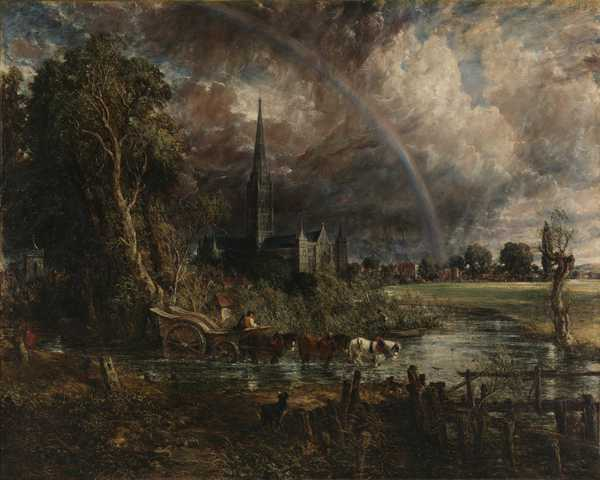
-
The poem aligns with Romantic ideals, showcasing a revolt against the Industrial Revolution.
- Romantics were concerned about the detrimental effects of industrialisation on nature and human well-being.
-
Keats' letters often express his longing for escape from urban life and his deep appreciation for natural beauty, themes evident in this poem.
Structure and Form
- Petrarchan Sonnet.
- Rhyme scheme: ABBAABBA CDDCDC.
- Written in iambic pentameter.
- A rhythmic shift occurs just before the volta, moving from iambic pentameter to trochaic metre.
- This shift emphasises the change in tone and focus in the poem's second part.
Key Themes
Nature
- "Its flowery slopes, its river's crystal swell"
- Emphasises the beauty, purity, and tranquillity of natural landscapes.
- Nature serves as a retreat from urban chaos and a source of spiritual rejuvenation.
Solitude
- "O Solitude! if I must with thee dwell"
- Presents solitude as both a necessity and a refuge.
- Explores the complex relationship between isolation and inner peace.
Place
- "Let it not be among the jumbled heap / Of murky buildings"
- Contrasts the negative connotations of urban environments with the idealised vision of nature.
- Highlights the importance of a harmonious setting for well-being.
Time
- "May seem a span"
- Suggests that natural environments provide a different perspective on time.
- Implies that time in nature is expansive and contemplative.
Love
- "Yet the sweet converse of an innocent mind"
- Highlights the value of intellectual and emotional connection.
- Suggests that companionship and understanding are forms of love.
- Keats' letters, especially those to Fanny Brawne, reveal his deep longing for intimate and meaningful connections.
Destiny
- "When to thy haunts two kindred spirits flee"
- Implies a predestined, harmonious connection between kindred spirits.
- Suggests that finding a like-minded companion is a form of destiny.
Industrialism
- "Of murky buildings"
- Criticises the negative impacts of urbanisation and industrialisation.
- Reflects Romantic concerns about the loss of natural beauty due to industrial progress.
Similar Poems
- "On the Sea": Similar appreciation for nature's beauty and power; explores nature as a source of solace and escape from life's troubles.
- "When I Have Fears that I May Cease to be": Reflects on solitude and the transient nature of life; explores the interplay between isolation and creativity.
- "Bright Star! Would I were steadfast as thou art": Meditates on solitude, nature, and the desire for constancy; emphasises the longing for connection amid isolation.
Line by Line Analysis
O SOLITUDE! if I must with thee dwell, Let it not be among the jumbled heap Of murky buildings; climb with me the steep,— Nature's observatory—whence the dell, Its flowery slopes, its river's crystal swell, May seem a span; let me thy vigils keep 'Mongst boughs pavillion'd, where the deer's swift leap Startles the wild bee from the fox-glove bell. But though I'll gladly trace these scenes with thee, Yet the sweet converse of an innocent mind, Whose words are images of thoughts refin'd, Is my soul's pleasure; and it sure must be Almost the highest bliss of human-kind, When to thy haunts two kindred spirits flee.
"O Solitude! if I must with thee dwell,"
- The speaker personifies Solitude, addressing it directly.
- The use of "if I must" suggests a reluctant acceptance of solitude.
- Emphasises the necessity of solitude for the speaker, despite possible reluctance.
"Let it not be among the jumbled heap"
- "Jumbled heap" evokes a chaotic, disorderly environment.
- This implies a distaste for urban settings, reflecting the speaker's preference for natural surroundings.
"Of murky buildings; climb with me the steep,—"
- "Murky buildings" reinforces the negative view of urban life.
- "Climb with me the steep" suggests a desire for ascension, both physically and spiritually, towards nature.
"Nature's observatory—whence the dell,"
- "Nature's observatory" indicates a vantage point to appreciate nature.
- Conveys a sense of discovery and exploration in natural settings.
"Its flowery slopes, its river's crystal swell,"
- The vivid imagery of "flowery slopes" and "crystal swell" depicts an idealised vision of nature.
- Active verbs are compared to the static nature of the city.
- Emphasises the beauty and purity of natural landscapes.
"May seem a span; let me thy vigils keep"
- "May seem a span" suggests that from this height, the landscape appears manageable and comforting.
- "Vigils keep" implies a watchful, almost religious reverence for nature.
"'Mongst boughs pavillion'd, where the deer's swift leap"
- "Boughs pavillion'd" suggests a natural canopy, a shelter provided by trees.
- The image of the deer's "swift leap" adds a dynamic, lively element to the natural scene.
"Startles the wild bee from the fox-glove bell."
- The interaction between the deer and the bee underscores the interconnectedness of nature.
- "Fox-glove bell" provides specific, detailed imagery of the natural environment.
- Volta of the poem: rhythm becomes disrupted, and structure mirrors imagery.
- The shift of rhythm to trochaic.
"But though I'll gladly trace these scenes with thee,"
- Indicates a willingness to explore and appreciate nature in solitude.
- "Gladly trace" shows enjoyment and appreciation for natural beauty.
"Yet the sweet converse of an innocent mind,"
- Suggests that intellectual companionship is highly valued.
- "Innocent mind" implies purity, sincerity, and refined thoughts.
- Could be referring to his brother George.
"Whose words are images of thoughts refin'd,"
- Connects spoken words to refined, sophisticated thoughts.
- Emphasises the importance of intellectual and emotional connection.
"Is my soul's pleasure; and it sure must be"
- Declares that such intellectual companionship is a deep source of joy.
- "Soul's pleasure" indicates profound fulfilment.
"Almost the highest bliss of human-kind,"
- Elevates the value of meaningful human connection to nearly the highest form of happiness.
- Suggests that intellectual and emotional companionship is paramount.
"When to thy haunts two kindred spirits flee."
- "Two kindred spirits" indicates a deep, mutual understanding and connection.
- "Haunts" refers to places frequented, suggesting a shared retreat into nature