To Autumn (Edexcel A-Level English Literature): Revision Notes
📚Revision Notes
To Autumn
Context
- Written in September 1819, "To Autumn" is one of Keats' most famous odes.
- Reflects Keats' deep appreciation for the natural world and the changing seasons.
- Keats was experiencing a period of creative productivity and relative peace, which is reflected in the calm and celebratory tone of the poem.
- The poem captures the Romantic fascination with nature, beauty, and the passage of time.
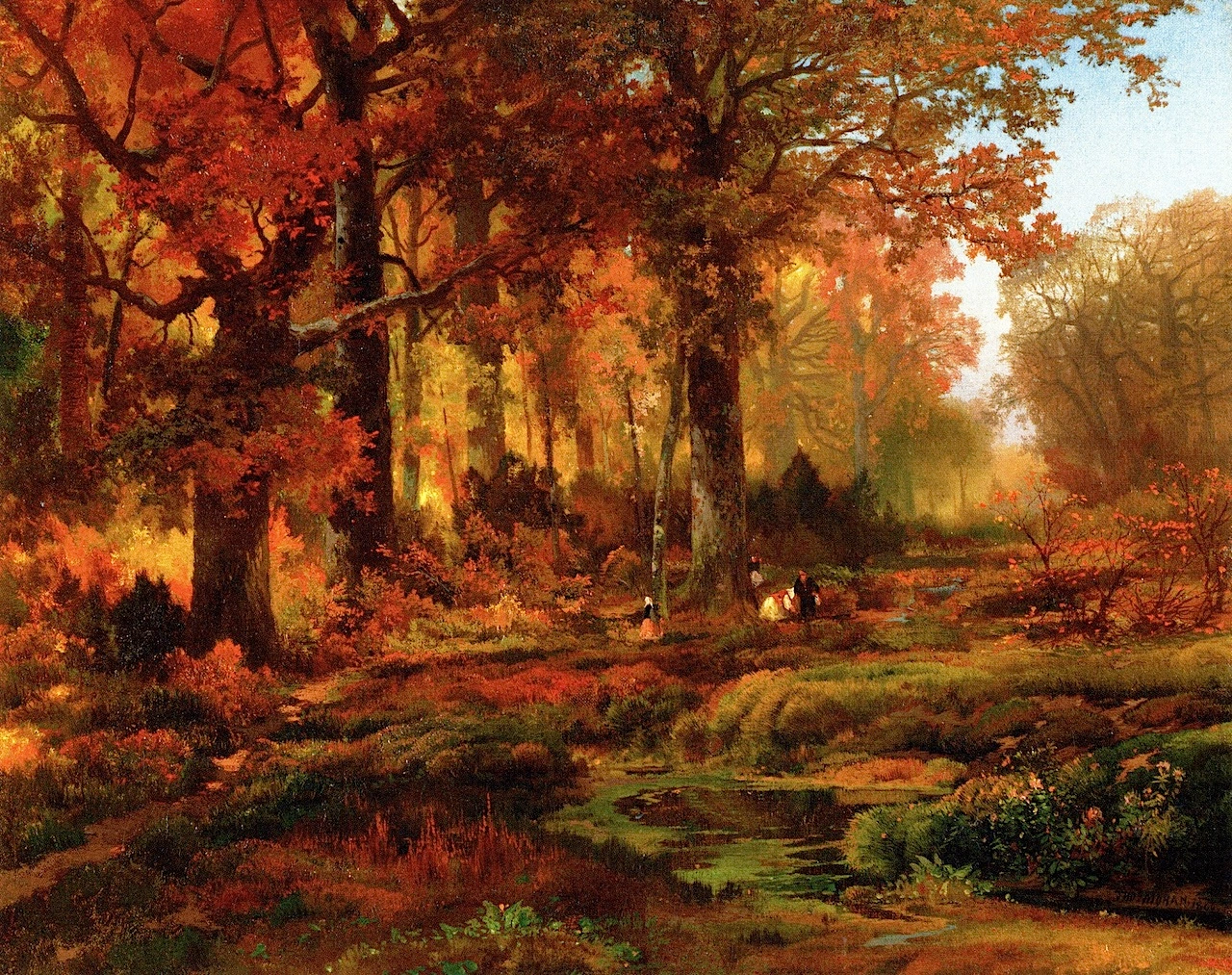
Structure and Form
- Ode is composed of three stanzas, each with eleven lines.
- Rhyme scheme: ABAB CDE DCCE.
- Written in iambic pentameter, maintaining a formal and reflective tone.
- The structure allows Keats to explore different aspects of the autumn season, from its bounty to its gentle decline.
Key Themes
Abundance and Harvest
- "Season of mists and mellow fruitfulness, / Close bosom-friend of the maturing sun;"
- Celebrates the richness and fullness of autumn as a time of harvest and abundance.
- Reflects the harmonious relationship between the season and the sun.
Passage of Time
- "For summer has o'er-brimm'd their clammy cells."
- Emphasises the cyclical nature of the seasons and the transition from summer to autumn.
- Reflects the inevitability of change and the passage of time.
Personification of Autumn
- "Thee sitting careless on a granary floor, / Thy hair soft-lifted by the winnowing wind;"
- Personifies autumn as a figure engaged in the activities of the season, creating a vivid and intimate connection with nature.
- Enhances the sense of presence and immediacy.
Reflexion and Acceptance
- "Think not of them, thou hast thy music too,—"
- Advises against longing for the past (spring) and instead celebrates the unique beauty and music of autumn.
- Reflects a sense of acceptance and appreciation for the present.
Nature's Music
- "And gathering swallows twitter in the skies."
- Describes the various sounds of autumn, creating a symphony of natural music.
- Highlights the lively and dynamic aspects of the season.
Similar Poems
- "Ode to a Nightingale": Shares themes of nature, transience, and the desire to capture the beauty of the moment.
- "Ode on a Grecian Urn": Explores themes of beauty, art, and the transient nature of human experience, similar to the contemplation of autumn.
- "To Psyche": Reflects on imagination and the creation of an ideal world, akin to the detailed and celebratory depiction of autumn in "To Autumn".
Line by Line Analysis
Stanza 1
Season of mists and mellow fruitfulness, Close bosom-friend of the maturing sun; Conspiring with him how to load and bless With fruit the vines that round the thatch-eves run; To bend with apples the moss'd cottage-trees, And fill all fruit with ripeness to the core; To swell the gourd, and plump the hazel shells With a sweet kernel; to set budding more, And still more, later flowers for the bees, Until they think warm days will never cease, For summer has o'er-brimm'd their clammy cells.
"Season of mists and mellow fruitfulness, / Close bosom-friend of the maturing sun;"
- Begins with a rich, sensory description of autumn, emphasising its bounty and maturity.
- "Close bosom-friend" suggests a harmonious relationship with the sun, which aids in ripening the fruits.
"Conspiring with him how to load and bless / With fruit the vines that round the thatch-eves run;"
- Describes autumn and the sun working together to produce an abundant harvest.
- "Load and bless" emphasises the generosity and productivity of the season.
"To bend with apples the moss'd cottage-trees, / And fill all fruit with ripeness to the core;"
- The imagery of apple-laden trees and fully ripened fruits highlights the abundance and richness of autumn.
- Active verbs emphasise the life within autumn and nature.
"To swell the gourd, and plump the hazel shells / With a sweet kernel; to set budding more,"
- Continues the imagery of growth and ripening, emphasising the fullness and sweetness of the harvest.
"And still more, later flowers for the bees, / Until they think warm days will never cease,"
- The repetition of "more" with the line break emphasises the plentifulness of autumn.
- Describes the extended blooming of flowers, providing sustenance for the bees and creating a sense of endless summer.
- "will never cease" is the first warning within the poem
"For summer has o'er-brimm'd their clammy cells."
- Concludes with the idea that summer has been so abundant that it has overflowed into autumn, filling the bees' cells with honey.
Stanza 2
Who hath not seen thee oft amid thy store? Sometimes whoever seeks abroad may find Thee sitting careless on a granary floor, Thy hair soft-lifted by the winnowing wind; Or on a half-reap'd furrow sound asleep, Drows'd with the fume of poppies, while thy hook Spares the next swath and all its twined flowers: And sometimes like a gleaner thou dost keep Steady thy laden head across a brook; Or by a cyder-press, with patient look, Thou watchest the last oozings hours by hours.
"Who hath not seen thee oft amid thy store? / Sometimes whoever seeks abroad may find"
- Questions who have not observed autumn's abundance, suggest its omnipresence and visibility.
- "Who hath not seen thee" personifies nature.
- Invites the reader to seek out and appreciate the season's richness.
"Thee sitting careless on a granary floor, / Thy hair soft-lifted by the winnowing wind;"
- Personifies autumn as a figure leisurely sitting in a granary, with hair gently moved by the wind.
- The use of "thee", "thy" and "thou" suggests personal intimacy with autumn.
- Creates an intimate and serene image of the season.
- The alliteration of "winnowing wind" illustrates the sound and effect of wind.
- Winnowing is a technical term within grain.
"Or on a half-reap'd furrow sound asleep, / Drows'd with the fume of poppies, while thy hook / Spares the next swath and all its twined flowers:"
- Furrows are channels created by a plough, half-reaped due to the lousy personification of autumn.
- Describes autumn as a figure resting in a field, intoxicated by the scent of poppies.
- Suggests a sense of relaxation and pause amid harvest work.
"And sometimes like a gleaner thou dost keep / Steady thy laden head across a brook;"
- Compares autumn to a gleaner, carefully carrying a heavy load across a brook.
- Emphasises the effort and care involved in the harvest.
"Or by a cyder-press, with patient look, / Thou watchest the last oozings hours by hours."
- Depicts autumn patiently watching the cider-making process, highlighting the slow, deliberate nature of the season.
- The carefree tone of the poem.
Stanza 3
Where are the songs of spring? Ay, Where are they? Think not of them, thou hast thy music too,— While barred clouds bloom the soft-dying day, And touch the stubble-plains with rosy hue; Then in a wailful choir the small gnats mourn Among the river sallows, borne aloft Or sinking as the light wind lives or dies; And full-grown lambs loud bleat from hilly bourn; Hedge-crickets sing; and now with treble soft The red-breast whistles from a garden-croft; And gathering swallows twitter in the skies.
"Where are the songs of spring? Ay, Where are they? / Think not of them, thou hast thy music too,—"
- Begins with a rhetorical question, asking about the songs of spring.
- Includes ubi sunt, a meditation on mortality and life's transience.
- Advises against longing for spring and instead celebrates the unique music of autumn.
Note
Ubi Sunt is a literary motif that translates from Latin to "Where are they?" and is used to lament the transient nature of life and the inevitable passing of time.
"While barred clouds bloom the soft-dying day, / And touch the stubble-plains with rosy hue;"
- Describes the beauty of an autumn sunset, with clouds and light creating a rosy glow on the landscape.
- "Soft-dying day" emphasises the gentle decline of the season.
"Then in a wailful choir the small gnats mourn / Among the river sallows, borne aloft / Or sinking as the light wind lives or dies;"
- Describes the sounds of gnats, creating a mournful, yet natural, music.
- Reflects the transient and delicate nature of life.
"And full-grown lambs loud bleat from hilly bourn; / Hedge-crickets sing; and now with treble soft / The red-breast whistles from a garden-croft;"
- Lists the various sounds of autumn, from lambs to crickets to robins, creating a symphony of natural music.
"And gathering swallows twitter in the skies."
- Concludes with the image of swallows gathering and twittering, preparing for migration.
- Anxiety that Keats would not be able to write and create all of his ideas and poetic inspiration before his death.
- Highlights the dynamic and lively aspects of the season, even as it draws to a close.
- Transcendental ideas: swallows represent the continuous and cyclical nature of life and death.
- There's a resolution, but no final action, instead a continuous one - like the seasonal natural world.