A Hymn to God the Father by John Donne (Edexcel A-Level English Literature): Revision Notes
📚Revision Notes
A Hymn to God the Father by John Donne
Context
-
A Hymn to God the Father by John Donne was written during a period marked by Donne's deep engagement with his Christian faith and his role as a cleric.
-
The poem reflects Donne's preoccupation with sin, repentance, and divine forgiveness, central themes in his later works as he grapples with his spiritual struggles.
-
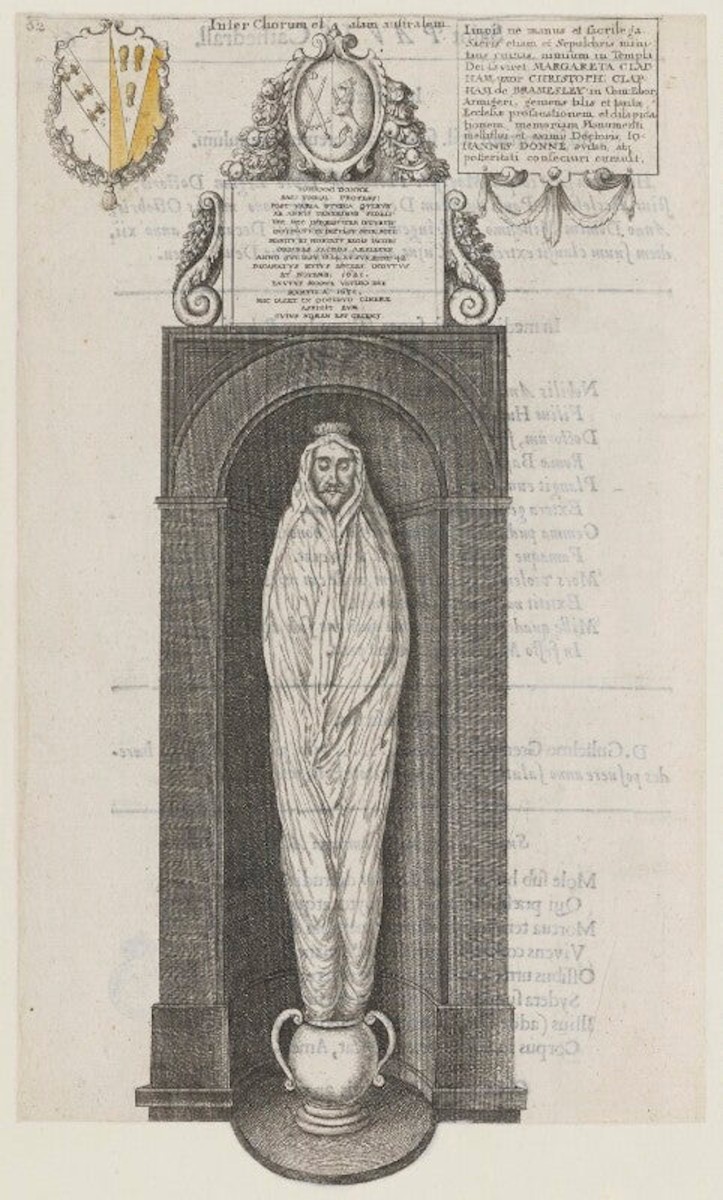
Donne was a metaphysical poet, known for his complex imagery, elaborate metaphors (conceits), and profound philosophical and theological insights.
-
During Donne's time, the concept of original sin and the necessity of divine grace and forgiveness were significant theological concerns, influencing the themes explored in this poem.
Structure and Form
Form, Metre, and Rhyme
- The poem consists of three six-line stanzas (sestets), each following an ABABAB rhyme scheme.
- The metre is predominantly iambic, with variations in line length:
- The first four lines of each stanza are in iambic pentameter.
- The fifth line is in iambic tetrameter.
- The final line of each stanza is in iambic dimeter.
- This shrinking line structure reflects the speaker's increasing humility and desperation as he acknowledges his sins.
Speaker and Setting
- The speaker is a devout believer in addressing God directly, confessing his sins and seeking divine forgiveness.
- The setting is introspective and spiritual, focusing on the speaker's internal struggle with sin and his plea for God's mercy.
Poetic Devices
-
Apostrophe**:** The speaker addresses God directly throughout the poem, creating a tone of personal supplication and humility.
-
Refrain**:** The repeated lines "When thou hast done, thou hast not done, / For I have more" emphasise the speaker's belief in the endless nature of his sins and his need for continuous forgiveness.
-
Pun**:** The play on Donne's name in the refrain ("thou hast not done") adds a layer of self-referential wit, highlighting the personal nature of the speaker's confessions.
-
Metaphor**:** The speaker uses metaphors such as "spun / My last thread" and "perish on the shore" to convey the fragility of life and the fear of spiritual failure.
-
Anaphora**:** The repeated phrase "Wilt thou forgive that sin" at the beginning of several lines underscores the speaker's persistent plea for forgiveness.
Key Themes
Sin and Forgiveness
"Wilt thou forgive that sin where I begun, / Which was my sin, though it were done before?"
- The poem explores the pervasive nature of sin and the necessity of divine forgiveness.
- The speaker acknowledges both original sin and his ongoing personal sins, expressing a deep sense of guilt and a desperate need for God's mercy.
Similar Poems
- "Batter My Heart, Three-Person'd God" by John Donne: Another Holy Sonnet by Donne, deals with themes of sin, redemption, and the speaker's plea for divine intervention.
- "To His Coy Mistress" by Andrew Marvell: Although more focused on love and persuasion, Marvell's poem shares Donne's metaphysical style and use of wit and elaborate conceits.
Line by Line Analysis
Lines 1-4
Wilt thou forgive that sin where I begun,
Which was my sin, though it were done before?
Wilt thou forgive that sin, through which I run,
And do run still, though still I do deplore?
"Wilt thou forgive that sin where I begun,"
- The speaker asks God to forgive the original sin with which he was born, acknowledging it as his own even though it is a shared human condition.
- This line introduces the theme of original sin, connecting the speaker's guilt to a broader theological concept.
"Which was my sin, though it were done before?"
- He recognises that the sin was committed before his existence, referencing the doctrine of original sin inherited from Adam and Eve.
- The line emphasises the speaker's sense of inherited guilt.
"Wilt thou forgive that sin, through which I run,"
- The speaker confesses his ongoing sins, those he continues to commit despite his remorse.
- The use of the word "run" suggests a continuous, almost uncontrollable action, highlighting the speaker's struggle with habitual sin.
"And do run still, though still I do deplore?"
- Despite his efforts to repent, the speaker admits he continues to sin, reflecting his frustration and despair.
- The repetition of "still" emphasises the persistent nature of his transgressions.
Lines 5-6
When thou hast done, thou hast not done,
For I have more.
"When thou hast done, thou hast not done,"
- The speaker acknowledges that even after God forgives his confessed sins, there will always be more to forgive.
- This line introduces the refrain, highlighting the speaker's belief in the endless nature of his sinfulness.
"For I have more."
- He admits that his sins are countless, reinforcing his sense of overwhelming guilt and need for continuous divine forgiveness.
- The brevity of this line contrasts with the longer lines preceding it, underscoring the speaker's humility and helplessness.
Lines 7-12
Wilt thou forgive that sin which I have won
Others to sin, and made my sin their door?
Wilt thou forgive that sin which I did shun
A year or two, but wallow'd in, a score?
When thou hast done, thou hast not done,
For I have more.
"Wilt thou forgive that sin which I have won"
- The speaker confesses his role in leading others to sin, acknowledging his influence and responsibility.
- The word "won" suggests a sense of triumph, now turned to regret, as he reflects on the negative impact of his actions.
"Others to sin, and made my sin their door?"
- He describes his sin as a "door" that has led others into sin, using a powerful metaphor to convey the ripple effect of his wrongdoing.
- This metaphor suggests that his actions have facilitated the sins of others, increasing his guilt.
"Wilt thou forgive that sin which I did shun"
- The speaker recalls past attempts to avoid sin, highlighting his intermittent successes and failures.
- The use of "shun" suggests a deliberate effort to resist temptation, though not always successful.
_"_A year or two, but wallow'd in, a score?"
- Despite periods of resistance, he confesses to indulging in sin for much longer periods ("a score" meaning twenty years).
- The contrast between "a year or two" and "a score" underscores the speaker's struggle and failure to maintain his resolve.
"When thou hast done, thou hast not done,"
- The refrain repeats, reinforcing the idea that forgiveness is a continual process due to the endless nature of the speaker's sins.
- The repetition emphasises the speaker's ongoing need for divine mercy.
"For I have more."
- Once again, the speaker admits the limitless nature of his sins, acknowledging that there will always be more to confess.
- This line serves as a humble recognition of his flawed human nature.
Lines 13-18
I have a sin of fear, that when I have spun
My last thread, I shall perish on the shore;
But swear by thyself, that at my death thy Son
Shall shine as he shines now, and heretofore;
And, having done that, thou hast done;
I fear no more.
"I have a sin of fear, that when I have spun"
- The speaker identifies his fear of damnation as another sin, acknowledging his lack of faith in God's mercy.
- The metaphor of spinning a thread alludes to the ancient concept of the Fates, who controlled the length of human lives.
"My last thread, I shall perish on the shore;"
- He fears that at the end of his life, he will fall short of reaching heaven, depicted here as "the shore."
- This metaphor conveys his anxiety about final judgement and the possibility of eternal separation from God.
"But swear by thyself, that at my death thy Son"
- The speaker implores God to assure him of Christ's salvation, seeking divine reassurance and comfort.
- The invocation of God's Son emphasises the speaker's reliance on Christ's redemptive power.
"Shall shine as he shines now, and heretofore;"
- He asks for the continued presence and grace of Christ, both now and in the afterlife.
- The imagery of shining suggests the illuminating and eternal nature of Christ's mercy.
"And, having done that, thou hast done;"
- The speaker believes that once God has assured him of salvation, his fears will be dispelled.
- This line modifies the refrain, indicating a resolution and a shift from doubt to trust.
"I fear no more."
- The final line expresses the speaker's newfound confidence and peace, having placed his trust in God's promise.
- The simplicity and finality of this line convey a sense of spiritual relief and assurance.