On This Day I Complete my Thirty-Sixth Year by Lord Byron (Edexcel A-Level English Literature): Revision Notes
📚Revision Notes
On This Day I Complete my Thirty-Sixth Year by Lord Byron
Context
- Written by Lord Byron on January 22, 1824, in Missolonghi, Greece.
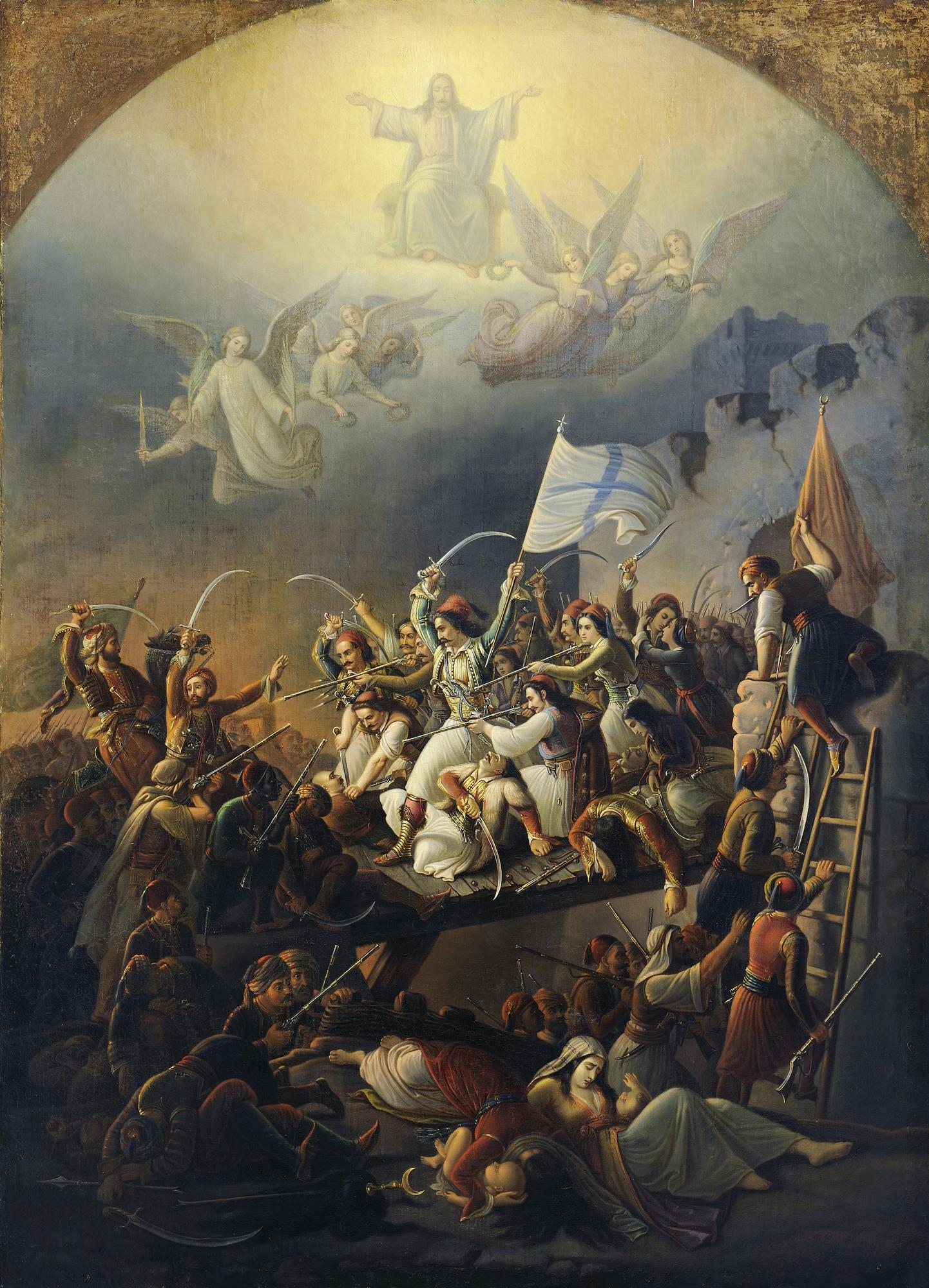
- Byron was involved in the Greek War of Independence against the Ottoman Empire.
- He was approaching his 36th birthday, reflecting on his life, achievements, and mortality.
- The poem reflects his disillusionment with personal relationships and his desire to find purpose through heroic action and sacrifice.
- This context is significant as it underscores the themes of ageing, regret, and the pursuit of glory and honour through death.
Structure and Form
- The poem consists of ten quatrains.
- It follows an ABAB rhyme scheme in each stanza.
- The consistent structure reflects a contemplative and reflective tone, suitable for a poem about ageing and mortality.
- The use of iambic tetrameter gives the poem a steady, rhythmic quality.
Key Themes
Unrequited Love
- "Yet though I cannot be beloved, / Still let me love!"
- Byron expresses a resigned acceptance of his inability to be loved but insists on retaining his capacity to love.
Ageing and Mortality
- "My days are in the yellow leaf; / The flowers and fruits of Love are gone;"
- The imagery of autumnal leaves symbolises the later stages of life, and the absence of love's "flowers and fruits" signifies lost youth and vitality.
Isolation and Inner Turmoil
- "The fire that on my bosom preys / Is lone as some Volcanic Isle;"
- Byron compares his emotional pain to an isolated volcanic island, emphasising his sense of isolation and intense inner suffering.
Heroism and Sacrifice
- "Where Glory decks the hero's bier, / Or binds his brow."
- The poem shifts to a focus on heroism and the glory associated with a noble death, reflecting Byron's involvement in the Greek War of Independence.
Acceptance of Death
- "A Soldier's Grave, for thee the best; / Then look around, and choose thy Ground, / And take thy rest."
- Byron concludes with a call to accept death honourably, viewing a soldier's grave as the most fitting end for himself.
Similar Poems
- William Blake's "The Sick Rose": Shares a theme of decay and the destructive nature of hidden suffering.
- William Wordsworth's "Lines Composed a Few Miles above Tintern Abbey": Explores themes of reflexion, nature, and the passage of time.
- George Gordon, Lord Byron's "Lines Inscribed upon a Cup Formed from a Skull": Similar contemplation of mortality and the inevitability of death.
- Percy Bysshe Shelley's "Stanzas Written in Dejection, near Naples": Reflects personal melancholy and the contrast between internal emotions and the external world.
- John Keats's "Ode to a Nightingale": Contemplates the desire to escape from reality and the passage of time through the lens of beauty and nature.
Line by Line Analysis
Stanza 1
'Tis time this heart should be unmoved, Since others it hath ceased to move: Yet though I cannot be beloved, Still let me love!
"'Tis time this heart should be unmoved, / Since others it hath ceased to move:"
- The speaker acknowledges that it is time to stop being emotionally affected, as his own heart no longer influences others.
"Yet though I cannot be beloved, / Still let me love!"
- Despite his inability to be loved, the speaker insists on maintaining his capacity to love, showcasing resilience and selflessness.
Stanza 2
My days are in the yellow leaf; The flowers and fruits of Love are gone; The worm—the canker, and the grief Are mine alone!
"My days are in the yellow leaf; / The flowers and fruits of Love are gone;"
- The imagery of yellow leaves signifies the autumn of life, with love's vibrant aspects now fading.
"The worm—the canker, and the grief / Are mine alone!"
- The speaker is left with decay, disease, and sorrow, emphasising his sense of isolation and suffering.
Stanza 3
The fire that on my bosom preys Is lone as some Volcanic Isle; No torch is kindled at its blaze A funeral pile.
"The fire that on my bosom preys / Is lone as some Volcanic Isle;"
- The speaker's inner turmoil is compared to a solitary volcanic island, highlighting his intense, isolated suffering.
"No torch is kindled at its blaze / A funeral pile."
- His passionate fire fails to ignite others, becoming a metaphorical funeral pyre.
Stanza 4
The hope, the fear, the jealous care, The exalted portion of the pain And power of Love I cannot share, But wear the chain.
"The hope, the fear, the jealous care, / The exalted portion of the pain"
- The speaker lists the emotional components of love, acknowledging both its highs and lows.
"And power of Love I cannot share, / But wear the chain."
- He feels bound by love's power, despite being unable to fully partake in its experiences.
Stanza 5
But 'tis not thus—and 'tis not here Such thoughts should shake my Soul, nor now, Where Glory decks the hero's bier, Or binds his brow.
"But 'tis not thus—and 'tis not here / Such thoughts should shake my Soul, nor now,"
- The speaker rebukes himself, stating that this is not the time or place for such thoughts.
"Where Glory decks the hero's bier, / Or binds his brow."
- He shifts focus to the glory of heroic death, appropriate to his current surroundings and situation.
Stanza 6
The Sword, the Banner, and the Field, Glory and Greece around us see! The Spartan borne upon his shield Was not more free.
"The Sword, the Banner, and the Field, / Glory and Greece around us see!"
- The speaker draws attention to the symbols of battle and the cause of Greek independence.
"The Spartan borne upon his shield / Was not more free."
- He evokes the image of a Spartan warrior carried home on his shield, symbolising ultimate freedom through honourable death.
Stanza 7
Awake (not Greece—she is awake!) Awake, my Spirit! Think through whom Thy life-blood tracks its parent lake And then strike home!
"Awake (not Greece—she is awake!) / Awake, my Spirit! Think through whom"
- The speaker calls for his spirit to awaken, noting that Greece is already awake and inspired.
"Thy life-blood tracks its parent lake / And then strike home!"
- He invokes a sense of heritage and purpose, urging decisive action in battle.
Stanza 8
Tread those reviving passions down Unworthy Manhood—unto thee Indifferent should the smile or frown Of beauty be.
"Tread those reviving passions down / Unworthy Manhood—unto thee"
- The speaker commands himself to suppress unworthy emotions that revive.
"Indifferent should the smile or frown / Of beauty be."
- He asserts that he should remain indifferent to the opinions of others, particularly regarding physical beauty.
Stanza 9
If thou regret'st thy Youth, why live? The land of honourable Death Is here:—up to the Field, and give Away thy breath!
"If thou regret'st thy Youth, why live? / The land of honourable Death"
- The speaker questions the value of life if their youth is regretted, suggesting death as an honourable alternative.
"Is here:—up to the Field, and give / Away thy breath!"
- He urges himself to seek out death in battle, viewing it as a noble end.
Stanza 10
Seek out—less often sought than found— A Soldier's Grave, for thee the best; Then look around, and choose thy Ground, And take thy rest.
"Seek out—less often sought than found— / A Soldier's Grave, for thee the best;"
- The speaker advises seeking a soldier's grave, noting it is more often found than actively sought.
"Then look around, and choose thy Ground, / And take thy rest."
- He concludes with a call to choose a final resting place and accept death peacefully.