So We'll Go no more A Roving by Lord Byron (Edexcel A-Level English Literature): Revision Notes
📚Revision Notes
So We'll Go no more A Roving by Lord Byron
Context
-
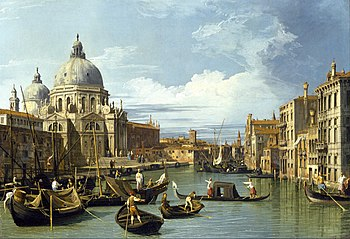
Written by Lord Byron in 1817 while in Venice, during a period of reflexion and exile from England.
-
Byron faced scandal and personal turmoil, leading him to leave England due to his controversial lifestyle and failed marriage.
-
The poem reflects Byron's recognition of the toll his indulgent lifestyle had taken on him, both physically and emotionally.
-
This context is significant as it underscores themes of weariness and the necessity for rest and introspection, marking a departure from his earlier, more hedonistic poetry.
Structure and Form
- The poem consists of three quatrains.
- It follows an ABAB rhyme scheme in each stanza.
- The metre is primarily iambic, contributing to the lyrical and contemplative quality of the poem.
- The simple and consistent structure reflects the straightforward message of resignation and the passage of time.
Key Themes
Transience of Youth
- "For the sword outwears its sheath, / And the soul wears out the breast."
- The imagery of the worn-out sword and sheath symbolises the inevitable decline of physical and emotional vigour over time.
Love and Weariness
- "Though the heart be still as loving, / And the moon be still as bright."
- Despite enduring feelings of love and the unchanged beauty of the night, the speaker acknowledges the need to cease nocturnal wanderings.
Rest and Repose
- "And the heart must pause to breathe, / And love itself have rest."
- The poem highlights the necessity for rest, even for the most fervent emotions and relentless passions.
Inevitability of Change
- "Yet we'll go no more a roving / By the light of the moon."
- The speaker resigns to the inevitability of change and the end of certain pleasures, despite the allure of the night.
Melancholy Reflection
- "Though the night was made for loving, / And the day returns too soon."
- Byron reflects on the fleeting nature of night and pleasure, underscoring a sense of melancholy and the swift passage of time.
Similar Poems
- William Blake's "The Sick Rose": Shares a theme of the destructive nature of passion and the inevitable decay it brings.
- William Wordsworth's "Lines Composed a Few Miles above Tintern Abbey": Explores themes of reflexion and the passage of time.
- George Gordon, Lord Byron's "On This Day I Complete my Thirty-Sixth Year": Similar themes of reflexion on past excesses and the acceptance of ageing and change.
- Percy Bysshe Shelley's "Stanzas Written in Dejection, near Naples": Reflects on personal melancholy and the contrast between internal emotions and the external world.
- John Keats's "Ode to a Nightingale": Contemplates the desire to escape from reality and the passage of time through the lens of beauty and nature.
Line by Line Analysis
Stanza 1
So, we'll go no more a roving So late into the night, Though the heart be still as loving, And the moon be still as bright.
"So, we'll go no more a roving / So late into the night,"
- The repetition of "So" emphasises the finality of the decision to cease the nightly wanderings.
- "A roving" suggests a carefree and adventurous lifestyle, which is now being abandoned.
"Though the heart be still as loving, / And the moon be still as bright."
- The use of "though" introduces a contrast between the enduring emotions and the unchanged beauty of the night and the decision to stop roaming.
- "The moon be still as bright" uses the imagery of the moon to symbolise the constant allure of the night.
Stanza 2
For the sword outwears its sheath, And the soul wears out the breast, And the heart must pause to breathe, And love itself have rest.
"For the sword outwears its sheath, / And the soul wears out the breast,"
- The metaphor of the sword and sheath represents the physical and emotional weariness resulting from a life of excess.
- "The soul wears out the breast" suggests that even the inner spirit becomes exhausted.
"And the heart must pause to breathe, / And love itself have rest."
- The personification of the heart needing to "pause to breathe" indicates the necessity for rest.
- "Love itself have rest" implies that even the most passionate emotions need respite.
Stanza 3
Though the night was made for loving, And the day returns too soon, Yet we'll go no more a roving By the light of the moon.
"Though the night was made for loving, / And the day returns too soon,"
- The line acknowledges the natural association of night with romance and passion.
- "The day returns too soon" conveys a sense of the swift passage of time and the brevity of night.
"Yet we'll go no more a roving / By the light of the moon."
- Repetition of the opening lines reinforces the finality of the decision.
- "By the light of the moon" uses lunar imagery to symbolise the end of nocturnal adventures and the acceptance of change.