Songs of Experience: The Sick Rose by William Blake (Edexcel A-Level English Literature): Revision Notes
📚Revision Notes
Songs of Experience: The Sick Rose by William Blake
Context
- "The Sick Rose" is part of William Blake's Songs of Experience, published in 1794.
- The poem reflects Blake's exploration of the darker aspects of human experience, contrasting with the innocence depicted in his Songs of Innocence.
- Blake was deeply engaged with the social and political issues of his time, often critiquing the corruption and hypocrisy he saw in institutions such as the church and state.
- The poem uses the image of a rose and a worm to convey themes of corruption, secrecy, and destruction, illustrating the transition from innocence to experience.
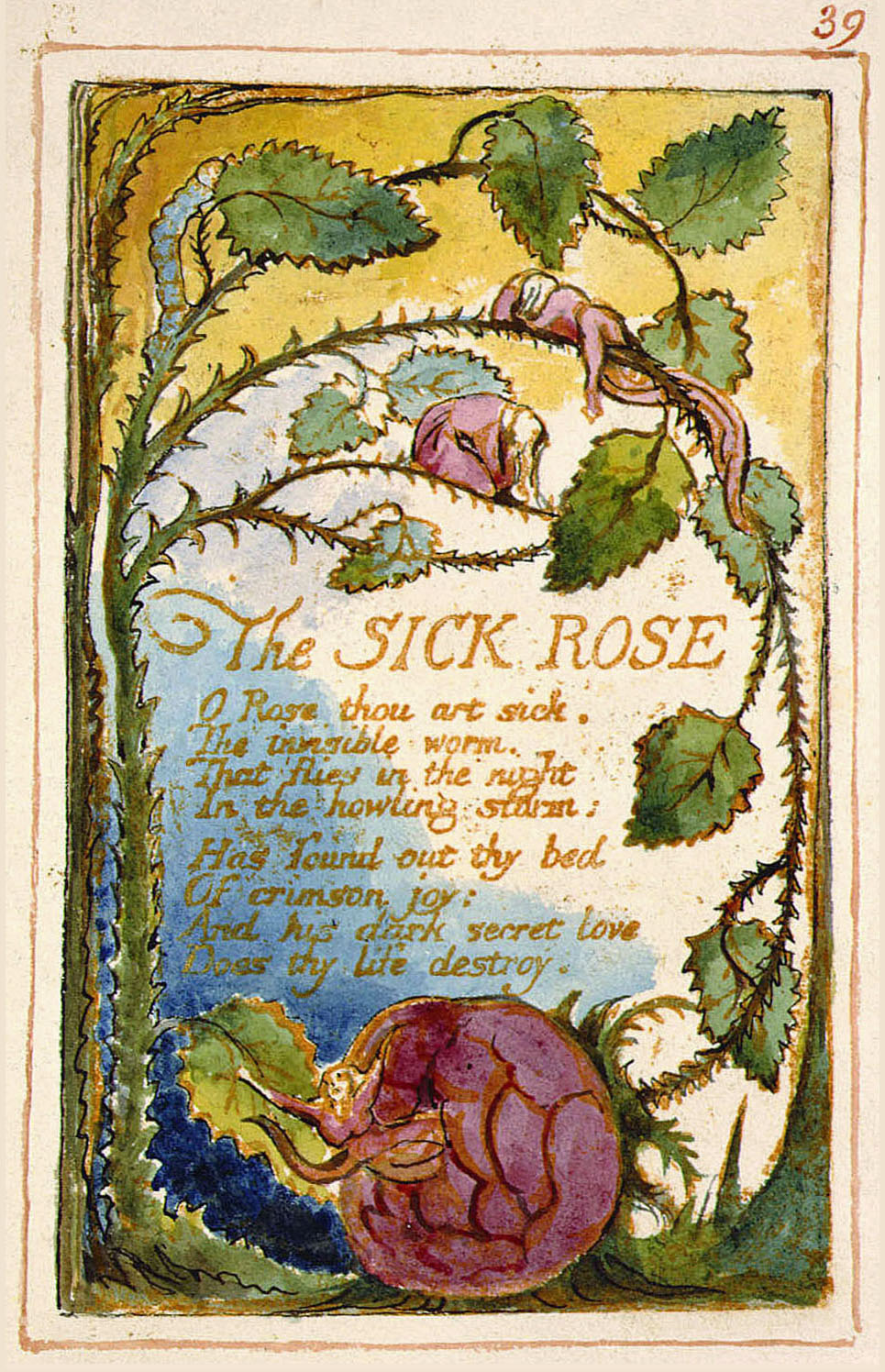
Structure and Form
- The poem consists of two quatrains.
- Each stanza follows an ABCB rhyme scheme.
- Written in simple, direct language, enhancing the poem's accessibility and emotional impact.
- The brevity and simplicity of the structure reflect the starkness and immediacy of the poem's themes.
Key Themes
Corruption and Decay
- "O Rose thou art sick. / The invisible worm"
- The rose symbolises beauty and purity, while the worm represents corruption and decay.
- Blake uses this imagery to illustrate how innocence can be tainted by unseen forces.
Secrecy and Destruction
- "That flies in the night / In the howling storm:"
- The worm's actions are hidden and destructive, symbolising secretive and harmful influences.
- Reflects Blake's critique of hidden corruption within society.
Love and Betrayal
- "Has found out thy bed / Of crimson joy:"
- The worm invading the rose's bed represents a betrayal of love and purity.
- The "crimson joy" suggests passion that has been corrupted.
Mortality and Suffering
- "And his dark secret love / Does thy life destroy."
- The destructive love of the worm leads to the rose's death, symbolising how hidden forces can lead to suffering and mortality.
- Reflects the darker aspects of human experience and the inevitable loss of innocence.
Nature and the Unseen
- "The invisible worm"
- Emphasises the presence of unseen forces in nature that can cause harm.
- Suggests that what is hidden or invisible can have a profound impact on life.
Similar Poems
- "Songs of Experience: The Tyger": Shares themes of innocence and experience, focusing on the complexity of creation and the nature of good and evil.
- "Songs of Experience: London": Explores themes of social critique and the harsh realities of urban life, focusing on the suffering caused by societal institutions.
- "Ode on Melancholy" by John Keats: Addresses themes of transience, beauty, and the interplay of joy and sorrow, reflecting the tension between innocence and experience.
- "Ode to the West Wind" by Percy Bysshe Shelley: Explores themes of transformation and change, reflecting on the power of nature and the potential for renewal in society.
Line by Line Analysis
Stanza 1
O Rose thou art sick. The invisible worm, That flies in the night In the howling storm:
"O Rose thou art sick."
- Begins with a direct and stark declaration, personifying the rose.
- "Sick" suggests a state of corruption or decay, contrasting with the typical image of a healthy, beautiful rose.
"The invisible worm,"
- Introduces the worm as the agent of corruption.
- "Invisible" implies hidden or secretive actions, enhancing the sense of insidiousness.
"That flies in the night / In the howling storm:"
- Describes the worm's nocturnal activity, associating it with darkness and turmoil.
- "Howling storm" creates an image of chaos and destruction, emphasising the destructive nature of the worm.
Stanza 2
Has found out thy bed Of crimson joy: And his dark secret love Does thy life destroy.
"Has found out thy bed / Of crimson joy:"
- The worm has invaded the rose's intimate space, symbolising a violation or betrayal.
- "Crimson joy" suggests passionate love that has been tainted by corruption.
"And his dark secret love / Does thy life destroy."
- The worm's secretive and destructive love leads to the rose's demise.
- "Dark secret love" implies a harmful and hidden force, emphasising the theme of destruction through hidden corruption.