The Cold Earth Slept Below by Percy Bysshe Shelley (Edexcel A-Level English Literature): Revision Notes
📚Revision Notes
The Cold Earth Slept Below by Percy Bysshe Shelley
Context
- Percy Bysshe Shelley wrote "The Cold Earth Slept Below" in 1815.
- Shelley was in his early twenties and experiencing emotional and political turmoil, having recently eloped with Mary Godwin and dealing with societal ostracization.
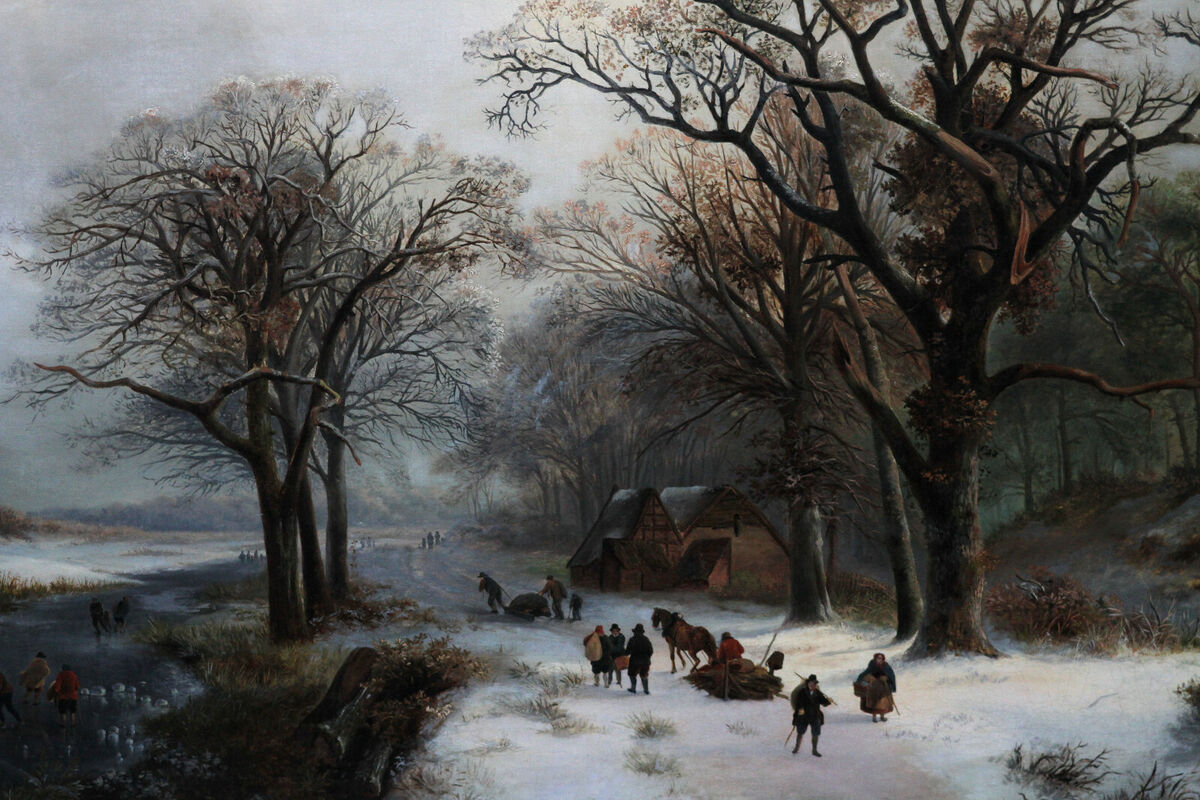
- The poem reflects Shelley's preoccupation with themes of death, nature, and transience, influenced by the Romantic movement's focus on intense emotion and the sublime.
- This context is significant as it underscores the themes of isolation, the harshness of nature, and a melancholic reflexion on mortality.
Structure and Form
- The poem consists of four stanzas, each with seven lines.
- The rhyme scheme is ABCCBDD in each stanza.
- The metre is primarily iambic, contributing to the sombre and rhythmic quality of the poem.
- The use of enjambment and caesura emphasises the flow of natural imagery and the melancholic tone.
Key Themes
Death and Decay
- "The breath of night like death did flow"
- Shelley uses the imagery of night and death to evoke a sense of pervasive decay and the inevitable end of life.
Isolation and Desolation
- "The wintry hedge was black; / The green grass was not seen;"
- The landscape's barrenness symbolises emotional desolation and the absence of life and warmth.
Nature's Harshness
- "Its frozen dew, and thou didst lie / Where the bitter breath of the naked sky / Might visit thee at will."
- The elements of nature are portrayed as harsh and unrelenting, reflecting the poet's view of the natural world as indifferent to human suffering.
Melancholy and Reflection
- "The cold earth slept below; / Above the cold sky shone;"
- The repetition of "cold" emphasises a melancholic atmosphere, inviting reflexion on the bleakness of the scene.
Love and Loss
- "The moon made thy lips pale, beloved;"
- The beloved's pallor under the moonlight symbolises the fading of life and love, suggesting a poignant sense of loss.
Similar Poems
- William Blake's "The Sick Rose": Explores themes of hidden decay and the destructive nature of unseen forces.
- William Wordsworth's "Lines Written in Early Spring": Reflects on the contrast between the beauty of nature and human sorrow.
- George Gordon, Lord Byron's "On This Day I Complete my Thirty-Sixth Year": Contemplates mortality, ageing, and the search for meaning through heroic action.
- Percy Bysshe Shelley's "Stanzas Written in Dejection, near Naples": Shares themes of melancholy and the contrast between internal despair and the external world's beauty.
- John Keats's "Ode to a Nightingale": Explores the desire to escape from the pain of reality through the contemplation of beauty and nature.
Line by Line Analysis
Stanza 1
The cold earth slept below; Above the cold sky shone; And all around, With a chilling sound, From caves of ice and fields of snow The breath of night like death did flow Beneath the sinking moon.
"The cold earth slept below;"
- The personification of the earth "sleeping" suggests a temporary state of death, aligning with the winter setting.
"Above the cold sky shone;"
- The sky is described as "cold," reinforcing the pervasive chill and lifelessness of the scene.
"And all around, / With a chilling sound,"
- The auditory imagery of a "chilling sound" enhances the atmosphere of desolation.
"From caves of ice and fields of snow"
- The imagery of ice and snow emphasises the harsh, unyielding nature of the environment.
"The breath of night like death did flow"
- A simile comparing the night's breath to death suggests a sense of pervasive mortality.
"Beneath the sinking moon."
- The moon is described as "sinking," symbolising decline and the passage of time.
Stanza 2
The wintry hedge was black; The green grass was not seen; The birds did rest On the bare thorn's breast, Whose roots, beside the pathway track, Had bound their folds o'er many a crack Which the frost had made between.
"The wintry hedge was black;"
- The colour "black" connotes death and decay, contrasting with the vibrancy of life.
"The green grass was not seen;"
- The absence of green grass signifies the absence of life and growth.
"The birds did rest / On the bare thorn's breast,"
- The resting birds and "bare thorn" suggest a stark and inhospitable environment.
"Whose roots, beside the pathway track,"
- The roots symbolise the underlying persistence of nature, even in desolation.
"Had bound their folds o'er many a crack / Which the frost had made between."
- Frost is depicted as a force that cracks and disrupts, symbolising the impact of harsh conditions on the landscape.
Stanza 3
Thine eyes glow'd in the glare Of the moon's dying light; As a fen-fire's beam On a sluggish stream Gleams dimly—so the moon shone there, And it yellow'd the strings of thy tangled hair, That shook in the wind of night.
"Thine eyes glow'd in the glare / Of the moon's dying light;"
- The beloved's eyes glowing in the moonlight suggest a faint spark of life in a dying environment.
"As a fen-fire's beam / On a sluggish stream"
- The simile compares the moon's light to a fen-fire on a sluggish stream, suggesting an eerie, fleeting illumination.
"Gleams dimly—so the moon shone there,"
- The moon's dim gleam reflects the overall theme of decline and fading light.
"And it yellow'd the strings of thy tangled hair,"
- The moonlight turning the hair yellow suggests a transformation and the passage of time.
"That shook in the wind of night."
- The movement of the hair in the wind adds to the dynamic, yet sombre atmosphere of the scene.
Stanza 4
The moon made thy lips pale, beloved; The wind made thy bosom chill; The night did shed On thy dear head Its frozen dew, and thou didst lie Where the bitter breath of the naked sky Might visit thee at will.
"The moon made thy lips pale, beloved;"
- The moonlight's effect on the beloved's lips suggests a loss of colour and vitality.
"The wind made thy bosom chill;"
- The wind causing chill emphasises the harshness of the environment.
"The night did shed / On thy dear head / Its frozen dew,"
- The night's frozen dew falling on the beloved's head signifies the encroachment of cold and death.
"and thou didst lie / Where the bitter breath of the naked sky / Might visit thee at will."
- The beloved lying exposed to the elements underscores vulnerability and the indifferent force of nature.