The Question by Percy Bysshe Shelley (Edexcel A-Level English Literature): Revision Notes
📚Revision Notes
The Question by Percy Bysshe Shelley
Context
-
Written by Percy Bysshe Shelley in 1820, during a period of political exile and personal turmoil.
-
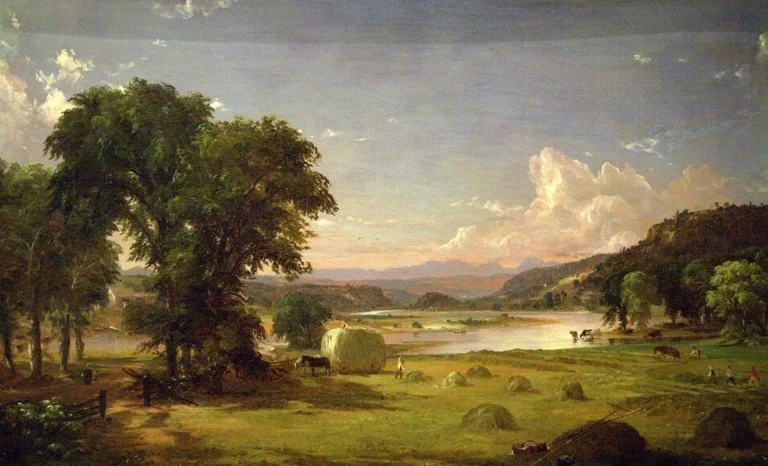
Shelley was living in Italy, where he found inspiration in the natural landscapes and sought solace from his tumultuous life in England.
-
The poem reflects Shelley's Romantic ideals, focusing on the beauty of nature and the fleeting nature of dreams and aspirations.
-
This context is significant as it underscores the themes of transformation, ephemeral beauty, and the search for meaning.
Structure and Form
- The poem consists of five stanzas, each with eight lines.
- The rhyme scheme is ABABABCC in each stanza.
- The metre is primarily iambic pentameter, contributing to the lyrical and flowing quality of the poem.
- The consistent structure and rhyme scheme enhance the dreamlike, reflective tone.
Key Themes
Transformation and Renewal
- "Bare Winter suddenly was changed to Spring,"
- Shelley captures the transformative power of nature, symbolising hope and renewal.
Ephemeral Beauty
- "And gentle odours led my steps astray,"
- The fleeting nature of sensory experiences in dreams highlights the transient beauty of life.
Harmony with Nature
- "The sod scarce heaved; and that tall flower that wets— / Like a child, half in tenderness and mirth— / Its mother's face with Heaven's collected tears,"
- The imagery of flowers and natural elements in harmony reflects the Romantic ideal of unity with nature.
Longing and Desire
- "I made a nosegay, bound in such a way / That the same hues, which in their natural bowers / Were mingled or opposed,"
- Shelley's creation of a bouquet symbolises the human desire to capture and preserve beauty.
Uncertainty and Yearning
- "I hastened to the spot whence I had come, / That I might there present it!—Oh! to whom?"
- The poem ends with an unresolved question, reflecting Shelley's sense of yearning and uncertainty about the ultimate purpose of his pursuits.
Similar Poems
- William Blake's "The Sick Rose"
- Explores themes of hidden decay and the fleeting nature of beauty.
- William Wordsworth's "Lines Written in Early Spring"
- Reflects on the harmony and beauty of nature, and the human experience within it.
- George Gordon, Lord Byron's "So, We'll Go no more A Roving"
- Shares themes of fleeting experiences and the passage of time.
- Percy Bysshe Shelley's "Ode to the West Wind"
- Similar themes of transformation and the power of nature.
- John Keats's "Ode to a Nightingale"
- Contemplates the ephemeral beauty of nature and the desire to escape reality through it.
Line by Line Analysis
Stanza 1
I dreamed that, as I wandered by the way, Bare Winter suddenly was changed to Spring, And gentle odours led my steps astray, Mixed with a sound of waters murmuring Along a shelving bank of turf, which lay Under a copse, and hardly dared to fling Its green arms round the bosom of the stream, But kissed it and then fled, as thou mightest in dream.
"I dreamed that, as I wandered by the way,"
- The poem begins with a dream, indicating an exploration of the subconscious and imagination.
"Bare Winter suddenly was changed to Spring,"
- The transformation from winter to spring symbolises renewal and hope.
"And gentle odours led my steps astray,"
- Sensory imagery of gentle odours suggests a dreamlike state and the allure of nature.
"Mixed with a sound of waters murmuring / Along a shelving bank of turf, which lay / Under a copse,"
- The murmuring waters and grassy bank create a peaceful, idyllic setting.
"and hardly dared to fling / Its green arms round the bosom of the stream,"
- The personification of the copse as timidly embracing the stream emphasises the delicate harmony of nature.
"But kissed it and then fled, as thou mightest in dream."
- The fleeting kiss of the copse highlights the ephemeral nature of dreams and beauty.
Stanza 2
There grew pied wind-flowers and violets, Daisies, those pearled Arcturi of the earth, The constellated flower that never sets; Faint oxlips; tender bluebells, at whose birth The sod scarce heaved; and that tall flower that wets— Like a child, half in tenderness and mirth— Its mother's face with Heaven's collected tears, When the low wind, its playmate's voice, it hears.
"There grew pied wind-flowers and violets,"
- The vibrant imagery of diverse flowers emphasises the richness of spring.
"Daisies, those pearled Arcturi of the earth,"
- The comparison of daisies to stars suggests a celestial quality in nature.
"The constellated flower that never sets;"
- Flowers are described as constellations, highlighting their enduring beauty.
"Faint oxlips; tender bluebells, at whose birth / The sod scarce heaved;"
- The delicate emergence of flowers from the earth underscores the gentle renewal of nature.
"and that tall flower that wets— / Like a child, half in tenderness and mirth— / Its mother's face with Heaven's collected tears,"
- A simile comparing a flower to a child highlights the tender, nurturing aspect of nature.
"When the low wind, its playmate's voice, it hears."
- The wind is personified as a playmate, creating a sense of harmony and interaction in nature.
Stanza 3
And in the warm hedge grew lush eglantine, Green cowbind and the moonlight-coloured may, And cherry-blossoms, and white cups, whose wine Was the bright dew, yet drained not by the day; And wild roses, and ivy serpentine, With its dark buds and leaves, wandering astray; And flowers azure, black, and streaked with gold, Fairer than any wakened eyes behold.
"And in the warm hedge grew lush eglantine,"
- The lush growth of eglantine in the warm hedge suggests abundance and fertility.
"Green cowbind and the moonlight-coloured may,"
- The moonlight-coloured may add a celestial quality to the natural scene.
"And cherry-blossoms, and white cups, whose wine / Was the bright dew, yet drained not by the day;"
- Dew as wine in white cups (flowers) evokes the purity and freshness of morning.
"And wild roses, and ivy serpentine, / With its dark buds and leaves, wandering astray;"
- The serpentine ivy and wild roses add a sense of wild beauty and mystery.
"And flowers azure, black, and streaked with gold, / Fairer than any wakened eyes behold."
- The exotic and striking colours of the flowers emphasise their dreamlike quality and surpass ordinary perception.
Stanza 4
And nearer to the river's trembling edge There grew broad flag-flowers, purple pranked with white, And starry river buds among the sedge, And floating water-lilies, broad and bright, Which lit the oak that overhung the hedge With moonlight beams of their own watery light; And bulrushes, and reeds of such deep green As soothed the dazzled eye with sober sheen.
"And nearer to the river's trembling edge / There grew broad flag-flowers, purple pranked with white,"
- Vivid description of flag-flowers near the river highlights their beauty and proximity to water.
"And starry river buds among the sedge,"
- The starry river buds among the sedge continue the celestial imagery.
"And floating water-lilies, broad and bright,"
- Water-lilies are depicted as luminous, adding to the serene and enchanting scene.
"Which lit the oak that overhung the hedge / With moonlight beams of their own watery light;"
- The water-lilies' light illuminates the oak, creating a magical, moonlit effect.
"And bulrushes, and reeds of such deep green / As soothed the dazzled eye with sober sheen."
- The deep green of bulrushes and reeds provides a soothing contrast to the bright flowers, balancing the visual experience.
Stanza 5
Methought that of these visionary flowers I made a nosegay, bound in such a way That the same hues, which in their natural bowers Were mingled or opposed, the like array Kept these imprisoned children of the Hours Within my hand,—and then, elate and gay, I hastened to the spot whence I had come, That I might there present it!—Oh! to whom?
"Methought that of these visionary flowers / I made a nosegay, bound in such a way"
- The speaker gathers the flowers into a bouquet, symbolising an attempt to capture and preserve the dream's beauty.
"That the same hues, which in their natural bowers / Were mingled or opposed, the like array"
- The bouquet retains the natural arrangement and harmony of the flowers.
"Kept these imprisoned children of the Hours / Within my hand,—and then, elate and gay,"
- The flowers are metaphorical "children of the Hours", emphasising their fleeting, temporal nature.
"I hastened to the spot whence I had come, / That I might there present it!—Oh! to whom?"
- The poem ends with a rhetorical question, leaving the recipient of the bouquet and the purpose of the gesture unresolved, highlighting a sense of longing and uncertainty.