Hard Times: Context & Writers Techniques (Edexcel A-Level English Literature): Revision Notes
📚Revision Notes
Hard Times: Context & Writers Techniques
Context
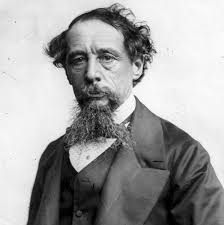
Brief Biography of Charles Dickens
Early Life:
-
Born to a navy clerk, Charles Dickens spent his early childhood in Kent. The family's financial struggles forced Dickens to leave school at a young age. Adolescence:
-
At ten, Dickens moved to London, and his father was imprisoned for debt. Dickens worked in a boot-blacking factory to support his family, an experience that profoundly influenced his later writings. Literary Success:
-
His works were immensely popular in both England and the United States. Notable novels include Hard Times, Great Expectations, Bleak House, and Oliver Twist. Other Ventures:
-
He founded a theatre company and a magazine, All the Year Round.
Career:
-
Dickens returned to school but left at fifteen to work as a law clerk, a court reporter, and a political journalist before becoming a full-time writer. Personal Life:
-
Dickens was unhappily married to Catherine Hogarth, with whom he had ten children. He continued writing until he died in 1870 and is buried in Westminster Abbey's Poets' Corner.
The Novel's History
- When and Where Written: Hard Times was written in 1854 in England.
- Publication: It was serialised between April 1, 1854, and August 12, 1854.
- Initial Reception: The novel received mixed reviews. While some praised its social critique, others felt it lacked the warmth and humour of Dickens' earlier works.
Literary Contexts
Historical and Political Context
- Industrial Revolution: The novel is set against the backdrop of the Industrial Revolution, which brought about significant technological innovations and the rise of the capitalist economy.
- Social Stratification: The revolution created new social and financial opportunities but also exacerbated the poverty of the working class. Factory owners often mistreated workers, leading to the formation of unions.
- Economic Disparities: The novel reflects the tensions between different social classes and critiques the utilitarian approach to education and economics.
Cultural and Social Context
- Class Mobility: The era allowed individuals to rise in social status through wealth and education, as seen with characters like Mr. Bounderby.
- Urbanisation: The rapid growth of cities and the harsh conditions of urban life are depicted through the setting of Coketown.
- Education: Dickens criticises the rigid and fact-based education system, represented by characters like Thomas Gradgrind.
Philosophical, Religious, and Intellectual Ideas
- Utilitarianism: The novel critiques the utilitarian philosophy, which values practical outcomes and facts over emotions and imagination.
- Humanitarian Concerns: Dickens advocates for compassion and social reform, highlighting the need for empathy and moral responsibility in society.
Useful Concepts to Be Aware of in the Novel
- Utilitarianism: Central to the novel's critique, this philosophy is embodied by characters like Mr. Gradgrind and Mr. Bounderby, who prioritise facts, statistics, and utility over compassion and creativity.
- Industrialization: The novel presents a critical view of the Industrial Revolution, highlighting the dehumanising effects of mechanisation and factory labour on individuals and society.
- Class Struggle: Dickens explores the stark contrasts between the lives of the wealthy and the working class, emphasising the exploitation and suffering of the latter.
- Education: The rigid and unimaginative educational system, which suppresses creativity and emotional development, is a significant theme, represented by the Gradgrindian model of schooling.
- Family and Relationships: The novel examines the impact of industrial society on family dynamics and personal relationships, often showing how economic and social pressures lead to personal suffering and moral compromise.
- Social Critique: Hard Times serves as a critique of the socio-economic conditions of Victorian England, calling for social reform and greater empathy towards the plight of the poor and oppressed.
Writer's Techniques
Structure and Plot
Three-Book Structure
- "Hard Times" is divided into three books: "Sowing," "Reaping," and "Garnering", reflecting a biblical allegory of cause and effect.
- This structure underscores the moral lessons in the novel, showing how the characters' actions lead to their eventual consequences.
Parallel Plots
- The novel follows multiple intertwined storylines, including the lives of the Gradgrind family, the workers like Stephen Blackpool, and the circus folk.
- These parallel plots highlight the contrasts between different social classes and philosophies.
Pacing and Compression
- Dickens compresses the narrative, packing the story with events and crises to maintain tension and engagement.
- The brisk pace reflects the urgency of the social issues addressed in the novel, pushing the reader to confront the harsh realities of industrial England.
Language and Style
Satire and Irony
- Dickens employs satire to criticise the utilitarian philosophy and the industrial revolution's impact on society.
- Characters like Mr Gradgrind and Mr Bounderby are exaggerated to expose the flaws in valuing facts and profits over human compassion.
Realism and Detail
- Dickens uses detailed descriptions to create a vivid portrayal of Coketown, capturing the grim reality of industrial life.
- His language emphasises the harshness of the environment and the plight of the working class.
Symbolic Names
- Names in "Hard Times" are often symbolic, reflecting characters' roles or traits.
- Mr. Gradgrind's name suggests a grinding down of creativity and imagination, while Mr. Bounderby's name implies his boundless arrogance and self-importance.
Symbols
The Staircase
- Mrs. Sparsit imagines Louisa descending a staircase into disgrace, representing Louisa's moral and social decline as she becomes involved with James Harthouse.
- This metaphorical staircase shows the dangers of Louisa's rigid, fact-based upbringing under Mr. Gradgrind's philosophy.
The Circus
- The circus, led by Mr. Sleary, symbolises creativity, freedom, and imagination, standing in stark contrast to the oppressive, fact-based world of Coketown.
- It represents the value of fancy and entertainment in human life, countering utilitarian ideals.
The Factory
- Factories in Coketown symbolise the dehumanising effects of industrialisation.
- They illustrate the monotony and drudgery of the workers' lives, highlighting the social injustices of the industrial age.
Pegasus
- Sleary's circus has a performing horse named Pegasus, symbolising the imagination and mythic grandeur absent in the utilitarian worldview.
- Pegasus represents the potential for transcendence and creativity beyond the confines of the industrial environment.