The Color Purple: Character Analysis (Edexcel A-Level English Literature): Revision Notes
📚Revision Notes
The Colour Purple: Character Analysis
Celie
Overview
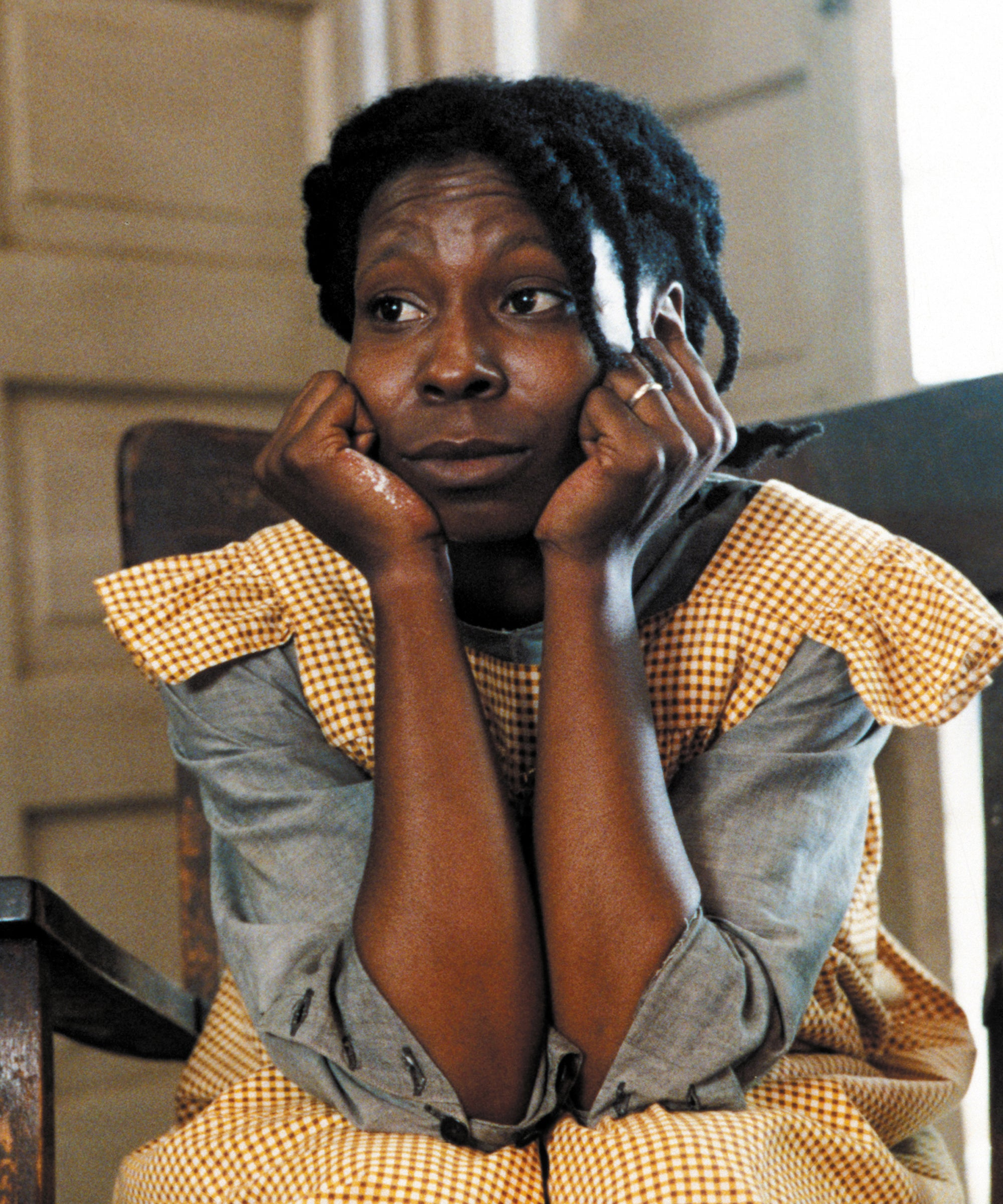
Celie is the protagonist of Alice Walker's "The Colour Purple." At the novel's beginning, she is a passive, submissive young woman who suffers severe abuse from her father and later her husband, Mr. _____. Over time, Celie evolves into an empowered individual who gains self-awareness and independence, largely through her relationships with other women, particularly Shug Avery.
Key Plot Moments
- Initial Abuse and Marriage to Mr. ____
- Celie is repeatedly raped by her father and gives birth to two children, who are taken away from her. She is then married off to Mr. _____, who also abuses her.
- This marks the beginning of Celie's struggle for self-worth and autonomy.
- Meeting Shug Avery
- Celie meets Shug, Mr. _____'s longtime lover, who eventually becomes Celie's close friend and lover.
- Shug's influence is pivotal in Celie's journey towards self-discovery and empowerment.
- Reading Nettie's Letters
- Celie discovers hidden letters from her sister Nettie, which reveal truths about her past and the fate of her children.
- This discovery strengthens Celie's resolve and sense of identity.
- Reunion with Nettie
- At the novel's end, Celie is reunited with her sister Nettie, her children, and other loved ones.
- This reunion underscores Celie's personal growth and the restoration of her family.
- Confrontation and Independence
- Celie confronts Mr. _____ about his abuse and decides to leave him, moving to Tennessee with Shug.
- This moment signifies Celie's break from her oppressive past and her assertion of independence.
Key Themes
- Empowerment and Self-Discovery: Celie's transformation from a victim of abuse to an empowered individual is central to the novel.
- Spirituality and Connection to God: Celie's understanding of God evolves, symbolising her spiritual growth and inner strength.
- Female Solidarity: Celie's support from other women, especially Shug and Nettie, is crucial to her development.
Key Quotes
"Dear God, I am fourteen years old. I am I have always been a good girl. Maybe you can give me a sign letting me know what is happening to me."
- This quote introduces Celie's plight and her habit of writing letters to God, seeking understanding and solace.
"I may be black, I may be poor, I may be a woman, and I may even be ugly, but dear God, I'm here! I'm here!"
- Celie's assertion of her existence and worth, despite the multiple oppressions she faces, marks a pivotal moment in her empowerment.
"I'm pore, I'm black, I may be ugly and can't cook. . . . But I'm here."
- Another declaration of self-worth and resilience from Celie, emphasises her journey towards self-acceptance.
"It's time to leave you and enter into the Creation. And your dead body just the welcome mat I need."
- Celie's declaration of independence from Mr. _____ signifies her break from oppression.
"I think it pisses God off if you walk by the colour purple in a field somewhere and don't notice it."
- This quote encapsulates Celie's evolving perception of God and beauty in the world, taught by Shug.
Nettie
Overview
Nettie is Celie's younger sister, whose beauty and intelligence allow her to escape the immediate abuse that Celie endures. Nettie becomes a missionary in Africa, and through her letters to Celie, she provides a broader perspective on racial and cultural issues, as well as insights into Celie's past and the whereabouts of her children.

Key Plot Moments
- Leaving Home
- Nettie escapes from their abusive home, first seeking refuge with Celie and Mr. _____, then leaving after Mr. _____ makes advances towards her.
- Missionary Work in Africa
- Nettie joins a missionary couple, Samuel and Corrine, and travels to Africa to work with the Olinka people.
- This work provides Nettie with a deep cultural and spiritual education.
- Discovering Celie's Children
- Nettie discovers that the children Samuel and Corrine have adopted, Olivia and Adam, are Celie's biological children.
- This revelation is crucial for Celie's understanding of her own life.
- Return to America
- Nettie returns to America, bringing Celie's children and reuniting the family.
- This reunion is the culmination of the sisters' enduring bond and shared journey.
- Correspondence with Celie
- Nettie's letters to Celie are a lifeline for both sisters, providing hope and connection despite their physical separation.
Key Themes
- Sisterhood and Loyalty: Nettie's unwavering loyalty to Celie and her determination to maintain their connection is central to her character.
- Resilience and Hope**:** Despite numerous challenges, Nettie's letters embody hope and the possibility of reunion and redemption.
- Education and Enlightenment: Nettie's experiences in Africa broadened her understanding of race, culture, and spirituality.
Key Quotes
"You and me us never part. Makidada."
- Nettie's promise to Celie highlights the unbreakable bond between the sisters.
"Dear Celie, I know you think I am dead. But I am not."
- Nettie's opening line in her letters is a powerful affirmation of her survival and ongoing connection with Celie.
"I love children, I love teaching. But most of all, I love making a difference."
- Nettie's dedication to her work and her desire to impact others positively.
"Africa. Celie, is so beautiful. She feels like a better place."
- Nettie's awe and appreciation for Africa, reflect her broadened horizons and deeper cultural understanding.
"If this letter reaches you, only then will you know that I am alive."
- Nettie's hope that her letters will eventually reach Celie, underscores her perseverance and faith.
Mr. _____ (Albert)
Overview
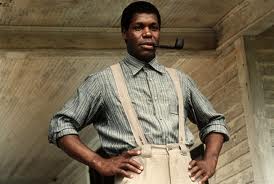
Mr. _____, later revealed as Albert is initially portrayed as Celie's abusive husband. He is a complex character whose cruelty stems from his frustrations and losses, particularly his unrequited love for Shug Avery. Throughout the novel, Albert undergoes significant changes, eventually seeking redemption and forming a respectful relationship with Celie.
Key Plot Moments
- Marriage to Celie
- Albert marries Celie primarily for her labour and as a mother figure for his children, treating her with contempt and violence.
- Relationship with Shug Avery
- Albert's relationship with Shug is a central aspect of his character, revealing his vulnerabilities and softer side.
- Celie's Departure
- Celie's decision to leave Albert marks a turning point, forcing him to confront his shortcomings.
- Symbolic Gift
- At the novel's end, Albert gives Celie a purple frog, symbolising their newfound friendship and mutual respect.
- Reconciliation
- Albert transforms, apologising to Celie and forming a new, respectful friendship with her.
Key Themes
- Transformation and Redemption: Albert's character arc from abuser to a penitent friend underscores the theme of personal transformation.
- Power and Control**:** Albert's initial need to control and dominate reflects broader themes of gender and power dynamics.
- Love and Obsession: His complicated love for Shug Avery drives much of his behaviour and emotional turmoil.
Key Quotes
"He beat me like he beat the children. Cept he don't never hardly beat them. He say, Celie, git the belt."
- This quote highlights the extent of Albert's abuse towards Celie.
"You better shut up and get used to it."
- Albert's command of Celie illustrates his oppressive and controlling nature.
"Shug got talent, he says. She can sing. She got spunk, he says. She can talk to anybody."
- Albert's admiration for Shug, reveals his softer, more vulnerable side.
"I'm satisfied this is the first time I ever lived on Earth as a natural man. It feels like a new experience."
- Albert's reflexion on his transformation indicates his growth and newfound peace.
"Here, Celie, he says. This a gift from me."
- The moment Albert gives Celie the purple frog symbolises their reconciliation.
Shug Avery
Overview
Shug Avery is a glamorous and independent blues singer who significantly impacts Celie's life. Known for her free-spirited nature and defiance of societal norms, Shug helps Celie discover her strength, sexuality, and sense of self-worth.

Key Plot Moments
-
Arrival at Celie's Home
-
Shug arrives sick at Celie's home, where Celie nurses her back to health, beginning their deep bond.
-
Teaching Celie About Love and Sexuality
-
Shug educates Celie about her body and sexuality, helping her understand and embrace her desires.
-
Support and Empowerment Shug supports Celie in standing up to Mr. _____ and helps her start her own business.
-
Departure and Return
-
Shug leaves for a brief affair but returns to Celie, showing the enduring nature of their relationship.
-
Spiritual Guidance
- Shug introduces Celie to a more expansive and personal understanding of God and spirituality.
Key Themes
- Freedom and Independence: Shug embodies the themes of personal freedom and defiance against societal expectations.
- Spirituality and Connection to God: Shug's unique view of God influences Celie's spiritual journey.
- Female Empowerment: Her relationship with Celie empowers Celie to find her voice and assert her independence.
Key Quotes
"God loves all them feelings. That's some of the best stuff God did. And when you know God loves 'em, you enjoy 'em a lot more."
- Shug's perspective on God and pleasure, profoundly impacts Celie's spiritual growth.
"I think it pisses God off if you walk by the colour purple in a field somewhere and don't notice it."
- Shug's philosophy encourages Celie to appreciate the beauty in the world.
"You sure are ugly."
- Shug's initial harsh comment to Celie, contrasts with their later deep bond.
"You got to git man off your eyeball before you can see anything at all."
- Shug's advice to Celie about finding her own identity separate from male dominance.
"The more I wonder, the more I love."
- Shug's reflexion on love and curiosity, is indicative of her open and exploratory nature.
Sofia
Overview
Sofia is a strong, defiant woman married to Harpo, Mr. _____'s son. Her physical strength and unwillingness to submit to oppression, both from her husband and white society, highlight her character as a symbol of resistance and resilience in the novel.
Key Plot Moments
-
Marriage to Harpo
-
Sofia marries Harpo and struggles with his attempts to dominate her, leading to physical confrontations.
-
Conflict with the Mayor
-
Sofia's refusal to become the mayor's maid and her subsequent imprisonment showcase her defiance against racial and gender oppression.
-
Jail and Servitude
-
Sofia's time in jail and her forced servitude in the mayor's household reveal the harsh realities of racial injustice.
-
Support for Celie
-
Sofia provides strength and support to Celie, exemplifying female solidarity and resilience.
-
Return Home
-
After years of servitude, Sofia returns home, although the experience has left a lasting impact on her spirit.
Key Themes
- Resistance and Defiance: Sofia's character embodies the theme of standing up against both racial and gender oppression.
- Female Solidarity: Sofia's support for Celie and other women underscores the importance of unity among women.
- Resilience and Survival: Despite severe hardships, Sofia's resilience highlights her strength and determination.
Key Quotes
"Hell no."
- Sofia's response to the mayor's wife, a powerful moment of defiance.
"All my life I had to fight. I had to fight my daddy. I had to fight my brothers. I had to fight my cousins and my uncles. A girl child ain't safe in a family of men."
- Sofia's reflexion on her lifelong struggle against male oppression.
"I loves Harpo, God knows I do. But I'll kill him dead before I let him beat me."
- Sofia's declaration of her love for Harpo is tempered by her refusal to submit to violence.
"Miss Celie, you better hush. God might hear you."
- Sofia's warning to Celie about speaking against God shows her belief in divine justice.
"White folks is a miracle of affliction."
- Sofia's succinct summary of the racial oppression she faces.
Harpo
Overview
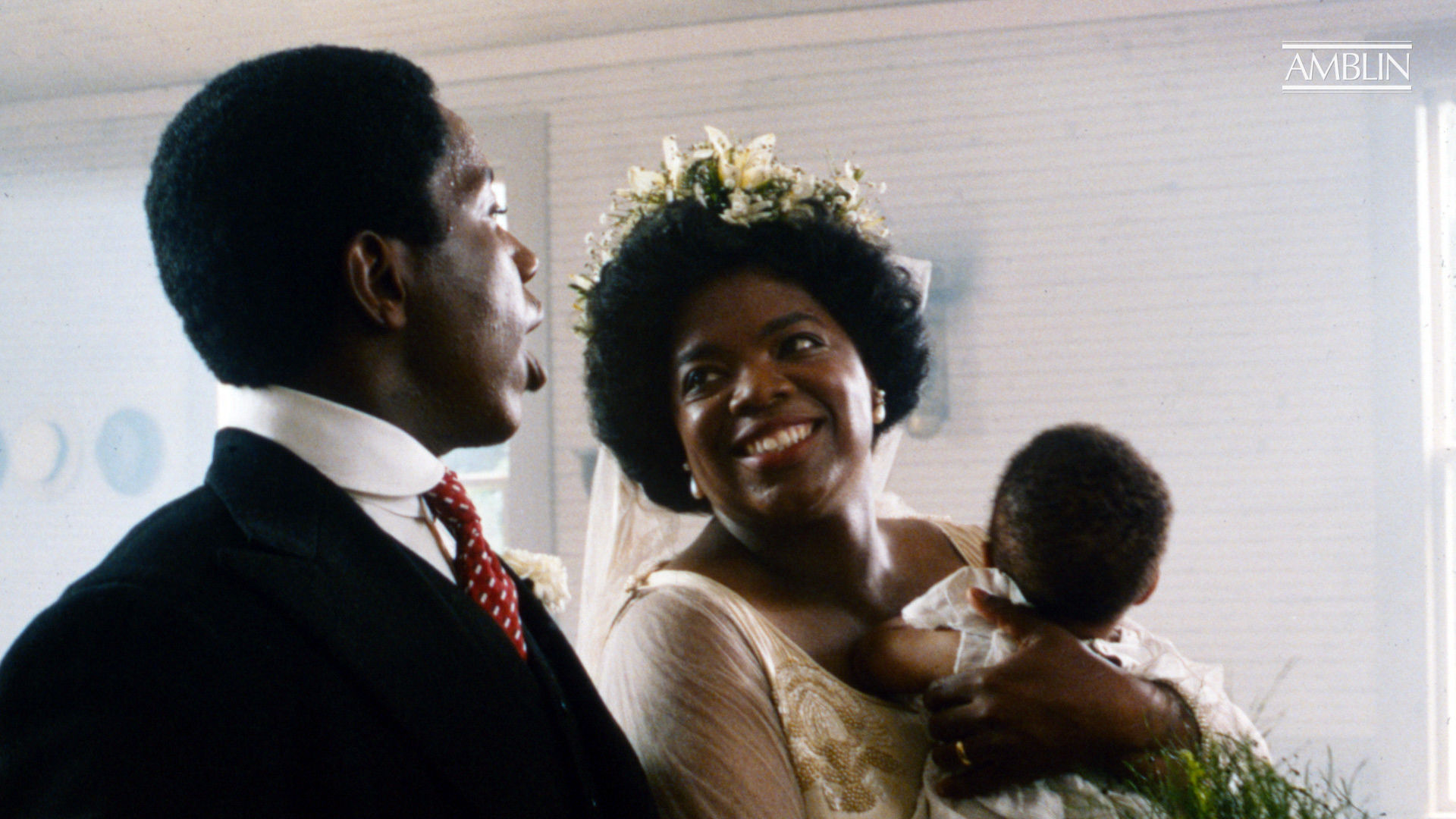
Harpo is Mr. _____'s eldest son, who struggles with his expectations of masculinity and his love for Sofia. Harpo's character development reflects the complexities of male identity and the influence of societal norms on personal relationships.
Key Plot Moments
- Marriage to Sofia
- Harpo marries Sofia and faces conflicts over his desire to assert traditional male dominance.
- Opening the Juke Joint
- Harpo opens a juke joint, attempting to assert his independence and masculinity.
- Relationship with Squeak
- After Sofia leaves, Harpo begins a relationship with Squeak, showcasing his ongoing struggle with relationships.
- Support for Celie
- Harpo supports Celie in her business ventures, demonstrating his evolving sense of family and partnership.
- Reconciliation with Sofia
- Harpo and Sofia's eventual reconciliation highlights his growth and understanding of mutual respect.
Key Themes
- Masculinity and Identity: Harpo's journey reflects the challenges of adhering to and breaking free from traditional notions of masculinity.
- Growth and Understanding: Harpo's development throughout the novel underscores the possibility of personal growth and mutual respect in relationships.
- Love and Conflict: His relationships with Sofia and Squeak illustrate the complexities of love and the impact of societal expectations.
Key Quotes
"What Sofia gon say bout what you doing to her house?"
- Harpo's actions reflect his attempts to move on from Sofia, yet still being concerned about her opinion.
"I love Sofia, I think. But she make me feel like I'm in the way."
- Harpo's internal conflict about his feelings for Sofia and his struggle with insecurity.
"It just make me want to be a man, you know. Want to be where she at, right with her, not back here in the shadows."
- Harpo's desire to be an equal partner with Sofia, rather than feeling overshadowed by her strength.
"Sofia do what she want, he say. She don't ask nobody."
- Harpo's realisation of Sofia's independence and his struggle to accept it.
"I can't let you go, Harpo say. I love you, Sofia."
- Harpo's declaration of love for Sofia, despite their turbulent relationship.
Squeak (Mary Agnes)
Overview
Squeak, also known as Mary Agnes, is Harpo's second wife in "The Colour Purple" by Alice Walker. Initially, she appears physically weak and unassuming, but she undergoes a significant transformation, finding her voice and asserting her identity.

Key Plot Moments
- Squeak's Assault by the Warden
- Squeak is sexually assaulted by the warden when she tries to negotiate Sofia's release from prison. This traumatic event becomes a catalyst for her transformation.
- Demanding Respect from Harpo
- After the assault, Squeak insists on being called by her real name, Mary Agnes, asserting her identity and demanding respect from Harpo.
- Pursuing a Singing Career
- Inspired by Shug Avery, Squeak pursues a career in singing, which helps her gain confidence and independence.
- Return to Celie
- By the end of the novel, Squeak returns to Celie's home, signifying her growth and autonomy.
- Leaving Harpo
- Squeak eventually leaves Harpo to live with Grady, Shug's husband, and to focus on her singing career.
Key Themes
- Self-Discovery and Empowerment: Squeak's journey from a timid girl to a confident woman illustrates the theme of self-discovery and empowerment.
- Resilience: Despite her trauma, Squeak's ability to reclaim her voice and pursue her dreams showcases her resilience.
- I****dentity and Respect: Her insistence on being called Mary Agnes highlights the importance of identity and respect.
Key Quotes
"My name Mary Agnes."
- This declaration marks Squeak's first step towards asserting her identity and demanding respect.
"Squeak slap her. Sofia look up at her from the floor. Ast her who she think she is. Squeak say, I'm Mary Agnes."
- This quote signifies Squeak's transformation from a submissive character to someone who stands up for herself.
"Every time I saw Sofia I know she was somebody. And now she somebody again."
- Squeak's reflexion on Sofia's strength motivates her to find her strength and identity.
"I got love. I got work. I got money, friends and time."
- This quote encapsulates Squeak's realisation of her self-worth and the completeness of her life.
"Mary Agnes gon sing in public. Talk bout her like a dog, if you want to, but she gon sing."
- Squeak's determination to sing in public, despite potential criticism, underscores her newfound confidence and independence.
Samuel
Overview
Samuel is a kind and compassionate reverend in "The Colour Purple." He adopts Celie's children, Olivia and Adam, and becomes a father figure to them and Nettie. His deep spirituality and integrity play a significant role in Nettie's life.

Key Plot Moments
-
Adopting Olivia and Adam
-
Samuel and his wife, Corrine, adopt Celie's children, providing them with a loving home.
-
Taking in Nettie
-
Samuel offers refuge to Nettie, who becomes part of his family and joins their mission to Africa.
-
Missionary Work in Africa
-
Samuel leads his family to Africa, where they work as missionaries among the Olinka people.
-
Return to America
-
Samuel brings Nettie and the children back to America, reuniting with Celie and forming an extended family.
-
Corrine's Death
-
After Corrine's death, Samuel marries Nettie, solidifying their bond and commitment to family.
Key Themes
- Compassion and Integrity: Samuel's character embodies compassion and moral integrity, influencing those around him.
- Spirituality: Samuel's deep spirituality and commitment to missionary work underscore the theme of faith.
- Family and Adoption: His role as an adoptive father highlights themes of family and unconditional love.
Key Quotes
"God is inside you and inside everybody else."
- Samuel's belief in the omnipresence of God reflects his deep spirituality.
"Corrine and I have tried to raise our children with love and understanding."
- This quote illustrates Samuel's dedication to providing a nurturing and supportive environment for his family.
"Nettie, I've loved you all along."
- Samuel's confession of love to Nettie signifies the deep emotional bond they share.
"We are all children of God. His spirit is in all of us."
- Samuel's inclusive view of spirituality emphasises his belief in universal connection and divine presence.
"I want to see my children happy and free."
- Samuel's wish for his children's happiness and freedom highlights his compassionate and selfless nature.
Corrine
Overview
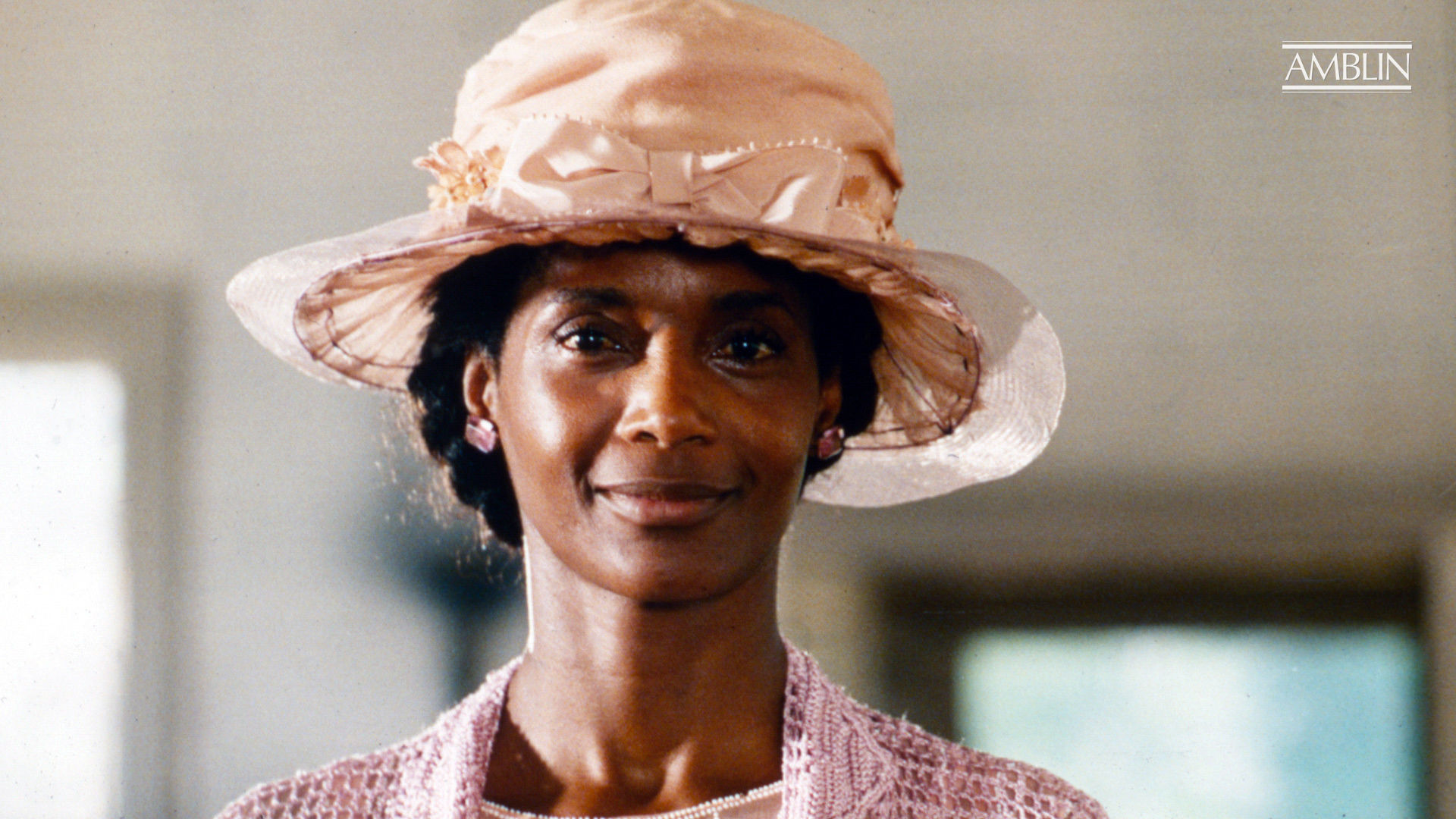
Corrine is Samuel's wife and the adoptive mother of Olivia and Adam in "The Colour Purple." She is a dedicated missionary who struggles with jealousy and insecurity but ultimately finds peace before her death.
Key Plot Moments
-
Adopting Olivia and Adam
-
Corrine and Samuel adopt Celie's children, providing them with a stable and loving home.
-
Meeting Nettie
-
Corrine becomes suspicious of Nettie, fearing an affair between her and Samuel.
-
Journey to Africa
-
Corrine's missionary work in Africa is a significant part of her life, showcasing her dedication to her faith.
-
Revealing the Children's Parentage
-
Before her death, Corrine learns the truth about Olivia and Adam's biological mother, bringing closure to her suspicions.
-
Illness and Death
-
Corrine falls ill and, before her death, reconciles her fears and insecurities, accepting Nettie's role in their family.
Key Themes
- Faith and Dedication: Corrine's commitment to her missionary work highlights themes of faith and dedication.
- Forgiveness and Acceptance: Corrine's reconciliation with Nettie before her death underscores themes of forgiveness and acceptance.
- Jealousy and Insecurity: Her struggles with jealousy and insecurity are significant aspects of her character development.
Key Quotes
"I never thought I'd have to compete with another woman for my husband's love."
- Corrine's insecurity and jealousy are evident in this quote, reflecting her inner turmoil.
"We must trust in God's plan, even when it's hard to see."
- This quote illustrates Corrine's deep faith and reliance on divine guidance.
"Nettie, I believe you. I believe you've been truthful all along."
- Corrine's acceptance of Nettie's truth signifies her forgiveness and desire for peace.
"Our work here is important, Samuel. It's God's work."
- Corrine's dedication to her missionary work is highlighted in this quote, showcasing her commitment to her faith.
"I'm sorry for all the pain my suspicions caused."
- Corrine's apology to Nettie before her death signifies her growth and desire for reconciliation.
Adam
Overview
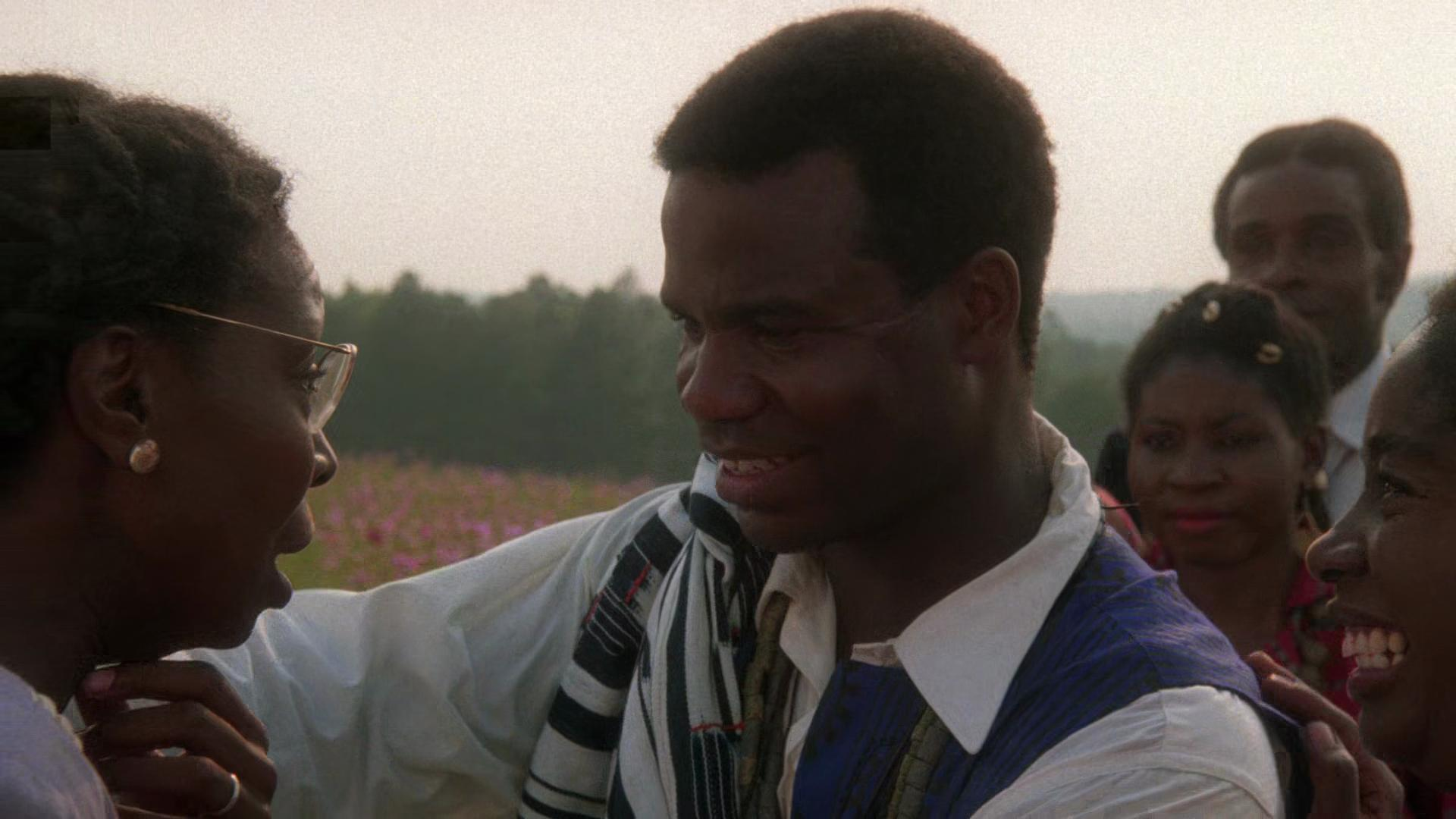
Adam is the biological son of Celie and the adoptive son of Samuel and Corrine in "The Colour Purple." Raised in Africa, he marries Tashi, an Olinka woman, and experiences significant cultural challenges and personal growth.
Key Plot Moments
-
Adoption by Samuel and Corrine
-
Adam is adopted by Samuel and Corrine, who raise him in a loving and supportive environment.
-
Growing Up in Africa
-
Adam grows up in Africa, where he is immersed in the Olinka culture and traditions.
-
Relationship with Tashi
-
Adam falls in love with Tashi, an Olinka woman, and faces cultural challenges in their relationship.
-
Return to America
-
Adam returns to America with Tashi and their family, integrating his African experiences into his identity.
-
Undergoing Facial Scarring
-
To support Tashi, Adam undergoes the ritual facial scarring of the Olinka, showing his commitment to her and her culture.
Key Themes
- Cultural Integration: Adam's experiences highlight the challenges and rewards of integrating different cultures.
- Identity and Growth: Adam's journey reflects his personal growth and the development of his identity.
- Love and Commitment: His relationship with Tashi underscores the themes of love and commitment across cultural boundaries.
Key Quotes
"I love Tashi, and I'll do anything to prove it."
- Adam's dedication to Tashi is evident in this quote, showcasing his deep love and commitment.
"The scars on my face show my solidarity with Tashi and her people."
- This quote highlights Adam's willingness to embrace and respect the Olinka culture.
"Living in Africa has taught me more about myself than I ever imagined."
- Adam's reflexion on his time in Africa underscores his personal growth and self-discovery.
"I want to bridge the gap between our cultures, not widen it."
- Adam's desire for cultural integration and understanding is evident in this quote.
"Tashi and I are building a life together, one that honours both our heritages."
- This quote reflects Adam's commitment to creating a harmonious life that respects both his and Tashi's backgrounds.
Celie and Nettie's Mother
Overview
Note
Celie and Nettie's mother is a minor yet significant character in Alice Walker's "The Colour Purple." Her mental illness and eventual death profoundly impact her daughters, shaping their early experiences and the trajectory of their lives.
Key Plot Moments
-
Struggles with Mental Illness
-
Celie and Nettie's mother suffers from a mental illness that leaves her unable to care for and protect her daughters.
-
Unawareness of Abuse
-
She is unaware of the sexual abuse Celie endures from their stepfather, Alphonso.
-
Death and Aftermath
-
Her death leaves Celie and Nettie vulnerable to further abuse and changes the trajectory of their lives.
-
Legacy of Silence
-
The silence around her mental illness and the abuse reflects broader themes of secrecy and trauma in the family.
-
I****mpact on Celie and Nettie
-
Her absence forces Celie to take on a maternal role for Nettie, strengthening their bond.
Key Themes
- Impact of Mental Illness: Her struggles highlight the theme of mental illness and its effects on family dynamics.
- Legacy of Silence: The unspoken suffering within the family underscores the theme of secrecy and its impact on the characters.
- Vulnerability and Protection: The absence of maternal protection emphasises themes of vulnerability and the need for self-reliance.
Key Quotes
"Celie reveals that her mother is ill and unwilling, at the moment, to sleep with Celie's father, because of her illness."
- This quote highlights her physical and mental state, showing her inability to protect her children from Pa's abuse.
"In a second letter, Celie describes how her mother dies 'cussing and screaming.'"
- This description of her death underscores the pain and turmoil she experienced in her final moments.
"After the death of her husband who is lynched by a gang of white men, Celie and Nettie's mother falls into a deep depression."
- This quote provides context for her mental decline and the subsequent impact on her family dynamics.